My Medical Care Made Me Sick! Why?
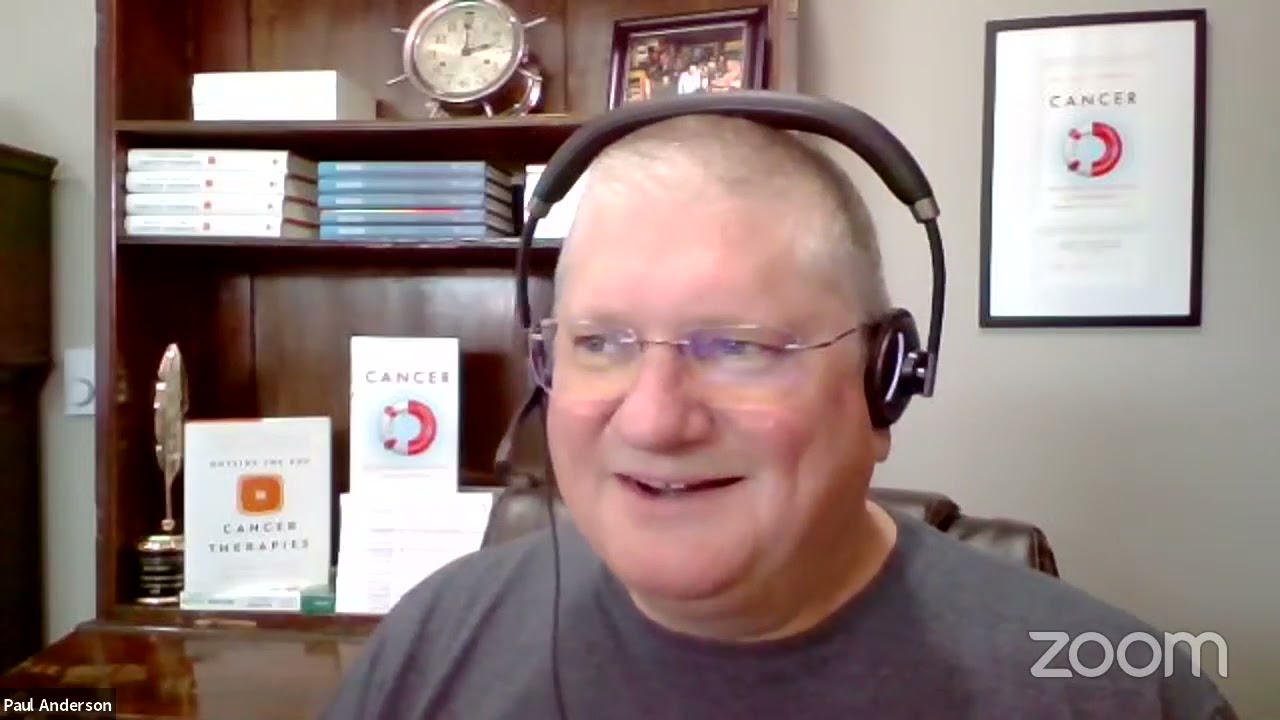
In this episode of Medicine and Health, Dr. Paul Anderson explains why patients sometimes feel worse after starting medical treatments. He distinguishes normal drug side‑effects from deeper physiological reactions that occur when the body’s systems are already altered by chronic illness. He reviews classic examples such as chemotherapy’s non‑selective cell damage, the Jarisch‑Herxheimer reaction to spirochetal infections, and anaphylactoid responses, then expands the concept to die‑off reactions from antiparasitic drugs and other anti‑infectives. Anderson describes how chronic illness creates a "new normal" where metabolism, hormone production, immune tolerance, gut function, and detoxification pathways are down‑regulated for survival. When treatment attempts to restore normal function too quickly, patients may experience worsening symptoms due to metabolic acceleration, hormonal shifts (thyroid, testosterone, estrogen dominance), inflammatory cytokine surges, and accumulation of toxins that cannot be eliminated fast enough. He emphasizes the importance of a comprehensive 360‑degree assessment, gradual dose titration, supporting detoxification and nutrient repletion, and coordinating care among practitioners experienced in chronic illness. Communication about expected reactions and guardrails is crucial. The episode ends with a call to visit Dr. Anderson’s new website DRANOW for more resources.
Chapters
This is contacttalkradio.com, consciousness in action, and you are taking action into your consciousness by tuning into Contact Talk Radio. And on tunein.com, hang.fm, and UpSnap Mobile. Contact Talk Radio. Welcome to Medicine and Health with Dr. Paul Anderson. This is a show about opening up the often mysterious world of how doctors think. The goal, to empower the listener to gain access to the best healthcare possible. Good day and welcome to Medicine Health with Dr. Paul Anderson. That's me, I'm Dr. Paul. And today we're gonna go deeper into a topic that I did a short video on YouTube about, but there's so many facets to it. A lot of people ask questions, so we'll do a deeper dive into that today. And that is what happens and why does it happen when you have treatment for something, you know, medical healthcare treatment for something, and you seem to react badly to it, or you have odd reactions, or, you know, maybe it's supposed to be helping you get over something, but now you feel actually worse than you did before, those sorts of things. Now, The first thing to think about with respect to, you know, why would your treatment so-called make you sick or make you react, etc., is there are legitimate reactions that usually are drug side effects and other things that— we'll talk about some of those, but sometimes a reaction is just a reaction. And it's your body, and say it's medication or some other type of treatment are just not working together very well. Now that's one category of things, so that's sort of the first thing people think about. But there's a lot of other reasons why these odd reactions or unintended, or even sometimes, you know, they're coming but you didn't know they were going to be that bad reactions happen. The thing that we often contrast this with Is most people's experience is with acute care medicine, which is what most of us needed for, you know, most of our life usually. And that's the instance where you have a very defined diagnostic problem. You have usually a treatment or maybe a small array of treatments that are appropriate, and then you have resolution of the problem. So, for example, you have a strep throat, you take an antibiotic course, and you are better. Usually there's not a lot of variation along the way. You sprain your ankle, you do treatment for it, and it heals up. Things like that are what we're kind of used to. Cancer, complicated diseases, diseases that have a lot of layers to them, all of a sudden the world can change and your reaction to treatment is no longer this linear sort of A plus B equals C equation that goes on. And so that's usually where these things come in. Now, it is possible that you can be, you know, being treated for something not terribly complex or not cancer or some other thing, and you can have an interesting reaction or maybe, you know, feel a little rough while you're getting over something. That's— that does happen. But more often than not, what you're looking at when these things happen is under the surface of whatever's going on, the treatment stirred something up. And so now you have an aggravation of symptoms or new symptoms that you didn't know you had, et cetera. Now, one common thing that people, hopefully you don't have personal experience, but many people do, is chemotherapy and the side effects from chemotherapy. So that's a treatment reaction where they're giving something to try and slow down, say, the replication of your cancer cells. And you have these effects from the drug drug that is doing this work. Those effects can be things like fatigue, joint pain, your hair might fall out, you know, all sorts of things can go wrong with that. Well, that's kind of a standard, you know, drug reaction where the drug itself, in order to do the work that it does, leaves behind a lot of You could say collateral damage, okay? And one of the things that a lot of chemotherapies do, which we've talked about in other programs, but it's sort of like if you go out to your yard and there's, you know, you wanna have the grass, but there's a weed you don't like. Well, if you take and you can do something that's real targeted for that weed that doesn't hurt the grass, the weed will go away and the grass will all be alive. Yeah. A lot of chemotherapy is going to be like dumping a bucket of weed killer on the area, and so the weed dies, but then a lot of stuff around it dies as well. And that's because most chemotherapies— there's some newer ones that work differently— but most standard chemotherapies are non-discriminatory between your good cells and, you know, and the cancer cells. So that's just an example of one of the more common reasons where this sort of thing goes on. Now, there's a pathological response that a lot of people who are in the chronic illness setting, whether they're a, you know, practitioner or a patient, have heard about. And it's, it's a very well, very old and well-defined pathological response that was reported between 1895 and 1902 by 2 dermatologists. So this is 1895 to 1902, that's a long time ago, and its official name is the name of the 2 doctors, so it's the Jarisch-Herxheimer reaction. So a lot of people with chronic illness will talk about Herxing. Now I wonder, and of course Dr. Herxheimer and Jarisch are long gone, I wonder if Dr. Herxheimer ever, you know, thought that his name would be shortened and he would be a euphemism for bad treatment reactions, so-called Herxing. Now here's the thing about the Jarisch-Herxheimer reaction. It was specifically speaking about Anti-infective drugs that were given to people who had spirochetial infections. So this would be things like syphilis and you know leptospirosis and Lyme disease, etc. These sort of things. What happens is when the antibiotic goes and it starts to kill the organism, the body has a reaction, and this reaction was described by these two dermatologists, Jarosz and Herxheimer, and. The official name is both of their names. And they would see patients who were being treated for a spirochetrial infection, and they would get chills and shaky. They would develop fever. They would develop particular types of skin rashes, skin discoloration. Sometimes they could have damage in their kidneys, liver. Wow. A lot of cardiovascular damage, a lot of other reactions around the body. And back, you know, well over 100 years ago, 120 years ago or more now, when they were describing this, we didn't have the knowledge of, you know, the microscopic end of immunology that we have, but they knew that what must be going on is that the anti-infective drug Is doing its job and it's trying to kill this infection. And probably then the immune system is acting with the drug. And by having an immune response, you're killing more of the bug. So they took this reaction to mean that, although this was very, you know, potentially damaging and upsetting, obviously, for the patient. That there was a lot of the bug within the person that was dying, and ultimately it might, you know, it might be a positive thing. Well, now what we know with sort of modern immunology is that a lot of the cast of characters that you've heard about, say, with coronavirus infections and inflammatory responses with COVID and stuff like that, are at the base of a lot of these reactions, and the Jarisch-Herxheimer reaction is no exception. So you get an increase in the Jarisch-Herxheimer reaction of tumor necrosis factor and interleukin-6. That's that famous one where we talk about cytokine storms in COVID. Interleukin-8, its cousin, which is often pro-inflammatory. And The downside of all that is those cytokines trigger a lot of this response where you have fever, chills, aches, you know, all of those things. But the other thing that goes on is they stimulate your polymorphonuclear cells, types of your killing cells in your body, and those go about enhancing the immune response against the bugs. So one of the things I've seen, and just since we're talking about the Jarosz-Herxheimer reaction, one of the things that I've seen, you know, in, well, in social media, people will post, you know how there's this sort of phenomenon on social media where somebody will pick on something that's sort of in pop culture or commonly used or whatever, and then you can, you know, you can often get kind of a semi-viral or a viral post by pointing out that there, you know, the person's using that term inappropriately, or, you know, what we always believed this term meant is something else. And so I've seen this pointed out, you know, over time that, you know, somebody will say, well, you know, if you're, if you're Herxing, you know, again, Dr. Herxheimer, our apologies, but if you're Herxing, you know, do this, or this is going on or whatever. And somebody, you know, will come and say, well, you know, the, Jarisch-Herxheimer reaction is only when you're killing spirochetrial organisms, and it's a very limited thing, and it's not just any reaction that happens. So, okay, both people are, you know, kind of right. You're misappropriating the name when you're saying herxing for other things, but it is understand— understood now in modern immunology that you can have a number of reasons why you're reacting the way you are, that the immune system does, and you might even have overlapping symptoms, but they can be for totally different reasons. Yeah. reasons. So technically a Jarisch-Herxheimer reaction is when you're killing spirochete organisms, you have all this stuff going on. But there's another analogy for bad reactions in medicine that's very similar. And we use almost the same name to describe it, which is extremely confusing sometimes. There is anaphylaxis, which most people have heard of and nobody wants. That's why people carry EpiPens and things. And that's where you have an IgE-mediated allergic type 1 reaction that can kill you. Well, then they realized that there are these things that look just like anaphylaxis that are not mediated by IgE, but they're just as deadly sometimes. And so they call those anaphylactoid reactions, right? So they just made up a different name for it. Well, immunologically, then you're, you're discrete. You have, you know, the right name connected to the right problem, but really you're describing the same kind of problem ultimately. Well, it's kind of that way with Jarisch-Herxheimer or herxing. A lot of people use the term herx to mean anything that's dying, and, you know, while it's sort of the parent idea of it, you can consider it an immunologic reaction, immunologic reaction to things dying off. Now, I bring that up because it's, it's the best historical example of what we're talking about today. It's real. It's real live immunology, and also it sort of illustrates this idea where a concept then can be extrapolated out and grow into a broader treatment concept that now we understand not just killing spirochetes will give us some of these reactions, sometimes killing other things will give us reactions as well. Another real common thing that goes on, and again, because this is sort of in the news a lot, it's come up a lot. I get a lot of questions about it. For a number of reasons, there are, especially around COVID, there are people, you know, doctors may prescribe other drugs that might not be directly antiviral, but might be helping out with some of the other problems around COVID and people will have what appear to be very unusual reactions to those drugs. And they'll think it's like a side effect of the drug. Well, some of the drugs that are being used are anti-parasitic drugs that have either a crossover antiviral activity, or because we now have a lot of research showing that if you already have parasites that weren't bothering you before, And then you have a coronavirus infection, a COVID infection, you can have more of the adverse events of the viral infection. People will be given these, you know, anti-parasitic and other anti-infective substances, and then the patient will actually have reactions when the parasites start to die. Now, what happens there is similar to a Jarisch-Herxheimer reaction, But it's from a completely different source. So either the worm family, helminths, parasites, et cetera, when they die, they tend to start in the GI tract, in our digestive tract. And a lot of people have what we'd consider almost commensal parasites in their GI tract. And it's not great that they're there, but they're living there. They don't let you know about it. And they're happily consuming some of your food as it goes through. Well, You take something that will kill them suddenly, and we don't normally— we might take antibiotics that kill bacteria and other stuff, but we don't normally take a lot of antiparasitic drugs. Well, if you have a lot of parasite activity going on in your digestive tract and you don't know it, which believe it or not, you can with very few symptoms, you will start to have some very interesting symptoms. Now they can be all digestive. You can get you know, some gas, bloating, diarrhea, kind of the things you might think about. But you can also actually feel kind of toxic or poisoned. And the reason for that is these are complex organisms. And when they die from the drug that you're taking, a couple of things happen. One is they themselves are, as I say, much more complex than a bacteria, let's say. And when they die, they can release chemistry that absorbs back in your bloodstream and you feel that. But the other thing is that when larger complex organisms die, especially in the digestive tract, the immune system is much more reactive to that. Because now you go from having this still alive organism, let's say it's a parasite or a worm or whatever, I know it's great to think about, but this happens, and it was living happily and sort of you know, commensally symbiotic with you a little bit, and then you go and kill it. Well, now you have dead parts of this organism and your immune system now is reacting to actually the dead parts of the organism. And that can be very, very inflammatory and actually can trigger some of the same inflammatory cytokines, the chemicals that the Jarisch-Gerstheimer reaction does. So in addition to the gut problems that you can get, you can get some systemic things and actually, you know, headache and, you know, brain symptoms, all sorts of things can come from that. One of the things, as we work with people with either acute COVID or in the post-COVID world, because as I say, there's so much data now that shows that the more collateral infections you have when you get COVID, the, you know, the deeper the disease goes. So you get a person on some of these anti-infective products to try and get rid of these other organisms. And they can actually start to feel worse because of that, because you're killing something that they didn't realize was such a bad thing. Now, a lot of people find it surprising that you could have something like, you know, parasites or certain amoebas or worms, that sort of thing, in your digestive tract and you wouldn't be really, really sick. Well, if you get them acutely, So you go and you, you know, you're camping and you drink what you think is clean water and it's not, and you know, you get something like this, you'll get really ill normally. You'll often get fever, you get, you know, digestive symptoms and all sorts of things. But if they've been there a long time, as they are with a lot of people, they will not create a lot of, you know, immunologic ruckus in your body and you won't know that they're there. And statistically, if you look at microbiology textbooks, etc., some of these infections, up to 50% of them, are completely asymptomatic. So it's not out of the realm of reason, medically speaking, that you might have these things and then you go and you treat them and you don't know, you know, how deep of a well you're going into. So when it comes to things like, you know, parasites or worms or whatever dying, you're getting a similar die-off type reaction. It's not Kind of a classic Jarisch-Herxheimer because it's not spirochetes, at least as far as we know, but it's a similar type of a process that's going on. Now, other things to think about are what are other mechanisms by which you might feel bad if you start to treat? Now, I said earlier that the acute disease is normally less of an issue unless it's COVID, and that's a whole other world. But acute diseases are less of an issue because we were supposedly healthy before we get something that goes on and we treat it and we get better. Now, the treatment may not be any fun. I might have some side effects from it, but I'm not, you know, on my back with, you know, bad side effects, etc. So when you think about that, we contrast that then with a chronically ill person. In chronic illness, it can bring up a lot of problems. Well, the first thing that happens is, regardless of why you're chronically ill or what's going on, the longer you have been sick, the more abnormal— so sick becomes your new normal physiologically. And you think, well, that makes no sense at all, because, you know, doesn't the body sort of want to go back to You know, normal health and return to healing and all of that sort of stuff. Yeah, in the acute care model, it does that pretty readily if you remove whatever is in the way of you, you know, being healthy. But when you've been sick a long time, your body has this mechanism. It has this mechanism within all of physiology pretty much, and that is to tolerate to whatever is going on that is not stopping. So in your nervous system, you have a tolerance of your, of your sensory nerves so that when you first sit down on a chair, you notice how hard the chair is or soft or whatever. And after a while, the nerves hit an electrochemical tolerance where they stop sending messages because they know you're going to be sitting there for a while. In your digestive tract, if you eat a lot of, let's say, meat or something, your digestive tract will upregulate to have a new normal for digestive enzymes and other things to take care of the things that are in the meat. If you eat no meat, your digestive system will tolerate to the normal that is no meat, and then you try and eat meat and you'll actually feel sick. Well, it's just your body trying to find normal for you. So why is that different between an acute illness and a chronic illness? Well, in a chronically ill person, They haven't been well for a while, sometimes years and years and years. The body is not going to let you just die. Okay, now people do die, but in chronic illness, normally the body realizes, well, we can't just keep going downhill and, you know, where— who knows where the bottom is. We're going to say the new normal is here, and it might be 5 steps below what your normal ought to be. How's it do that? Well, it changes your neurochemical reactions, so your brain and your peripheral nerves, etc. It can change hormonal responses. Your body can literally, under chronic illness, downregulate your thyroid hormone activity and change your cortisol activity and all kinds of stuff. It can alter your metabolism, does all these things. Well, why is this new normal so important for these weird reactions? Because if you go and you treat somebody and their normal is equal to healthy and they just had a blip in the radar, they broke a bone, they need to recover from surgery, whatever, they're going to get past that. They're going to get treatment and their body's going to go back to normal, which equals health. But if you start to treat somebody whose normal is 5 or 10 steps below and your body is in survival mode, You are now telling the body it's doing the wrong thing. Once the body tolerates to something, as I've described here, the body does not like to move away from where its new normal is, even though it didn't used to feel that that was normal, even though this is actually sick, this is abnormal. Well, sick is the new normal for the chronically ill person's body. Does that mean it's right? No, but that's just the way it is. That's the way pathology and physiology work together. So this idea of overcoming the new normal is another reason why it feels so unfriendly and unusual to go through treatment in chronic illness. So how would that play out? Well, you take somebody who's been sick for 3 years or 5, or I've had people who are sick for 30 or 40 years, sadly. And their body is just down-tolerated and down-tolerated, down-tolerated to just survival. And if one of those components, let's say, is that their metabolism is really slow and you speed their metabolism up too quickly, their body will feel like it's being extremely overstimulated. So how would that work for a healthy person? A healthy person If you give them stimulants, they feel, you know, it's like you drink a pot of coffee or something. It feels not so great for most people, unfriendly, unfamiliar. Well, you take a person who's, you know, 5, 10, 15 notches below normal and they're just on survival mode and you make, you know, 1 or 2 notches of change in their metabolism trying to push it back to normal. If they don't have a lot of support around the rest of their body, it will feel so unfamiliar that they will be sure that they're getting sicker. Yeah. Because the brain will say, this is not the normal we've been keeping up physiologically, ergo, this is— something is very wrong. Now, that can have a lot of unintended consequences if you don't know it's coming. One of them is if the person tends to be anxious. So, you know, most humans kind of have a constitutional propensity towards something. Some people under stress tend to get a bit depressed. Some people get agitated. Some people get anxious. Well, whatever you tend towards can be aggravated when you start treating these things. So one of the things that we see in chronically ill folks, we're trying to move them back towards health. If you go too fast and they tend to be a depressive type person or an anxious person, they may get more anxious or depressive, for example, or agitated. Really, really common. So how do you work around that then if the body is trying to sort of fight with you over what normal is and the new normal is anything but healthy and normal? How do you undo that? Well, the biggest factors in chronic illness care to undo this in a way that doesn't feel totally from outer space and totally, you know, You know, without precedent and you feel like you're just making yourself sicker by doing treatment. It's trying to identify as many places where the body has used its physiology due to the pathology and suppressed itself and find as many places as you can to undo. So here's a common example. I talked about the metabolism slowing down in chronic illness as a method of protection against your body. It's like your body says, well, if we're going to be fatigued and we're not going to have energy production, you know, coming in and we're going to not have the right nutrients, we're going to inhibit the thyroid hormone so that our metabolism slows down because thyroid regulates much of your metabolism. And so you'll make whatever thyroid you make, but we're only going to let so much go into the cells and do it. So we turn the thermostat down. Now, it is very common in chronically ill folks for your healthcare provider to find, you know, the first obvious thing when they're doing screening tests. That's just the way screening tests work. So they might find that your thyroid is low. Okay. And in chronically ill people, that's very, very common. There's nothing wrong with finding it and doing something about it. That's what you're supposed to do. But when a person has the experience of they need thyroid, you put them on thyroid and suddenly they feel the worst they ever have. And there's all these other side effects that start bubbling up. It's not the fault of the thyroid really. It's the fact that you fixed one problem in a sea of other problems. Yeah. So you can see that if you put the thyroid back in, the metabolism speeds up, but there's nothing to support the metabolism. Now you're gonna have other stuff falling apart along the way. So a couple of things— excuse me. The first thing is there's no wrong answers. It's just a matter of how sick is the person who this is happening to and how many areas do we have to look at to try and push their health back into the center and shore them up and help them get better. So if you have, you know, some chronic illness and your doctor finds that you have low thyroid and they treat that and you feel magically better, that's probably all you need to know, right? Your body's telling you you probably hit upon the right problem. What I used to tell a lot of patients though, when that one thing was not working, or they would come in for a second opinion and, you know, the thyroid was definitely a problem, but it you know, it created other issues is if you think of it this way, if you have like, you know, a stack of coins that's 5 inches tall and you're looking at screening labs, you'll see the stack that's 5 inches tall and you go after that. A lot of screening labs aren't made to find the stacks that are 1 or 2 inches tall. And what I would tell most chronically ill people is you gotta, you know, instead of one big giant stack of one problem, You've got 10 problems that are, you know, 1/5 of the size or something like that. So a bunch of little stacks. So the labs may or may not catch it. There's a lot of other collateral things. So you have to step back and say, okay, well, what logically, just looking at the way that the body does these things when it's adjusting for chronic illness, what logically would be the cause areas that I should look at as far as, you know, what do I do about this problem I'm having? Yeah. Well, there's a couple, you know, big areas. The first one is sometimes you're doing the right treatment, but there— it's too fast. There's too much coming in too fast. So, and I'm not using thyroid because that's the only problem, but most people have heard of it, and it's a good example. Let's say it's thyroid. That's the right thing, and you're reacting What some people react better to is a lower dose and then escalating. So your body is sort of eased back into the improvement or the increase in metabolic activity. Sometimes with anti-infective treatments, that can be the case too. Now it's not generally harmful if they're going too quick or too heavy or whatever, but the quality of life and the comfort of the patient can certainly be altered. Yeah. If it's too much at one time. There's another really big thing that engages all of your physiology, and that is when you start to improve health coordinates, health factors, the underpinnings of health, you can wind up triggering a lot of removal of metabolic junk that's been in your body for a while building up. Yeah. And you think, well, how would that happen? Well, when your metabolism slows down, the movement of good stuff, nutrients and all the goodies into your cell, and then some of them are burned up in the energy system and then toxins are removed. When that system slows down, you tend to build up a lot of the removable products the cell can't quite clear out. So then suddenly you come in and you take away an inhibition, like the inhibition on the thyroid goes away because you're fixing that. And maybe you found some dietary things that were really not helping you and you take those away and suddenly you have an imbalance in your detoxification capacity versus your elimination capacity. Now your body is really well set up to get rid of junk. Now there's some toxins that go in the human body and can't get out without help, but for your day-to-day metabolic toxicity that builds up, your body is, you know, made to, uh, to remove what comes in. But if you've been building a lot up over time and now suddenly you're doing all these good things that are sort of forcing the front end of the issue, you can start to have toxicants, toxicity moving around your body and not enough elimination to get them out. This is another big reason why people just feel, you know, pretty crummy. Okay, so you can feel crummy because of the chemistry of killing off bugs. You can feel crummy because of speeding your metabolism up too much, but you also feel crummy because things are cleaning up, but you're not removing the trash as fast as you can. Okay, so When you have this imbalance between detoxification and elimination, you really have to work on all of the determinants of things that help you to eliminate. And this is a really, really big factor that goes into this. Now, one of the global problems, you know, sort of the corollary to most of this is inflammation. We go back to the Jarisch-Herxheimer reaction with spirochetes. Those are inflammatory cytokines. Yeah. Tumor necrosis factor, IL-6, IL-8, those are generally inflammatory, and inflammation doesn't make us feel good, okay? Inflammation in your joints makes your joints hurt. Inflammation systemically can make you hurt all over. Inflammation in your brain can either make you think and feel differently or make your head hurt or all of the above. So there's a lot of things that drive inflammation. Now this imbalance in toxicants leaving the body and detoxification pathways, that's one of them. Administration of therapies too quickly, that's another one. Things dying, that's another one. Now the other, which sort of is an example, is the thyroid thing, is you can have hormone changes. Really common to have hormonal shifts when you've been sick for a while. Yeah. Now, something that was surprising to me when working with chronically ill folks was how many young men who, you know, should have, let's say, a testosterone of, you know, 900 plus, something like that, how many of them who had been ill for a year or 2 or 3 or 4 years would have testosterones of like 200 or 100. You know, something's not right there. Well, the androgens, your natural androgens, and this happens in men and women, it's just the scale's different in women. And I will say that the same thing would happen. We check chronically ill women, we check their hormones, and their free testosterone would be undetectable. They just didn't have any. Well, you think about it, your Your androgens, whether you're a male or female, are heavily involved in the repair and healing processes in your body. So kind of like with thyroid, why would your body go into the business of blocking those? Well, if you are going into survival mode, there are predetermined— you could call them biochemical scripts in your body that are waiting. Right. for the epigenetic stressors of chronic illness. And when those get clicked on, the predetermined, you know, programming, if you will, goes into a biochemical shift that can actually block your androgenic activity in the body, whether you're a male or a female. And so your healing capacity slows down. Now, It's similar to blocking your thyroid. You know, it doesn't sound like a great idea for your body to do, but here's the thing. If your body's been sick a long time, it's going to say, we might not be getting better. We're going to turn the— we're going to go into first gear on everything. And that's literally what happens. Now, there's other things that happen. A really common thing that happens in men and women with chronic illness, aside from testosterone Going down, so you don't get the androgenic stimulation of healing, etc., is that you will become what some people call like estrogen dominant or high estrogen. Men can have high estrogen as well as women. Now there's no there's no bad hormone in your body; they're all there for a reason, but they're going to be bad balance. Well, in the case of males, when they get estrogen dominant, there's a number of things that happen. One is it blocks their testosterone receptors, so they get either symptoms of low test. testosterone or frankly low testosterone. It also puts a lot of stress on the adrenal cortisol— cortical system, which is a big part of your stress response, and that can get all out of balance. But the other thing that estrogen dominance does is it can throw off your insulin response. And insulin, of course, very important for us to maintain blood sugar, etc. And so you see this kind of cataclysm going on, and in men and women it plays out a little bit differently, but the net effect is the same. They lose their androgenic, uh, uh, you know, recuperative power. Their blood sugar control is all out of whack. Their adrenal stress hormones are harder to control. When the adrenal stress hormones are harder to control, the immune system gets less controlled. Uh, all sorts of other calamities can kind of go on from there. And you think, well, That doesn't sound very good. No, it's, it's not really, it's not optimal. Well, this is often one of those things that's under the surface that unless you're looking for it with a chronically ill person, you're not, you know, in, in normal screening. If you go into your clinic and say, I don't feel well, they're going to check your blood sugar, they're going to check your blood counts, make sure you don't have, you know, anemia, they're going to check your thyroid, you know, look at other stuff, but they're not really probably going to think to look at you know, all these other hormones and stuff. And if you're chronically ill, you really have to because just like the detoxification elimination balance I said was so important, and just like, you know, treating all the hormones, not just your thyroid or whatever, you got to look at these things and you kind of have to raise all of the ships at the same time. Well, you got a lot of sunk ships when you've been sick for a while. Now, what's another thing that kind of goes along with this? We talked about the thyroid and your energy production, your metabolism, etc. Something to consider there is as the cells slow down, you slow down. So when your metabolism slows down, your body temperature tends to get a little bit lower because your metabolism creates your body temperature. As your cells slow down, as I said, you tend to build up kind of a backup of some of the metabolic toxins in and around the cell. But you also just feel slower. You know, your brain is metabolizing more slowly, your muscles are metabolizing more slowly, etc. And so part of the problem then that ensues is if we're going to raise all of the ships, we got to think about getting toxins out of the body. We got to think about balancing, you know, hormonal activities. But we also have to think about, you know, bringing the metabolism back up. It's not just thyroid, that has to do then with micronutrients. Your cells use a lot of the nutrients that you take in, in fact, all of them, and many other things to support your mitochondrial energy. Now, the other thing that goes on is very common in chronic illness, which is underneath this, you know, you try and treat it and it kind of seems like a moving target, the person doesn't feel good, is that you can wind up with kind of overwhelming global nutrient deficiencies. Now, There's 2 levels of nutrient deficiency. One level is when you, you know, you get something like a severe deficiency that leads to disease or death, like, you know, pellagra or beriberi or one of those sort of things. But then there's also your just general functional nutrient deficiency where you just have not had the absorption of nutrients appropriately enough to feed everything. And people will say, well, that seems counterintuitive. Seems like your body would be sick and it would want more. Well, if you're healthy, that's what your body does. But when you've been sick for a while, we would see people, you know, been sick for 5, 10, 20, 30, 40 years, Sadly, and their iron stores would be just about zero or zero, like no iron. Well, without— I mean, you don't want too much iron, but you don't want zero. It's— iron is one of the big electrochemical metals in your body that helps run your energy-creating system. That's, that's why you don't feel good when you don't have it. Well, you think, well, why in the world— why would their iron absorption go down? Why their vitamin D absorption go down? Why would their— some of their other nutrients just be, you know, again, Again, maintenance level, subsistence level. If you think about it, the way we get nutrients generally is we eat the food, right? Or maybe we take supplements or whatever. Where's it going? It's going to your GI tract. Well, your GI tract is made of cells, a lot of cells that are highly specialized to do all this stuff, and they're supposed to help you digest and absorb the nutrients and get them in. Well, if the rest of you is turned down to first gear in survival mode, Guess where your GI tract is? It's in first gear and survival mode as well. And the important part about that is when it's in survival mode, a whole bunch of bad things go on. The first thing that goes on is you tend to shift the microbiome in your GI tract to less and less healthy, less and less supportive organisms. Next thing that goes on is you get slow turnover of your digestive tract cells. It's considered that the digestive tract, many parts of the digestive tract replenish themselves on about a 12 to 18 week cycle. But when you're sick, you're going to have a lot that are hanging in there that are very elderly cells and they're not doing very well. They don't absorb as well. The digestive immune system is going to be all wonky and not working correctly. So you are not going to be able to absorb Like you are supposed to, even if you're taking pills and supplements and things. We would literally have people who had been, you know, down their iron stores or, you know, almost zero, been sick for 30 years, and the only way we could get their GI tract and the rest of them to start to heal would be to do intravenous iron infusions, which can be done under a lot of supervision, and supply the body with iron and other nutrients. Yeah. And so that the cells can start to heal and then kind of working backwards, the digestive tract starts to work again. That literally happens. So there's all these things that can go on. And in our remaining minutes, now that I've painted this horrible picture of chronic illness and why reactions to your treatments go on, etc., we should talk about what do we do about it to be proactive And, you know, not have this happen or make it, make it as, you know, painless as possible to get back to health? Well, the first thing that you have to do is assess the cause. So all these areas and more have to be considered if you've been sick for a long time. Again, this doesn't apply to healthy people, but chronically ill people, it definitely does. Next thing you have to do is you have to look, kind of do a 360-degree look at the person And look at, you know, what medications have you been on, what ones are you on, what's the state of all the organs in the body, how well are they working, etc., and kind of look as deeply as you can with that. Another thing, if you're the patient, that you need to do is sometimes you need to involve more than one practitioner. Now, in many cases, you may have a really great You know, relationship, say with your primary care doctor, for example, or whoever you're seeing, and they may be doing you know great for all of you know your annual exams and all these other things that you do. But if they don't work in this area of chronic illness, they may actually you know these things I've been talking about will be foreign to them because they're working in the acute care model, which is nothing wrong with that. That's how you're trained and how you're supposed to do things. But when you have chronic illness, you have to remember that the rules change a bit. And this is not something that if you don't deal with chronic illness, this is not sort of a native thought, natural thought. So you want to work on— if whoever's doing your main healthcare, this is not their area, you want to find somebody who works with chronically ill patients. Now, that might take some looking, might just be a referral, but usually it takes a little bit of looking. Yeah. What I would recommend is, is that if you're really having a lot of trouble and you've been sick more than a few years, you work with an experienced practitioner who does this. This is their, their wheelhouse is, you know, chronic illness, etc. Now, as far as what winds up happening once you get somebody to work with, or maybe a team of people to work with, because I've seen that where Maybe the primary care doctor is comfortable handling, you know, A, B, and C in the equation, and they might have a colleague that they refer to who does, you know, D, E, and F parts. And then they might have a third person that, you know, works with some of the others, and they work kind of as a unit or a team. That can be very, very useful. You don't have to know how to do everything, and your one healthcare practitioner doesn't have to do everything. For you, but it's about finding, you know, a group that can. Sometimes you will find a person who may not do your primary care, but they might do your chronic illness care, and that might be a specialist, or it might be somebody who specializes in chronic illness care. But whomever or whatever group of people it is, sometimes what you have to do— first thing you have to do is, as I say, turn over all the rocks. You have to look under all the rocks where the problems can be. You have to know that those rocks are there. So, you know, that's why you need an educated practitioner. Then you have to look at, okay, how many levels of trouble do I have? Do I have a lot of hormonal dysregulation? Do I have a— have I built up a lot of chronic infectious things because I've been sick for so long? Do I have a lot of nutrient deficiencies because I've been sick so long? Do I have a lot of detox elimination imbalance going on because I've been sick so long? You probably have all of them, but you got to kind of get an assessment. And then you have to look at, well, we want to treat everything and move, like I say, all kind of all the ships up at the same time to the degree we can. And that will minimize the amount of sort of extreme treatment reactions that go on. Now, most of the time you can't do everything by lab tests. There's not good lab tests for everything. You do have to do some clinical clinical medicine and treatment trials. And sometimes you start at a level that you think is right and it's pretty good, or you start where you think is right, there's no reaction, so you kind of kick it up a notch. Sometimes you start where you think is right and there's too much reaction, it's okay to back off and, you know, work on supporting some other things and then work it up. Now, If you look at it, there's often not a particular order that these things have to go in because they all sort of— they all— all the ships sort of sunk slowly at the same time. But generally speaking, you have to get the substrates in there. So you— if you're going to make diet changes, you got to get them made, even though they'll be uncomfortable and all that. You've got to get more nutrients and more substrate for healing into you, whatever way you're doing that. You've got to rebalance your hormones, and that just can't be overstated. And so that's where somebody's going to have to do some testing and be able to, you know, prescribe if they need to, etc. Most people have collected a lot of bad organisms that need to go. Now, they don't need to all go at the same time, But you need to, you know, work on those. And you just need to get enough support kind of coming from all sides of the issue where maybe it doesn't, you know, you're not going to feel better tomorrow. In fact, you might aggravate a little bit still even when you're treating all these things. But your body has much more of a chance of everything rising up and getting better If as many of these, you know, deep holes, deep wells, holes in the bucket get filled as possible. So the next thing that I want to leave you with is if you have a reaction to treatment, it can be an adverse event of the, of the treatment. So that's the first thing you look at. But it doesn't always mean that it's bad, because if it's a chronically ill person, a chronically ill case, An odd reaction or a bad reaction to treatment just probably means there's more that needs to be included, more that needs to be looked at, and more that needs to be assessed. And so bad treatment reaction doesn't mean you have to live with it. You have to communicate with the provider. You have to have a lot of communication around these things. And you have to ask them, you know, what are the guardrails? Like, what are reactions I should not put up with? Okay, start getting you know really bad headaches or heart racing or whatever. They'll tell you what are common reactions that I may have to do something about, but are going to be there. Might be some digestive stuff or other things like that. So just a lot of communication. All right. Well, we're just about out of time on medicine health with Dr. Paul Anderson. That's me. I'm Dr. A, and on our way out, I just want to remind you of the new website D R A N O W. Dr. A now D R A N O W. It's a hub for everything. Because I have so many things going on. They're all in one place right there. And if you're watching this live, great. Thank you for doing that. If you're watching it later on YouTube, as everyone else says, you know, like, share, subscribe, hit notifications, all those good things. Really appreciate it. Appreciate you listening anywhere you're listening in the world on any outlet that this goes out on. Appreciate everyone. All right. Well, we're out of time. I'm Dr. Paul Anderson for Medicine health, and I will see you all on the radio next week.









