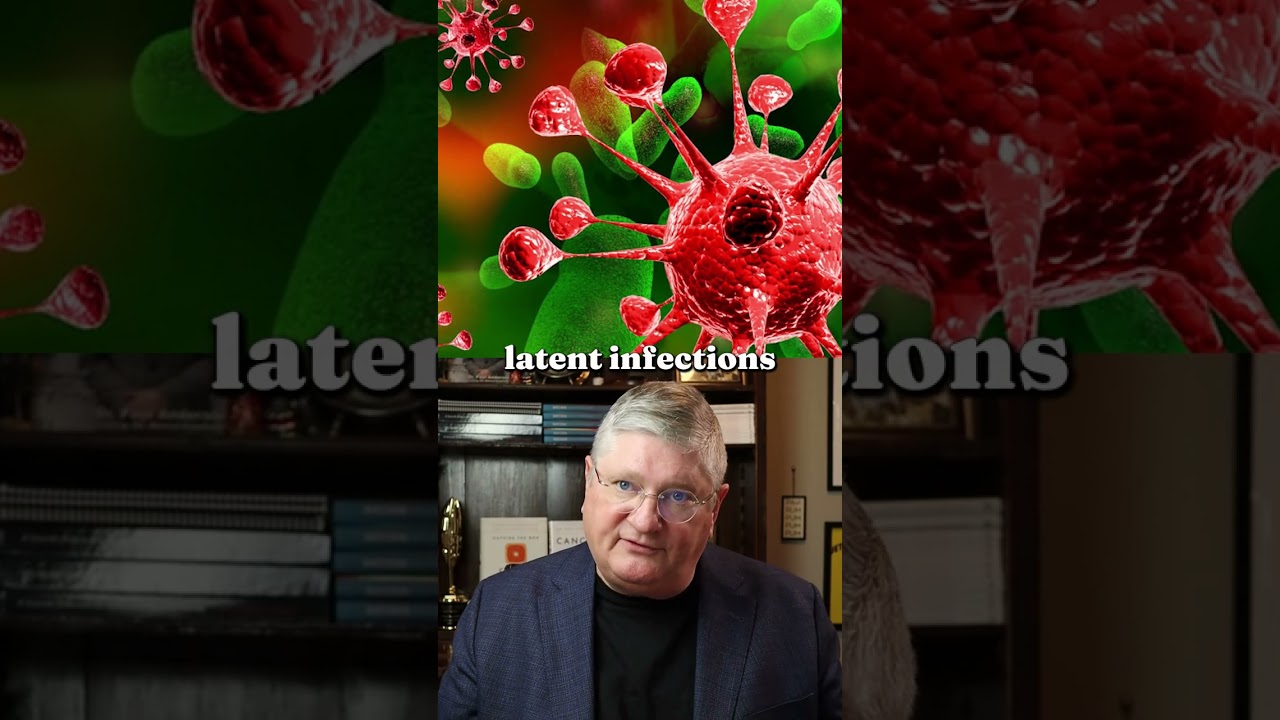
Most people think MCAS has simple triggers, but mast cells become hyperreactive through many pathways. Chronic infections like long COVID, Epstein-Barr virus, and Lyme disease are major drivers that sensitize mast cells and spark symptoms. Clinicians need to evaluate all contributing factors, not blame one cause.
Chapters
So the next thing that gets misunderstood is there's lots of pathways into triggering mast cells and making them more hyperreactive. So what are those things? Well, they can be all over the map. So when we're assessing, looking at a mast cell patient, we have to look at all of these factors that feed in. So one of the factors would be chronic or latent infections. Now, in recent history, if you're listening to this in 2024 or 2025, we've had COVID. Now there's long COVID. A lot of people in long COVID develop mast cell sensitivity, mast cell activation. Well, it's the same with Epstein-Barr. It's the same with Lyme complex. It's the same with many, many other chronic infectious illnesses.