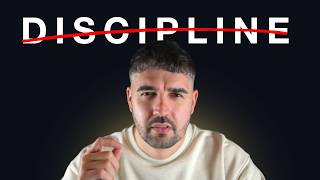
Michael Elliott argues that real productivity comes from systems, not discipline. His seven rules: keep a not-to-do list, engineer your environment for focus, make yourself hard to reach, treat AI as a team member, design systems that work under pressure, track visible wins, and iterate fast to kill bad ideas quickly.
Chapters
I don't wake up at 5am, I don't meditate, and I certainly don't do cold plungers. But I still out produce people who do all three. Because productivity isn't about discipline, it's about precision. And once you see this, you won't plan your day the same way ever again. If that caught your attention, here's why. Most productivity advice is built for people without real constraints. This video is for people like you and I, who actually have them. I'm going to walk you through seven rules that I use to design, focus, protect energy, and ultimately compound your output without burning out. No hacks, just systems. Let's go. Rule number one. Clarity beats discipline. If you feel busy all day but nothing meaningful is happening, the needle isn't moving. That's not a work ethic problem, it's a decision problem. Most founders spend their time reacting. Emails, messages, ideas that sound important, but they don't actually deliver anything. I did the same until I flipped the model. I run a not to do list daily and I'm ruthless with it. If something doesn't move, profit, reduce friction, or sharpen the system, then it is gone. You don't need more discipline, you need fewer decisions. Rule 2. Focus is built, it's not found. Listen guys, I don't have a calm brain. I have an ADHD brain. It probably sounds familiar to you. As an entrepreneur or successful individual. My brain is fast, scattered, always on. So I stopped trying to fight it. I gave up the fight. I built an environment that actually fought, forced it to focus. The same chair, the same setup, the same playlist, exactly the same time. Those cues tell my brain exactly what mode it's in. It doesn't require motivation anymore. The rule is, don't wait for focus. Design it yourself. Rule number three, Be hard to reach, easy to trace. If you are always available, you are never strategic. Access is expensive, or it should be. Most people give it away for free. My notifications are on off. My calendar is controlled. If you don't pay me, work with me, or live with me, you have to wait. Not because I'm important or because I'm special and think that I'm, you know, my time is more invaluable than yours. It's because the work that I do requires uninterrupted thinking. Just like you. Your inbox is a to do list written by other people. Stop letting them ruin your day. Rule four, Context is king. Train your tools. AI isn't a shortcut, it's a mirror you. If your inputs are vague, your Thinking is fuzzy and your brief is half baked. What do you think the output will be? Your output will be the same too. I treat tools the same way that I would treat a new employee or people on my team. I give it clear instructions, defined outcomes, type feedback loops. Whether It's Google Ads, Make.com or ChatGPT, it doesn't matter. Performance comes from training, not magic. AI isn't smart, it's obedient. And if you don't train it properly, it will expose you. Rule 5 Systems that hold under pressure I. I didn't learn systems from books. Neither will you. You'll learn them when things were messy, right? Chaos forces efficiency. Pressure exposes waste. That's where systems matter. Not when life is calm, but when it isn't. That's why everything I build is designed to hold under load. When attention is scarce, when stakes are real, it has to hold. And you have to ensure that. If your system only works on good days, it's not a system. Rule 6 Show yourself the wins. This is really important for people like you. Because most founders don't burn out because they are failing. They burn out because they can't see what is working through the mist. When progress is invisible, doubts fill the gap. So I make progress. Obvious dashboards, scoreboards have a mental scoreboard. Clear signals, not vanity metrics. Actual outcomes. Momentum isn't a mindset, it is a metric, so use it as such. Rule number seven Speed is your edge. Speed isn't about moving quickly. It's about how long you're willing to to stay wrong. Most businesses do not fail from bad decisions. They fail from keeping them for too long. I move quickly so bad ideas die early and good ones get oxygen. Short cycles, real feedback. No waiting to feel ready. The real cost isn't moving fast. It's being slow to admit what isn't working. Which of these rules landed with you, resonated with you the most? Drop it in the comments I read and reply to all of them. Hustle is how you start, but systems are how you scale. If you're ready to stop reacting and start operating, then watch this video here. No fear, just execution. I'll catch you in the next one.