How Dave’s Hot Chicken sold for $1 Billion
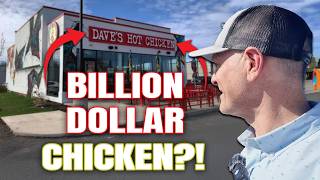
Three LA friends turned a $900 parking-lot hot chicken stand into a $1 billion company by 2024. They nailed a pickle-brine recipe, went viral after a food writer featured them, then franchised aggressively starting in 2019. Roark Capital's acquisition delivered a 1,111,111-fold return on that original $900 investment.
Chapters
So this Dave's Hot Chicken story that came out this week is pretty insane. Um, turns out these 3 friends, uh, from LA basically in 2017 found a restaurant, invested $900, uh, to get it going, and then just this week exited the whole thing for $1 billion. So 7 years basically, and they turned $900 into $1 billion via this restaurant that a lot of us are getting familiar with, Dave's Hot Chicken. So why the hell did this thing sell for $1 billion? I guess that's one of the things we'll figure it out. And the way I'll explain how this all went down was by telling the story of how Dave's Hot Chicken came around and became a thing. Literally, these dudes look like they just walked out of a bar, like just insane. Now they sold their company for $1 billion. Hey, my name is Michael. I'm a business nerd. I make content for people that are aspiring business owners or own businesses. If you're interested in that kind of stuff, do me a favor. click like or subscribe on whatever platform you're watching this on. It helps the algorithm and it'd make me feel better about my life if you did it. So basically the story starts with these 3 childhood friends who saw something happening in Nashville, which was this kind of hot chicken thing that we're starting to get familiar with. It was becoming a trend. If there's a place that loves trends, it's Los Angeles. So these guys are pretty smart and I think this is one of the very first smart things that they did, which was they didn't go out and try to create something from happening. They saw that people across the US were kind of turning towards wanting to do this hot chicken and eat this Nashville-style hot chicken. It had legs and it was going to go somewhere. So they wanted to strike while the iron was hot and get into this kind of hot chicken game and bring it to LA. But this guy right here, he was kind of the holdout. So of the three friends, uh, he's the one that matters the most because he's the one that's a trained chef. So they actually had to convince him— his name's Dave, I'm not going to say his last name because I'll butcher it— but they had to convince him that this was a good idea. And then once they got him involved, that was kind of the second smart thing they did, which was They realized they were gonna have to have something that was pretty special in terms of food, and a trained chef is critical to make that happen. The next thing they did was realize this whole game about creating something new that was kind of, kind of be innovative was they had to come up with a really good set of recipes that were gonna be kind of special. So instead of going out and maybe making stuff like everybody else did, or copying some of the Nashville recipes, they actually went to their kitchen and spent months figuring out kind of an optimal recipe for this whole thing. And they tried all kinds of crazy stuff. They were even throwing gummy bears in the recipe. To try to make it like a thing. And they came up with the recipes that were actually good for two reasons. One is it was a bit differentiated that they started to like brine the chicken in pickle juice. And they did something really smart at this point, which is they put together recipes that were pretty simple to like execute on with kind of normal ingredients. They weren't coming up with like weird LA stuff that was gonna be hard. It would be stuff that like could scale and like everywhere you can get pickle juice. So like pretty smart decision in terms of doing that. In the end, they ended up with something that just like Chick-fil-A, like people loved, which is a great thing. So normally at this point, like, restaurateurs would go borrow money from friends and family, like go rent a space in the mall, kind of do all this kind of over-the-top stuff. But these guys did something smarter than that. They went and just pooled together the money they had, and they spent $900 to go do a pop-up. And they just started like going to places where it was like cheap and they could afford to set up. And they did this all— like, the, the $900 like went on folding tables and like a tent and a portable fryer, uh, and they just started to operate like a little booth from a parking lot. Rather than investing a bunch of money, they went out and tried to like rush to customers like as quickly as possible and start to get like, well, basically feedback from the market so they could see if it was going to work or not. And look, these guys were so bare bones early on, they didn't even have like the ability to take credit cards. Like they were cash only. And, uh, don't tell anybody, they didn't even have a business permit, which you're required to get a business permit if you're going to sell food to the public. Like just total ninjas, like in terms of approaching stuff. And look, the, the first night went really crappy for these guys. They ended up, uh, only selling $40 worth of chicken. But then like most stories that turn out really well, they ended up with a lucky break and a food writer from an LA magazine came by and gave the guys a chance and checked it out and wrote about the chicken and how good it was and all this kind of stuff. And the next night, like that was their lucky break. They had 70 people come through their little booth and, uh, and buy chicken from them. And this is where, like, luck plays a factor in every entrepreneurial journey. Uh, because of this, they become one of those buzzy things in LA. Like, people are driving across town for hours and waiting in line for hours to just try the chicken and enjoy it so much. Um, and within a few weeks, these guys had turned their $900 into $10,000 in each of their pockets. Like, this was more money than these guys who were kind of, you know, broke friends from high school had kind of seen in their entire lives. Like, suddenly, like, success had just dropped on them. And this is where they made, like, another really good decision. So if you're looking at, like, how chicken restaurants are advertising now, like Raising Cane's, Chick-fil-A, like, they are all over everything from Super Bowl ads to, like, billboards. But what these guys did was say, hey, like, we're buzzy, we don't have that kind of money anyway, so, like, let's figure out how to build a cult following around Dave's Hot Chicken. So they actually just focused on social media and, like, just tried to create connections with their kind of early fans. In the end, like, you talk about how to get a business off the ground, you know, a lot of people start focusing on how do I get my first million customers, or even my first 10,000 customers. Uh, but what these guys did was really smart. They just said, okay, we're going to worry about our first 1,000 customers. We're going to deliver chicken to them— in terms of deliver it to their mouth, not deliver it to the house, they had to come buy it— um, that they're just gonna love. And then hopefully they'll go tell their friends how amazing it is, and the word of mouth will be more powerful than any Super Bowl ad we could possibly buy. And this is where they decided to go take their first big risk. A year into the whole venture, uh, you know, you can't go this long without a permit from the health department. Uh, you can't go this long without having, you know, kind of a level of permanence. Uh, you're going to get busted at some point. So the trio took their money, they brought on a fourth co-founder, one of the guy's brothers, and decided to go open their first permanent restaurant and really do this thing that I think is really smart in entrepreneurship, which is you start with small bets, and then as those work, then you make incrementally bigger bets on top of those. And at point, confident that they had something that really people wanted, they went and re— they went and leased like a full-on brick-and-mortar kind of restaurant and put that money that they had earned in terms of betting even further on furthering, you know, the Dave's Hot Chicken concept. And so the bet here, and the big question was, would people still love Dave's Hot Chicken? And well, they did. Like, it was great. And this is where the four of them did something just as smart Um, and if you look through this, like, they deserve their billion dollars. Like, these guys were making smart decisions almost at every inflection point. And I've talked about a few of them so far, but they made another smart decision, which was you look at the success of food chains like Chick-fil-A, Raising Cane's, In-N-Out Burger. Like, what do they all have in common? They just do a few things, or even one thing, just incredibly well. Like, Raising Cane's is one that just does chicken fingers. Incredibly well. And so these guys decided to just stay just as simple and just as focused as kind of California favorite In-N-Out Burger. Like, we're just going to be really good at that one thing. And so they decided to keep their menu super focused and super simple. And so everything is there is based on chicken tenders, sliders, and then a few core sides, mac and cheese, whatever, coleslaw. And like, that's what they do. And, and that is a huge benefit if you're a restaurateur or in business in general, is you just say, I'm going to focus on this thing and I'm just make sure we do this one thing really well. And then you don't have to worry about getting distracted affected by a whole bunch of other stuff. Because when you bring on a whole bunch of other stuff into your menu, that's just a bunch of other stuff that can go wrong. And look, this came into the market at just the right time, which is right now consumers are hungry for authentic stuff. That's a pun intended. Like, authenticity matters. And just showing up the way these guys did, focusing on a few things— like, when you're not complex, when you're simple and just say, here we are, this is what we're doing— like, that is super valuable in terms of, well, communicating to the clients and customers that you're just who you are, right? And that's what customers are hungry for these days in a world full of kind of fake stuff sprayed at us from all directions and from the internet. And look, these guys, if you look at the numbers, after the first year it was absolutely crazy. They did $5 million in the first year, like just absolute insane numbers. Like that would make it like up there with like one of the top kind of like a typical Chick-fil-A, which is just like amazing and better than your typical McDonald's. Like these guys are creating something very special just and it had gone nuts like in the first year. And this is where they made yet another really smart decision. These 3 guys, like, you could tell reading the interviews from them and, and looking at the pictures of them, even like, they're super aware of what they're good at and what they're not good at. And they started to bring on folks around them who would be the right folks to kind of take this thing into a kind of the next level of Dave's Hot Chicken's growth. And they brought in a bunch of big names to invest in the company in 2019 to grow it further, uh, names like Samuel L. Jackson, uh, backer Michael Strahan, or linebacker Michael Strahan for the New York Giants. Uh, you know, a guy that owns the Boston Red Sox, like they all kind of joined in this thing. So that was good. You got this kind of cachet of the whole thing. But then because they recognized their own limitations, they brought in a guy who understood scaling and growing restaurants. And this guy, Bill Phelps, who had been a longtime entrepreneur in the restaurant and quick service space, like he came in and joined the team and Like, this was just so smart in terms of them doing this because I think the best entrepreneurs really understand what they're good at and what they're not good at. And then they go find the people to complement and fix the things or address the things that they're not good at. And that way they can have a complete team that can go out and win. And then later in 2019, they made another great decision, which was, okay, we have a couple paths of how we can grow this restaurant. We can go and raise a bunch of money and we can run the restaurants ourselves, kind of the way Starbucks runs all their restaurants or Chick-fil-A. Well, not Chick-fil-A, but, um, another, a number of the different chains they run all the restaurants themselves. In-N-Out Burger is a great example. Like, those are— they don't franchise or any of that kind of stuff. Or they could grow quickly the way other restaurants have grown quickly, like McDonald's, Burger King, you know, um, the like of those types of folks. Like, you can franchise that stuff out. And this is where they decided they were going to go all in on the path of becoming a franchisor, um, and that's how they were going to achieve world domination. And they went out, and very quickly, because of the heat and the buzz and the star-studded nature of the people they brought in and the caliber of the executive in terms of Bill, like they went out and sold over 1,000 different locations of franchisees in order to grow the thing really fast. Like, just unheard of uptake in terms of somebody building like a franchise like this. And the beautiful thing about that is when you're a franchisor, like, you can not have to raise a bunch of capital, um, and you can still go really fast. And the reason is, is because the other entrepreneurs who are your franchisees, who become your partners basically, like, they bring their own capital, know-how, and locations. And basically then you can partner together and, well, basically grow really quickly. And look, there was still a problem at this point with Days Hot Chicken. Like, uh, there is a whole segment of the market in terms of kind of younger folks that weren't reached by any of the names I've talked about so far. Like, the founders are not super young guys. The CEO is not super young guy. And a lot of those names, like Samuel L. Jackson, not a young guy. So something pretty cool happened, which was Drake the rapper, like, discovered the brand and he got involved and basically decided to invest in the company. So suddenly you could see what they're doing here, which is just super smart. Like, suddenly they're creating a place in which not only is this a brand that appeals to kind of hipsters in LA and older folks, but now younger folks, uh, in theory are going to be brought in by kind of the Drake cachet. Fast forward to 2023, like, the chain surpassed $600 million in annual sales. That was 57% growth year over year. Just absolutely incredible for, like, a chicken place. Like, absolutely nuts. And the cool thing about being a franchisor is, like, you're not getting— you're not spending much money to like become a franchisor. Like people are paying you percentages of sales and fees for being part of your franchise system and for using your brand and using your recipes and all that kind of stuff. So basically, like the cool thing about being a franchisor and the reason people love being in that business is like it doesn't require much capital and your profits are immense. And so they're growing so quickly, doing $600 million a year in revenue, growing 57% year over year, and like just spewing cash and profits, like just an incredible kind of story. And so fast forward to today and the announcement that just happened. Roark Capital, which is kind of this private equity firm that buys franchise brands, runs them and scales them, uh, they came in and they spent $1 billion to buy the brand from the founders and the early investors. Um, so you just, it's just amazing that they've gone from a $900 investment to a billion-dollar exit in just over 7 years. Just absolutely crazy. So I think, you know, to recap kind of the lessons I've shared in this video, telling the story, like number one, like find a wave and ride that. Like I've seen businesses that are fighting trends. Like you want to be riding a wave and these guys did it with this Nashville kind of style hot chicken. Super smart. Number two, like start small and make incremental bets. Like, uh, as opposed to other folks who would go like rent a restaurant and spend all this money and maybe get into debt to open the restaurant. Like they started small and focused on what really mattered. And that was lesson number three. Like you notice they spent months perfecting their recipes before they went out and actually tried to sell any of it. And it went to the core of what makes a restaurant like this great, which is like a unique product done incredibly well. And they hit on it, and it just turned out to be genius. So, um, I love this story. This is why capitalism is awesome. And, uh, so happy for these guys. You just can't not root for folks like this when stuff turns out super well. So let me know what you think about this in the comments below. Do you like Dave's Hot Chicken? Catch you later, and, uh, let me know in the comments below. Bye.










