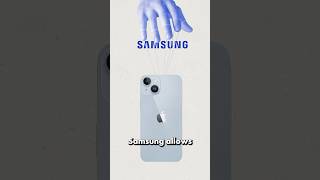
Samsung grew from a 1938 Korean food company into a conglomerate that supplies the chips inside iPhones. The company made three strategic shifts: mastering logistics under Japanese occupation, building post-war infrastructure, then dominating electronics and semiconductors. Today Samsung both competes with Apple and manufactures the microchips that make iPhones possible.
Chapters
iPhones only exist because Samsung allows them to, and here's why. It's 1938 in Korea, and the country is still under Japanese occupation, and getting basic stuff like food is a real struggle. And this guy, Lee Byung-chul, wants to help, so he opens up a company called Samsung. Now get this, their first products have nothing to do with tech. They're actually noodles. But Lee is extremely strategic because he's not just selling noodles, he's mastering logistics. He learns how to ship goods across Korea, ensuring that essential items can reach everybody. So Samsung, the food company, is killing it. And after World War II ends, there's a huge demand for infrastructure. Samsung pivots to building factories that help provide clothes across the country. And Samsung is killing it again. So the 1960s hit and Samsung makes a huge pivot, this time to electronics. They start small, producing black and white TVs, but the real breakthrough comes when they pivot to semiconductors. They invest big in microchips, which are the brains behind all modern technology. Fast forward to the 2000s and Samsung is ready to take on the smartphone market. But here's the kicker. Not only is Samsung competing with Apple, they're also supplying their key components like microchips.