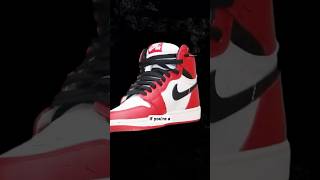
In this YouTube commentary, the speaker argues that Nike’s decline in product innovation stems from a strategic shift that began around 2020 when new CEO John Donahue, an MBA from eBay, reorganized the company around consumer segments (men, women, teens, kids) rather than sport-specific divisions. This restructuring dissolved deep sport expertise, leading to a focus on repeatable, low‑risk releases and massive share buybacks ($18 billion) while cutting product development spending ($11 billion). As a result, Nike’s marathon‑shoe market share fell from 66% to 37%, and competitors like Hoka and On Running captured growth. A former Nike designer is quoted saying Nike turned from a product company into a marketing company. The speaker concludes with a broader business lesson: outcomes are driven by how teams are organized and incentivized, urging owners to align structure with desired results. A longer video is linked for deeper analysis.
Chapters
Nike's last major shoe innovation happened nearly a decade ago, back in 2017, which is crazy considering they were the company that basically invented and popularized the running shoe in the United States. But it turns out one decision they made around that time basically explains the entirety of why they failed to keep up with what the market wants. For decades, Nike was a company that was organized around the type of activity you had— running, basketball, swimming, volleyball, whatever. There were people who deeply understood those sports and organizations that lived and breathed them every single day. The group that created the Vaporfly, they were obsessed with breaking marathon records. And the same thing would happen in all these other divisions. You want the best basketball shoe popular? It's not gonna be done by somebody who's a generalist. Somebody who loves the sport and lives it every day. When Nike hired a new CEO in 2020, they took this to the extreme. The guy's name was John Donahue. He was an MBA who focused on digital transformation. He hadn't come from the industry. He came from eBay. And what he did was reorganize the whole company around customer segments. Men's, women's, teens, kids. And so nobody owned things like running or marathon anymore. Suddenly it was just somebody whose job was to sell more crap to kids or women. And so those people started to just repeat the things that worked, cuz they didn't really understand their consumers. So they started to bring out reissues of things like Air Jordans and Dunks. Thing is, if you're a bean counter during this time, Nike was able to spend $18 billion on share buybacks, basically giving money to the shareholders. Meanwhile, they only spent $11 billion developing new products during that time. This would have been fine except upstarts were coming. Guys like Hoka and On Running were coming in and releasing new and better stuff that was totally tempting to the types of tastemakers who were out running marathons and looking like badasses. Heck, I watched my friend group go from wearing Nikes almost exclusively to buying all these off-brands, and that's exactly what happened in the sales too, some going up by 3, 4, or 5x during this period of time. Meanwhile, Nike's market share in Marathon shoes went from 66% to 37%. Interviewed later, one former designer of the company said that they went from a product company that made great products and marketed them to a marketing company that just happened to sell products. The lesson here is that if you want to see what the results are going to be, you just look at how people are organized and where they're incentivized. And in this case, Nike organized itself to generate as much cash as quickly as possible. The problem was they mortgaged their future to do it. And for us as business owners, think about first what you want your outcome to be, and then figure out how to organize your people to best reach it. That's the way to get there. I did a long-form video on the rise and fall of Nike and lessons from it. If you want more like this, click on the link in the comments below.