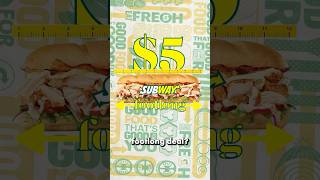
Subway's $5 footlong launched in 2008 during the recession and drove massive sales, but franchisees operated at break-even or lost money. When costs rose and Subway raised the price to $6, customers fled, franchisees went bankrupt, and the chain never recovered.
Chapters
Remember Subway's iconic $5 footlong deal? Well, it's putting Subway out of business. Here's why. Let's rewind to 2008 and the United States is in a serious recession. So Subway's sales are tanking and they need a way to get people back in the door. Then they release the $5 footlong. It's an instant hit. Hundreds of millions of dollars flood into Subway, making it one of the most successful fast food promotions in history. $5 footlong! But here's the thing. Subway was losing money on the deal. So franchise owners are barely breaking even or worse, operating at a loss. Except Subway corporate, well, they don't care. They create the deal to drive traffic, not to make money. And it works for a while. Subway sales skyrocket by billions and they add hundreds of new locations to become the largest fast food chain in the United States. But as ingredient costs go up, the $5 footlong started to hurt the brand more than it helped. Subway can't afford to keep it going. When Subway finally caves and raises the price to $6, customers revolt. Sales plummet, franchise owners start going bankrupt, and Subway's once unstoppable expansion comes to a screeching halt. Today, Subway is closing more stores than it's opening.