The rise and fall of Bud Light: Inside the $27 billion brand crisis
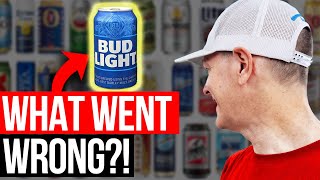
The video chronicles Bud Light’s ascent from a modest light‑beer offering in the early 1980s to the dominant U.S. beer brand, then dissects the cascade of strategic, cultural, and market forces that led to its dramatic decline and a $27 billion loss in market value by 2024. It begins with the 1970s health‑conscious shift that birthed light beer, Miller Lite’s first‑mover advantage, and Anheuser‑Busch’s eventual successful positioning of Bud Light as a fun, every‑man beer through iconic ads (Spuds McKenzie, Real Men of Genius). The narrative moves to the 2000s, when massive marketing spend, sponsorships, and a broad‑appeal strategy kept Bud Light at the top of a near‑50 % U.S. market share. The story then details the headwinds that eroded that dominance: the 2008 AB InBev takeover and ensuing cost‑cuts, the explosion of craft breweries, declining per‑capita alcohol consumption, and the fragmentation of media that weakened mass‑market advertising. In 2023, new VP of Marketing Alyssa Heinerschmid pursued inclusivity by partnering with transgender TikTok influencer Dylan Mulvaney, triggering a culture‑war backlash, social‑media boycotts, and a rapid sales plunge (36 % drop in three weeks, $395 million Q2 loss). Subsequent attempts—rebates, UFC sponsorship, “manly” ad campaigns, and layoffs—failed to restore market share, and Bud Light fell to third place behind Modelo Especial and Miller Lite. The video concludes with a broader lesson: brands that neglect their core customers and stray from a clear, customer‑delight mission risk catastrophic crises.
Chapters
At its peak, Bud Light had nearly 20% of the United States beer market by itself, which was nearly double its closest competitor. But in 2023, it took just one Instagram post to trigger the loss of $1.4 billion in annual sales for it. And since then, it's never recovered. And a lot of you saw what happened in social media and the news in 2023 that supposedly caused all this. Well, it turned out the story was a lot more complicated than it let on. This video is the rise and fall of Bud Light. By the way, I made this video in partnership with my company, Near. More on them later. In the 1970s, people were changing their attitudes. They were starting to equate thinness to attractiveness and health. Jane Fonda's workout videos were selling millions of copies. People were joining gyms in droves. They were jogging. Eventually, 50% of Americans would report that they were trying to actively cut calorie consumption. In this changing world, beer had a problem. A regular beer was about 150 calories and was known to give you a quote-unquote beer belly. Beer makers had responded by trying to create quote-unquote diet beers with names like Genglinger's Diet Beer and Meister Brau Light, but none of them worked. Those products were considered to be, well, not manly enough for your typical American beer drinker back at that time. Then in 1975, Miller Brewing figured it all out and changed everything by releasing Miller Lite. The secret was they made Miller Lite manly, and they did it by associating it with famous sports icons. This one innovation, Miller skyrocketed from a distant player in the beer market to number 2 overall in just a few years. Industry number 1, Anheuser-Busch, maker of Budweiser, well, they responded with their own answer. Things like Michelob Light and Natural Light, but none of them really worked. Until in 1982, Anheuser-Busch released Bud Light nationally, and it was an instant hit. The genius for Bud Light was its positioning. It was as classy and manly as Budweiser, but it was just its little brother. Anheuser-Busch's early ads for Bud Light featured sports stars, and the message was clear: Real men can drink light beer too. But being first has a lot of advantages in most markets, and Miller Lite had been there first, and they owned and had defined the category. In business, this is often called a first mover advantage. You get advantages from being first when you're new to a market, and in this case Miller Lite had them. And it's tough to dislodge those people and beat them because of those advantages unless you have a lot of patience and a lot of money, which Anheuser-Busch, well, had both. The Bud Light team kept at it for a number of years throughout the 1980s and didn't really figure it out. Then in the 1990s, well, they found their voice. In the 1990s, the Bud Light team started to run funny ads, things like, uh, Spuds McKenzie, the party dog, and And famously, the "Real Men of Genius" radio ads. And these were plastered all over everything, including the Super Bowl. And for a reason I'll explain in a minute, these things became not just advertisements, they became cultural moments, things that people now even still remember from way back then. Most importantly, these ads made Bud Light synonymous with fun. And fun is something that is a universal thing that everybody likes. So if you liked fun, well, you needed to like Bud Light. And it turns out a lot of people did. Spuds McKenzie ads, you know, the little dog, uh, in 1987, they famously sent Bud Light sales up 20% in that year alone. And ironically, in doing the research for this video, uh, I learned that Spuds McKenzie, well, the dog was female. Wasn't even a boy dog. Crazy. In 1994, Anheuser-Busch had pulled it off, at least in their category. Bud Light finally became America's top-selling light beer. Then in 2001, keeping at it again for another 8 years, Bud Light surpassed big brother Budweiser to become America's number 1 overall best-selling beer. It had taken 20 years and hundreds of millions of dollars in advertising, but they'd done it. And Bud Light wasn't gonna stop. It kept growing into the 2000s because the demographics and the trends, well, they were perfect for Bud Light. Baby boomers were aging and becoming more health conscious. Gen X valued fitness, and everybody was working their ass off. Working super long hours. Light beer fit the lifestyle in the pre-internet era. You could work late hours, go to happy hour, and still be ready to work bright and early at 6:00 AM the next day at your desk. Bud Light kept the train going by paying to be seen everywhere. NFL, college campuses, NASCAR. If it was out there, they were paying to have their name on it. They were truly egalitarian beer, one for everyman. College campuses, weekend warriors, Hard workers, old people, young people, college kids, blue-collar workers. They tried to reach everybody because everybody liked fun. It worked. By the late 2000s, Anheuser-Busch, amongst this brand of Bud Light, Budweiser, and all their other ones, had utterly dominated the beer market. They had nearly 50% market share in the United States. They did it. And it was at that moment, at their peak, well, that's when everything started to unravel. First thing to go wrong was in 2008, a Brazilian Belgian conglomerate called AB InBev launched a hostile takeover for Anheuser-Busch. The Busch family, who only owned 4% of the company at about that time, well, they had no power to stop the $52 billion deal. August Busch IV, the last family CEO of the business, had ironically told distributors in April of that year that it would be no way, no how under his watch that the company would be sold, especially to foreign investors. And then a few months later, it was. Ironically, this is one of the funny things the business owners say routinely when they're talking about selling their business is, "Oh, they don't need to shop for the highest price. They wanna get the best deal, longevity, all that kind of stuff." And almost inevitably, they end up going with the offer that pays them the most. It's just human nature. The new owners led by CEO Carlos Brito, well, they were highly focused on cost cutting and efficiency, and that's what they did. InBev famously first cut over $300 million from marketing budgets, But see how brands like Bud Light are built on big marketing budgets? Well, if you don't keep spending, those things become a risk. And that would prove to be something that would come back to haunt them later on. The new owners also laid off over 5,000 people in St. Louis alone. Uh, and that was something that was widely covered in the news. I remember at the time being at parties and people were talking about how Budweiser wasn't actually really an American brand anymore. Though looking back on it, it was kind of ironic discussion because these foreign owners were taking the brand and doing kind of the most American thing to it possible, which is maximizing the operations to make as much profit as they could. Meanwhile, the entire beer market, well, it was changing dramatically. Starting in 2010, Bud Light's share went from over 19% down to 16%. Craft beers, Mexican imports, and health-conscious options started to gain ground on the beer. Younger drinkers weren't connecting with Bud Light's corporate and cookie-cutter image. And this is partly driven because in the 2010s, another trend was coming, and this was the massive fragmentation of brewing. In 2010, in the United States, we had just under 2,000 breweries nationally. By 2020, that number was nearly 10,000, a nearly 400% increase. People at the time wanted more beer choices and more flavor. Millennials in the 2010s had reached their peak drinking age, and they wanted something more uniquely them and something they could socialize around. And boomers were getting older, and they had tons of cash to deploy in investing in these small breweries around the country. So suddenly Bud Light was competing against an explosion of beer choices, many of which were local, unique, run by people's friends. All the while, Budweiser had slashed the marketing budgets. But wait, there were more headwinds. You see, per capita consumption of alcohol, it peaked in the 1970s and it has never returned. From 2003 to 2020, the share of 18 to 34-year-olds who said they drink alcohol regularly went from 72% to just over 61%. Gen Z is drinking 20% less alcohol than millennials did at the same age. Many Gen Zs say they're trying to reduce alcohol consumption completely. Actually, 64% of them say that. And many of them tell me personally, they think alcohol is poison and they don't drink it at all. Whereas getting alcohol and getting drunk and going out of your sorts was cool to Gen X and baby boomers in your 20s and teens, it's not cool anymore to the current generation. In 2023, non-alcoholic spirits drinks and that sort of thing were up 31% in year-over-year sales. Here was Bud Light in a category that was not just shrinking, it was massively under attack by how the new generation thought about alcohol in general. But wait, things get even worse for Bud Light. Technology was coming for it as well. In the 1990s and 2000s, Bud Light could run its play of all this mass advertising and branding because everybody watched the same shows. Everybody watched the Super Bowl. Everybody watched the Seinfeld finale. This was the era of what's called the American monoculture, when everybody was watching and reading pretty much the same stuff because we didn't have much choice otherwise. Anheuser-Busch could spend hundreds of millions of dollars to outbid everybody to plaster their stuff all over the NFL, the NHL, MLB, nighttime TV. If it was out there, they could own the space and nobody else could gain market share. But that whole playbook started to break down in the rise of the internet era. Cable TV, those subscriptions peaked in 2012 and have gone down 40% ever since. And the average viewer watching cable TV, they're not the young people. In 2005, a Super Bowl ad could reach 90 million people watching the show. Today, that's virtually impossible given the fragmentation and streaming services, YouTube, and everything else that's online. So if you're a brand trying to own the mass market like Bud Light did, well, it's kind of impossible to create a mass market brand when the mass market is unreachable. By the early 2020s, there's a shrinking market, fewer people drinking, harder to reach customers, and well, things were looking pretty bleak for Bud Light. And by early 2023, Bud Light was still number one, but it was bleeding market share year after year. And sometimes companies worry about market share much more than they worry about sales numbers and especially profits. And that's the mistake that Bud Light made next. And so all of these headwinds and all of these ways of looking at their business meant that by the early 2020s, Bud Light was basically a powder keg just waiting to explode. And an unfortunate match was about to unknowingly wander into the picture. Enter Alyssa Heinerschneid, who was hired as Bud Light's VP of Marketing in 2022. But before we get into that, let me give you a short pitch about a company that I co-founded called Near. It helps American businesses hire great talent in Latin America. If you're interested in hiring from places like Argentina, Colombia, Brazil, It's a great service for you. Besides the obvious savings where you can do 60 or 70% off US salaries, Latin America is the best experience of overseas hiring I've ever found. It's a great culture fit, there's no language barrier, and they're in the same time zone, which matters way more than you think. They're just part of the team in the day-to-day and not second-class talent. I've hired dozens of people through them and the talent is just awesome. Huge businesses have been outsourcing entire departments to Latin America for decades, and Near lets you do the same no matter your size. They just placed an 18-person team of sales reps at a big company here in Texas, and that group of people added $20 million in annual recurring revenue quickly. Or they're happy to just fill a single seat if that's all you need. I've hired dozens of people through the company— accountants, sales reps, everybody in between, engineers— and I encourage you to check them out. There's a link in the description. Now back to our story. Leslie said on a podcast, and I wrote this down because I wanted to say this in a video, she said Alissa said, "The brand is in decline. It's been in decline for a really long time. And if we do not attract young drinkers, there will be no future for Bud Light." She described Bud Light's past marketing as "fratty," quote unquote, and out of touch, saying the brand needed inclusivity to survive. With this mindset, her idea to grow the brand's reach was to partner with influencers to try to reach the consumers who, well, therefore had been, uh, well, basically unreachable. And one of those influencers was named Dylan Mulvaney. Dylan was a famous TikTok influencer with over 10 million followers at the time who had been doing a daily series documenting her gender transition called the quote unquote Days of Girlhood. On April 1st, 2023, Dylan launched the campaign in partnership with Bud Light called the 365 Days of Girlhood, featuring the custom Bud Light cans that they had produced with her face on the front. And you can see why the company would think this was cool. This is the type of influencer product match that is done all the time. A lot of times when you see a famous celebrity talking about a product, it's because they get paid to do it. It's pretty normal. And it was normal for the company to think this one would go off like the thousands of other ones that happen every other week online. But it turns out beer is a very different beast in American culture. Your beer choice signals a lot of things to other people in society. Signals your cultural values, your social status, and it does so instantly and visibly by what you're holding in your hand at a party. Drinking a $9 IPA stereotypically says, "I'm urban, educated, professional, and I care about craftsmanship." Type of person that lives in Brooklyn and cans cucumbers on the weekends. And Bud Light was historically a beer that said, "I'm a fun-loving, hardworking, regular person American." Beer is also a regional thing. People taking pride in their hometown beers. It is also sometimes a manly thing, and it often, accompanies a number of life's most important rituals. Sports games, barbecues, family reunions, uh, or kind of one of the seminal things, your first beer with dad. And until this moment, Bud Light had positioned itself as unpretentious, unsophisticated, no fancy vocabulary needed. Bruno Mulvaney had suddenly stopped the beer from being an everyman's beer. Suddenly it was a beer taking a position. So Budweiser, kind of without realizing it, had wandered themselves dead center into the crossfire of the American culture wars that were peaking right around 2023. Within 48 hours, the video went absolutely viral, but not in the way Bud Light had hoped. First many of us saw of this was an April 3rd, 2023 video of Kid Rock with a submachine gun in Michigan shooting up cases of Bud Light with a MAGA hat on saying, "Fuck Bud Light." Video got over 20 million views in just a month. and it spread to other Anheuser-Busch products as well. Country stars like Ted Nugent and Travis Tritt, they basically pulled their products totally from their tours. Florida Governor Ron DeSantis, like most politicians never missing an opportunity to weigh in, declared that this was a quote-unquote way that woke companies were trying to change our country. Bud Light, well, didn't really know how to respond. They went quiet, and in the first 3 weeks, they lost over 100,000 Instagram followers. The message that many heard was that Bud Light thought that they were, quote unquote, out of touch, and they would prefer if they bought a different type of beer. In effect, they had alienated a huge percentage of their customer base by suddenly becoming political, which is ironic because Anheuser-Busch had successfully played both ends of the culture wars for years. In 2021, they had previously received an award of a perfect score for transgender equity in the workplace, and they had previously partnered with transgender athletes. At the same time, in 2021 and 2022, they donated over $350,000 to anti-LGBT politicians across the country. So at the moment, this whole social media problem was a disaster, but also explains why Anheuser-Busch struggled to know how to respond. Suddenly their whole strategy, well, they weren't doing it anymore. On April 21st, the first to take the fall were Heinerscheidt and her boss. They were both placed on a quote-unquote permanent leave of absence, which is a kind way of saying, uh, you're You're fired, but you're not really fired yet. CEO Brendan Whitworth released a statement that quote unquote said something along the lines of, well, we didn't really mean to insult anybody and we're not really sorry, but we're not sorry, we are sorry. Kind of just said a whole bunch of nothing. And that satisfied nobody. Progressives saw that as insincere and conservatives saw it as cowardly. Meanwhile, Dylan Mulvaney, who had stumbled into this just doing a normal brand partnership, she was left on her own. Nobody from Bud Light even reached out to her, even as people were sending in death threats. Bud Light went silent for weeks, totally paralyzed by the crisis. In the week ending April 22nd, 2023, just 3 weeks after the post, Bud Light sales dropped 36%. Second quarter of 2023, uh, the sales for Bud Light in the U.S. dropped by $395 million. As people moved on to kind of the next thing to get angry about, sales didn't recover. By May 2024, they were still down 27.1%. Miller Lite and Coors Lite were up by over 8% and 15%, respectively. People were just switching to nonpolitical beers. The hope is that people would come back and kind of forget about the whole thing. But it turned out these losses were permanent. In 2023, after two decades at the top, Bud Light lost its top position to a foreign beer, Modelo Especial. It surged to 8.4% share while Bud Light dropped to 7.2%. Modelo had gained shares by authentically targeting the family-centric kind of values of Hispanic American consumers and targeting younger people as well by just kind of being authentic. Anheuser-Busch stepped in to try to turn the ship around and threw everything they could to stop the ship from sinking. They even offered essentially free beer, a $15 rebate on a $15 pack of cans over the Memorial Day and July 4th holidays. They threw money at the UFC to try to win back males, spending over $100 million in the UFC's largest ever sponsorship deal. They ran new ads that partnered with kind of more manly style new age comedians like Shane Gillis. And a lot of the new ads they were doing were classic kind of Americana and patriotism imagery. It didn't work. In July 2023, with sales still slumping, they had to cut costs. They laid off hundreds of workers at the brand's headquarters. Personally, I quit drinking 2 years ago when I kind of had a health scare, and I've never looked back. It's super easy to lose weight, and, uh, well, I like better life without alcohol. I think many people feel the same. But even if I did go back to drinking, there's zero chance I'm picking up a Bud Light. I just don't want a political statement in my hand, and I think a lot of people feel the same way. No matter what my position is, last thing I want to talk about at a party is the politics of the beer I'm drinking in my hand. And I'm not alone. Things kept falling for the brand. In July 2024, after years of dominance at bars where it was the number one draft beer, Michelob Ultra, ironically another Anheuser-Busch brand, surpassed Bud Light for sales at bars via draft. In July 2024, Bud Light embarrassingly became the number 3 beer in the United States, dropping from first, and Anheuser-Busch lost $27 billion in market value because of the disaster. At its core, it's all because Budweiser took their existing customer base for granted and tried to chase new ones, assuming the old ones would never leave. I've seen companies fall into not exactly this trap, but similar ones to Bud Light, where you forget what the whole reason for your company to exist is. It's easy when you're in headquarters every day to think about what's best for the employees, the owners, the vendors, uh, the retailers, the partners. The reality is the mission of your company is to delight your customers at scale. And at the extreme end of this phenomenon is things like Bud Light, where in effect you can see the marketing group there actively despised big segments of their customer base. And if you do that and have a weakened brand that's already facing headwinds, make some mistakes, well, you can cause a massive crisis. In the end, the great companies that truly survive and thrive in the long term, the In-N-Out Burgers, the Chick-fil-A's, They stay focused on the idea that their mission is to delight customers in a repeated fashion. And that's something that's easy to do for a year or two, but damn hard to do for decades. But if you can, man, it pays off handsomely. A long-term, healthy, profitable, and growing business. All right, let me know what you think in the comments below. I try to read them all. See you next time.










