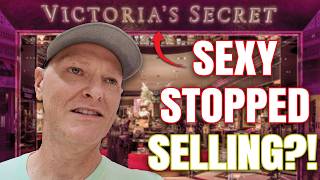
In this video, the presenter examines Victoria's Secret's dramatic decline from a market leader that once held over a third of U.S. women's lingerie sales to under 20% by 2023. He traces the brand’s early 2000s dominance, driven by the high‑profile Angels fashion shows, and explains how the unattainable beauty standards promoted by the Angels campaign eventually alienated consumers. The narrative highlights cultural shifts—including the rise of body‑positivity, the MeToo movement, and changing consumer preferences for comfort over spectacle—that left the brand out of step. Economic headwinds such as post‑pandemic inflation, the decline of mall traffic, and intensified competition from brands like Lululemon further eroded sales. The presenter concludes that Victoria's Secret now suffers from an identity crisis—uncertain whether it is a luxury, premium, or discount lingerie brand—and uses the case as a cautionary lesson for business owners: adapt to evolving market conditions or risk failure.
Chapters
So today I'm in front of a business that is guaranteed to make every 50-year-old man uncomfortable. It is Victoria's Secret, a women's lingerie store. And I'm here today because there's stuff going on in these stores that people don't know about, which is Victoria's Secret is gone from once a huge winner in the space of women's lingerie, selling over a third of women's lingerie and underwear in the United States. to just under 20% last year. And they did that from 2013 to 2023. Along the way, the business has been in huge decline, 3 CEOs in 4 years, and just a total mess. In the early 2000s, Victoria's Secret was a juggernaut. Basically, they had all of these kind of things that were taking advantage of basically the trends that were going on in the United States at the time. And the apex of that, the kind of core of it, was this Angels campaign. And Angels were basically these women that were supermodels, basically, that would be, you know, part of a very large lingerie fashion show every year. And the crazy thing about it was these women, like, became superstars, like names like Gisele, Tyra Banks, all these types of folks. They came out of this Angels campaign that Victoria's Secret was running. And the problem with the Angels campaign was eventually people realized that it was portraying this kind of level of beauty that was unattainable. And a lot of these women who were part of the Angels campaign were starving themselves or living unhealthy lives in order to try to reach this almost unattainable beauty standard. And that was just for supermodels, right? Normal women, well, I mean, it was just impossible for some of them to be anything like one of these angels on stage. The early 2000s were a time when there was a different attitude towards body consciousness and towards acceptance and towards people looking like themselves and living a healthy life. Um, and that was okay, you know, Victoria's Secret rode that wave and it was acceptable at that time. And everything went well, kind of, until it didn't. Change for Victoria's Secret was the world changed around them. Uh, women started to have a different attitude towards what they wanted, that while people still wanted to look sexy and feel sexy, they didn't necessarily want to be uncomfortable while they were doing it. You saw a shift in trends in terms of what women wanted to buy. Uh, they wanted to dress for themselves, much less to kind kind of impress women, which is the— or impress other men or that sort of thing, which is the core of what kind of the Angels campaign did. And eventually from their peak in 2013, eventually by 2018, basically Victoria's Secret ran into the MeToo movement and the issues around that, which was women and folks were just not interested in kind of mimicking behavior that basically was everything that Victoria's Secret was about. And it ran headlong into other problems as well. Inflation, Challenges in figuring out kind of what is going to be affordable for people post-pandemic. Uh, it ran into the decline of malls. I'm standing in a mall and this is the only mall that we have left in San Antonio that's indoor and doing much of anything. And then lastly, they landed the competitors. Some of the competitors came in based around different total ideas versus what Victoria's Secret's doing. Uh, heck, even folks like Lululemon were eating their lunch and they're mostly in the workout gear space. In the end, what happened with Victoria's Secret is the world changed around them and they didn't change, and now they're stuck where they are, which is this kind of weird kind of in-between, uh, where they're not sure if they're a luxury brand, they're not sure if they're selling lingerie, they're not sure if they're a discounter, they're not sure if they're selling premium stuff. Like, they just don't know, uh, and you can see it here in the store. The lesson of Victoria's Secret for any business owner is the world is going to change around you, and you can either do one of two things. You can either understand what's happening and adjust your business and business model, to match it, or you're gonna be in big trouble like these guys are. All right, that's my video about Victoria's Secret. Let me know what you think in the comments below. If you like this kind of stuff, give me a subscribe and a follow, and we'll catch you next time. Oh, and a question for you: what do you think is gonna happen to Victoria's Secret? Are they gonna turn it around? Are they too late? Let me know in the comments below. Catch you next time.