Behind the Entrepreneurial Journey of 13-Year-Old Twins
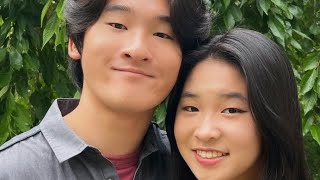
In this interview, host Michael Horn talks with 13‑year‑old twins Kay and Kai Park about how they created Tutorly Ed, a free, student‑led online tutoring platform launched in the summer of 2020 amid the COVID‑19 pandemic. The twins, who attend a selective technical high school where they study multimedia (Kay) and computer science (Kai), describe how the pandemic’s disruption sparked the idea to provide virtual, no‑cost tutoring for K‑12 students and enrichment programs in areas like robotics, cooking, and performing arts. They recount the early days of brainstorming, building a website, branding, and recruiting volunteer tutors, leveraging their school‑based majors to handle marketing and technology. The conversation covers the challenges they faced—burnout, the need for a support system, and pivots in service delivery—as well as the lessons learned about perseverance, values‑driven entrepreneurship, and community building. They share impact metrics: hundreds of families served, a growing team of about 60 volunteer tutors, awards, and partnerships with schools and student organizations. Looking ahead, they plan to expand Tutorly Ed to include university tutors and senior learners, while each twin reflects on how the experience has shaped their personal career aspirations in digital marketing and computer science. The interview highlights the twins’ motivation, operational choices, outcomes, and future vision, illustrating a youth‑driven response to an educational crisis.
Chapters
Welcome to the future of education. I'm Michael Horn. In today's conversation we get to transport ourselves back to the summer of 2020 when twins K and Kai park really were experiencing all the devastation and the turmoil and challenges that COVID 19 was posing. And they as students, sophomores, 13 year old sophomores, really took this moment to be an opportunity for change. The twins launched Tutorly Ed, which is a 100% free online tutoring service for students. It's led by students and they did it to give back to the community and create a safe learning space for those in need throughout the peak of the pandemic. K, who's the co founder and chief marketing officer of the initiative, is, is now a high school multimedia major. We'll, we'll talk more about what that means looking to pursue business and digital marketing. And Kai, who the co founder and CTO for for the Tutorly Ed is a high school computer science major hoping to work in the AI and technology fields. And by combining their passions and their ambitions for change, they've been able to provide educational support to learn literally hundreds of families all over, create an outlet for students to give back and share their passions, create a way to partner with schools nationwide and fellow student led organizations and really build a community of acceptance, diversity and opportunity. Now I'll say their journey is only getting started two years later as they continue to expand Tutor Lied's reach in their second year as an established company and really lead a blooming network of young leaders with their slogan empower youth and inspire success. And so with that I'm going to bring them up to the virtual stage, if you will. Kay and Kai, it's great to see you. Thanks. Thanks first of all for being here and sharing your story.
Thank you so much for having us. It's really an honor to be here.
No, no honors, all mine. I get to spotlight two budding entrepreneurs who are students and what I will say I love about your story is you all were not passive during the pandemic. You said we can do something about this. So I'd love for you each just to introduce yourself. I obviously read a little bit of your bio there, but I love you each in your words to sort of introduce yourself and what you're both passionate about. Kai, why don't you go first?
Okay, so my name is Kai and as mentioned before, I'm the co founder and chief technology officer of Tutelied and I'm passionate about computer science and I want to go into AI as mentioned before and part of my role In Truly Ed is managing all of the technology, so the website, keeping up all of the logistics and kind of like managing the tutoring team.
And I am Kay Park. I am the co founder and chief marketing officer. So at to really Ed, I'm head of our board of creative directors and content creators, and this is how we help expand our reach and engage in our community on all of our platforms. And I'm passionate about anything from film to advertising. I'm all about the creative side and yeah, I can't wait to get more into this conversation.
Yeah, let's dig in. I put the website below there so people can check it out. It's definitely worth checking out. It's very well designed on both ends, so. But set the scene for me. Like, before the pandemic started, did either of you have, you know, dreams of starting something, being entrepreneurs? Did you think this was something that students could or should do?
I mean, we always had this kind of spark for, you know, leading something new. We're both very passionate about very different things, but also know similar issues, similar values. But it really was the pandemic that kind of opened our eyes to all the challenges newly introduced. Whether it was the great amount of unemployment that was experienced, whether it was the rise for technological needs because everything was virtual and distance learning, whether it was families being isolated financially and physically, everything changed, essentially. And we decided to create Truly Ed as our solution, not only to take our passion for leadership and creating something of our own, but also to help ease this harsh transition into a whole new lifestyle and help acknowledge these rising needs.
So take me in then, to that first thought. Right. Like, I'd love you to set the scene. Right? So this is sort of your background. Have you come into it? The pandemic occurs. I imagine, like many, you know, you're home for those first couple months. We're all trying to figure out what's up and what's down in this new world. And then when do you have that first thought that, gee, like, we ought to start something? Like, what's the conversation the two of you have with each other? And if you can almost take me into that moment of, like, you all are having these conversations about we ought to create something, what does that actually. What did that conversation actually look like?
Like, so the conversation kind of started with us realizing that, like, it was a completely new, like, learning environment. Like, people were starting to realize that, like, it was way different than in person, school. Like, when you're in school, you kind of have a learning environment that sets your focus and makes sure that you're learning. But when you're at home, it's like kind of a comfortable atmosphere. And people were starting to really struggle to adapt to that new atmosphere. So we realized, like, there should be, like, a service that's free to everyone and everyone can use, that's virtual, that can kind of help assist them through this time. While education is virtual.
For us, it was kind of like we were in, like, the middle of distance learning, and we were. Everyone was kind of, like, burnt out, and we were all kind of just like, this is not. This is. Why are we doing this? Like, when is this going to be over? And I remember Kai and I just kind of like, sitting, like, I think it was just like, in the corner of Kai's room. We were just sitting there. Like, why? Like, if we have this time, who knows when this is going to end? What can we do about it? Because if not us, then who? And, you know, if we have this opportunity where everything is completely new, let's make something new of it. So I remember us working relentlessly, like, day and night after we first, like, pitched it to our parents. We were like, we want to make a website, and we want to make a service, and we want to include students and, like, our friends and people we know that want to make a change. And they were like, you want to do.
What is this?
Like, May or June or something? Like, when is this? Just to situate us.
Yeah, around, like, the summer. The very beginning of the summer. And our mom works in the marketing field, so she was like, all on this. She was like, I am so ready to help if you need help. But from the very first day of 2020, we just spent hours and hours, like, creating ideas for branding, thinking of people to reach out to, you know, working on the website, SEO, learning literally from rock bottom how to make a business. Because we've never done this before.
I was gonna say, like, these are all new skill sets and things that you have to do, Right?
Yeah. Obviously. It did help, though, that in high school, we are studying specific fields that help us through this. So I'm studying, you know, multimedia, which is mediums for art and anything creative. So I helped work with the branding and the look and, you know, our content and our social media. And Kai's in compsize so he can make the website and the SEO and program everything. But in, like, the most confusing of times in the pandemic, we finally felt like we had something meaningful and something worth working for. And that was, like, our beginning. And then we Started to collect like a small team of volunteers and reaching out to people that we knew were super skilled, that could want to share their passions. Just high schoolers in our community and just did everything we could to spread news about our small initiative. And then, like local news articles began publishing us and clients from all over began discovering our service. And yeah, it really just was the most real thing. And it started from nothing and became what it is today.
It's an amazing story and I'm just curious, like, why tutoring? Because, I mean, there are lots of tutoring online sites out there. I've had the CEO of Nerdy that does Varsity Tutors, for example. Like, there's a lot of things like that. There's obviously like, the Biden administration wants to create like a national core of tutors, right? So there's all this emphasis on tutoring. Or why did you all feel like, hey, there needs to be a student led tutoring service? Why. Why was that the thing that you all settled on as. As you thought through? I'm sure there were a number of ways you could have contributed or helped during the pandemic.
So kind of in our school, we've kind of seen a lot of students trying to help each other in a community. And like, when someone was struggling, someone would jump in and like, go on call and help them to like, learn more. And that was kind of what inspired us that, hey, we could actually help these students, like, have an outreach and like, get a broader, like, reach of who they can help. And something that was also really important to us was because we go to a tech school, we thought that there wasn't enough, like, enrichment programs or like, career focused topics being taught in like, current school education. So we wanted to like, also focus our education on that as well and using like, the students going to our school, like, there were plenty of different economies, like a lot of public safety and animal science that we thought would be really interesting for anyone who is interested in those fields to like, learn more about.
Yeah, sorry, keep going. Kay. Yeah, no, no, you go.
Oh, sorry. Not to cut you off, but we, we go to a technical school to kind of explain what that means. We're specifically focused on career pathways and what we want to pursue in the future. And so for us, we're fortunate enough to have access to resources and industry professionals to explore our passions. But in most cases, we feel like there's not enough opportunities for students to actually invest in their curiosities and what they want to pursue in the future. So us saying, oh, we want to provide educational support. We want to tutor people. We felt like it should go beyond what students are taught in school. So we decided to channel that through tutorly ed as our solution. So not only do we provide like traditional core academic subjects like, you know, your math, English, history, science, foreign language, and we provide that for pre K to high school. We also have enrichment programs from robotics, cooking, performing arts, you know, healthcare for all ages and things that are not typically taught in the classroom. Because like I said, that's very important to us. And because we're fortunate enough, we feel like it should be accessible to everyone.
So.
So I think that part is actually really interesting that people, you know, maybe didn't grasp right when we started off, which is you have a major in your high school. That's not, that's not common. Right. I certainly didn't have that. So tell, tell us a little bit more about the high school that you attended. And sort of it sounds like that their focus on real world skills gave you the ability to do that. And then in turn, if I'm understanding you correctly, you wanted then through the tutoring site to give more high school students the opportunity to learn the same sorts of things that you were getting exposure to and then some.
Yeah, precisely. And because of COVID it was kind of like that took learning to an entirely new level where everyone was kind of like in a slump and suddenly there was no joy of learning and everything just became pass fail, just making do. And the thing about our high school is getting to actually explore these passions. That's what makes learning so exciting. So we wanted to combine this need for finding that zest for learning again and also being able to expand education beyond what is taught in the classroom into tuteliet where it's easy, it's accessible, it's affordable, and it's also a great way to explore your passions and exercise what we've been fortunate enough to experience.
Yeah. And like going back to our high school, like I remember being in like eighth grade and realizing, wow, like there's this, I'm so interested in computer science, like there's this major I can actually go into to study it more and like expand and like learn so many new things about it. And I realized that like if I was going to like my regular high school, like I wouldn't be able to do those things, which is, I feel like again, like it should be more accessible to everyone that they can explore their passions and just really dive deeper so that they're prepared for like real life career fields.
I Think particularly as you're going into high school, you've sort of mastered the basics, if you will, to be able to start to have that exploration and dig into your passions. That's such a huge opportunity and advantage. Before we go back to tutor Lied, just one more question. You all made a choice I guess to attend this other high school and, and have these choice of majors and so forth. Can you tell us sort of about that and, and, and how you, you know, you, you stepped off maybe what a traditional pathway would have been even that, even that far back because that seems part of your entrepreneurial journey.
Yeah. So that school, there's actually like a rigorous application process. It's very selective. So it is a big leap of faith to take to want to go there instead of, you know, going through the regular process into your local high school, hometown school. For us, we always knew that we wanted to take on new challenges and we wanted to explore even the littlest sparks that brought us to our when we were kids, you know, Kai was always making his own toys, playing with robots and you know, doing math, things that I could not understand. And me, I was always drawing and you know, taking photos and writing little stories on my laptop. My like janky pink, pink laptop ever since I was 6. So even though we didn't know like oh I want to be a compsite major, I didn't know, oh what is multimedia. We knew like I love being creative and I love the feeling that creativity gives me. I love creating things with science and I love the power that it gives me. So with our school we're able to find the academy that's kind of how we're separated and find the ways to express our passions and then gain experience from professionals in the industry and teachers and also surround ourselves with like minded people that are also interested. So it's, that definitely helped as the basis of what started to really?
Yeah. That's amazing. I think it's so neat that you all had that choice and maybe I'm going to speak as the father of twins, but maybe the fact that you all were twins and could see, hey, we're not identical, we're different. Like we have different individuals, interests and passions and aptitudes and so forth. You could say we actually want to develop them and lean into those differences as well. And what a cool lesson that I agree every individual should have those opportunities to be able to dig in those passions and develop what they're, what they're excited about. So let's go back to the tutor Lied journey Then because you've built, I mean, you've built a startup. You've, you've. What are those big lessons that you've learned so far that maybe everyone should be learning?
So something that we like, it was a big focus for us, was that we. You always should have like a support system for yourself, especially because we're so young and we were like 13 when we started this. But our support system was our parents and of course each other. Like, we both were so intricate and important in each other's journeys and to keep each other motivated as well as eventually like the team that we were able to build through our organization. As K mentioned before, burnout is something that's very like, easy to come by, especially when you're taking on something as big as creating your own initiative. And it can be really scary and especially when you're starting to feel yourself getting lost in the workload. But you have to remember to keep going. And having that support system will help you reignite your passions because your passion is kind of what fuels your dedication to your organization.
Another thing that we learned actually going off of him is that you have to be prepared to put your all into everything you do and every aspect of the initiative that you're creating. It's definitely not something that comes easy. It's not going to happen overnight. And there's going to be a lot of obstacles and potentially abrupt changes that come your way, speaking from personal experience. But it is actually a great way to shape your mindset. You know, take these challenges and use it as opportunities to grow and to learn further. And, you know, though the journey may be a lot to endure, it really is the most rewarding feeling knowing that what you're putting out there into the world is making a difference. So also going off of Kai, kind of just remembering why you started what you're doing in the first place, what you're truly passionate about. It'll keep you grounded and it'll help you take this further and push through the challenges that you face.
Those are really cool life lessons. I want to sort of, in our time, remaining three topics, I guess, and we'll start, I'll outline them, but then we can go one by one. I want to talk about sort of, you both mentioned burnout or difficult times right in building this. And so I'm sort of curious what you've learned about changing course or pivots or things that you've had to adjust, maybe that you thought something was going to work a certain way and then you had to problem solve and change your approach, like those sorts of lessons, then I'm sort of curious what the outcomes have been like the present, you know, how many you're serving, what, what sort of changes have you impacted in their lives and so forth. And then we'll, we'll end with where you see this going, both tutorly ed, but in your own career and life pathway. So let's start in the past and start with those problems that you may be confronted as you were building tutorly ed. What were the challenges and lessons you learned or shifts that you had to make? Perhaps as things, you know, the world didn't work quite as you first thought it would when you, when you started on something?
Yeah. So I think like the first part of it would be like the brainstorming process where we had to like, kind of think about what we were going to build and like how this system or service would work. So we had to like, kind of address all of these different problems that we were facing and like the different challenges that we had. So the first one that we had was the fact that a lot of people needed educational support, but not everyone could afford it. As K mentioned before, like, there was a lot of unemployment. So we decided to make Juliet free. And another thing was that we had to make it virtual, of course, for accessibility during the quarantine and for global inclusivity. And this would make it accessible year round and help those in need, like, learn from the comfort of their home. And kind of as Covid and the pandemic kind of progressed, we stayed virtual. So we helped students to transition into like every phase of the pandemic, whether it was distance learning when everything was virtual, to hybrid learning when it was virtual and in person, and now when we're starting to kind of get back to normal. But another thing was that we really want to focus on the fact that Julia was for students, created by students. And this kind of helped us to relate better with all of our clients and create more personal connections with students as like students ourselves.
So talking about what we learned from this, it really was that, you know, we obviously had an idea to start something, but it's also a good way to have your values show through and have. It's not just something you can profit off of or something to get volunteer hours for. It's also a way that you can put what's important to you into it. So something we wanted to touch upon is because we are a student led and youth focused organization, our target audience and, you know, the community we're surrounded is Obviously made up of younger generations and parents of those younger generations. So because of that, we strove to use our platform as an outlet for change and a way we could spread our values and the issues that are important to us. Whether that was mental health, diversity, inclusivity, acceptance, talking about awareness, month, months, current events, there's so many things that we could cover. And our goal was to create an accepting environment where we could foster students learning in the ways that make them the most comfortable and make them feel safe and included, especially with how scary Covid was. And you know, we still firmly believe to this day that we've been given a platform and an opportunity to use our voice. And we want to take full advantage of this privilege to, you know, make a change and do our part to help spread messages of hope and kindness, no matter how many challenges we face, because we know that there's so many people going through the same thing.
That's really interesting. So let's then talk about those impacts, right? Like in the ways you've been able to do that. How do you think about impact and outcomes in terms of measurement, but. Or stories or how do you, I don't know, actually the right way to ask the question, but how do you think about, right, how you've had that impact in the world?
So come two years later from us starting truly Ed, we've been able to help like hundreds of families and students across the globe receive educational assistance from the comforts of their homes during like these difficult times during quarantine. And we've been able to provide an outlet for students and high schoolers to receive acceptable volunteers for their service and spread their passions to anyone who needs it. And our community has only grown because now we have 60 dedicated volunteer tutors. And we're proud to say that we've been able to defy any challenges that we've come across.
Yeah, and we've also received awards for our work. And I remember when we got some of those titles, we're like, hold on, what, what is happening? And even more, we've been able to partner with various other student led organizations and even schools and you know, communities academ programs all across the nation to help amplify this change and all across the world and you know, we've received an overwhelming amount of support from hundreds of loyal clients all over, held hundreds of lessons with students all ages and have really been working to continue to build this community of acceptance, diversity and opportunity. From our perspective, this platform really started out as like a vision, just a mere idea that we had as young students struggling in the midst of a pandemic. But we've been able to meet and help so many different people and make an impact through our service. Whether it's one of our 30 minute lessons, whether it's a simple email from a client that their kid has never felt more seen or more comfortable, or whether it's just a message from a student looking to give back, wanting to join. Joined. It's truly the most gratifying feeling knowing that what you're doing is helping someone and it's making a difference in their world. Even in the smallest way to us, it's truly surreal.
Yeah. This organization has been like truly life impacting for us. Like it's kind of been the center focus for us for a long time now, for two years. And we're so honored and humbled at the fact that we've been able to help so many people, even if it's in like the smallest way. And it's kind of like furthered our passions for the fields that we're going into. And it's really just like so incredible that we've been able to make a change in the world.
Well, so that's where I want to end. Right. You both are 15 or 16 years old. I think you're seniors now in high school. We're at the beginning of your senior year. Where do you see both tutorly ed going but your own lives? Right. What like what has this sparked in you that you want to go learn that maybe you didn't think was important before or directions that other things you want to start or whatever it might be. I'd love to have you both address like Tudorly ed. What's going to happen to that and what's the vision for that over the next few years, but also your own personal lives, like what it's unlocked in both of you.
Yeah. So for, for the advancement of tutely going in the future, we have a goal of expanding to more university student tutors because we're going to college next year and we realized that expanding it to university students would help us like reach big a wider range of age groups and that like as we're high schoolers we realize that like sat, state testing, they've all become like so much more important coming in the recent years and it would be like a really great experience for university students or people already in college to help high schoolers or students coming into the big step that college seems to be so that they would help guide them.
Yeah. Actually speaking of expanding age groups. Another audience that we hope to reach more towards is actually senior citizens because to us, age is really just a number. And, you know, you can pick up a new skill and want to invest in a passion that you've had at any point in your life. It's never too late to do that. So when we say that we provide enrichment programs all ages, we truly mean it. It can be university students, you can be a high schooler, you can be in fourth grade, and you can also be, you know, retired. Really. Passion never ends at any number, and we hope to expand that and in terms of our own lives and what it's inspired us to do. As I have been able to be the chief marketing officer and work in the more creative side of things, it's allowed me to create content and direct a team of other creatives and people just as passionate with so many amazing skills, shout out to our team and they're board directors and they're all going into their own fields. And it's helped me dive deeper into my passions in multimedia and helped me realize, wow, I actually really like being able to help market, you know, communities for change. And I want to continue leading that through business and digital marketing and, you know, the experiences I've gotten from Tivoli Ed and how important branding can be in engagement and what you can do with the power of, you know, with digital advertising and content.
Yeah. And as chief Technology officer, I really like. It's really fueled my passion for computer science and I've been able to actually help like, a lot of upcoming students, whether it was like elementary or middle school or even high school students, like, realize their passion for computer science or help foster their new interest in the computer science field. And I think that was really, like, important to me. And so I've continued to like, use various pathways or mediums to help kind of push computer science and make it more like, aware to especially younger students. Like, I feel like computer science for young elementary students hasn't really like, been in the focus like it. When I was in elementary school, it wasn't really like a big thing to know or study computer science. So I really want to help push and show and inspire elementary school students and younger children about how interesting computer science can be.
Love it. I feel like you both also exemplify and have learned a set of lessons around the power of creativity and that you can change the world and impact it. You have a lesson around that your choices right can have outsized impact. And then I think finally you both have expressed desires to continue to learn on that journey, which is what we all need to do. And you've unlocked that for so many and so many more to come. So Kai and Kay just very much appreciate you joining me to tell your story. But I think even more so, the inspirations you're going to be to a lot of other students is really cool. So thank you so much.
Thank you.
Thank you.
That means so much. It's truly been an honor. Thank you for giving us the opportunity to share our story.
No. You bet. And for those watching, if you like content like this, if you like stories like what Kai and Kay are doing, give us a thumbs up. We'll be back. Next time on the FUTURE OF education.










