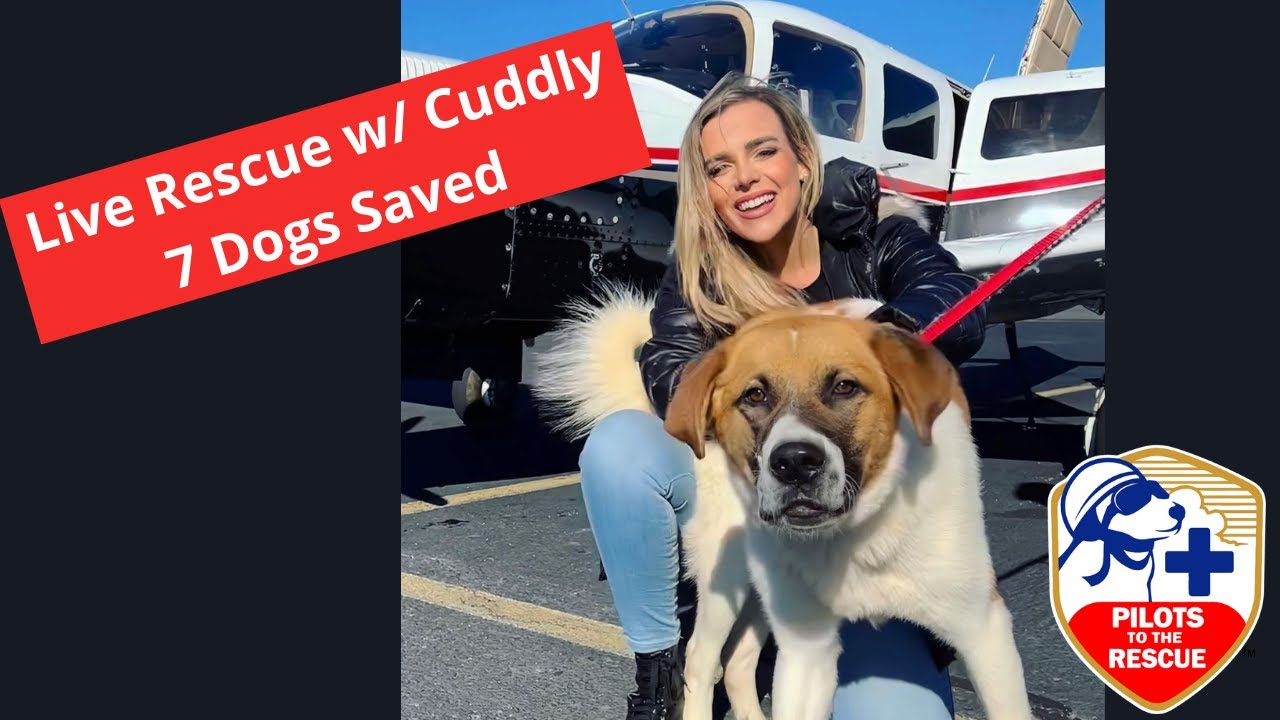
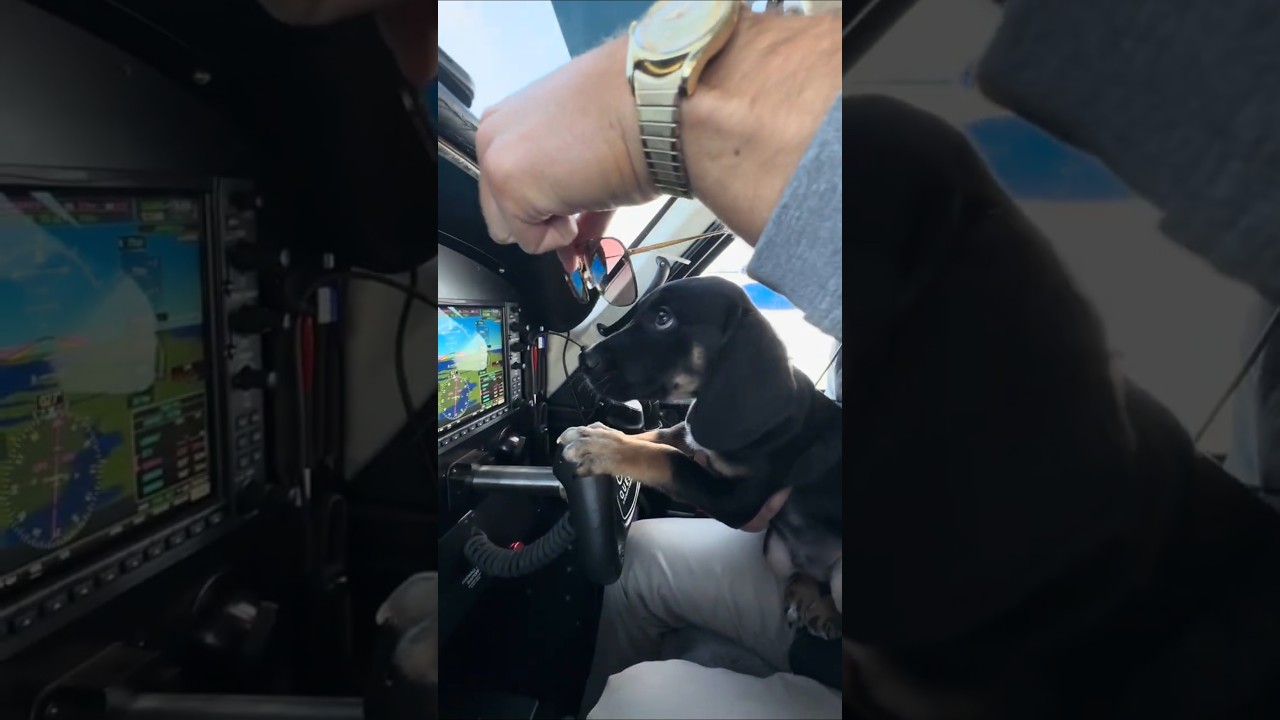
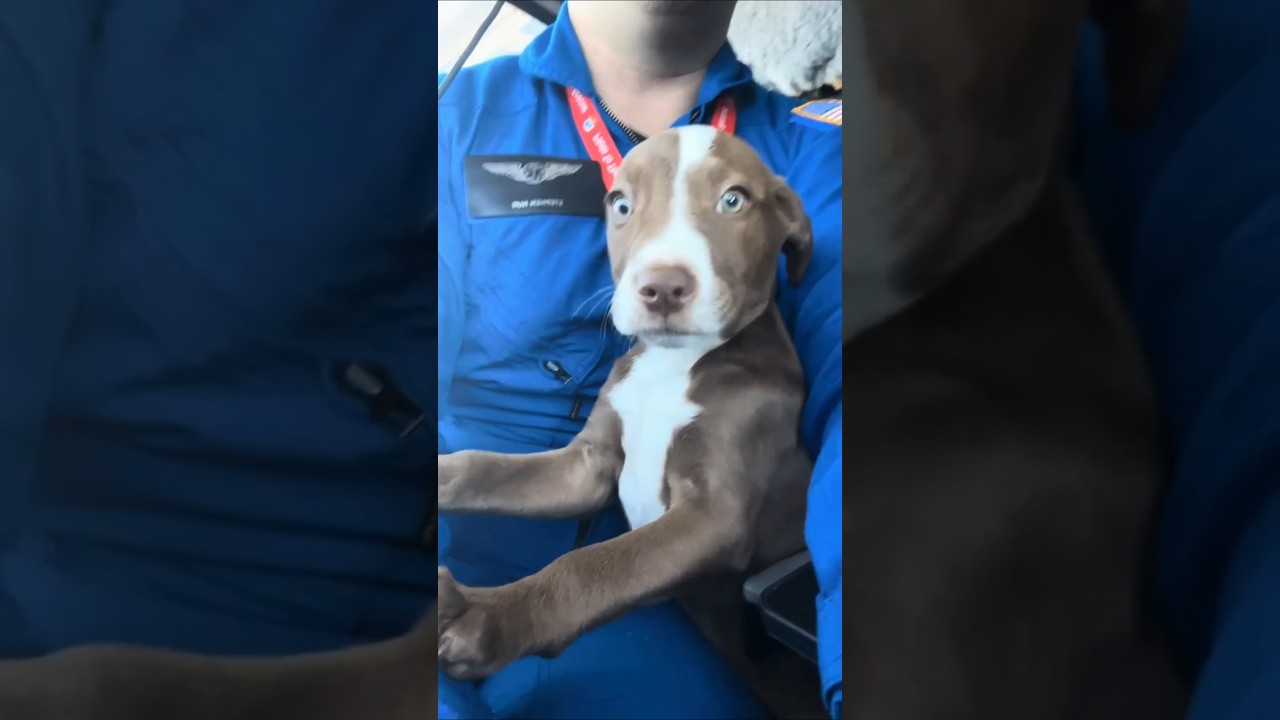
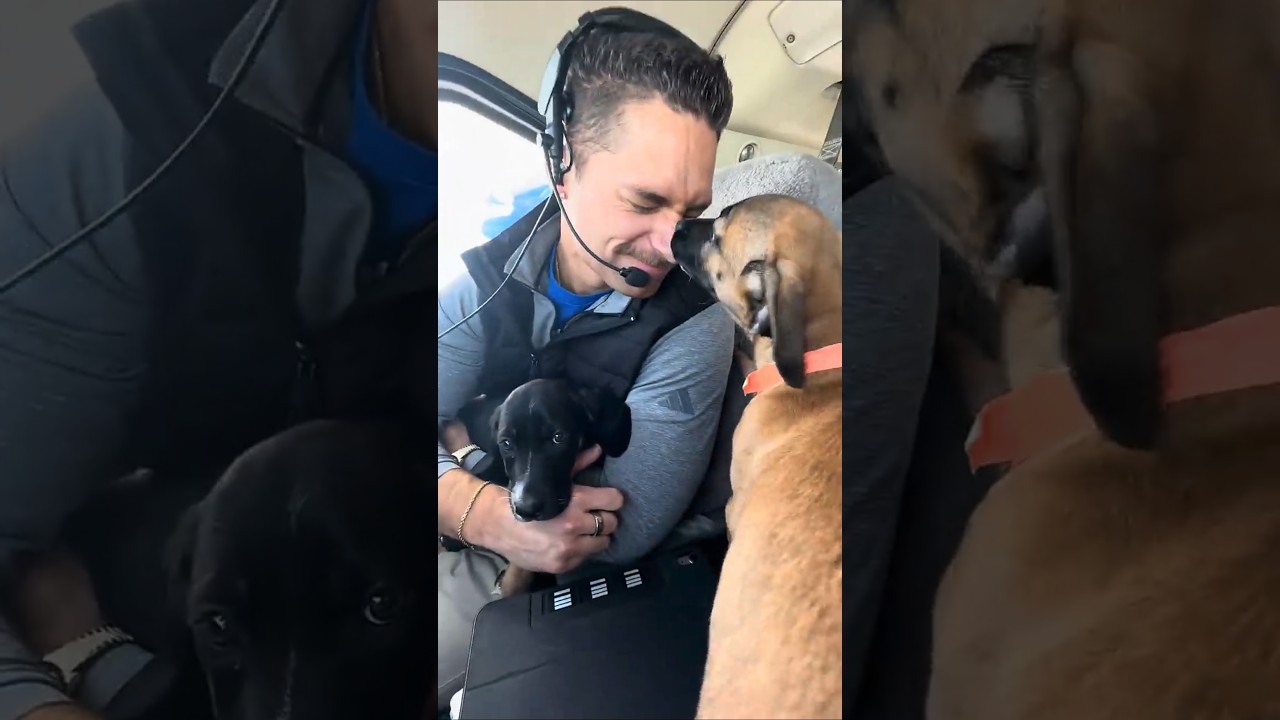
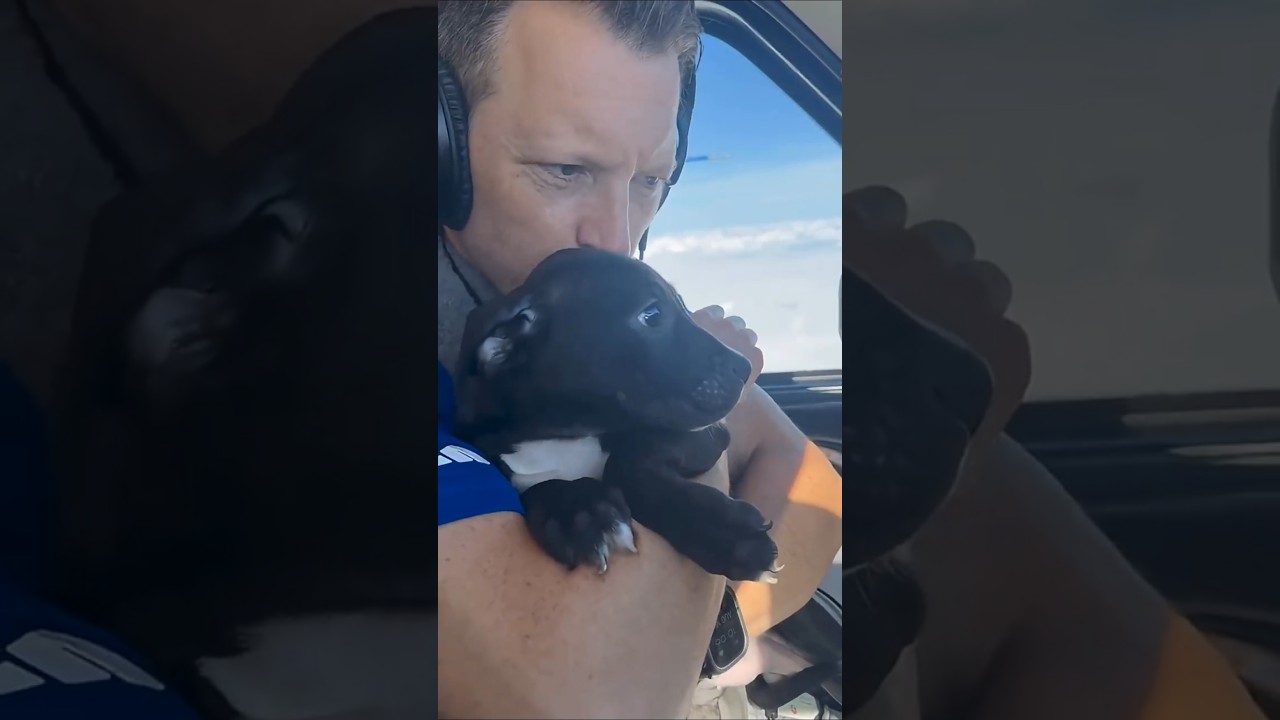
In this live‑stream, Michael Schneider of Pilots to Rescue chats with Bridget, a representative of the animal‑care brand Cuddly, while on location in Moore County, North Carolina. They walk viewers through a rescue mission that air‑lifts seven stray, surrendered or neglected dogs from a local veterinarian to A New Chance Animal Rescue, a foster‑based shelter. The conversation introduces the on‑ground and in‑air crew – Rick from Maverick Pet Transportation, pilot‑aviatrix Sharon Robb (who also works for Lifestyle Aviation), and Michael’s cousin Ellis – and describes their roles in loading the dogs, handling the animals’ stress, and piloting the flight. Michael explains why air transport dramatically cuts travel time (about 3 hours versus a 10‑15 hour drive), reduces stress for the dogs, eases the burden on ground volunteers, and helps prevent euthanasia by moving animals quickly to shelters in the Northeast where adoption rates are higher. Bridget highlights Cuddly’s monthly sponsorship program, the Cuddly Club, which funds these flights; donations as low as $5 can support roughly 150 animals per month. The stream includes live moments of loading dogs into crates, brief connectivity glitches, and a brief showcase of the aircraft. The hosts close by urging viewers to donate, share the livestream, and support ongoing rescue flights.
Chapters
Hi Bridget!
How are you?
I'm good. I'm cuddly as AF. I can't say that, right?
There you go. Yeah, how is your flight going so far?
So far good. It was a little bumpy coming out of New York. About a 3-hour flight from New Jersey, actually, and down here to Moore County, Southern Pines, North Carolina.
Oh wow, so is it chilly there?
It's a little chilly, maybe not as bad as the New York area, but it's a little chilly.
Yeah. So tell us a little bit more about the animals we're moving today.
So we're rescuing 7 dogs today. We don't know a lot of history from these dogs. We just know that they're strays, owner surrenders, neglected dogs, and they round them up in the Moore County, Pinehurst area. If any of your viewers are golfers, this is a big golf area. And then there's a veterinarian that agrees to treat them, and then we bring them up to A New Chance Animal Rescue, and they're a foster-based facility. And this is a run that— this North Carolina run is, is something that we do at least once a month, I'd say, with this group.
That's amazing. So great. So I know you've got a whole team there. Can we— some, uh, Absolutely.
So we have Rick. Rick is with Maverick Pet Transportation, and Rick is vital on the ground here for us. Rick is the— he brings the dogs from the vet to our plane, and Rick's getting ready to load them up. Which dog is this, Rick? Jerry, I think his name is. Jerry.
He's a Great Pyrenees mix. Oh my gosh, so gorgeous. Yeah.
Yeah, so this is a big one. And then we got Sharon Robb here. Sharon Robb is joining us. Yeah, they may not be able to hear you because my AirPods, because they're asking questions. But Sharon is an aviator herself, or aviatrix as we like to say. Yeah, she's a pilot and she also works for Lifestyle Aviation, and she has come to help spread our message today. And we really appreciate having her here. She's also a pilot, so she'll be co-piloting the mission today. And then we have Ellis, my cousin. Ellis is, he came along to help out and see if aviation's something he was looking to get into, and obviously he loves animals, and he's done fundraising for us with his bar mitzvah project a couple years ago. So that's our crew today. And can you hear me okay, Bridget?
Yeah, I can hear you, yeah.
There's a lot of winds here.
Yeah, sure. How's, how's the weather been treating you? How are the—
was the flying, uh, it was just a little bumpy coming out of New York, that's all, but it was fine. Yeah, so let's see who else we have here. We have, like I said, we have 7 dogs. We've loaded 2. The first one was a little bit rambunctious, so we took care of him already. He was just a little nippy, you know, it's, uh Loading the dogs is the most stressful part. They, as you can imagine, they've never been on a plane before, so we're taking them from one crate to another crate, and Rick is really good at coaxing them out. As you can see, this one is taking their time, but it's a little confused. But it's all for, for great reason. They're all going to be fostered and eventually adopted out.
So, I mean, I, I know some people that get nervous flying, so I don't blame these dogs at all.
Exactly, exactly. And Bridget, I want to thank Cuddly for supporting our mission. Now they've become a sponsor of ours once a month, and we really appreciate, uh, the vital support that you give our small, humble organization. So thank you for that, and thank you for all the people that have joined today to see what we do here at Pilots to Rescue. And we really appreciate sharing our message, even if they can't donate. Just sharing this livestream or sharing our page is hugely important for us to get the word out there.
Well, now, Michael, can you give context why your work is so important?
Why our work is so important?
Yeah, why specifically flying animals on a plane is so much less stressful, I think, than ground transport.
Absolutely. So this flight that we're doing today with is about 3 hours each way. So I would imagine the drive would be more than 10, maybe 15 hours. And as you can see, the animals are a little skittish, they're stressed out. So if we could shorten that time, it makes a significant difference, not just for the animals, but also the ground transport people. No, we'll be okay. No, no, we're good. Yeah, so Besides less stress for the animals, it's a big relief for the ground transport people that are doing this kind of work every day or every week. And that's always going to be the most economical way to transport animals. But we give them a big— we're like a lifeline for those people. And then anytime there's an animal that is sick or injured or puppies or kittens, they just— they can't always endure such long drives. And then if there are shelters, and this is a really important reason, if there's shelters in the Northeast, which on the East Coast, the Northeast is where a lot of rescue animals get adopted. If there's shelters up here and they have, they're empty or they have space, the sooner you can get animals out of their situation down here where it's overcrowded, the more likely they'll be adopted. Because they're euthanized, these animals here were probably slated to be euthanized by the end of the year. So if we them because Rick's truck, he was saying it can't go that distance, and they— it's always hard to find volunteers that are willing to drive that far.
Oh no, I think we may have lost them. Ah, give them one more second. Oh, we did lose them. I know they're, they're a lot of times struggling with their internet connection over there. So honored that we were able to sponsor this flight though. We're sponsoring a couple of flights every month from different pilots across the country, really trying to, to help reduce the risk of euthanasia here. And for those of you who don't know, these flights are actually sponsored by our Cuddly Club, which is a monthly donation program. You help around 150 animals every month by your little one-time donation. It can be as small as $5. We have people who donate up to a couple hundred dollars every single month to help animals. It's really amazing. And, um, we'll bring them back on here. They're coming back on, but for those of you don't know that this—
oh, I'm back, I'm back!
Good, thank goodness.
I'm not sure what happened there. That's Ritz.
I know, it's the way of technology.
Yeah, I'm on the Wi-Fi now, so maybe that'll work better. And Sharon is taking some pictures. With one of the Pomeranians. Oh, it's Rex. Okay, so yeah, getting an opportunity to take a couple photos with the plane. Here's the plane in case anybody's wondering what that looks like.
They're all so gorgeous.
Yeah.
She's getting some kisses. So amazing.
Yeah.
And to think that these animals were at risk in different shelter environments. We're so grateful for the work that you're doing transporting them where I'm sure there's gonna— they're gonna be adopted so quickly.
That's right, that's right. Have you got the paperwork, Rick? Thank you. Yeah, so any other questions? Um, stay on as long as you like, or—
no, I mean, away of your flight. I hope you have safe travels. Again, for anyone who's interested, we're gonna include a link with this to donate to Pilots to the Rescue, who we appreciate so much. Um, or you can also donate to the Cuddly Club, and that's where we're sponsoring flights every month. So please help us continue this work. These animals definitely need our help now more than ever. So thanks so much, Michael Schneider. Be safe. Will do.