8 Endangered Sea Turtles Flown from NJ to NC

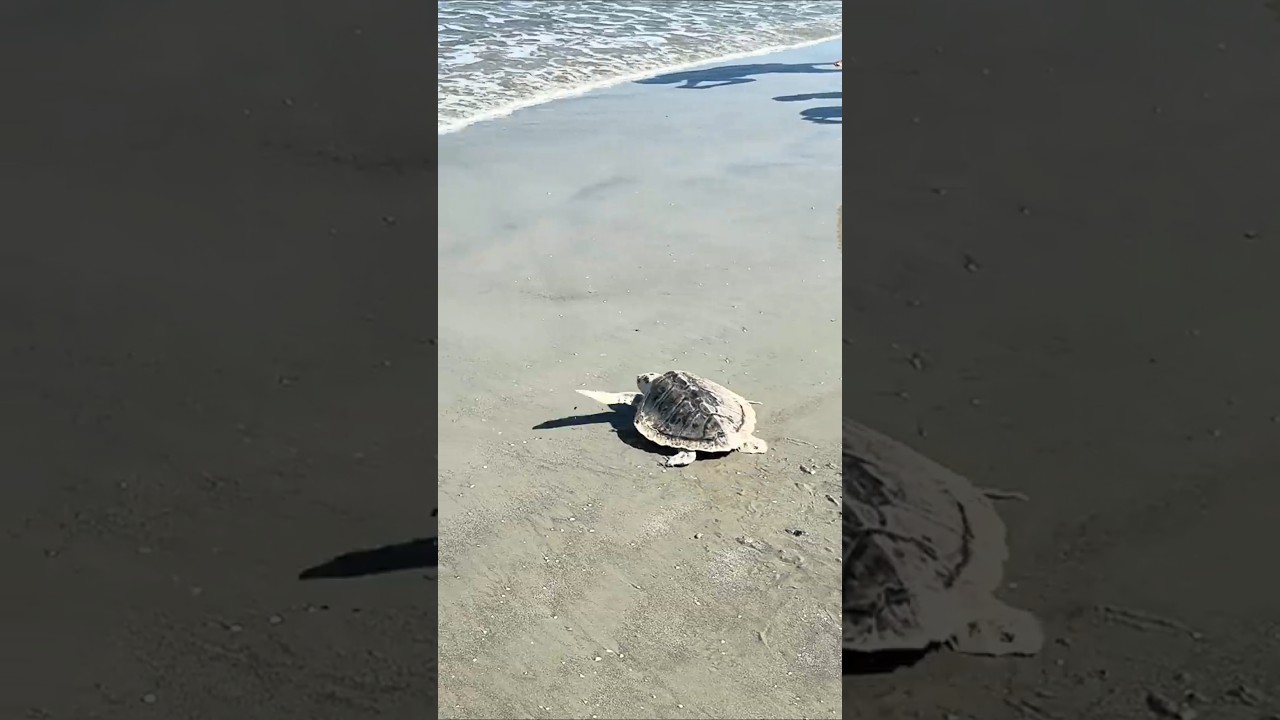
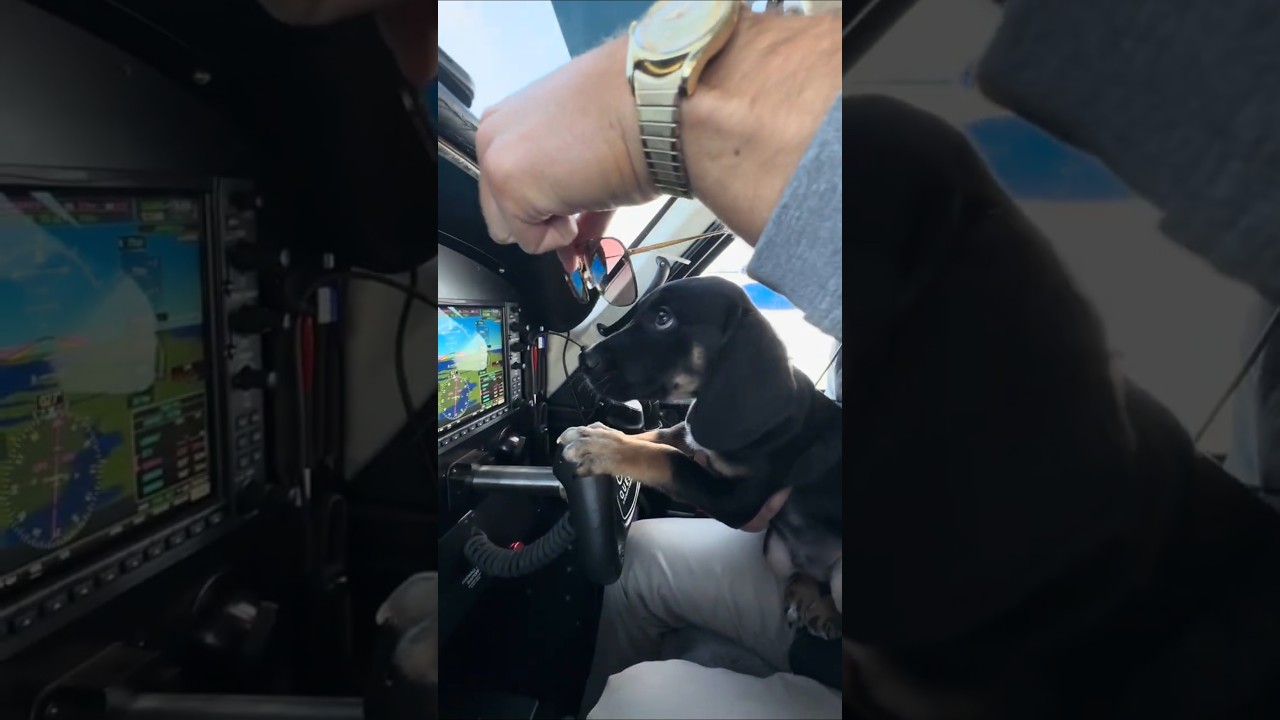
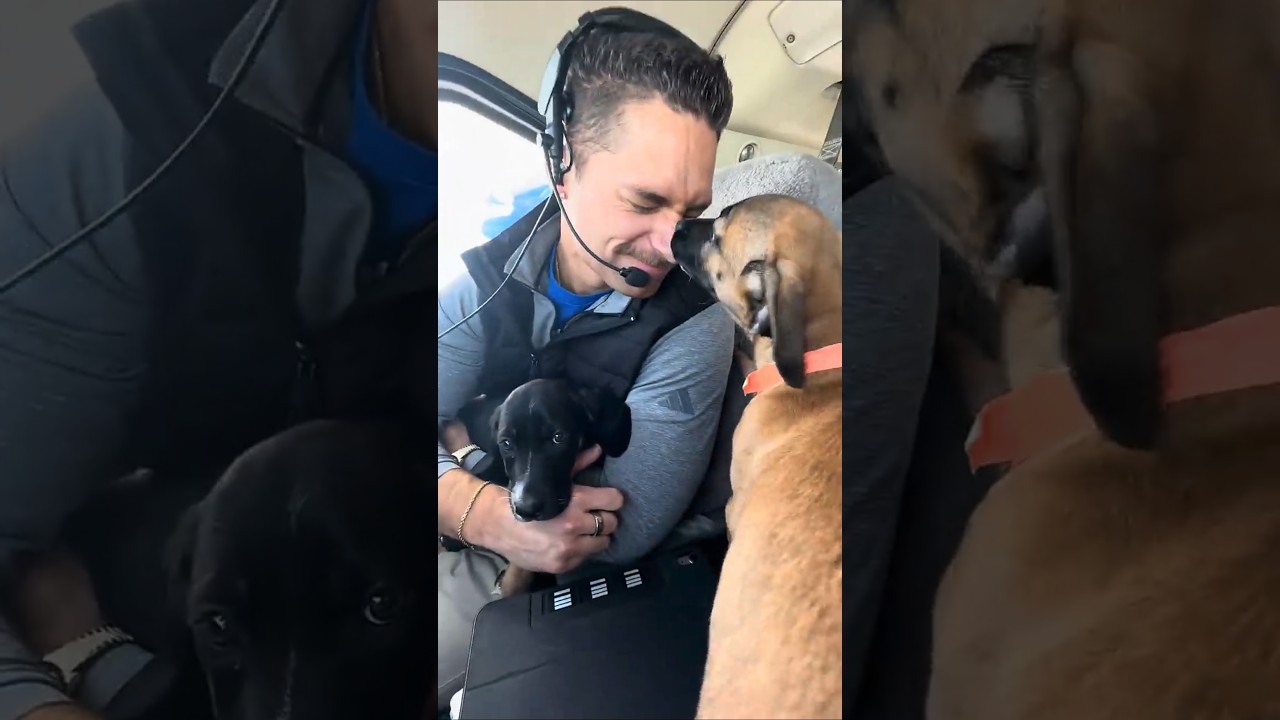
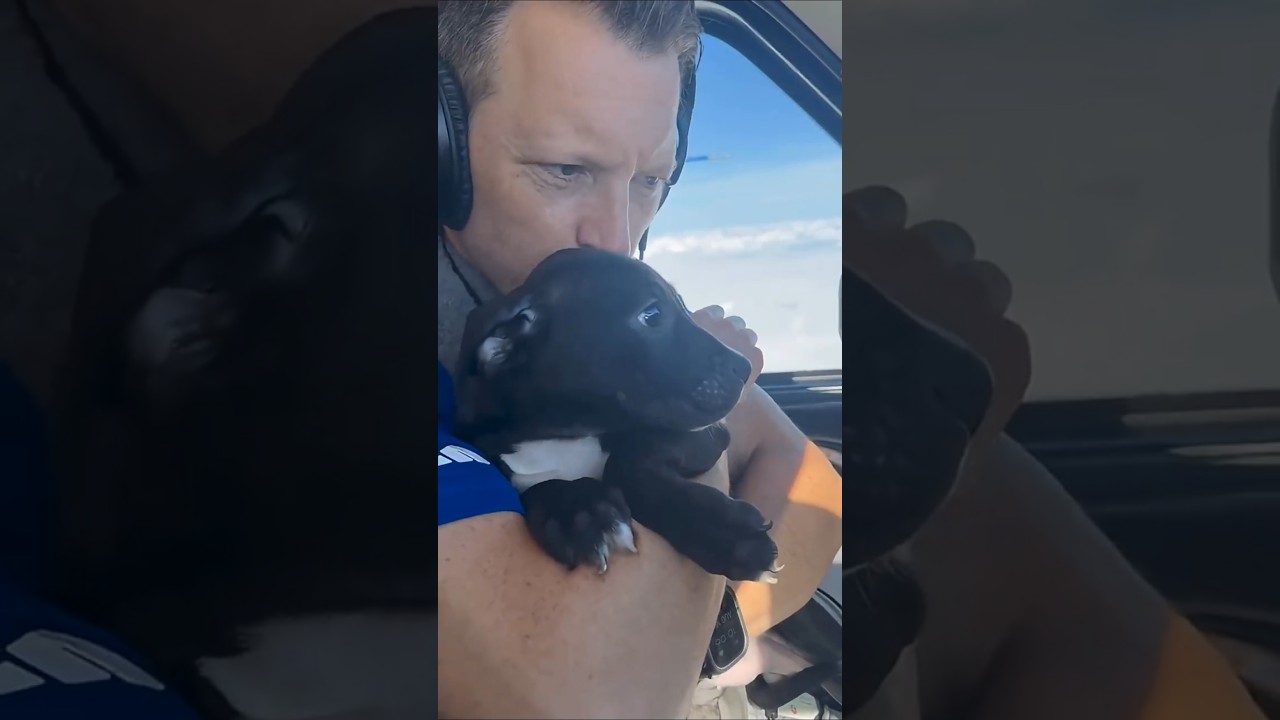
Pilots to Rescue flew eight rehabilitated sea turtles from New Jersey to North Carolina for release: six critically endangered Kemp's Ridley and two juvenile loggerheads. All eight had suffered cold-stun injuries in Massachusetts and respiratory infections or boat strikes during recovery. The three-hour flight beat a typical ten-hour drive, reducing stress on the animals.
Chapters
Beautiful day here in Oak Island Beach.
We're down here in North Carolina.
We flew 8 endangered sea turtles and we're releasing them to the beach. Very, very special experience for Pilots to Rescue and sea turtle recovery.
So here we go.
Jack, how was the flight? Here's my son Jack.
It was good.
You had a good flight?
Yeah.
Excited for sea turtles?
Yeah.
Awesome.
We're getting the turtles ready.
Again, there's 8 sea turtles that we're releasing to the beach. We're here at Oak Island in North Carolina.
Carolina.
I flew 3 hours from Essex County Airport working with Sea Turtle Recovery. Very special experience today to be working with these guys.
Beautiful day down here on the beach.
81 degrees. Hi Claudia, hi Jennifer, hi Yvonne, Gail, thanks for joining us.
Great.
And here we have Bill Durr.
Am I pronouncing—
pronouncing Can you talk while you walk?
Sure. So we have— not very good. We have 8 sea turtles, uh, that were all cold stunned up in Massachusetts this year. They've gone through several months of rehabilitation and they're ready to go back to their ocean home. They've all been treated for respiratory infections, and we actually have one turtle that was hit by a boat and has a healed propeller injury and a healed broken flipper.
Watch out, Jack. Jack, come up with Daddy.
You got a turtle on your back.
This way to my right.
Here we go.
So yes, we're going to release 6 Kemp's Ridley sea turtles today. The Kemp's Ridleys are critically endangered. It's only about 4,000 or so breeding females left in our population. Yeah, and then we have 2 juvenile loggerheads.
Awesome.
And thanks to the Oak Island Police for helping out, right, sir?
Absolutely.
Thank you so much.
A little impromptu help over here.
Nice departure from your normal duties, right?
Yeah, a little bit. Getting ready to release the turtles.
A lot of people here to make this happen. Yeah, you, you can dig, just not near the turtles, okay? Oh, I probably shouldn't walk in front of their path, right? Does that matter? You're good, you're good. I'm good.
This one we have Dylan.
He's the largest, right? 46 pounds.
Dylan is the largest. He's about 40 pounds. And again, he was cold stunned in Massachusetts this winter. Had a respiratory infection and now he's ready to go home.
Awesome.
Wow, look at that guy.
He looks like he wants to fly.
He's ready to go.
He is ready to go.
They smell that salt air and they hear the waves and they are ready to go. Whoa!
All right, guys, stand back, okay?
Stay behind the cameraman.
Daddy?
Yeah?
Stay behind the cameraman, please.
There he goes, Jack, into the ocean. Cool, eh?
Come on, come on, move! Stop! He's coming! So cool! Almost.
He's almost there. Go Dylan, go Dylan!
Yeah, don't get your feet—
your shoes too wet, okay?
What's his name again?
Dylan.
There he goes.
There he goes.
Godspeed, Dylan. That's right, Janine. Yay!
Where's the other one?
One down, seven to go.
So we have 8 of them.
8 turtles, Jack. How was that?
You said 6.
I know, I made a mistake.
There's 8 of them.
There's 7 boxes left.
She said 8.
She said 3.
Yeah. That was a pretty cool experience to see Dylan, a 46-pound endangered Kemp sea turtle, being released into the ocean. We have 7 more, so stick around to watch the 7 additional turtles we're going to release into the ocean. Hi, Yulene, it's good to see you. We miss you too.
¡Hola!
And here we have— what's the name of this one?
This is Hedwig.
Hedwig.
Hedwig's another juvenile loggerhead sea turtle. He's about 5 years old. Again, was cold-stunned in Massachusetts, uh, had a respiratory infection, and now he's all healed and ready to go back home.
Oh, this one has a tracker on it.
Uh, they all have— these two have flipper tags, and then they have a microchip in their shoulder as well.
Also, we'll be able to track them after today if they, uh, come back up on the beach.
Then we'll—
yes, we'll look at it.
Gotcha.
But they don't have satellite tags, right?
That makes sense.
Where'd they go?
Wrong way, wrong way.
Oh, this is—
this is what you were saying about how they turn around.
Sometimes they do. They'll take a look around, get their bearings before they head in the water.
Now she knows where she wants to go.
It's like a calibration. Yeah, go ahead, wind.
Hi James, hi Karen, Linda, thanks for joining. Torpedo Randy, it's good to see you, thanks for chiming in. Yulin, we miss you. Hi Teresa. Janine, it's a beautiful experience, it really is. Eric is on board here. The Sea Turtle Recovery crew is chiming in. We appreciate any comments you can make about these beautiful creatures. We've released the second of 8 turtles. Ashley, I'll send along your sentiment thanking everybody. Lisa, welcome. Hedwig is going, going, gone. I think they're much happier being in the ocean. Debbie, we're happy to do it. It's very rewarding for us also. All right, 2 turtles have been released. We have 6, 6 to go. A lot of volunteers who come to help make this possible. Not just us in the air, but also volunteers here on the grounds with the release efforts. We've acquired some fans here on the beach. It's a beautiful day here in Oak Island, North Carolina, 81 degrees. My son is already digging in the ground. You getting dirty already, Jack? Should have brought you a change of clothes.
All I have is a shirt. Look what I have.
All right.
Bill, your staff didn't want to come on, right? Because I can invite them. They didn't want to come on? Okay, that's fine. We got you here. All right, so who's— who we got here?
This is Apollo. So Apollo is about a 5 to 7 year old critically endangered Kemp's Ridley sea turtle that we rehabbed at Sea Turtle Recovery. He was a cold-stun from Massachusetts this winter. Now he's all set and ready to go.
All right, Apollo, godspeed.
For all those Apollo adopters out there, thank you so much. Your adoptions help make sure that he's made it to this point today, so thank you so much.
Go Apollo! Apollo's calibrating.
No, going for it.
¡Ya llegamos!
Welcome, Randy, Debbie. That's right, Victoria, back to the ocean they go. Janine, we're happy to do it. This drive would, uh, take 10 hours, so it's much less stress on these beautiful creatures. That's right, Janine, Apollo's wasting no time. He's ready to go. Hi Melissa, welcome. Ashley, I'll tell your uncle you said hello. Yay, 3 down, 5 to go. I should have brought a change of pants for Jack.
I should have brought a change of pants for myself.
Yeah. I'm trying to find that shower.
3 down, 5 to go. So far so good. Heidi, have you ever seen any of the turtles not go into the ocean, or they all just stay? No, they all get to the ocean. Okay, they all have instincts. They want—
they can smell.
It's their home here. Yeah, they can hear.
It's their home.
It's their forever home.
All right, very good. Next we have Dexter.
So Dexter is Another juvenile Kemp's ridley sea turtle that cold stunned this winter.
Are these typically the size of the turtles?
This is most of what we get. Of the Kemp's ridleys, we see in this age class, yes.
That 3 to 5 year range.
Excellent.
All right, Dexter.
Daddy?
Yes, sir?
Probably in about half hour.
Look at this shallow! Yeah.
All right, Dexter. Let's see how Dexter does. Dexter is just hanging out.
Dexter might need some prodding, huh?
There he goes.
There he goes.
Like I said, sometimes they've been on a flight, it's been a stressful morning, so it takes them a few minutes to get used to where they're at.
Ashley says hello, Bill.
That's nice to say.
Bill says hello, Ashley. Hi, Patricia, Joey, thanks for joining us.
Melissa.
Yeah, it's definitely a tearjerker. Pat, I'm glad you're enjoying this. We're happy to do it. All animals have souls. Very important we take care of them, and this is all part of the process. These turtles have overstayed their welcome up in the Northeast. They've got cold sun because the water is too cold, so we flew them 3 hours, uh, to North Carolina. Normally the drive would be over 10 hours, and that's why we're able to That's how we're able to release them on the beach into the warmer waters. It's 80, 82 degrees here in Oak Island Beach, North Carolina, and from what I understand, the water is about 72. Dexter's not sure, but there he goes. Oh, there you go. He likes that. Yes, we can see some turtle tracks. They are cute. Hey Rebecca! Rebecca Bose is here from the Wolf Conservation Center in Westchester County.
Welcome!
Pilot to Rescue has helped many endangered wolves for the WCC, and we love doing this work. Of course, our bread and butter, if you will, is rescuing dogs and cats, but it's a real privilege to be able to rescue endangered animals and have a direct hand in helping species survive. Debbie, welcome. I'm glad you love it. Bill, Brandy is your partner, right?
Correct.
She wants to come on, so I'll bring her on.
Next we have Raymer, again another juvenile Kemp's Ridley sea turtle that had a respiratory infection. Raymer's a little bit smaller but a little pudgy. We like to set them up for success when we release them. So he's got a nice little fat reserve.
Will it take him some time to eat again?
No, I'm sure Raymer will be out there hunting within a minute.
Hi Pat, welcome.
Jorita, welcome.
Yulene, I'm glad you're enjoying it. Welcome Derek.
There he goes.
Come on, buddy. Welcome, Liz.
Genie, and it's a pretty surreal experience. It is taking him from New Jersey, flying 3 hours down here, and releasing them on a beach. It's Even though I'm behind this camera lens, I'm enjoying it, and hopefully you guys are too. Please check out Sea Turtle Recovery. Sea Turtle Recovery is a great charity that focuses on recovering these magnificent creatures, these endangered creatures. They need your support as well. Marilyn, welcome. There he goes. I have to tell you, for those of you who are beach lovers, just being on the beach hearing the waves and the noise is so relaxing. And there he goes. We did link Sea Turtle Recovery in the description. Of this livestream. Please support them, like their page, make a donation if you can. We're happy to contribute here at Pilots to the Rescue with the flight, 6 hours round trip, and that's what we do. We support these wonderful groups. I'd also like to give a shout out to Turtles Fly Too. We're doing this flight with their guidance and partnership, as well as NOAA, the North Observation, the government organization that gets involved with helping make all this happen. I think it's the North Ocean Atmospheric Association.
Who do we have here, Bill?
Let's see, Nitro?
Nitro.
Nitro got named by a school group up near us, near our hospital in New Jersey. And again, he's a juvenile Kemp's Ridley that was cold-stunned in Massachusetts this year.
Is that where most of the cold-stunned turtles come from in Massachusetts or New England?
Large number of the sea turtles that strand cold-stunned in the Northeast are from Massachusetts. We do get them along, all along the East Coast though, so it's important to be fine a turtle on the beach in the winter months, definitely give us a call. Ready to go, ready to go. This is Nitro.
Nitro, nitric oxide. He pressed that button.
Nitro has some extra energy there.
There goes Nitro. Nitro didn't waste any time. Oh yeah. Go, go, Nitro!
Looks like we're coming to the end here. Two more?
Two more to go. As Bill said, a couple of these turtles are tagged, but they will only be able to locate them if they actually end up back on the beach. It's not a satellite tag. Victoria must work for Sea Turtle Recovery, thanks for that comment.
Victoria is one of yours, right?
Victoria, you met her this morning.
Oh, okay, good.
She's a visiting volunteer and former intern.
Yeah, she said that Nitro was ready to go the second he left the tank at STR.
Found out all morning long.
Thanks for volunteering, Victoria. It was nice to meet you this morning. I'm sorry I didn't remember your name. Here's Pete, we got 2 left.
So Pete has an interesting story. Pete was actually a 2020 cold-stun that we took in and rehabbed here at Sea Turtle Recovery. We released him in the Outer Banks, Cape Hatteras, last April, and he re-stranded in Cape Cod this November, on November 30th. So we took him back in. So his original name is Pete, and this year we're calling him Re-Pete. Because he came back for a second run. So this is his third try.
Third try, third time's a charm.
That's it, right? Come on, Pete. There's Pete's.
Another turtle.
Jack, don't get too dirty. I don't— I only have a t-shirt for you. Uh, second to last. Pete wasted no time either. No three peets. Exactly. Thanks, Yulin. One turtle left. And last but not least, so next is Yurtle.
Yurtle was also a 2020 sea turtle. Yurtle was hit by a boat and had a fracture on her carapace, which is the top shell, right by her shoulder, and she had a fractured radius and ulna in her flipper. So she's been with us for a little over a year. She's now fully healed and ready to go back. Yurtle has been with us, like I said, about a year. She's grown so much, she's literally doubled the size she was when we picked her up back in 2020.
Yurtle the turtle. Yurtle the turtle, Y-U-R-T-L-E. There she is.
See, she's holding her flippers just fine. It was that right front flipper that was fractured. She's completely healed and ready to go.
Look at that, good job. How do you deal with a fractured flipper? Just let it heal?
In this particular case, we decided not to do surgery and it healed completely on its own. We just gave her a lot of supportive care for that.
Got it.
And her bone's fused on their own. Awesome.
There goes Yuridol. Yurtle is the last of 8 sea turtles that we released here today in North Carolina. As you heard, Bill said she had a fractured flipper, and she looks like she's been nursed back to health. She's burrowing in the sand a little bit, getting her bearings. Looks like Bill had to give her a little bit of help. Timing the waves here, and seems to be a little stubborn. She's taking it in now. She found her stride, and there she goes. She's just waiting for the right time, and she's off. And that's a wrap. Appreciate everybody tuning in for the live stream of the 8th Sea Turtles with Sea Turtle Recovery in partnership with Turtles Fly Too. Here at Pilots to the Rescue, we're really happy and pleased to be able to partner with these great organizations under the guidance of NOAA. And please support all these organizations. Thanks for tuning in, and we'll see you at the next rescue.