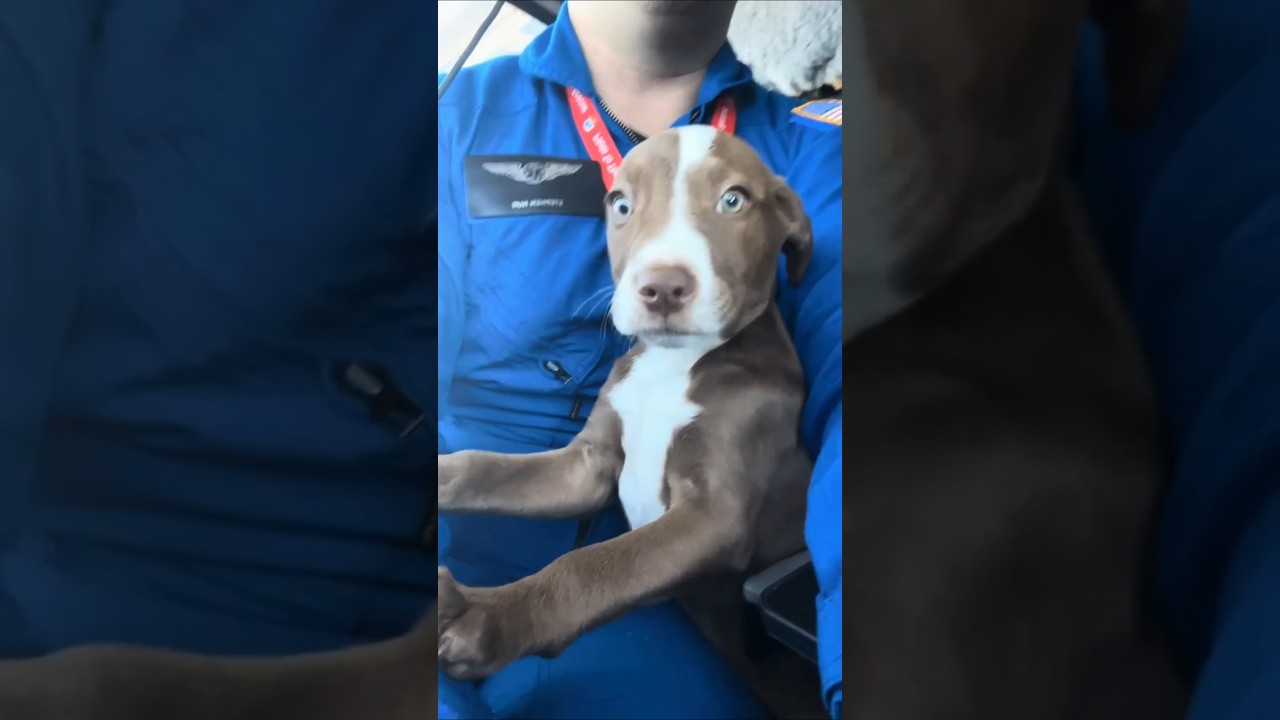
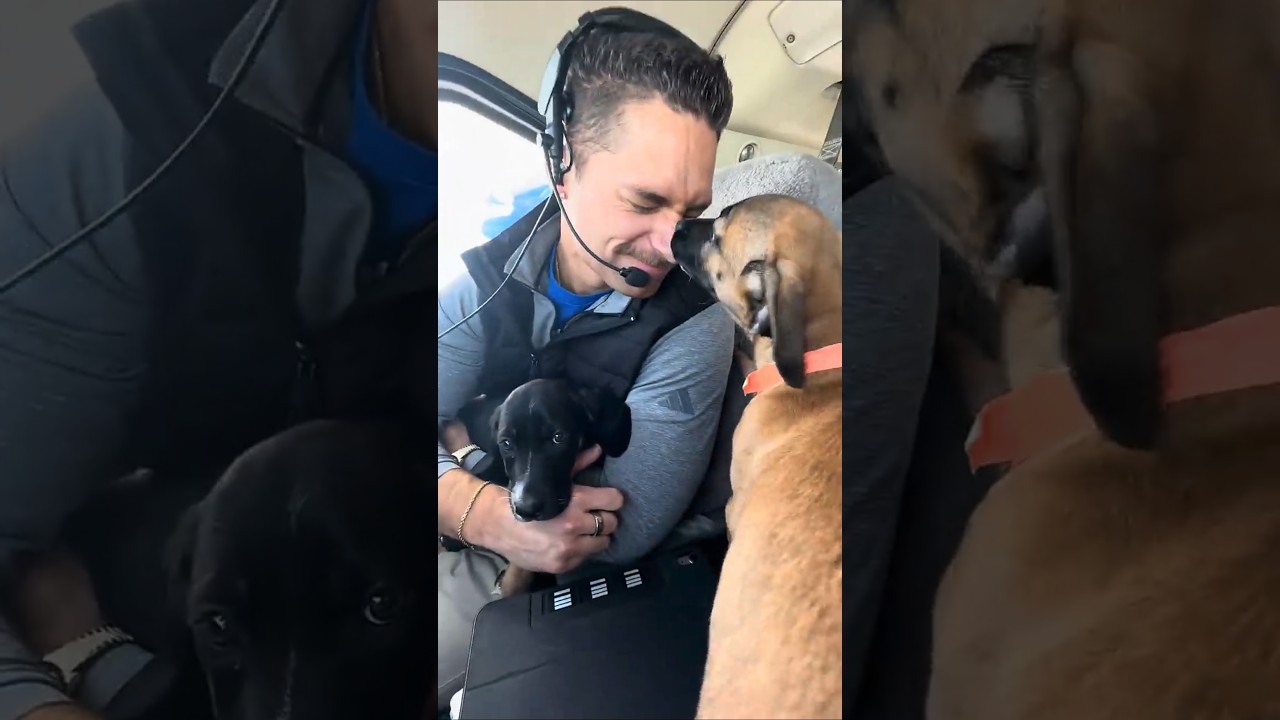
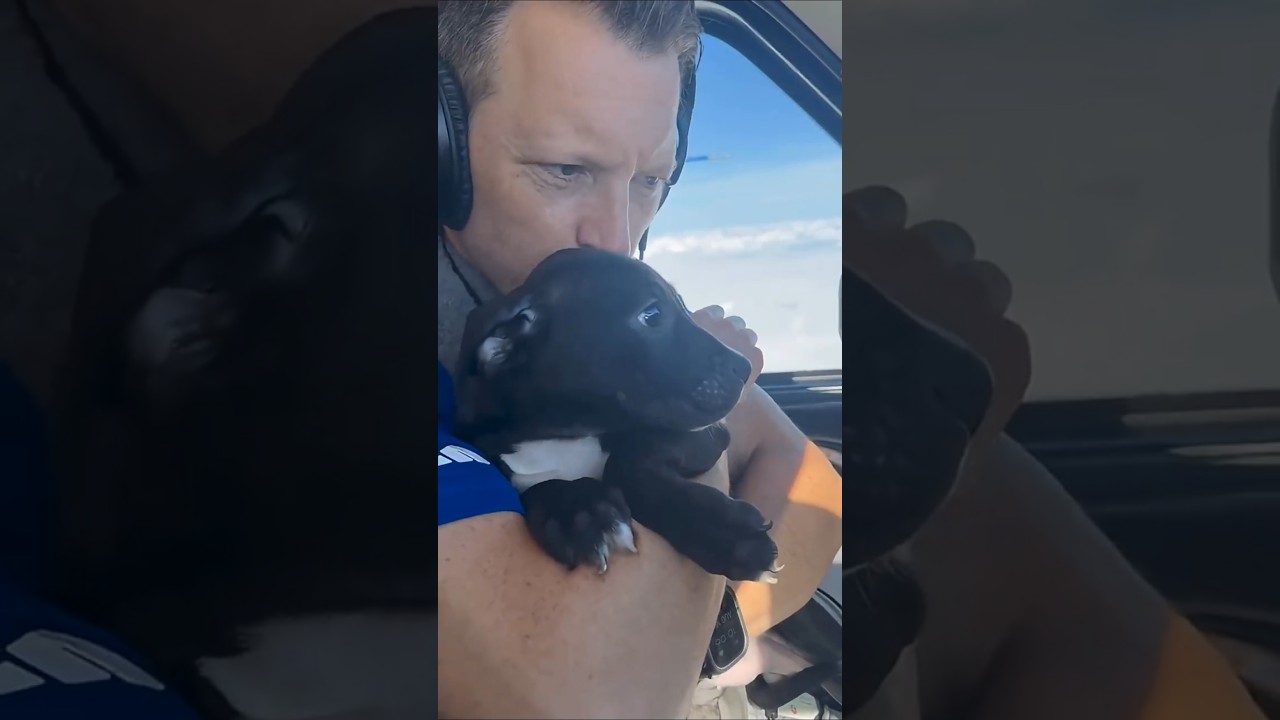
In a FOX 5 interview, Michael Schneider, founder of the Brooklyn‑based nonprofit Pilots to the Rescue, recounts how his childhood love of animals and a sky‑diving‑inspired fascination with flight led him to create an organization that uses private aircraft to transport shelter animals to sanctuaries across the United States. Founded in 2015, the group has rescued nearly 5,000 dogs, cats, sea turtles, wolves, foxes, skunks and other species, logging over 300,000 flight miles. Schneider describes the logistical challenges of flying animals—air‑fresheners, altitude‑induced sleep, and occasional bathroom breaks—while highlighting a memorable rescue of Jelly, a dog with cerebral palsy. He explains the financial side: aircraft operating costs average $750 per hour, making a typical eight‑hour round‑trip flight about $6,000, and notes that a recent mission carried 84 animals. Pilots to the Rescue partners with more than 100 shelters and sanctuaries and welcomes volunteer pilots and donors. Listeners are directed to pilots‑to‑the‑rescue.org for donations, volunteering, or to learn more about local shelter involvement.
Chapters
Welcome back. In 2015, Michael Schneider founded Pilots to the Rescue, a Brooklyn-based nonprofit that saves dogs and cats from overcrowded shelters, many at risk of being euthanized. The former events planner is now devoted to this higher calling, combining his passion for aviation and animals.
And Michael joins us now to tell us all about how this got off the ground. Thanks so much for being with us.
I'm very grateful to be here. Thank you.
It's pretty incredible to look back and think about 11-year-olds are just trying to get past long division, and you're like, I found my passion and my calling at 11 years old. Take us through the story.
I had an affinity for rescuing animals at a very young age. My family went to the local SPCA and we picked out the dog or cat. That's all I ever knew.
Yeah.
Um, and I started a pet sitting business at the early age of 11 because I just loved animals and I loved helping them out. I love that.
And how did you get into aviation and your, and your love for, for flying?
My aviation bug came from skydiving. So after a few jumps, I asked the pilot you know, what's it like to fly? And he encouraged me to take a Discovery flight, which are, you know, Discovery flights are at your local airport, and I was hooked. I signed up for lessons right away.
That's pretty incredible. So that's back in 2013 that you got your pilot's license, and then you said, how do I marry my passion and my love for flying and do something good with it? And this is what was born.
That's right. There's a lot of great rescue organizations using aircraft. Your own Nick Gregory flies for Angel Flight.
Yeah.
So I heard about people using their pilot's license to rescue animals, and I knew that was calling.
So how does it work? Um, what, what kind of missions have you done so far?
Uh, we've rescued nearly 5,000 animals and flown over 300,000 miles.
Wow.
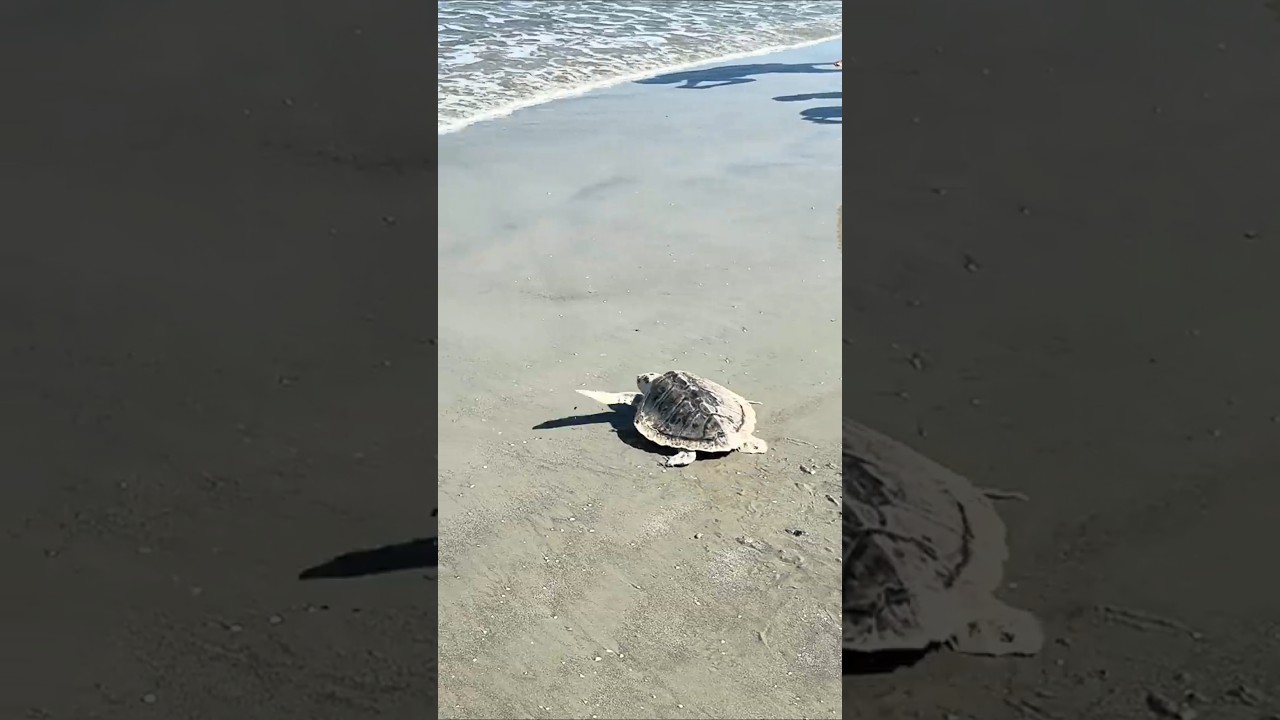
And we've done everything from dogs, cats, endangered sea turtles, and wolves.
Wow.
We've even done foxes and skunks. Oh, skunks. Even skunks. A lot of the animals end up going to sanctuaries where they live out the rest of their days. So we work with rescue partners all across the country, over 100, And we entertain new partnerships all the time.
Wow.
Was there any rescue mission that you're like, "I can't let go of this animal." Yeah, it's always the sad cases where, you know, the tripods or an animal that was abused or neglected. But one in particular was named Jelly, and this dog had cerebral palsy. And I had to literally pick up the animal out of the aircraft and bring it to the grass to use the bathroom. But the takeaway is the animal didn't know anything was wrong with it. It was just as loving. And we can learn a lot from our furry friends, seeing an animal like that. And fostering is so important, 'cause this family ended up fostering the animal, and it became a foster failure, of course.
Yeah.
What's it like having animals on your plane?
A lot of air fresheners.
Especially if you got skunks, too.
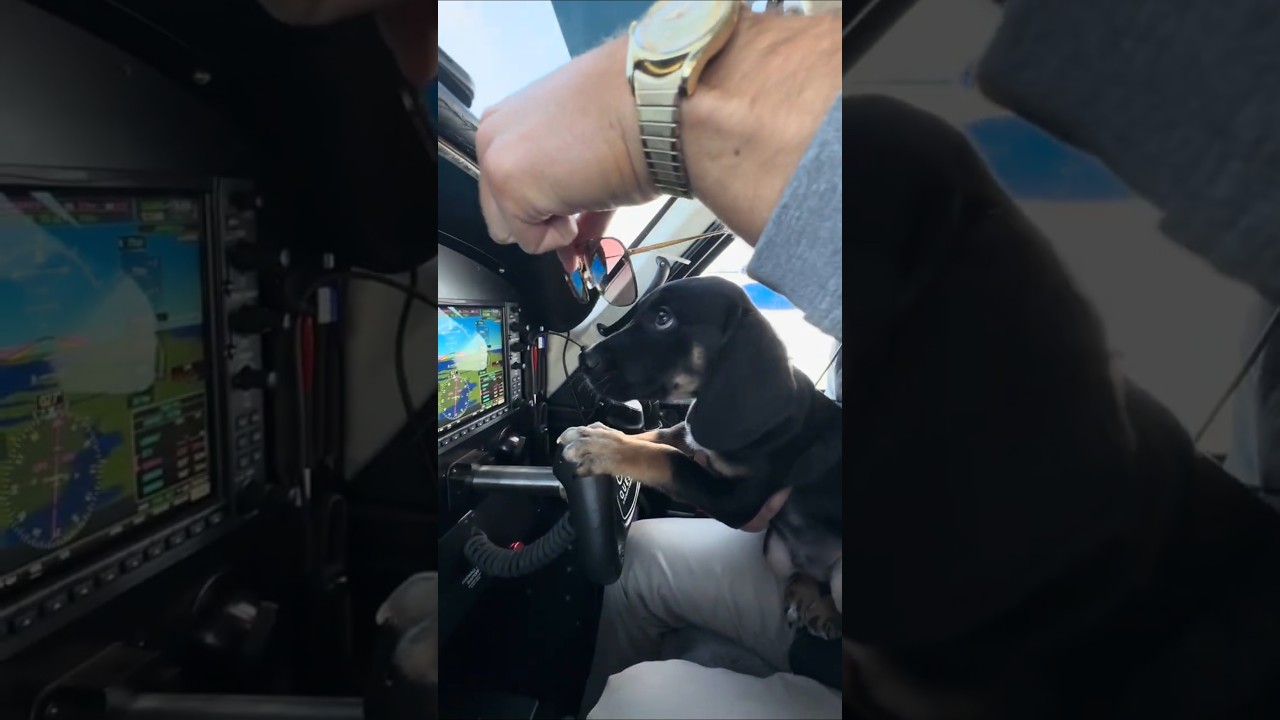
Yeah, they mainly just go to sleep because of the altitude. And once in a while you get these wafts of smells, as you can imagine.
Right, they gotta go to the bathroom.
But we love pulling out the animals whenever possible and playing with them. It makes the time go by. And it's so rewarding, and it makes me feel fulfilled and complete. Plead to do this work. It's really truly my calling, my sense of purpose.
For people that want to get involved or donate or just find out more information about what you do, where can they visit?
They can of course go to our website, pilots-to-the-rescue.org, and I would invite people to go to their local shelter also and physically get involved. It's such a rewarding experience.
Wait, should we have Nick Gregory join the whole thing? Nick, you should be on a board of something else now too, 'cause I feel like—
Yeah, oh, he needs to, sure. He's coming, he told me he's coming.
Good, there we go, I love that. If anyone wants to donate out there, I'm curious, so how much is, like, I know it depends on the destination, but how much are these flights?
They're expensive. So the operating cost of the aircraft is $750 an hour. A typical flight will be 8 hours round trip, so that's $6,000. A couple weeks ago we did 84 animals, just to give you an idea how many we fit on there. Wow.
So you guys are definitely in need of generosity at all times. Absolutely.
And pilots like Nick, maybe.
Yeah.
Right?
Yeah, we'll take it.
I'm volunteering Nick.
I know, we really are volunteering him up because we can't fly a plane, so someone else can. We certainly appreciate you being here, and thank you for sharing about what you do.