Motivation, Goals, and Life Fulfillment- Michael's full interview with The Captain's Lifestyle

In this 2021 episode of The Captain’s Lifestyle podcast, host Taylor Morgan interviews Michael Schneider, founder and executive director of the nonprofit Pilots to the Rescue. The conversation weaves through Michael’s personal transformation—from a reckless, substance‑abusing lifestyle to sober, purpose‑driven entrepreneurship—highlighting the self‑help tools that catalyzed his change, including Landmark’s “Big Game” challenge, Kabbalah study, and classic personal‑development books. Michael explains how he turned a side‑hustle aviation passion into a 501(c)(3) that uses volunteer pilots to transport rescued animals, veterans, and medical patients, detailing the organization’s growth, rescue statistics, and recent high‑profile missions such as the transport of an endangered red wolf. The dialogue also covers broader themes of goal‑setting, the role of fear versus excitement in achieving flow, the importance of mentorship and coaching, gratitude, and practical advice on overcoming self‑limiting beliefs. Throughout, Taylor intersperses promotional segments for his Captain’s Lifestyle program and a sleep‑optimization method, while both hosts discuss the value of community, gratitude, and taking uncomfortable actions to expand personal capability.
Chapters
Set an unreasonable goal in your life, give yourself a time limit to do it, and see what happens.
What's up, captains? Now, before we dive into today's episode, I have a very exciting announcement. I am now officially accepting applications to work one-on-one with me in the next round of the Captain's Lifestyle program. The next group starts July 1st and I am only accepting 10 clients. July 1st is exactly halfway through 2021. So if you're not 100% satisfied with the way the first half of the year has gone for both you and your business, this is the perfect opportunity to get things back on track. I work specifically with social entrepreneurs who want to grow their impact, optimize their work-life balance, and fulfill their entrepreneurial vision. We accomplish this by maximizing your health, happiness, and productivity. Over the course of the 3-month program, we cover the 6 pillars of optimized human performance: mindset and brain health, sleep, communication, nutrition, exercise, and biohacks. Basically everything you need to take you and your business from average to excellent. But don't take my word for it. Listen to what my former client Nori,, a financial consultant and founder of a nonprofit organization, has to say. Best decision of my life was signing up. Thanks, Taylor. I mean, come on. On average, my clients are able to increase their time management and productivity by over 300%. Imagine what you could do if you were 300 times more productive than you are right now. What would that even feel like? Well, if you're one of the lucky 10 who get accepted into my program, you'll get to find out for yourself. To start the application process, head over to info.thecaptainslifestyle.com and enter your name and email. Again, that's info.thecaptainslifestyle.com and enter your name and email. All right, now onto today's show. Hello, hello, and welcome aboard another episode of The Captain's Lifestyle Podcast. This is your captain speaking, Taylor Morgan. On today's episode, we have another special guest. His name is Michael Schneider. Michael is the founder and executive director, AKA top dog, of Pilots to the Rescue, a 501 nonprofit that he founded back in 2015 to combine his love of aviation as well as Saving Animals. Michael has over 10 years of experience as a private instrument-rated pilot with more than 600 hours. When he's not flying, he enjoys spending time with his wife, 4 boys, and his 90-pound rescue dog. Michael, welcome to the show.
Hey, thanks, thanks for having me. I appreciate it.
Of course. Uh, so as we were just talking about before we started recording, we kind of went back and forth a few times on scheduling this But I, I gotta say, you have given the most badass reason for ever needing to reschedule. The first reason was, uh, that you were doing a rescue that day.
That's right. Yeah, that, that trumps almost anything. And then the second reason is the family. That trumps even rescuing.
Yes, 100%. I'm, I'm glad that, uh, you give legitimate reasons. Both of those are amazing. Um, so now let's get into that. Well, before we get into that, just go ahead, give a brief little background about yourself personally.
Sure thing. Yeah, I'm 44 years old. I'm married with 4 boys, 5 and under, and I live in Brooklyn, New York. I never thought I would be embarking on a career in aviation, but, you know, we talk about silver linings during the pandemic, and being a serial entrepreneur, my business was— my main business was business-to-business events. Specifically hospitality interior design, which literally got eviscerated during COVID So the silver lining was I didn't know it, but this is what I really wanted to do when I grow up. It was a side hustle, it was a side charity, it was doing okay, but really it was just so I could fly a kick-ass plane that I couldn't normally afford and be close to animals, which I love. So the silver lining really was, you know, now I realize this is something I wanna do full-time. And like they always say, figure out what you want to do and then figure out a way to make a living out of it. And that's literally where I'm sitting right now in front of you today.
That's awesome. I'm glad you, you had that mindset of figure out what you want to do. And I'm guessing you mean figure out what you, you know, enjoy, what you want to enjoy doing, and then figure out how to make that a living. Because I think, I feel like so many people go the opposite route. I feel like a lot of people just figure out where the money is and then they do that thinking that the money will make them happy. What was it or how did it get ingrained to you that, you know, figure out what you wanna do first and then figure out how to make it a living?
I think it's because I already had figured out a way to make a nice living and a comfortable lifestyle. And then it's like, okay, I have enough money. I have, you know, what I want material-wise. And then I checked off the box, getting married, love my wife. Been married almost 6 years. We have 4 amazing kids. So checked off that box. Then it's about finding fulfillment. You know, I think that we are a little bit like a dog chasing our tail, trying to find happiness and fulfillment. And I realized that what the things that you do that make you feel fulfilled inside are giving back. So giving back is a way you can really reward yourself and get satisfaction in life. And, um, honestly, it's not really about making lots of money now. It's just about how can I bring— pay myself enough money to run this charity full-time because the fulfillment is off the charts. Whereas in the other job, I figured out how to make lots of money, but maybe the fulfillment wasn't really there. So fulfillment is greater than making lots of money. And now that's what— that's the realization that I came to during COVID And I think a lot of people really came to that realization because prior to the pandemic, we were all a little bit like chasing our tail.
Yeah. So when, when was it that you, or that, that mindset was fully ingrained into you? When, when did that become a realization that fulfillment is like, you derive fulfillment by giving back to other people, animals, the environment? Because for me, it took me a while to figure that out because as I'm sure most, you know, teenage boys, we grow up being pretty selfish, uh, you know, just worried about ourselves. And especially in entrepreneurship, so many people are in entrepreneurship just for themselves. They want to make all the money to have the lifestyle of freedom. And but, uh, so when did you figure out that your ideal lifestyle includes giving back?
I think it's when I started, you know, calling myself out on all my BS. You know, when I realized that it's not about me, I was basically having some issues in life, call them blind spots, call them whatever, but I wasn't able to achieve certain things that I wanted to, namely meeting a partner, meeting a— finding someone that I could marry. And I realized that that stemmed from my parents getting divorced when I was a teenager. But through that exploration, I realized there were other things I was doing to self-sabotage myself. And once I got rid of all those issues, I addressed all those issues and called myself on those— out on those things, I created enough space to realize that, okay, you know, I have all these skills, I have all these tools, I've achieved a lot in my life at a relatively young age. It's time to offer myself and use the power of listening to give other people a chance, to help other people, whether it be pets or otherwise. Because now I've, you know, done that work for myself. I mean, if I were to die today, I would be happy. Of course, there's a lot of things I want to achieve, but it's really recognizing that what you have right now is all you need to be happy. It's— of course, we all want to achieve more. Of course, we're looking for the future, but you have to be happy with what you have now. And easier said than done, but I think it's really when I truly put that work into myself and called myself out on all the issues that were sabotaging myself that I realized that it's not about me anymore. It's about going out there, making a difference, contributing to society, and that'll come back to you tenfold. There are a lot of things in my life I can't explain that are positive in my life, and I can only attribute it to the good things that I do to give back, all this rescue work that I do, all these animals that I save, all this inspiration that I'm creating for other people, it comes back to me tenfold. And that's the best thing I can say for your people listening to this podcast is whether you believe in karma or what goes around comes around, just try it, try it out. Go to your local food pantry, go to your local, uh, animal shelter, whatever it is that lights you up that you care about. Don't just write a check, actually go there, roll up your sleeves and do something and watch what happens in your life.
I want to stick on the topic that we originally started talking about before you gave me a nice little side topic to go into later.
Let's stick on what was it?
Because it takes a lot of self-awareness to call yourself out and to understand that Okay, I'm having a difficult time right now finding a partner, you know, in business, whatever it is. It takes a lot of self-awareness to understand that it's you that's causing your own problems and it's you that's holding yourself back. So you made it seem so simple, like, oh yeah, once I just called myself out. But what was it? What was it that put you in that mindset that made you realize that it was your fault and not some external circumstance that was holding you back?
Great question. Well, I certainly had quite a few breakdowns. I've definitely had my history of alcohol abuse, drug abuse, promiscuity, reckless lifestyle in my late 20s that I, waking up, not realizing how I got to a place like blacking out from partying and whatnot. Yeah. So after you have these several destructive phases, you start, you could really, you come to a precipice. You're like, Okay, is this gonna be my lifestyle? And am I gonna become a statistic like all these people you hear about? When you wake up and you're fully clothed and you're lying in a bathtub in your hotel room and you don't know how you got there and you're wondering where your car is, I could have easily been one of those people that killed someone driving drunk, you know? And you really feel for those people. So when you have a lot of those breakdowns, you realize that whatever you're doing is not working for you. So I started with restriction. I just woke up, I just decided one day, you know, I'm not gonna drink. And I was sober for 11 years.
Wow, congratulations.
Thank you. And then I did other kinds of restriction. I went without having sex so I could get close to a female in a relationship without that clouding our judgment. Obviously no drugs. And through that restriction, by taking something away, things became more clear. And then I started doing a lot of different work, self-help books, Kabbalah. What made the biggest difference in my life, and people, they may feel it, um, they may have a certain opinion about it, but I did this program called Landmark. And Landmark really was, you know, without going into the minutia about Landmark and details about it, they had this thing called, um, the Big Game. And that's where Pilots Arrested came from. And the Big Game, basically they said you have 48 hours to pick an unreasonable goal and create something you've always wanted to do, but for whatever reason, you make every excuse in the book not to do. I don't have time. I don't have money. I'm not smart enough, whatever it may be. So it was through Landmark that I worked through a lot of those issues. Kabbalah helped, self-help books helped. Pick your poison, whatever's going to work for you. But they had a very effective program because it's extremely confronting. They create these exercises like the big game, um, that you have no excuses but not to call yourself out on this BS. Um, so we explored why I wasn't able to get into a relationship with, you know, more than a few months, why I was promiscuous. And I realized that came from my parents getting divorced when I was 19. Oh, my parents got divorced. That's the only relationship I know. I guess I can't do that now. I can't get in a relationship. They got divorced. And then, you know, back to the beginning, I picked doing Pilots to Rescue, combining my love of aviation and rescuing animals because I had already started dabbling in that. And being an entrepreneur, I felt I could build a better mousetrap. So within 48 hours, I wanted to raise $10,000. I did it through my friends and family. And literally when I walked through that center after 48 hours, I raised the money. So it really, just set an unreasonable goal in your life. Give yourself a time limit to do it and see what happens. You might not make it, but that's okay. You're going to surprise yourself how much you were if you didn't try. That's right. That's right. So to answer your question, uh, it was through self-exploration, through using a multidisciplinary approach, you know, but the most effective I found to be, uh, Landmark. So that was a great program. Okay.
Was there Because it sounds like we have, you know, relatively similar paths because I used to be in the Marine Corps, you know, drunk all the time, driving drunk, you know, horrible. I myself got sober for 2 years. And, you know, it was at that time when I was just being drunk and stupid that I came to the realization like, okay, something needs to change. So for you, was there a specific moment that you can remember or was it just kind of a culmination of all of these other incidents that kind of led up to this one moment?
I think the scariest moments were the blackouts, you know, for me not being able to remember what transpired the night before. By the way, thank you for your service and being part of the Corps. That's tremendous. The fact that you were able to achieve that is great. And then you're, you're here today to talk about it. So, but yeah, it was those blackouts. I mean, that's, you scary thing to not be able to recollect what you did the night before and to wake up and be like, whoa, how did I get here? What happened? And needing to fill in those details. That's when I knew I kind of went off the deep end in that aspect. And I do thank God that I'm able to, that I was able, something inside of me or someone above was looking after me and said, hey, Michael, you need, this is not the direction you need to go. And I would love to go to those people that don't go in that direction of bringing their life back and ask them how they were not able to recognize that they didn't have a problem. You know, what did they do? Was it their ego saying, you know, you're not doing anything wrong, go out there and party. Why were we able to realize that and take action and other people weren't? The only thing I could say is, you know, I grew up in a background with, even though my parents got divorced, they provided me with a nice upbringing. Maybe it was the environment part of it.
Yeah.
Maybe it was, maybe it was the genetics, who knows, but I'm just glad I recognized that and I was able to do a 180 and, and turn my life around.
Yeah. Thank goodness. And I think, I think the, the people who are able to do that or who are able to recognize it, I think it's environment is huge because you're the sum of the 5 people you spend the most time with. So who you have around you is huge. But if you're in that situation, chances are your friends are probably doing similar things with you. So I think it goes above your environments. I think it also goes to like your, your conditioning, like your past experiences. So for me, I know that what was able to pull me out of that was my upbringing. Like I was always, you know, I was never a bad kid. I was always, you know, above average in like athletics and school. I always considered myself a high achiever. And then I woke up one day, well, it was after this certain incident and I was like, this is not who I want to be. And it like just switched. I started, you know, diving deep into the self-help realm just like you did. And so that leads me to my next question. Uh, first off, what is Kabbalah? I've never heard of that.
Kabbalah is Jewish mysticism.
Um, interesting.
Yeah, it's been around for over 5,000 years, and it focuses on, uh, tikkun. What tikkun is, um, giving back. It's in a form of light. Um, if, you know, there's, there's a lot of, um, other parallel religions and, and transformational work that It's similar to Kabbalah, but it focuses on your body as a vessel. And the more you fill up the vessel, the more it runs over, so you have light to give back to people. So it's interesting. It's very interesting work. And you don't have to be Jewish to do it, although some extreme sects of Kabbalah believe that you should be Jewish and that you have to be at least 40 years old.
There's all these rules, but you can go down to—
There's always those extremes. Yeah, yeah, of course. The one thing I will say now speaking with you referencing like how I was able to bring myself back from the precipice. I actually owe some of that to my older brother. He was a problem child growing up and he got in far worse trouble than I did. So that may have had something to do with it, you know, setting a bad example, my older brother.
You kind of knew that path.
It's possible. And I remember he tried to, I got wrapped up in some of his bad deeds growing up in high school, earlier age where he got in more trouble. And I was like, oh, maybe I should, you you know.
Yeah.
So some of that might have— yeah, yeah, some of that might be working. You have siblings?
I, I do. I have a younger brother, so that specific thing doesn't really apply to me. But okay, I think, I think another part of it is I, I just didn't want to, I guess, let my family down because I, I don't know, I just didn't want to be seen as, you know, this— not that they ever thought this because, you know, to, to the outside world, if you were to look at me at the time, you'd be like, 'Oh wow, he's a fit dude, CrossFit coach in the Marine Corps, like he's doing good things.' But I knew personally that I wasn't reaching my expectations that I had set for myself, and I didn't want to, you know, shy away from that, both selfishly and also to, you know, to always strive for greatness for in the eyes of my parents and family, all that stuff. Um, okay, next question. What is, uh, Landmark? You mentioned a little bit about it. Is that like a coaching course? Is that in person, online?
Yeah. So I'm sure they do a lot of stuff online because of the pandemic, but, and now they're probably getting back to person, but it's trans— they call it transformational work. It's not like therapy. Um, they have these centers, they're all around the, all around the world. And basically they focus on these blind spots. So basically we do things to self-sabotage ourselves, or we're not able to achieve certain things in life and we don't understand why. You know, it's sort of like you have these blind spots. So they do these explorative— exploration of what are you doing or what are you not doing to not achieve your goals. And a lot of times it's wrapped into a story or reasons or things that happened in the past that are, you know, creating lenses and filters, a certain way of looking at life. And They, through group sharing or partner sharing, you explore. It's like a very confronting boot camp. So they have the forum as the first program, then they have the advanced course, and then they have this thing called Self-Expression Leadership Program. And it has— Landmark doesn't have the greatest reputation because it comes from EST. EST is Werner Erhard, one of the founders of Scientology. So Landmark bought that technology from Estes and they've done a lot to rid themselves of that bad stuff in the past, but it's a terrific program. I would highly recommend it. It's one of the best educations I ever got. I owe them my marriage. I owe them my kids. I owe them this charity and I owe them this sense of freedom and the ability just to be with people and have the power of listening and understand that it's not about me.. And it makes me a highly effective and powerful person in life. And I really do owe a lot to that, to Landmark. I'm a big proponent of it. I haven't done anything to enroll and register anybody in years, but to this day, it's had a profound effect on me. Where it kind of goes sideways a little bit is they try to, they want you to enroll people that are in your life that you love, your friends and family. And then it becomes a little bit like, oh, is it a cult? You know, like I'm working for Landmark for free. Put all that aside., you know, get out of it as much as you can. And if that works for you, you want to go up into teaching other people, great. If it doesn't work for you, it didn't work for me. I didn't want to become a coach for free. And at that point I was like, thank you, Landmark. Now I'm going to go out in the world and make a difference, not for Landmark, but for me, my family, for the charity. That's really what it's about. And it's not easy for everybody to separate those two things, but it's a great, great program. Highly recommend it. Awesome.
Yeah. Okay. And for everybody listening, I'll put links to everything we mentioned in the show notes. Um, and this has been a common recurrence for every high-achieving entrepreneur that I interview, some type of coaching and/or mentorship. And I was talking with my client on a podcast the other day who just finished up my program, and he now realizes that some type of coaching and/or mentorship is essentially required to be an entrepreneur because everybody else has one. Everybody else is constantly getting better. So if you're the only one who doesn't have a mentor who can, you know, teach you, show you your blind spots, you're going to stay at the same level and everybody else is going to progress. So yeah, I just want to emphasize this for all the listeners. If you don't have some type of coach or mentor that you can look up to, you, that should be a priority. And it doesn't have to be a paid thing like podcast. What you're listening to right now is a great start. Um, obviously one-on-one or, you know, intimate group programs are best because you can get personalized and custom results tailored to your specific situation. Uh, but then there's things like books, which you also mentioned. What are some of the books that you would recommend or that you use to, to start this journey?
Yeah, some of my favorites are like How to Win and Influence People, Dale Carnegie. Yeah, I would say it's probably— it's just such simple and effective advice. My grandfather, who was a big entrepreneur, that was one of his favorite books, and it became one of my favorite books. Absolutely, that's one of my favorite. Um, there's— I can't remember some of the other ones. Uh, there's, uh, like The Secret. I know that's way out there, but I really enjoyed that book. Because it's about just thinking about and visualizing what you want, and it's going to come to you. And I really do believe in that. It's the power of positive thinking and thought. You know, if you can visualize what you want in life and you align your thoughts with that, then you're going to attract— we're all connected. This whole universe is connected. There's a reason why you chose me and why I'm speaking to you right now, and such amazing things have come out of it that we can't even fathom right now. It might not happen right now or tomorrow, but It could happen months or years from now. So, um, there's another guy too, the, um, I'm gonna have to think about it and get back to you later. Um, The Power of Now, that had a lot of influence on me too.
So Carnegie, Tolle, um, whoever wrote The Secret or How to Win Friends and Influence People, that's among my top 3 books that I recommend every single person read. I've read it 3 times. I just think everybody needs to understand those principles in that book just because they're so foundational to not only health and happiness, because relationships play a huge role in your health and happiness, but also for business too, because you have to be able to make quality connections with other people in business in order to have a successful business. Um, and yeah, again, we'll, we'll link to all these things in the show notes, but people think that like manifestation and, you know, setting goals and, okay, if I think it, I can achieve it. People people think that that's all woo-woo and it's kind of out there, but it's really not. Like, honestly, like, yes, you have to put hard work into it, of course. But if you just put that energy out into the universe, like you were saying with the, uh, what's it called, the Big Game as part of the Landmark Program. Yeah. Self-limiting beliefs are holding you back from everything you want. And I love that they said, okay, go make or come up with some big, hairy, audacious goal. You have 48 hours to achieve it. And then look what happened. You actually raised the $10,000 in 2 days. Like, if you wouldn't have gone through that program, that never would have happened. It would have stayed this, oh yeah, maybe someday I'll get to that in your head. But because you were able to manifest it, essentially you, you thought it, you took action to make it happen, and then it happened. I think people drastically underestimate what they're actually capable of. And a lot of that's just because they never— they just think that that's not possible. So they just keep it as a maybe one day I'll get to that.
But, um, human beings are way more powerful than they think they are. The average, you know, the, the, you know, it's amazing the things that we've accomplished as a, as, as a human race. And you're only limited, your possibilities are only limited by what you believe or you believe you can't do.
Yeah.
So it's that simple. I'm sure going through the Marine Corps, like to most people is like, how physically and emotionally am I going to be able to do that? But plenty of people have done it, right? And that you're in your subconscious when you're going through your training, I'm sure at times it was like, I can't do this, but you realize, well, yes, I can do it. And I have my fellow soldiers to prop me up and I'm only as strong as my weakest link and all this stuff. So life is like training. And to go back to your point about before about having a mentor or coach, absolutely. If you're not always learning, you're not growing. If you're not, I tell people when I'm flying, one of the reasons I love flying is because not only do I learn something with every flight, but I scare myself a little bit every time I fly. It's still scary for me to fly, by the way. I have nearly 700 hours and been flying for over 10 years. It's still scary. Things happen. And it is dangerous. Just like when I had a motorcycle and jumped on the bike. I mean, I didn't go on and get on the bike thinking, oh, I'm going to get in a crash today. Because you're not, you're probably not going to ride that well if you're like worried. Same with flying. But it's important to scare yourself a little bit every day to keep pushing yourself because that's how you expand as a human being. And the training and the mentorship is a huge part of that. Really what we need to do sometimes are things that we don't want to, and that's how we grow, you know?
Absolutely.
You know, whether it's, oh, I don't want to work out, but that's the time you need to work out. I don't want to have that difficult conversation with that person I haven't spoken to in a while, you know? So that's the confrontation, you know, with your ego and this voice in your head that gets— that voice in your head, that sponge gets in the way of everything that you can accomplish. So when you feel like you can't accomplish or do something in life, look in the mirror, say, what am I doing that's keeping me from doing it? Stop doing it. And just be in action. I'm a big proponent of being in action. Like don't overthink things because that gets in the way of progress. It's that simple. You know, I'm not saying like be impulsive, not that, like, of course things require some planning, But if you find yourself procrastinating or you find yourself drawing, you know, pushing something off or drawing it out at the risk of maybe being a little impulsive, just be in action and do it. What's the worst that can happen? You know?
Yeah. I always like to say that anytime you feel hesitation or you feel like it'll be an uncomfortable situation or you don't want to do something, I say, okay, that is your cue that you need to go do that thing. Like that thing that you feel, uh, discomfort or hesitation about doing, that is what's holding you back from success. So if you go do that thing, that will bring you closer to your goal.
It's the hot girl in the bar.
Yeah, nobody wants to go up and talk to her, but the only way you're going to get to her is if you go up and talk to her.
Yeah, yeah. And we're in 2021, so if there's any female listeners Right? Don't we as guys find it doesn't matter how she looks. If a girl comes up to you and hits on you, it's great. Oh wow.
You know, it feels good. You want it.
You're wanted. It doesn't matter if she's like the, you know, unattractive or not your type. It doesn't matter. So it's just recognizing an opportunity and seizing it. And if it just, if it means you're slightly impulsive and you fall flat on your face, so what? Get up, do it again.
Good experience.
Practice.
Yo, Taylor here. So I'm sure you've heard me harp on sleep in basically every single podcast and video that I put out because it truly is that important. And I'm excited to announce that I've created something very simple and very tactical that you guys can use to start improving your sleep immediately. In fact, it is the fastest way to improve the quality of your sleep and therefore the quality of your life with amazing results after just 1 to single night of implementation. Seriously, this is the same nightly ritual that I personally use, and it's the same strategy that I teach all of my high-performing clients in the Captain's Lifestyle program. It's the 4-3-2-1-30 method, and I'm giving it away to you guys for free. All you have to do is follow the link in my Instagram bio or in the show notes of this podcast, and I'll send it over so you can start sleeping better tonight.. But please do not sleep on this offer. It's literally free. So no excuses. Go do it. And sweet dreams. So Ryan Hudson-Peralta, the most inspirational dude I've ever met. He was born with no arms, no legs, has accomplished more things than most able-bodied people. He's actually flown a plane and landed it, which is incredible with no arms or legs. I don't know how, but he's successful entrepreneur. Anyways, one of his quotes is, "Fail and figure it out." So for him, failure is a must. So the common phrase, "Failure is not an option," that's bullshit. Like, you should actively be seeking out chances and opportunities to fail because the more you fail, the more you can learn and implement, you know, the strategies to improve and get better.
Absolutely. I totally agree with that. Um, I, I, that reminds me of this graphic of a guy who's doing push-ups in a wheelchair and it's like failure is not an option. Yeah.
You know, love that.
This guy's got no, no, doesn't have use of his legs. He's doing push-ups with a wheelchair attached to him. You know, it's like, what are you complaining about?
Exactly. Yeah. This guy Ryan, um, again, no arms, no legs, and he still works out. So if you think that you have an excuse to not work out, you're bullshitting yourself. That is, that is an example of a self-limiting belief. You know, you are the only one holding yourself back. Um, yeah, so no excuses. It's crazy.
But that's, it's really great that you— it's very poignant, this analogy that you're making, because I use it a lot with my kids. You know, my oldest is 5 years old. My, the 3-year-old I have, you probably hear him screaming in the background.
Yeah.
Um, so I oftentimes give references to kids that don't have food or don't have the ability to move, and just as a— to try to ingrain in them that they have a lot of privilege. They are growing— yeah, they're growing up with a lot of benefits, and they need to achieve as much as they can with the tools that they're given, you know. I don't think it's a bad thing to ingrain that in your kids at an early age, you know. Let them know that there's other people out there that have are at a less advantage and actually can achieve more.
Yeah, um, it's all about perspective.
That's right. Yeah, yeah.
Um, it's, it's unfortunate that a lot of the, the depression comes from a lack of gratitude, you know, because, you know, the millionaires, for example, or billionaires, they're their sons or daughters, if they don't raise them properly, you know, they're just— they grow up to be entitled to all this whatever, and then they're not truly happy because they, they don't understand how lucky they are to actually have all that. That, you know, maybe they didn't have to work for anything, so they don't understand the value of things. But I always like to say gratitude is an amazing drug. Like, no matter what your situation, material possessions money, none of that matters if you're grateful. You know, there's people in third world countries who seemingly to us have nothing, but they're some of the most happy people on the planet because they have each other. They have their relationships, which is one of the best things you can have for health and happiness. Um, so yeah, I love that, that you're teaching your kids that. Um, something that I wanted to go back to is you mentioned every time you fly you get a little bit scared. Do you experience flow, flow state when you're flying? You familiar with that?
Uh, I've heard that term before. If you could describe it to me.
Yeah, so it basically, it just means that, you know, you're in the zone, you're focused. It's kind of like, uh, tunnel vision. Do you experience that when you're flying?
Yeah, so one of the reasons I love flying is because it creates— it demands presence and attention, and everything else in my life kind of just melts away. And while I'm up there, I don't think about anything other than being in this machine and responsible for myself and the other people and people on the ground and all these animals that I'm transporting. So I would definitely say the flow state is an accurate representation of what it's like to fly or anybody that's connected to something they're really passionate about. Yeah. Um, so absolutely.
Okay. Yeah. I was just, because I'm reading, um, Steven Kotler's book, his new book, The Art of Impossible. He's a peak performance coach like myself. And in there, he talks about one of the things to achieve flow state is there has to be, you know, a very small level of fear or discomfort or challenge, something, you know. He gives an example of, you know, people who do extreme sports like extreme skiers or whatever. There's always some level of fear there. It's not that those extreme sports, you know, athletes don't experience fear. They're scared, but they do it anyways. And by putting themselves into those increasingly more challenging situations that, you know, because they're in flow state, then they're able to perform like that. But if you just took me and put me in that situation, it would be— I would be overloaded with fear because I hadn't been trained for that. So there's gotta be a slight, just little level of fear or challenge to be into that flow state.
Yeah. It creates a heightened sense of awareness.
Exactly.
Keeping you on your toes, making you really sharp.
Yes.
And I would agree with that statement for sure. Yeah. You know, it's funny. I'm pretty sure that fear and excitement are— your body physiologically doesn't know the difference. It's only the brain that makes the choice.
It's how you think about it. Yep. Yeah.
Is this scary or is this exciting? Exciting, you know? So with a little bit of training and trust and skills, that scary turns into— can turn into exciting. And you make the choice.
100%. So the only reason— well, I'd say there's, I guess, two reasons why people would be scared. One is that there's immediate, you know, danger, like you will experience bodily harm if you fail. And then number two is like the social isolation fear. For example, public speaking is the number one fear, but there's no danger when you're public speaking. There's absolutely zero danger besides the fact if there's some crazy person in the audience who's wanting to attack you. But you know, besides that crazy random situation, there's absolutely no actual danger in public speaking. The reason why it's a fear of most people is because you know, the back to the tribal mentality. If, for example, your speech bombs and everybody boos you, which would never happen, people are not that disrespectful, at least I hope not, then you would be ostracized from the group. You know, you'd be kicked out, social isolation. That back in the day would lead to death because you're away from the tribe, you can't survive on your own. But now it doesn't matter. So now if you switch your mindset to, like you said, excited, Then it's like, wow, it turns away from fear and goes into excitement. That's a whole, you know, new, new experience. But before we run out of time, I, I want to get into the reason why I had you on this show in the first place, which is your business, Pilots to the Rescue. Tell me about— so we talked about what, you know, got you into that, but tell me how it's been going the past few years. So you said it was founded in 2015. But then you said that because of the lockdowns, then you really started going 100% into it.
Yeah. So the one thing I'll say is it's not a business, it's a 501 charity. Yeah. So the reason why I mentioned 501 is because we're a public benefit organization. We are here and exist to benefit the public. What does that mean? That means my priority is not profiting or putting money in my pocket, never has been. As a matter of fact, the first 5 years I ran the organization, I paid myself zero. It was only till this year that I kicked myself off the board and made myself executive director, paying myself a paltry salary only so that I can dedicate more to what I love and I'm passionate about. And there's no way anybody's gonna be able to hire someone like me for as little money as I'm paying myself. But that comes up a lot with charities, you know, some of these more established charities that bring in millions of dollars. You start looking at about how much they pay their executives and people are like, hmm, how much money actually goes to the cause, et cetera. So these smaller charities that are a little bit under the radar or newer are actually great charities to give to because a higher proportion of the money does actually go to the cause. Just a little tidbit if you were thinking about donating to a charity. So Pilots to Rescue started in 2015 and up until 2020, last year, we rescued just over 500 animals, and this year we're on pace to exceed that, more than 500. So this year will be more than the whole history of the organization. That's the transformational shift, is last year during COVID I realized, you know, this is what I really want to do. I want to focus more attention. So then I started making those changes, and I've been— I've done 18 missions this year so far. Um, and I'm hoping we can reach our goal of 1,000 animals saved, um, which doesn't sound like a whole lot when you consider this volume of animals that are still being euthanized in the country. But what I realized is it's, it's kind of novel. It's a novelty to rescue animals using an aircraft. There's only, there's only a handful of us doing this. So we're creating more awareness about this problem of euthanizing animals. It's a, it's a vehicle, it's a mechanism to spread awareness. You know, because 1,000 animals when you're— when we're euthanizing close to a million still in this country is nothing. Um, but by our storytelling, which is part of what you do also when you do podcasts, you're, you're, you're sending out a message. Um, and our, you know, social media and stuff like that, we're, we're getting people's attention, let's put it that way. Um, so that, that's really helped.
I'm looking at your website right now And it says that you've rescued one wolf.
That's right. Yeah, we've done 3 wolves in the history of the organization, but this year was a big deal. That red wolf was named Devin. They all have these, they all have these numbers. It's like DV5940 or whatever. So they affectionately named the wolf Devin, but we rescued that wolf. We brought him from the Wolf Conservation Center in New York, in Westchester County, down to North Carolina. And that was a big deal because they're releasing that wolf to the wild and they only release red wolves every few years and it needed federal court approval. So the red wolf is the most endangered canine in the whole world. There's only like 10 of them, 10 red wolves in the wild that we know of. Collared red wolves. That's it in the whole world.
Holy shit.
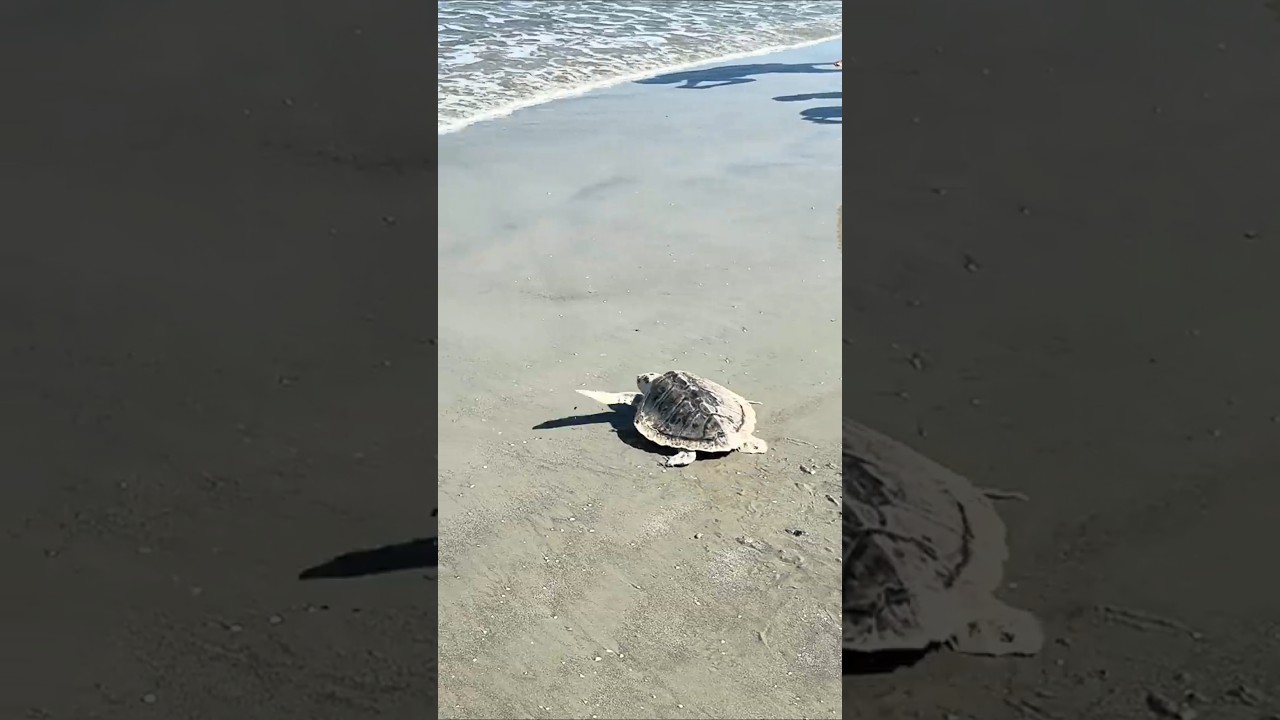
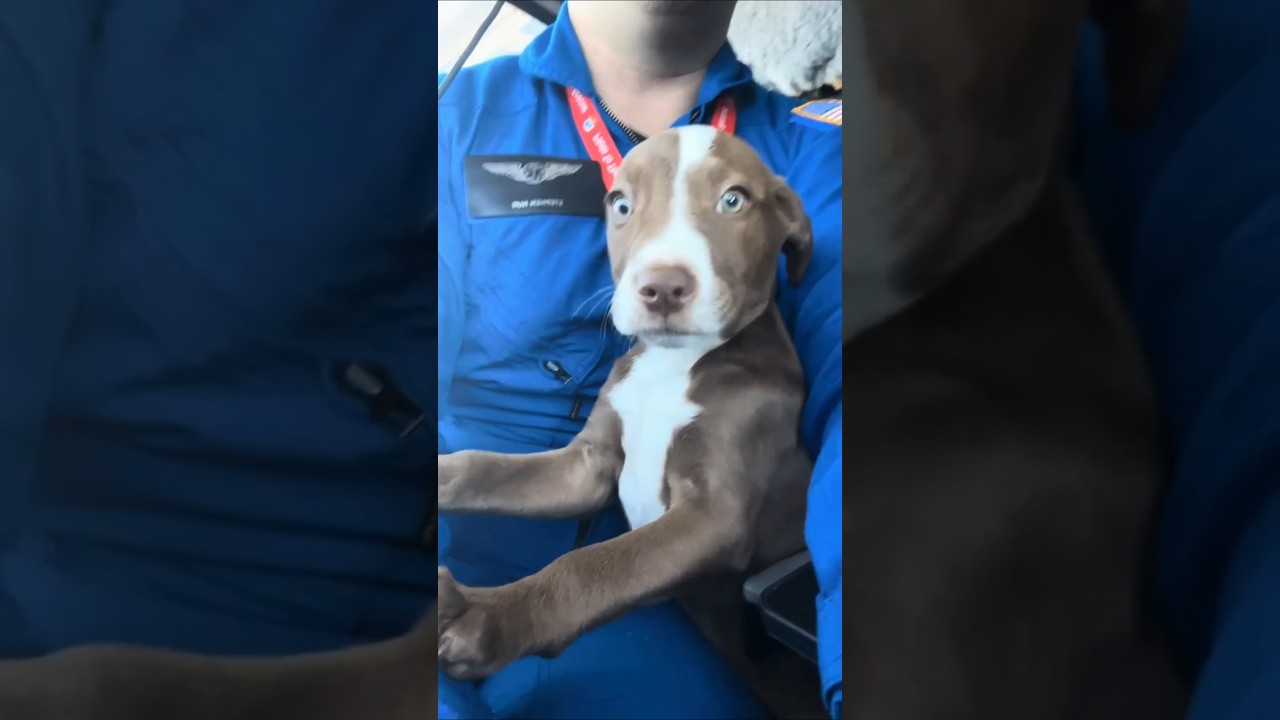
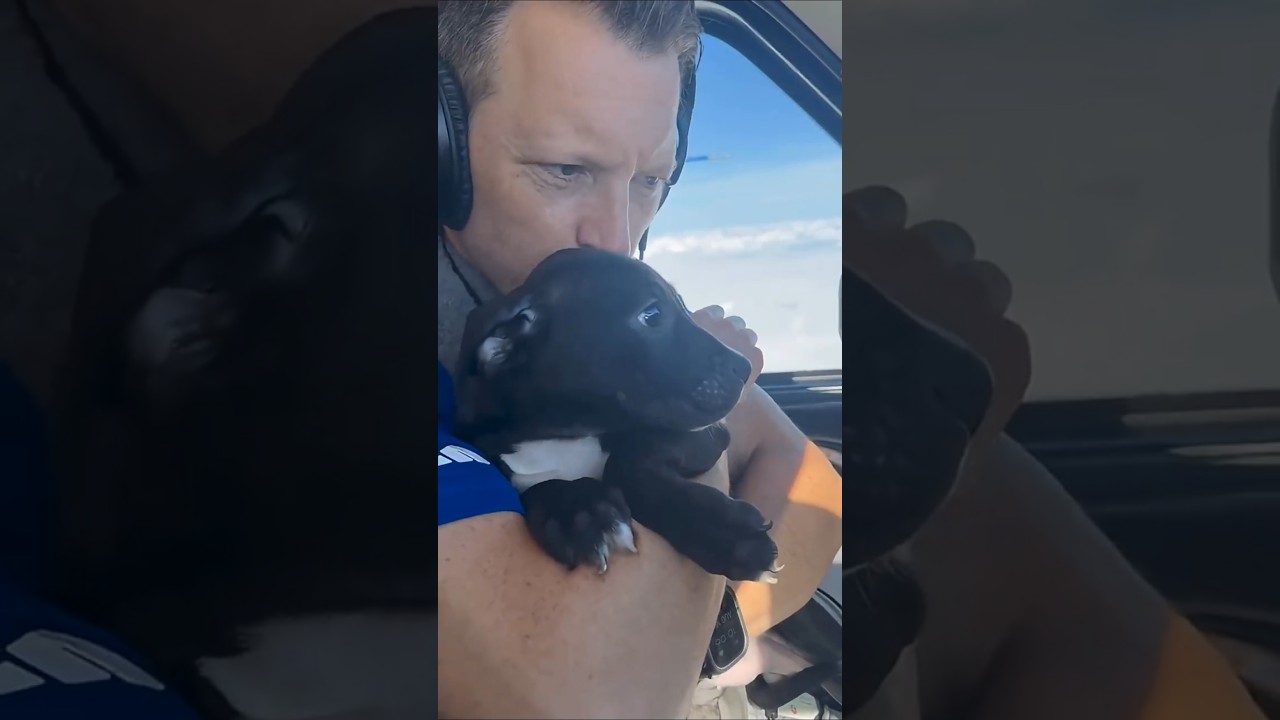
Yeah. Yeah. So by actually, um, helping transport these animals and mating them with other ones, We're keeping that species going. And what people don't understand is endangered species, why you want to save them is they're part of a larger ecosystem. We are part of that ecosystem. People don't get that. No. So if that red wolf goes away, some other animals can proliferate. And this has happened. There's countless stories of this. So we need it to keep the ecosystem in balance. Um, and where would the domesticated dog be without the wolf? If you go back and you research about wolves, And dogs, dogs are domesticated wolves. So wolves realized that if they were played nice with humans, you know, they saw these fires, they saw us cooking food. If they played nice with humans, they would get food. So over time, evolution, the dog became domesticated. So it's really, it's really important to do that kind of work. And I can really give back in more of a, a fundamental way when I rescue one wolf. Uh, not to, not to say that dogs and cats are not worth it. That's our bread and butter, what we do every day. But, uh, we've done sea turtles also. We've done, we've done veteran airlifts. We've helped, uh, veterans, uh, get to places to, to see loved ones. Um, that— yeah, we've done that. Um, we've done foster flights for foster kids, discovery flights. Um, so we do all kinds of public benefit flights even though we're known for animals.
Wow, that's cool. Um, before we go on, what do you know the, the word for that, uh Is it like a keystone species or something? Like, uh, if you picture an arch and like an arch made out of blocks and you take out the middle block, then the whole, you know, ecosystem structure collapses. Do you know the specific word for that? I'm blanking on it.
Um, don't know this. For the ecosystem collapsing, if you take out an animal or something? Yeah. Collapse, species collapse. No, like the—
I don't know, I can't remember the word. But yeah, the coral reefs, for example, that's another good example. Like, people don't understand, like, if the coral reefs go away, like, us as a human race is going to be endangered just because of how huge of a role that plays in the whole entire ocean. And obviously, if We don't have a healthy ocean, we won't have a healthy population.
Yeah. Or bees. Bees with the colony disorders, you know, a lot of fruits and vegetables need to be pollinated. Yeah, yeah, absolutely. So that's important work. Um, and when you transport those endangered animals, it's always a crapshoot. You don't know if they're going to thrive in their new environment, but yeah, you have to try. You have to try.
So, so you mentioned you help, uh, humans as well, other than animals. So do you want to Read us the mission statement of Pilots to the Rescue.
Read the mission statement?
Yeah.
Oh, do I want you to read it?
No, I— do you know the mission statement off the top?
Yeah, I would, I would have to look it up word for word, but basically we're a public benefit aviation organization and we help, uh, volunteer pilots, um, give back by doing rescue flights for animals or medical flights. Veterans, um, wherever we can make an aviation resource benefit public society. And a lot of times it's getting people or animals to places faster because they could not endure that length of drive. So we try to place the aviation resources where they're most needed. And a lot of the times for the animals, certainly senior dog, senior animals, disabled, sick, But also to alleviate the ground crews. You know, there are amazing people doing work. Talk about wanting to give back. If you want to give back, you don't have to be a pilot. If you have a car and a driver's license, you could drive these animals as long as you like going on the road. So we oftentimes become— alleviate those amazing ground heroes, ground transport, um, in with what— with the work that we do. Uh, but our mission statement is putting our— these, uh, aviation resources to good to good use because it would be very expensive to charter these aircraft otherwise. Mm-hmm.
So it sounds like there's 3, possibly more, benefits of the aviation rescue. One, the kind of storytelling aspect of it. You get to brand yourself a little bit different to get the awareness out there. Two, the speed of it, um, because obviously it's faster than, uh, ground travel. And then 3, you're alleviating the, you know, ground forces who are already overworked.
Is there any—
are there any other benefits of the aviation aspect of it?
Well, we do promote general aviation, which is a dying thing. Unfortunately, it's become very time-consuming and costly. So there's the— I love being an aviator and a pilot, and I love to offer that to other people. So I've been bringing more influencers with me and sharing the experience, and that, you know, they push it out to their channels. They also like to come on a rescue flight and experience it. And I'd like to think to some degree I'm spreading the, um, goodwill of general aviation, which is amazing thing that the fact that a citizen can study and become a pilot and some amazing responsibility. But if it makes you a better person, that's really the takeaway. It's not about going from point A to point B. It's about climbing that mountain and achieving something and then being able to do something that not everybody else can do, um, like becoming a Marine. I mean, how many people can do that, right? And that is ingrained in every fiber of your being and how you approach life and how you're able to accomplish certain things. And the— becoming a pilot's the same thing. So I would say spreading general aviation has become a responsibility of mine now Um, because I am more visible in the community and we need more aviators like myself. We need more females in aviation. So whenever I see a female pilot, I always commend them because we need more of that happening. They make excellent pilots, arguably better than men because they're better multitaskers.
Hmm. Interesting.
Yeah.
So what is the best thing that you've learned from being a pilot?
The best thing I learned from being a pilot is how to handle stressful situations or urgent situations should they come up. There are rarely emergencies, by the way. We all go out there in life thinking, oh my God, that person cut me off, it's an act of war in a car, you know. So if being a pilot, you have to be calm, you have to approach, you have to have aeronautical decision-making that's you know, sound, ADM we call it. You need to recognize hazardous attitudes like impulsivity and being macho and these type of, there's certain antidotes to it. I mean, this is stuff that I'm learning right now. I'm getting my commercial pilot's license right now. And it seems so logical, right? But we don't necessarily study it. And then when you read those hazardous attitudes, you realize, wow, yeah, those things would not work while flying this plane. But they also don't work well in life. So the best thing I learned from being a pilot really is there's rarely emergencies. It's about what you do when the urgent situations arise.
You know, I like how you're crying in the background. Yeah. I was just gonna say, I like how your, your voice is getting louder as the kids are getting louder in the background.
Yeah. Um, it puts things in perspective.
Yeah.
You know?
Okay. Uh, let's, let's, uh, or can you tell us a crazy rescue story that comes to mind? Like, What's one of the more, I guess, non-routine ones that you've been through?
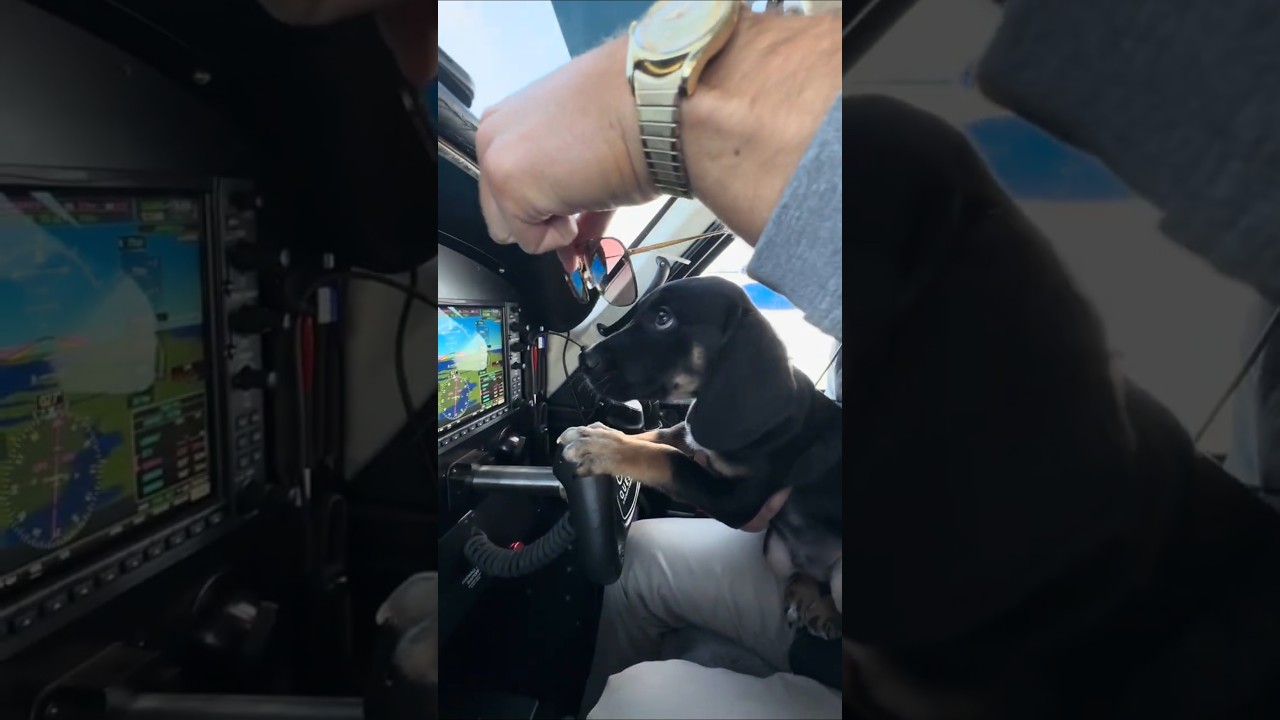
Sure. So mechanically with these older planes, the plane we fly is 1982. The one we had before was a '77. It almost doesn't matter the age of the plane. Things break all the time. But a few that come to mind are the— I've had situations where I've had mechanical failures, like I lost an alternator. And when you lose your alternator, eventually you're going to lose all electric in the plane. That was going in to pick up animals, so not so much with the animals, but I did have a full load of animals once and I landed in an instrument approach, which basically means you can't see anything and you have to land just by instruments. And then I've also lost a brake, um, upon landing, so the— it just goes to the floor and you have to feather it. But specific to the animals themselves, I've had escape artists, escape artists in the plane and escape artists at the airport. So in the plane—
I'm guessing.
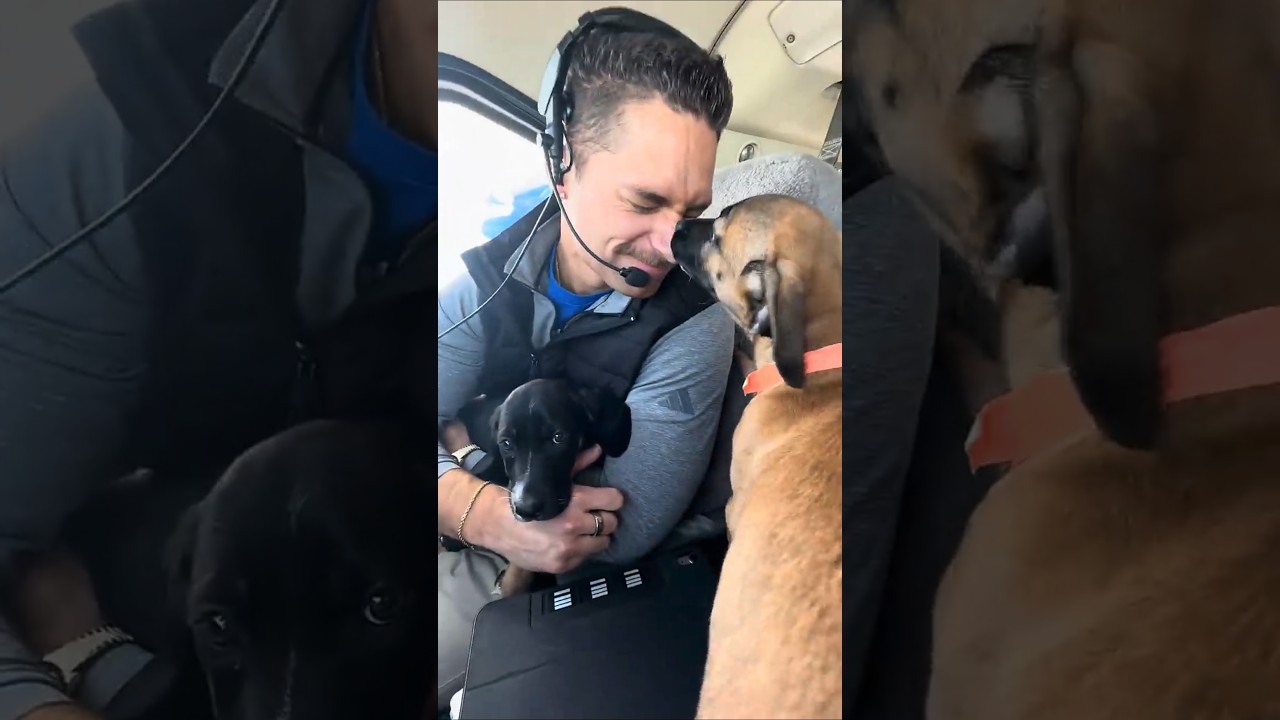
Yeah, it was a cat in the plane, you know, crawl up over my shoulder, you know. So, and, you know, so luckily nothing happened, but I've had that happen. And then dogs, when you open up the crate, sometimes they dart out of there. You got to be ready to slip leashes. And when they get out in the runway environments, uh, you have to notify someone because you can have planes landing and departing and they have to go out and get the animals. So yeah. Um, let's see, I think that's pretty much it. The disabled animals really got me. They're missing limbs or missing eyes, or I remember this one dog that was blind and another one that had cerebral palsy. Um, but I've never been bitten. Um, I consider myself a pretty good dog handler. I would never take an animal that was vicious, and generally they don't— that's a safety of flight thing. So, um, I've, I've identified animals that have been very stressed And the loading and unloading issues, specifically the loading of the, of the animals, um, when you get to the receiving end, it's not as bad. But the loading in the animals is when you could start to identify animals that are overstressed. And we had one not too long ago, it was actually eating through the plastic crate and it was getting really bloody and it was just very distressed. So we took that animal off, um, we didn't fly with it and, you know, everything was fine. But, um, And then they poo and they vomit and pee and all that stuff, and you get these smells in the cabin. Yeah, so you got to redirect the vents and all that stuff.
Have you thought about using any type of, um, CBD is what comes to mind for me, for the animals, for the stressed out ones, just to get them to relax? Or what are some of your stress reduction tactics, if you have any?
Yeah, so we generally, we don't feed the animals anything before they go in transport just to keep the pee and the poo and all that stuff down. I've received CBD supplements before, but I generally don't give the animals anything before flight. We just load them in the crates and they take care of that at the receiving end. You know, it's loud in the cabin of the plane. We wear these headsets, but it's very loud and there's a lot of vibration. So the animals just generally go to sleep. Plus we're generally flying between 6,000 and 8,000 feet. We can't go above 8,000 feet because they become hypoxic. Um, lack of oxygen. So, and humans, we don't get hypoxic to like 12,000 to 14,000 feet. So, um, they just go to sleep. They just get tired, you know. So there's not much I really can do, you know. They're just— that's really, you know, they're good passengers. We said posengers.
Yeah, nice. Um, cool. Yeah, as soon as you said escape artist, I was like, oh, that's got to be cats. We have— we just got a kitten, 3 months old. We take her to the beach. She's going to be our adventure cat. You know, we got her as a kitten so we could take her everywhere on a leash and she loves it. But this last time a train ran by— or the train didn't run by, but the train went by and she got scared. And at the time she was off her leash and she ran up a palm tree. And I had to go climb up the palm tree and get her down. And so I was a little bit upset about that, but, uh, um, I, I did my, my rescue for the day.
Yeah, that's great. That's awesome.
So what, what constitutes a rescue? Like, do, do people call you to, to let you know, or how does the whole process work?
Yeah, so the, the one plane that we own and operate out of New Jersey is— its range is generally, you know, the Carolinas and to Maine. So then, you know, kind of south, um, to the northeast. And that's a, that's a very needed corridor of the United States. Um, the South unfortunately has really bad euthanasia rates, specifically Florida, Georgia, Tennessee, the Carolinas. They do it— they just don't— they have overcrowded shelters, municipally run shelters. So, um, and we just get known, you know, people— we, we have relationships with shelters that we work with all the time on the origin destination. We recently hooked up with the Bissell Pet Foundation, the Bissell vacuums, and they are great. They do a lot of coordination logistics. We also work with Best Friends and ASPCA. And Bissell, Best Friends, ASPCA, they don't operate any shelters themselves, but they put together rescue partners. And it's great because they have these huge networks, and they have a lot of people and resources at their disposal. So we don't have to really do anything but focus on the rescue mission. And yes, we get emails and phone calls. A lot of the work that we do with that plane is— excuse me— is larger loads of animals, typically anything from, let's say, 10 to 20 is our sweet spot. But we also work with volunteer pilots that generally fly smaller planes. And they just rescue a few. And we're getting ready to launch a new like transport board where people anywhere in the country can get involved and they can have a discussion over doing rescues. So, and we're saving to get our next aircraft with this, which is a Cessna Caravan. It's about $1.5 million. It's got a 52-foot wingspan. It's a huge aircraft. We could save over 100 animals.
Wow.
And the cost per animal, saved is actually less than the plane we're flying now. Yeah, because it's got such a large cabin. I don't think the military uses any of those planes, but FedEx does. FedEx uses them for like intermediary waypoints for mission-critical packages and stuff like that between major airports and stuff like that, feeder routes. So yeah.
All right, last question before we— or before you let people know where they can find more about what you do. What is it that you're excited about for Pilots to the Rescue?
I'm excited about doing this full-time and putting my heart and soul and skills into growing this organization so other people can benefit from this and enjoy what I've come to enjoy running the organization for 6 years, um, and giving back to society in the best way I can and touch as many lives as I can, um, and that will provide rewards and fulfillment like nothing I've ever had.
Yeah, 100%. All right, well, now let's tell people where they can find more about Pilots to the Rescue, where they can donate, all that stuff.
Yeah, so our website is a great place to start, pilotstotherescue.org. It's all spelled out, pilotstotherescue.org. I'm sure if you put it in a Google search I hope we come up on the first page. Pilots, you did. Yeah. Okay, good. All right, great. We have an active Facebook, uh, page also with 60,000 followers. Instagram, we have like 16,000 followers. Social media is amazing because we can't capture that all on a website. We actually brought those feeds into the website now because it's its own ecosystem. Um, donate is— you could donate through the social channels or you can donate through our page, and we have ways of donating that won't necessarily cost you money, whether it's Amazon Smile, wishlists, um, double your donation, volunteer as an influencer. You're on the West Coast, right?
Yes, sir.
Yeah, well, if you ever came to the East Coast, you can come on a rescue mission. That's a way of volunteering.
Absolutely, I would love that. Yeah, very cool. Um, and yeah, again, we will link to all this stuff in the show notes. And, uh, yeah, just, uh, to mention another free method of contributing, just sharing, you know, on social media, sharing a post that you like, um, that, that all helps, you know, with, uh, with engagement and, and reach. So Michael, thank you so much for coming on the show. I really love what you're doing, and, uh, I, I think I will take you up on that trip to the East Coast. I'll make it happen, and, uh, let's, let's do a rescue flight.
Let's do that. I would love that, Taylor. Thank you so much for having me on. I appreciate it.
Of course. Yeah, we'll be in touch. And don't forget, Live the Captain's Lifestyle. Peace.