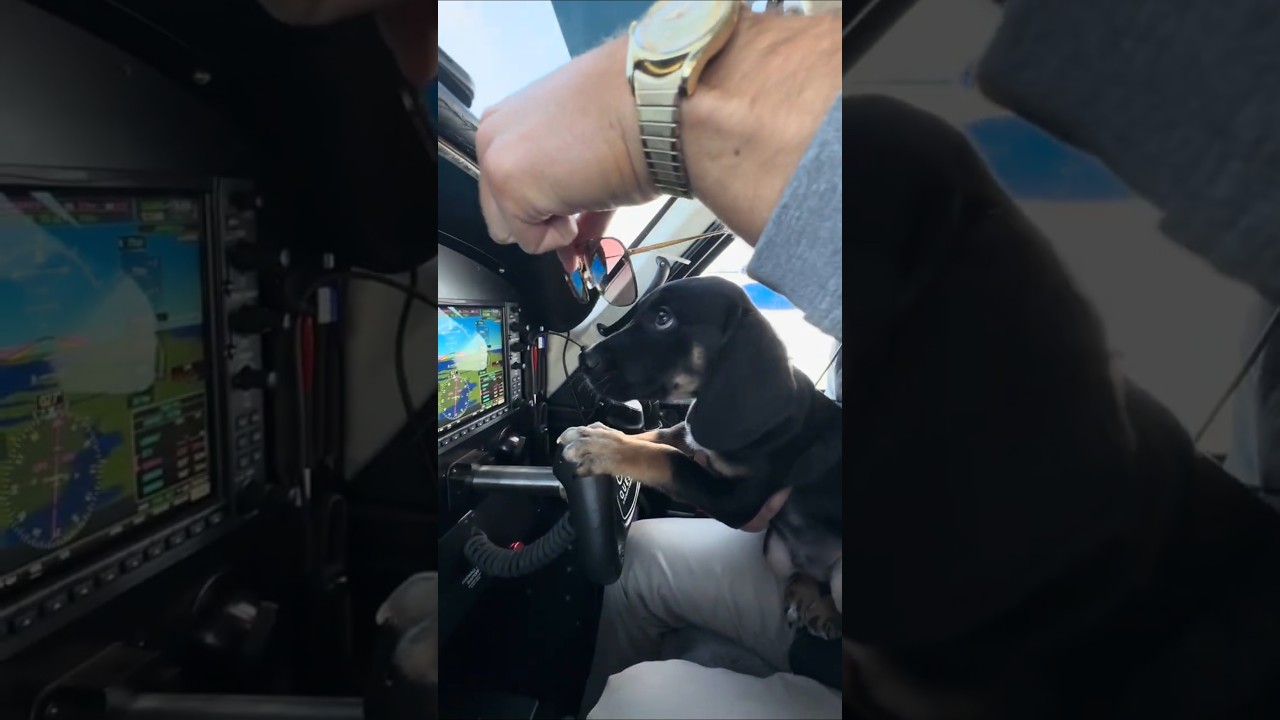
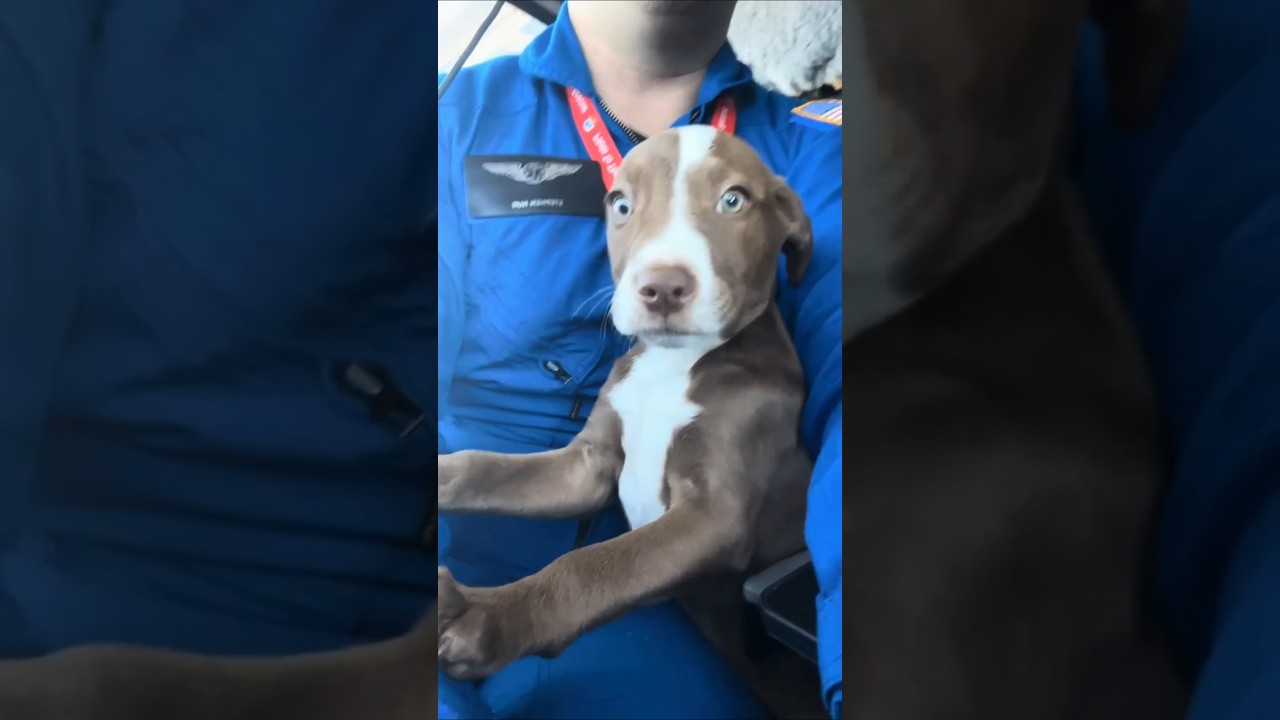
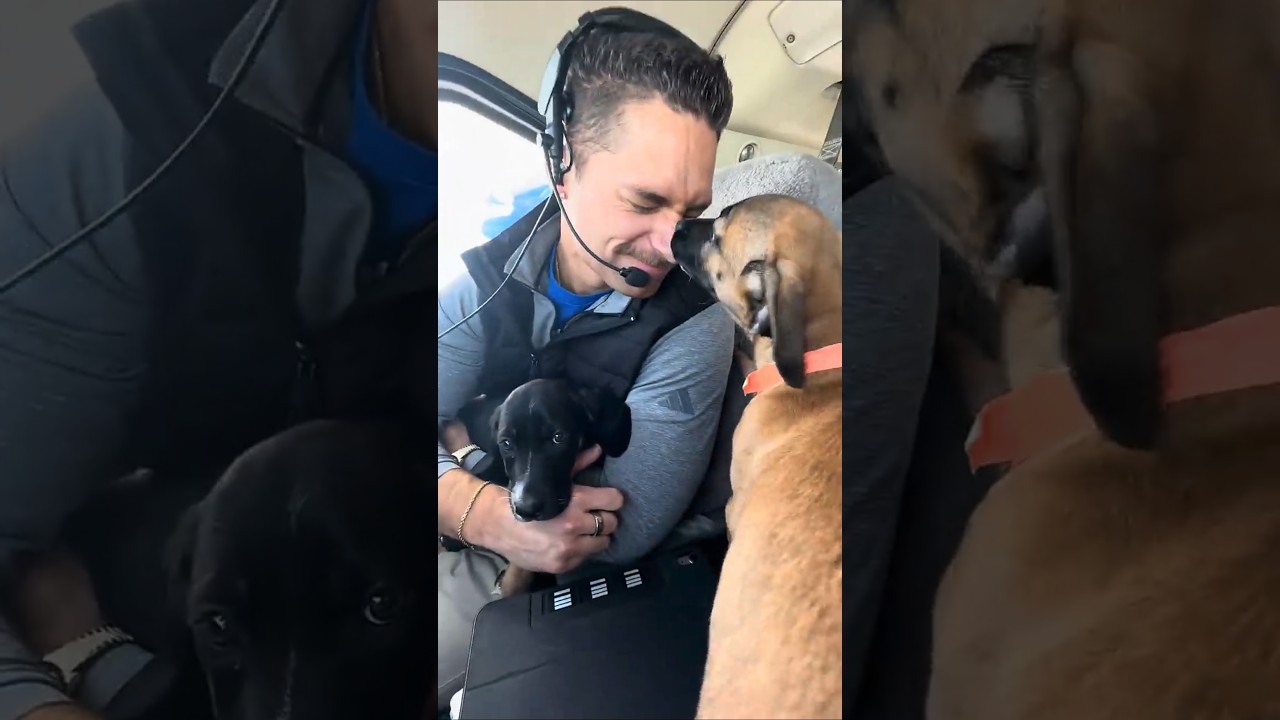
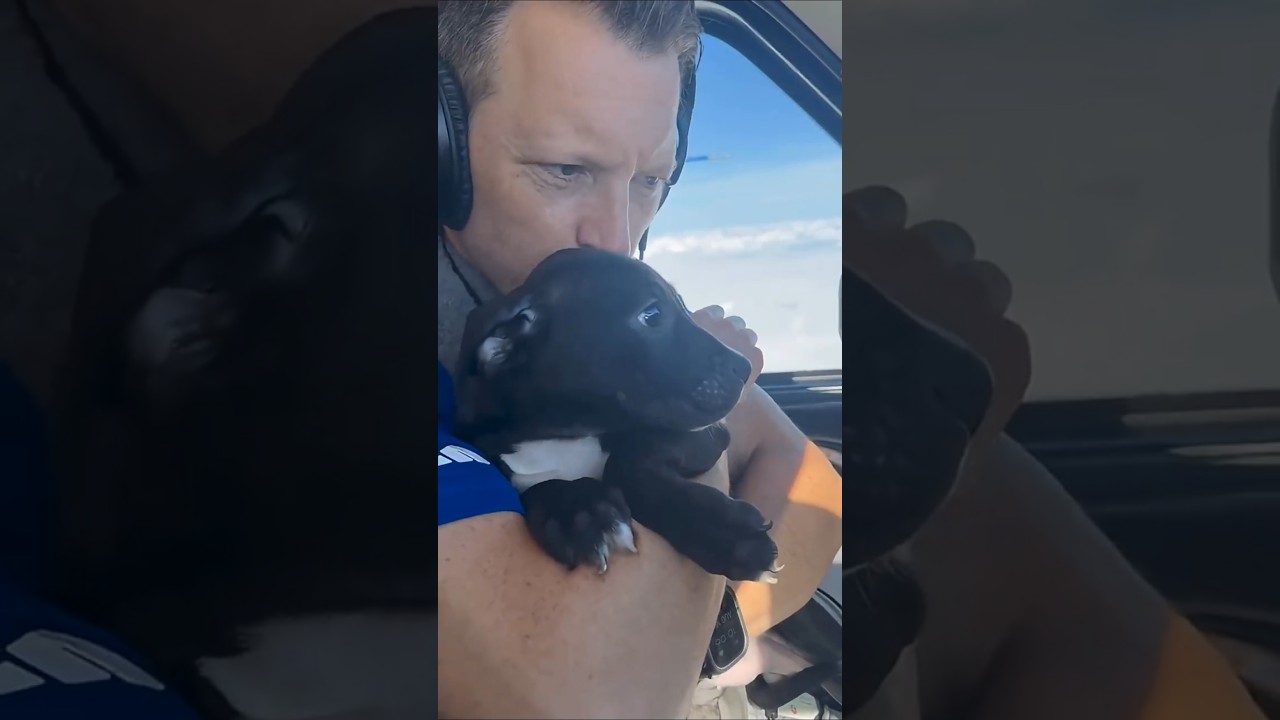
In this live‑recorded YouTube segment, Michael Schneider, founder of Pilots to the Rescue, flies a small aircraft from Ohio to a drop‑off point east of Cleveland, transporting five guide‑dog candidates for Guiding Eyes for the Blind. The conversation, primarily between Schneider and Guiding Eyes CEO Thomas Panek, covers the day’s flight logistics (a three‑hour round‑trip with 40‑knot headwinds), the dogs being moved (fully‑trained Tabitha, puppy Fenway, and three other black‑lab candidates including Ed and a dog nicknamed "Bubba"/"Mr. Head"), their training status, and the plan to reunite one dog with its raiser while the others return to the training center for further evaluation. Both hosts praise each other’s work, highlight the partnership between the two charities, and discuss future transports, emphasizing the importance of collaborative effort to provide guide dogs for blind individuals. The segment also includes on‑air handling of the dogs—identifying them by tags, using slip leashes, and loading them into crates—providing a behind‑the‑scenes look at the operational details of moving guide dogs by air.
Chapters
I quit social media.
Michael Schneider here, Pilots to Rescue, Top Dog. Had a great flight to just east of Cleveland today, dropped off, uh, was it 3?
Yeah, 3.
Yeah, 3 Guiding Eyes dogs. Uh, 2 are going to be— or one's going to be raised and the other were finished the training, right?
Yep.
All right, I'm talking to Thomas Panek, the CEO. He'll come on and say a couple of words., and we brought back, uh, two dogs as well. Um, about a 3-hour flight there. We were facing 40-knot headwinds and hour and a half back. So great day, very smooth, uh, transport, went really well. Welcome Nola, welcome Yvonne. Hi Sarah. Uh, Guiding Eyes, um, is a terrific organization and we have a great partnership with them.
It's—
we're going to do a lot of transports for them this year and we're really excited to work with them. So we're going to unload the pups. The name of the dogs?
Oh, we'll have to see. We just brought two back. We dropped off Tabitha.
Here's Thomas.
Hi there, I'm Thomas Fanek, CEO of Guiding Eyes for the Blind. Michael Schneider did a great job both on transporting our dogs and a puppy out to— a puppy named Fenway. And we dropped off Tabitha as well. Tabitha was a fully trained guide dog. Fenway was a little puppy. We got two dogs that are getting anxious to get out of the aircraft right now. I can hear them making a little noise. And we're going to be bringing back a couple of Dyson guiding eyes for the blind, including Ed over there, who looks like he's ready to get out. What do you say we get him out of this aircraft? Yeah, let's get him out. Yeah.
All right, you ready? Here we go. Take this guy out first. Hey, Ed. All right, Ed's in here. Yeah, it's a slip leash.
I'll grab and hold that if you want to grab the other one.
Hey, Bubba, how was your trip? This is Ed, right?
This is Mr. Ed.
Mr. Ed coming back.
Yeah.
So is Ed matched with anybody yet?
Not yet. He's got a little bit of training to do, so he's going to go back into our training center and get evaluated. And see how he's doing. So his puppy raiser in Ohio has asked for him to come back for a little bit, so we're going to take a look at him, see how he's doing, and get him back, get him back to where he needs to be. So hey, Mr. Ed, get a good trip? Sounds like he, uh, did well.
Hey, awesome!
That's, that's Ed.
We'll wait until you get him in, in the, uh, crate.
We have the, uh, second one over there.
Yeah.
Michael, you did an amazing job flying this aircraft. It was a lot of fun.
Oh, thank you.
Pilots to the Rescue.
That's right. I hope we're providing a much-needed service.
It's great to have a partner in Pilots to the Rescue. And, you know, Guiding Eyes for the Blind is so grateful to you for what you did today, bringing those dogs. We reunited a dog with the raiser today, Tabitha. She was raised in Ohio, and we also got two 2 dogs out there for people who are blind who will soon be paired with their guiding eyes dog. One's going out to Colorado, so a little bit of a longer trip yet to come. Look forward to working with Pilots for the Rescue more in the future. Especially important right now when we're all trying to work together. 2 charities working together to do good. So good stuff.
Awesome.
Very good stuff. Thanks.
You're welcome. All right, you ready for the—
We're ready for the next one. Next one.
Okay, that's just a wire crate.
Here you go.
And this one's name, this one I'm not sure.
We should, uh, come on, Bubba. First time I'm meeting this one. Hey, sweetie.
A little scared. We have a ramp. You want me to get the ramp?
No, I like it.
All right, we got Robert Aldeon here. Robert is, uh, taking videos and photography. Yeah, there you go.
He wasn't scared, it was just caught on top of him.
Oh, okay.
Oh, this is the baby.
The baby.
This might be Mr. Head. Awesome.
Baby. Yeah.
Okay, well, there's tags, so let's see, let's see. Uh, Ed, this is Ed. So I got them mixed up. What was the other one? The other one we—
you have to look at the tag.
Oh, look at the tag. Both black labs, so I couldn't tell them apart.
So beautiful dogs.
Yeah. Hey sweetie. Hi, hi, hi, hi. Hold on, do you have a leash?
It's on too.
Oh, it's on?
Yeah, it's a slip leash.
Slip leash. Okay, I'll slip it through the, um, It's already on.
Yeah, you want to do it somewhere else?
Yeah, I'm just going to put it through the, uh, through the collar.
All right. Well, a short live today, just 2 dogs, but, uh, this is turning out to be a very, um, beautiful relationship helping Guiding Eyes. Appreciate everybody's support. Hi Linda, hi Iago, hi Carol, uh, Cindy. Oh hey Andrea, welcome! Andrea, supporter of ours and also Guiding Eyes, has been on several of our flights. Good to see you on the live stream. Uh, Gab, Linda, uh, Liana, Mark. How many did the dogs do on the way to Ohio? We did, Mark, we did 3 dogs there and 2 back. So pretty efficient rescue, and it was just east of Cleveland, only 4 hours round trip, but saved a lot of driving for these wonderful volunteers. And that's Something that Pilots to Rescue does is we alleviate a lot of the ground heroes, the people that are driving such extreme distances to save these animals. These, these animals are a little bit different because they're purpose-bred for guiding eyes, but it's a wonderful charity and they do tremendous work. They invest a lot of money into training these animals and ultimately they go with vision-impaired individuals and it makes such a difference in their life. I had the privilege to listen to Thomas the CEO, talk about his guide dog Blaze. He's an amazing man. He's run over 20 marathons and he's blind. So I've run zero. Uh, this is a great organization and they're very supportive of us, um, and we're looking forward to doing more rescues with them. Uh, Sarah, thank you for joining. Annemarie, Leanna, thank you everybody for coming on and supporting Pilots to Rescue. And we'll see you on the next rescue. We've done, uh, 520— 522 dogs, so we have 978 to go. Our goal this year is 1,000 animals. We did nearly 600 last year. Signing off for now. See you later.