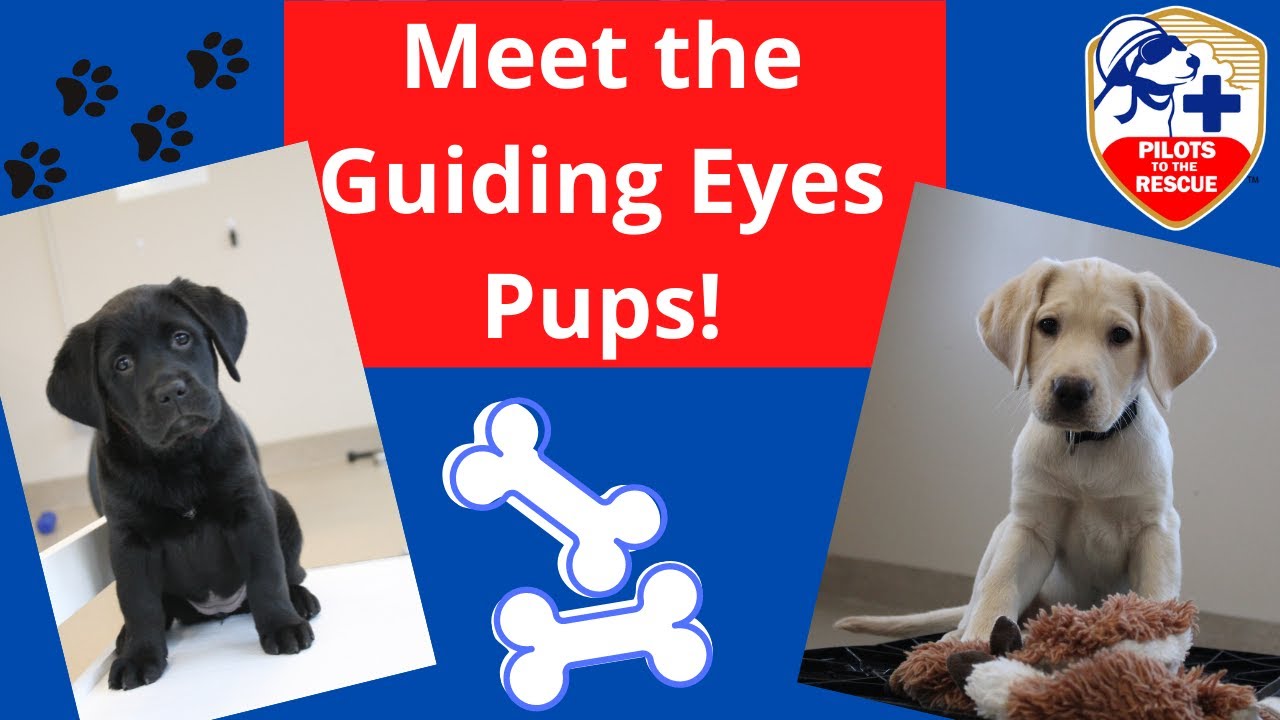
In this on‑site interview at Tipton Airport (Fort Meade, MD), host Michael Schneider talks with Guiding Eyes volunteer raisers and Fly Girl founder Natalie Kelly about the recent air transport of nine guide‑dog puppies from Essex County Airport. The conversation highlights the logistical advantage of flying the puppies—saving volunteers up to five hours of driving—while showcasing the personal stories of the volunteers, the lineage of the puppies (Pete, Pierre, Moira, Brahms, Kipley, Greg, Denali, etc.), and the deep emotional bonds formed between raisers and the blind individuals who later receive the dogs. Participants describe the rewarding yet bittersweet nature of raising a guide dog, the community effort required (“it takes a village”), and the role of aviation partners like Fly Girl and the Fly Foundation in supporting the mission. The video underscores Guiding Eyes’ mission to provide free guide dogs to visually impaired people and illustrates how coordinated volunteer and aviation efforts make the program more efficient and impactful.
Chapters
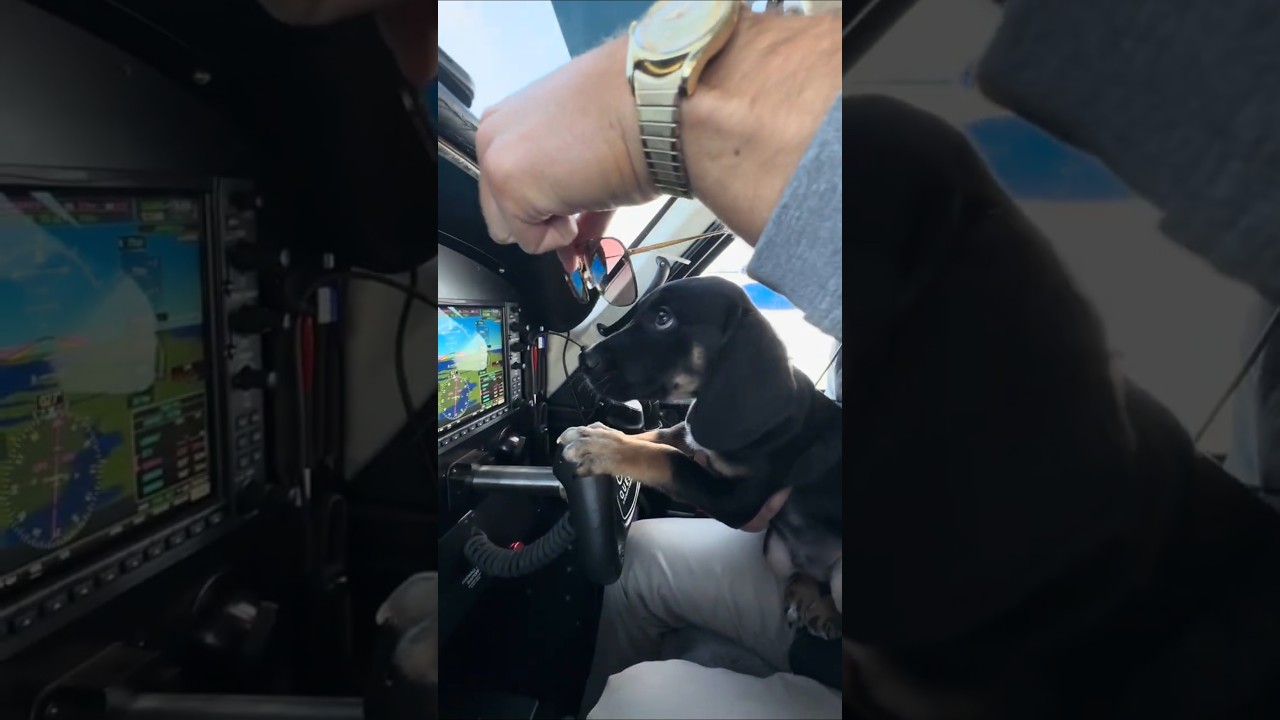
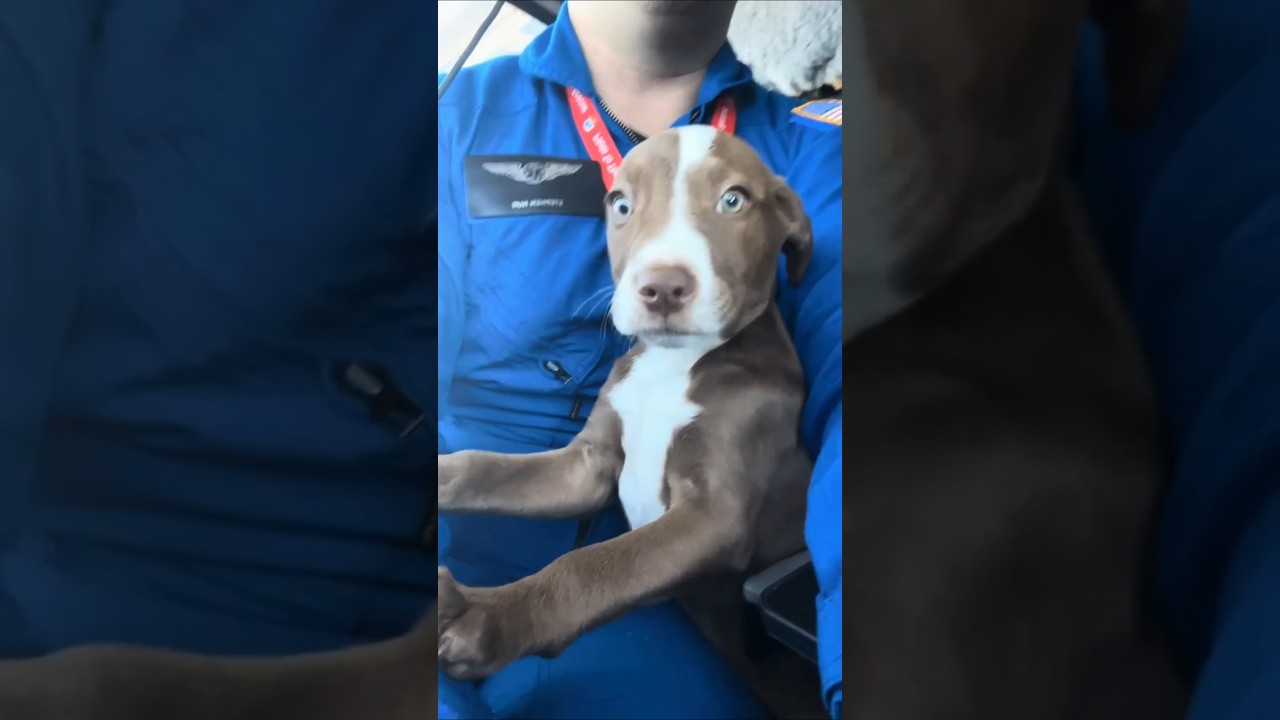
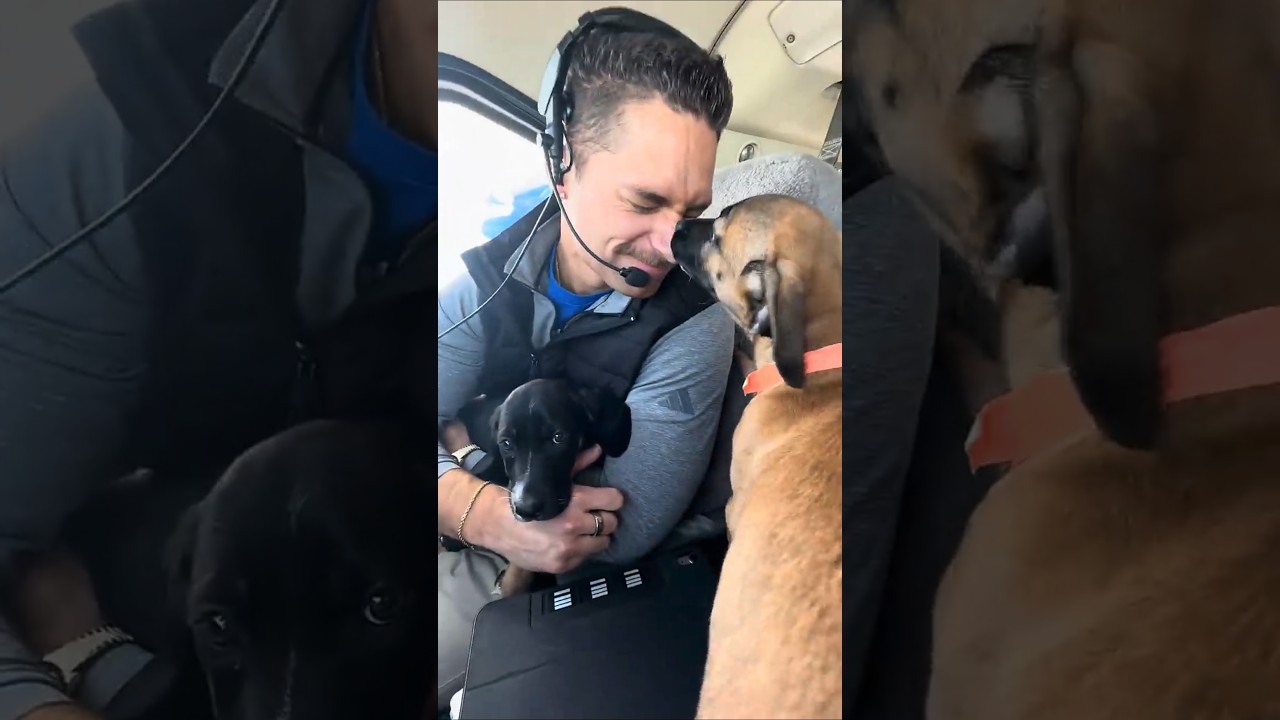
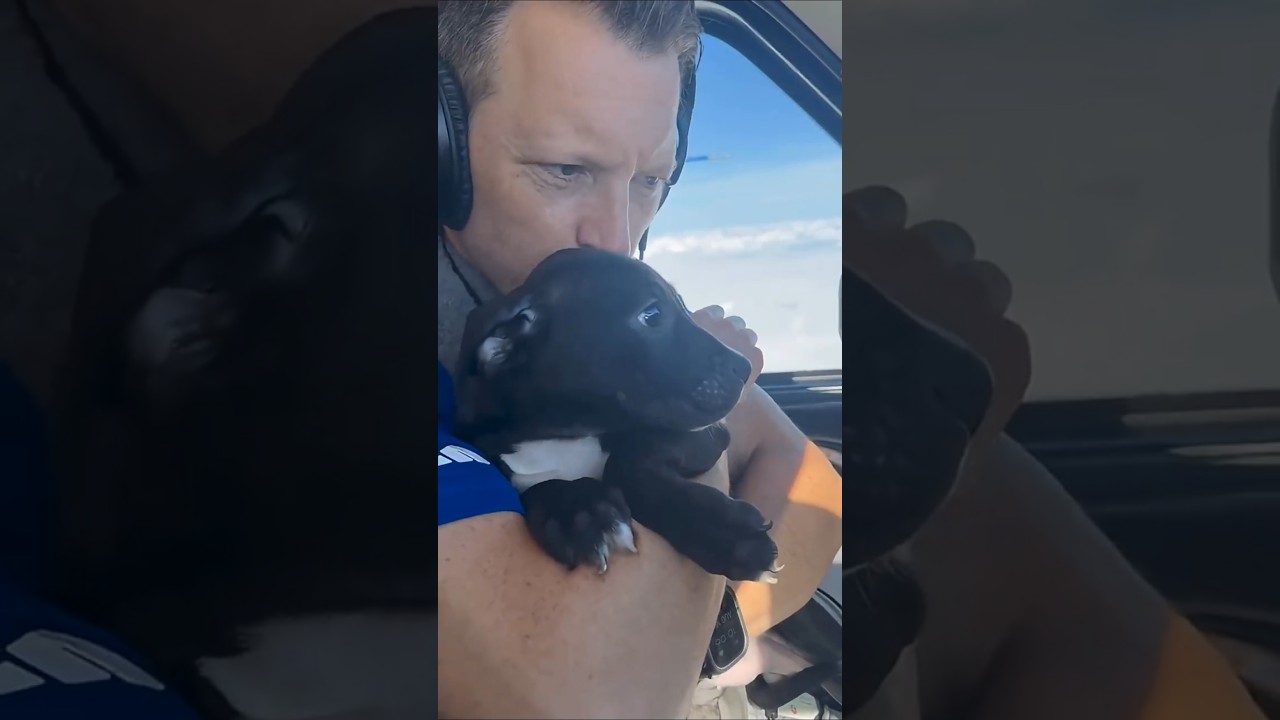
Hey everyone, we are here at Tipton Airport in Fort Meade, Maryland. It's just, I believe, south of Baltimore. Beautiful day, and we had a short 1-hour flight from Essex County Airport. We brought down 5 puppies for Guiding Eyes, and these puppies are going to be trained by raisers voluntarily for up to 8 months before they head back to headquarters up in New York. And the reason why this is such important work is these volunteers, they— if we didn't do this by today, they would be driving for many, many hours. So this saves them time to focus on the training. And if you think of Guiding Eyes, it's such a great cause, providing these dogs for free to visually impaired individuals and making a huge difference in their life. So, uh, we have a couple of puppies here. Um, let me switch the camera view. See, who's this guy?
This is Pete.
Hi, Pete!
Hi, Pete!
Pete is a Shepherd, I believe.
Yep, absolutely.
Look at those big ears.
Yes, and I actually raised Pete's mom, Duchess.
Oh, you did?
Who had huge ears. She could have flown them in on her ears.
Oh, so raising Duchess, Pete's mom, do you feel like you have an understanding of how Pete's personality will be?
Um, you know what? I'm really waiting to find out, as are the rest of my family members, because she had a lot of energy.
And what's it like being a raiser for Guiding Eyes?
It is fantastic. I was just saying to someone earlier that it is probably one of the best decisions I've ever made.
It must be hard though after up to 18 months, right, to give the dog back?
Yep.
You know what's interesting is it is very difficult, but what you get in return is just phenomenal. And I actually have been lucky enough to stay in touch with the blind person for the very first dog that I raised, and she's like family to us now. But what we were able to see was the difference that Harken, the dog, made in her life. So while it's hard to let them go, what you see and what they're able to do for another human being is Well, well beyond.
That's fantastic. Did they let you speak to the people that the dogs go to?
They do. And actually, we've, um, we have a great relationship with her.
We go up and visit her.
She's in Boston. Um, and I think Pete is number 9, number 9 for us, I think. The 9th puppy we've raised.
Wow.
Well, thank you for the amazing work that you do.
It is my pleasure.
Yeah, thank you. Great. And what would I— if, if we didn't fly him in today, you would have just been on the road for several hours.
5 hours— probably what I would have done is 5 hours up and I would have gotten him and I would have turned around and driven 5 hours home.
Yeah.
Or my husband would have driven us home. So yeah, so this is a remarkable, remarkable, um, ad for Guiding Eyes and for us. I mean, it makes it so much easier. It really— it's an exhausting trip.
Absolutely. And you're volunteering all your time, so now you can focus on the most important part, which is training this dog.
Absolutely.
Oh great, we're happy to do it.
Thank you.
Thanks for your help and with these dogs.
Thank you.
All right, I know we have some other puppies here. Oh, we have— we have Pete's brother Pierre.
He has a lot to say.
Oh, hi Pierre! Pierre looks a little fuzzier, a little fluffier, a little grumblier. Yeah, those are big paws. He'll probably be 80 pounds.
I know, he's already, I think, about 12 pounds. Wow, he's only 9 weeks old.
Well, it was a pleasure flying you, sir. Pierre, hey Pierre, look at the camera.
It's your—
it's your debut. So you have lots of experience raising these I have, um, done some puppy starting.
Um, I started with Guiding Eyes just a few months ago, so this is my first raise. I'm co-raising with Susan and Dane, and they raised Pierre's half-sister Hexa. So Duchess's— no, Shay, the dad of this litter, was also Hexa's dad. So yeah, beautiful, fun. And he's been in the first week with Susan and Dane.
Already teething.
Yes, my finger. Yeah.
Well, everybody's saying thank you so much for all your hard It's a great relationship, and wish you the best of luck raising these pups.
Thanks for flying them up.
Of course.
Thank you.
My pleasure.
All right, have a good one.
Sure. And now, Natalie, you want to come on and say a little bit? All right, we got Natalie Kelly here from Fly Girl, who also has a charity. How was the flight today?
It was so fun.
I had Queenie sitting in my lap, and she was pretty, pretty docile for a while, and then she got a little A little rambunctious. Yeah, I was trying to crawl. I think she was sniffing some food, maybe our lunch back there.
And tell everybody what you do, how you're involved in this rescue today, what's your background.
Uh, well, I run Fly Girl and the Fly Foundation. Both support women in aviation and provide flight training scholarships for women interested in learning to fly. Um, I—
sorry.
You reached out to me and told me about your organization, and, you know, I was like, yeah, I would love to be a part of that and support that and share the message and get more people involved in any way that I can. So I was able to come out and got to do this flight with these adorable puppies.
Kind of, kind of, kind of miss Queenie a little bit.
She's my pal.
And these dogs we're taking back are too big to put on your lap, I think.
Yeah, yeah.
But I can see them over there and they sing very well behaved and are just precious.
Well, thank you for coming on the flight today.
Thank you for letting me. I loved it.
You're welcome. All right, guys. Well, one thing I'll show you, the big pups that are coming on the trip back with us, and then we'll sign off so we can get them loaded and on our way. It's a beautiful day. It is gusty down here, though. I think the winds are not gusting to like 20 knots, but nothing we couldn't handle. So I'll get a view of— they say it takes a village, and look at all these volunteers that came out from Guiding Eyes. Yeah. Oh, we didn't get— we didn't get eyes on this pup. Who's this pup?
This is Moira.
Moira?
Yeah.
Awesome. Hi, Moira. Beautiful. And then here are some of the large— so all these dogs have now completed their raising training. Is that how you say it?
Yeah.
And who do we got here?
This is Brahms.
Brom.
Brom is the lullaby. Oh, okay. Yeah, you can tell he's really obedient.
Oh, look at that.
Oh yeah, dogs are very food-driven, right?
Very much so.
So is this your first time raising one of the dogs?
This is my 12th.
12th one?
Yes.
So you're very confident he'll be successful in the program?
Um, we'll see.
We'll see.
They decide what they're going to do, whether they're going to make it as a guide or whether they're going to be a detection dog or whether they're going to end up Oh, that's great.
Well, and what is this flight? How does this help you out? I mean, it must save you a tremendous amount of driving.
Oh yes, yes it does.
Well, it's a beautiful relationship and, uh, looking forward to doing more, more of it. Great, thank you for volunteering to do this.
Thanks for— you're welcome.
And who do we have here?
This is Kipley.
Kipley. How was Kipley? How was raising Kipley?
Oh, great.
Yeah, good dog.
Yeah.
And you're also taking one back to raise another one, right? Was that you who took the—
Oh no, she has them.
Oh, okay. Gotcha.
It's in our region.
We're picking it up.
Ah, gotcha. Gotcha. Awesome. Well, thank you for all the work that you do.
Thank you. Yeah.
Who's this guy?
This is Greg.
Greg. Hey, Greg.
3 G's.
With 3 G's. All right.
Yeah.
How was Greg? How did Greg do?
Oh, he's wonderful.
Lots of fun.
Rambunctious.
All right, very—
loves life.
All right, good, that's what we like to hear. All right, you're gonna go on your flight soon.
Do you know Bob Ward?
Bob Ward? I do not.
Okay, he's a pilot and a trainer up in New York.
You know whereabouts?
No, he's not a trainer.
And who do we have here? One second. Who do we have here?
This is Denali.
Denali.
Denali. Cool.
Denali.
And Textron, which makes planes, they just came out with a new plane called Denali. I'd love to have one of those.
I think this is fantastic what y'all are doing.
Oh, my pleasure. Saving you a lot of driving, right?
Yes, it was wonderful.
We're happy to do it.
Great.
Okay, so now we're going to load up these, uh, 4 dogs into the plane and head back up to Essex County Airport. Thank you everyone for your support. I want to remind you to tune in for the Puppy Bowl on Animal Planet or Discovery Plus. It's on February 13th at 2 PM. Pilots to Rescue and the Doggists will be one of the pup close and personal stories. So please check us out. It's a big deal for us. 13 million people watch the Puppy Bowl. And thanks to everybody who has donated and followed and shared. And signing off, we got— we have another rescue tomorrow with A New Chance Animal Rescue and Thursday with Bissell Pet Foundation. Another 3 rescues back to back. Talk to you later.