013: Architecture, And: Entrepreneurship
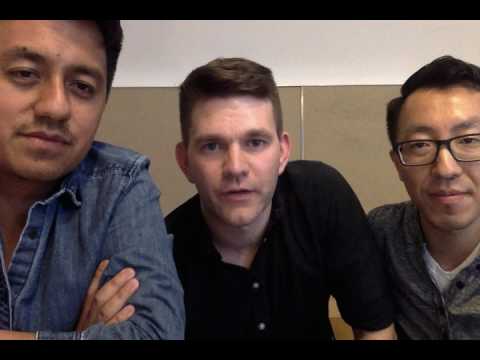
Mo Amaya, co-founder of Monograph, built a SaaS platform for architecture firms after running his own design studio. Monograph gives employees a 4-day workweek and dedicated time for side projects, which have created new revenue. The company uses architectural critique methods like pin-ups to shape how it runs its business.
Chapters
I'm Evelyn Lee.
And I'm Janine Chastain. We're collaborating on curated conversations to explore how the industry is changing.
Together, we'll find ways to create new solutions to current challenges while elevating the value of architects.
Welcome to Practice Disrupted.
Hello, listeners. Hello, Janine.
Hey, Evelyn.
Today we are talking with Mo Amea from Monograph. I'm really excited. I'm sure a few of our listeners have heard what Monograph is, but really we are ultimately using Monograph as a case study for, or about, I should say, people who came out of architecture to create what we call a SaaS, or a software as a service product for architects, really.
This is a great example of a team that's identified a problem in the industry and started designing a solution around how to address this problem, and that led to a business ultimately. So they've used their training in architecture to create a business and become entrepreneurs, and we're excited about that for a variety of reasons. I will say that this is a great episode that if you're able to access your web browser to go check out their website and look at their product features while we go through this content.
Yeah. So I think we're going to keep this short so we can get to the interview. I'm going to jump in with Mo's bio. Mo Amaya is a co-founder of Bonograph, a San Francisco-based software company revolutionizing the future in how architectural projects are managed. Born in Arizona, Amaya discovered his passion for design and technology at an early age. Building a bridge between his technology and creative sides, Amaya pursues his career with innovation, organization, and enthusiasm. While garnering in-depth experience in building tools for startups and architecture firms and expertise in custom content management systems, also known as CMSs, if you ever hear anyone talking about that, Amaya discovered a void for an intuitive cloud-based project management application that was tailored to the industry. He co-founded Monogram with a mission to help architects and engineers oversee projects in an integrated, user-friendly, and ever-evolving interface. Amaya graduated with a Bachelor of Science in Design from Arizona State University and a Master's of Architecture in Computation from MIT, where he gained profound experience as a front-end engineer. Upon graduation, Amaya, along with his roommate, Alex Dixon, started a digital agency building websites and interactive tools for architects. Soon after meeting Robert Yoon, the 3 collaborated and formally became partners at Dixon+ Mo, the agency from which Monograph was born.
Founded in 2019, Monograph offers firm management software designed to help architects and engineers oversee projects, timesheets, and forecasts in one integrated and simple interface. The software is deeply rooted in the founders' experiences in building tools for architecture firms, where they noticed a recurring challenge: architects and project managers were discontent with their existing and non-existent management software. Seeing this void for a simple cloud-based project management application, the co-founders set out to create Monograph, the solution for architects, designers, and engineers to manage their firm more effectively and transparently. As the creators of a software designed by architects for architects, Their company is on a mission to empower and arm the professionals who create our buildings and cities with better tools.
Let's cut to the interview. Tell us about your current position and what you're up to these days.
Yeah, for sure. So I'm going to definitely preface by saying that it's very much still a work in progress. Like, I'm 6 years into my career so far, but it's still very fuzzy. The edges are kind of like all over the place. And so I'm sure you both kind of somewhat aligning with that. And the way actually I visualize it, I think of it like this like whiteboard that's— there's like some stuff that was written for a long time but they got erased and you can still faintly see it. You're like, there's some things that are brand new, there's some things that are still like half erased. That's kind of like my— how I represent myself in terms of like what do you do in your career. But more concretely, I guess I identify mostly as a designer, meaning like the way I look through like the lens of things, like the kind of critical nature of it, asking questions, sort of like Visually, that's kind of the world that I like to think of myself in. And more specifically, I'm one of the co-founders of a company called Monograph, which we build software for architects. And so I head up— I have a couple of roles there. I sort of head up the engineering team, meaning we make a lot of like high-level decisions in terms of like what we're building and kind of the tools we're going to be using. And then also everything on the visual end, anything you see publicly of Monograph, like the website, sort of the illustration style, the like the bold purple crazy colors, that's kind of under my purview too. So I kind of run the— I guess at another company it might be called like a creative director role. And then lastly, the last role I have there is I'm kind of the head of culture, meaning like it's a very important thing for us. And even as a tiny company, like we want someone to sort of own it and kind of operationalize anything that we bring up. And so I kind of run the gamut of that stuff. So all over this place in terms of what I do.
Yeah, no, I think it's great because you guys are definitely, I feel, in the startup mode still. You are each wearing multiple hats. It's great that you kind of actually have a position for culture given the size of Monograph. How big is Monograph, by the way?
We're currently 8 full-time and 2 somewhat like actually full-time contractors. So 10 folks we consistently kind of work with day to day.
I was going to say, I think you guys have grown quite a bit even since I last talked to Robert. So I had a quick question about the fuzziness. Was that something you had to come to terms with, or is that just kind of how you've always operated?
So I think coming to terms with the fuzziness is a relatively recent thing, but I think that's how I've operated forever. Like, that has been my life.
I really like the imagery of the whiteboard. It's really— I mean, gosh, I can relate to that a lot.
And the ghosting on the whiteboard.
Yeah. So much ghosting.
So we brought you on for several reasons. I think Monograph has a really interesting culture, so we're going to dig into that. But I want listeners to hear a little bit about your personal story arc and your background and your degree in architecture and kind of where you've gone from that. So why don't you tell us where you did your undergrad, how frequently or infrequently you dipped your toe actually into traditional practice, and then what made you take this new path?
It's funny, like in hindsight, it, it's like the perfect degree for what we're doing now. I think when you're in it and you're like working in it, it's like, oh, it's such a grind. Like you both know, like I love architecture school. It was my favorite time of my life, but it's definitely a grind. I didn't actually intend to do architecture school. I didn't actually go to college initially until I was 20. I was just kind of like meandering. I grew up in Arizona, like I played golf and I just, I didn't know what I wanted to do. I had no like real clear motivations. Ultimately, I ended up going to Arizona State. It was a local school, like it was kind of like, it was fun. Like, I mean, it's known for being a party school, like whatever. Like that was kind of, I was a young, you know, 20-year-old kid. I was like, oh, I should probably go to college. But honestly, like I didn't have strong ambitions. I didn't know about architecture. I wasn't motivated like by all these famous architects. I was just sort of like a hard worker and I like somewhat like art and math. So I was like, okay, this seems like cool. But once you got in, once I got into it and you get in the studio, it's like wow, it's like the— I didn't know there was such a gratification with making something. Like from starting with just a brief and a problem to like getting it as close as you can basically get it until it's real. Like you're all— it's almost a building like when you're presenting it, like wow, it feels like it could be there, right? That I didn't understand like sort of the gratification level for me, but that was kind of like, that was the moment where I was Okay, this, this could be for me. Like, there's something in here.
So you went to MIT, I see, also, and, and it sounds like you have a really strong background in technology, I'm assuming?
So no— well, yes, I went to MIT. No, I did not have a strong background in technology. In fact, I hated it because like, I— the era that we were in was kind of like the Koop Himmelblau era where everything was sort of blobby and like Maya and Rhino, like particularly on the West Coast when you're thinking of a SCI-Arc type school, like Everything was this blob. And I was like, I don't want to do that. Like, I was a very nuanced— I loved like sort of like a Herzog kind of like— that's the type of architect I was when I was in school. I love details. I love Koenig up in Seattle. That was like the people I looked up to. And so like thinking of technology through that lens was very hard for me. I was like, I hate technology. And so I went to MIT because I think there's a lot of— particularly some practitioners I love. Liam O'Brien runs a studio called Wojer. And he ended up actually being my thesis advisor eventually, but his craft is impeccable. It's incredible. And that's actually the reason I went there. So it's wild that I ended up along this like technology track because that wasn't the intention whatsoever. And I think that's kind of like the lineage of my career has been like not intending to do this thing and then ending up there. Like I'm in architecture, but I didn't intend to be here. And so now I'm at a software company. I run— I'm head of engineering, which doesn't make any sense, but Yeah, that is kind of interesting.
And then, so you— I'm assuming you went into a traditional practice setting after you got out of school, like we all do, trying to figure out if we're going to become licensed architects or not.
So yes, so graduating from ASU in 2018, that was right in the midst of the housing crisis. 60 graduates from ASU, no one got a job. And so I actually went to Netherlands. I lived in Rotterdam for 6 months. I worked for a partner of MVRDV, but I was just doing graphic design because that's the only job they had. And so I did that for a while. That kind of— his work sort of dried up, and so I went to Shanghai and I worked on— I was teaching like 3D rendering and sort of 3D modeling and stuff. And so I was always like kind of on these like fringe jobs, and I think that was another reason why I was somewhat attracted to MIT. I was like, okay, like I can learn from you know, the craftsmanship, but I could also like explore some weird, weird stuff. And so I did do a little bit of— I probably, I probably worked in a total of like 8 different firms ranging the gamut. I think like there's a lot of different— I did like data centers, I did, you know, high-end housing, I've done like towers in China. So I've done a full range of things. I think going to MIT is like, oh, okay, there's other things that this skill set also like provides you. I did, yeah, I probably did like 2 years of IDP, which I think is called AXP at this point. But so I was somewhat an architect for a little while.
You make a good point because you graduated, I'm seeing, in 2009, which is about when I graduated from undergrad. And I went through the same thing. I came out of school during the recession and it was like, oh man, it was so brutal trying to get a job in architecture. I always joke that I like applied to all these firms trying to get an internship. And, you know, I wrote my resume so many times. And then later I ended up doing marketing and I was like— so I used to write my resume for myself and then became a professional resume writer for others doing marketing.
Oh, wow.
But yeah, it was really— it was a tough time and trying to get into the profession of architecture was kind of— I don't know, I just felt like I had a lot of doors shut in my face, to be honest, at that time. So I think for people that were entering the profession, Around that time, they've all gone off and had to do different things that were really innovative and have had to get creative to come up with something that would work for them. I'm wondering if you ever, like, imagine yourself becoming an entrepreneur.
Not in any serious way, I don't think. I think a lot of it was just like a survival mode. It wasn't like I wouldn't— like, I don't think my mindset was ever entrepreneurial. It was more like, I just— what do I need to do to get this done right? Like I need to fly to the Netherlands. I'd never left the US in my entire life. I grew up in Arizona. I thought I was gonna live there forever, and then this opportunity came up. I was like, oh yeah, maybe I should get on a plane and use the little bit of savings I have to try to make it in Rotterdam. Obviously like huge, hugely like motivational at that point, but that was, yeah, that wasn't the intention. It was just like a survival mode. That's how I ended up there, but it was great.
So it looks like, like through your progression, and get— tell me if I'm wrong, that like while you were at MIT, is that when you— when did Dixon and Mo get spun up? And when did you guys actually begin to make this transition to, to the technology side that you thought you would never make that transition to?
So I would say like my web start probably started like in the early MySpace days of just like learning web stuff and trying to edit your MySpace page back in the day. And that sort of filtered out or that kind of like filtered up into like starting to build my very first architecture portfolio on the web. And so this was first year MIT. We're all talking about getting our internships the next summer. And so we're like, and I was building a website, and then this other guy, Alex Dickson, over in the corner is building a website too. I can see out of the corner. I'm like, what the heck? What's that guy doing over there? And so that's actually how we both, one, got really close to each other. We just had these conversations about the web and what architecture looks like on the web. And then also just actually talking about the technologies, like, oh, you're building web stuff too. Like, this is cool. This is not like— it didn't seem like a career, definitely not at that point. And so as we got going, we, you know, we kind of encouraged other students. We started learning other things. Like, it's like, okay, so like Grasshopper was kind of like that first early introduction, right? And at that time, it's like, oh, this is scripting. This is not so bad. Like, I can automate stuff. I can pull down data. I can manipulate that. I was like, okay, this is not as bad as like— it doesn't need to be a blob. And then that kind of moves on and becomes like even more like, what's the next layer to that? Like, okay, like you're learning Python, like one extra layer. Like, but like it was super scary, obviously. Like, I'm not a programmer, what am I doing in here? And so, but there's like problems you're trying to answer, like when you start learning each of these steps, and then you find the tool that makes that work, right? So it wasn't that we were like, oh, I want to be a programmer, I want to build a software, software-like product. It's just like, oh, I need, I need to solve this problem. Like, how do we do it? Kind of like survival mode with tools instead of like, you know, jobs. So that's kind of how I think of it. And so Dixon and Mo itself started forming because like we were just building these little moments of building confidence. Like there's this thing like, and it works. Like now I have a Python script that works that like does all this crazy stuff. It's like, wow, that's awesome. And we want to take that like one level deeper. And so we at MIT in January, because it's freezing cold, they don't have any school. And there's this program, it's called IAP, where you can take like a bunch of classes. You can just kind of explore. There's like a wine, a very famous wine class there every January. But Alex and I, we decided to enter this programming competition, which a bunch of like well-known, like the Dropbox founders won it. There's like a bunch of well-known people have won this competition. And so Alex and I were like, we tried to get a little bit ambitious, like, hey, let's enter this competition. And mind you, these are all like MIT CS majors. These are people who like know how to program. So we're entering this thing and we're like, okay, we know what we're doing a little bit. But we entered as 2 designers, and then we ended up winning $3,000. We're like, what? This is crazy. Like, people value design. Like, we definitely did not have the best software, but it was beautiful. It was like incredible. And I think that was probably the biggest vote of confidence for us to say like, oh, maybe we could do this like next layer. And so like the last layer kind of building up in school where we were like starting, starting to become Dixon M.O. was that a couple of our professors, so Sheila Kennedy, I don't know if you guys know Kennedy Violette Architects, We did their website, and they're a pretty well-known firm out in Boston. And then we did a bigger firm you both might know, Mass Design Group. They're like much bigger, and so we did their website, and that was like a whole, that was a whole nother layer in terms of like just again building this confidence, building these layers of confidence that someone would trust a bunch of knuckleheads to actually like build tools and software for them. And so, and also I just gotta give a big shout out to like our buddy Kyle Barker, who Now runs a firm, but he was a classmate of ours who really encouraged us to say, yeah, you guys can do Mastodon.
So when you were working on both of those websites, were you guys still in school or was this after you had graduated?
Nope. This was probably between second and third year. So it was kind of that summer. So still very much in the thick of school that we were starting to build stuff like this.
That's awesome. I mean, that's pretty cool because you're kind of experimenting. Like you said earlier in the interview, you're Trying on different things that you're interested in and just seeing what pursuing that path looks like and where it leads you, essentially.
No, 100%. There's definitely paths that we went down that went nowhere. I'll be honest. Like, it's kind of like that mentality, right? Like, you have to be okay with saying like, oh, let's try this for a little while. And just like, nope, that didn't work.
So how did you get into your current position?
Basically, we took knowledge. We built a bunch of websites in school. We graduated, and then we decided to move out to San Francisco because Alex's wife worked at Stanley Selowitz, and he and I just worked on a laptop at that point, so it was like it didn't matter where we lived, but it was very convenient that it happened to be San Francisco for us, right? And so we moved out here, we started doing a bunch of contract work. We're just doing kind of the same stuff we were doing, architecture website. We did Stanley's website and a bunch of other architecture websites, And from that learning, we actually realized, like, I know architects love to believe that, like, they're super unique, but the reality is most of their websites are the exact same with just, like, some, like, visual differences, right? And so we actually started building the very first version of Monograph, which is, you, I think you both are familiar with, was more of a website builder. It was sort of a Squarespace for architects, like, really specifically honed in on kind of what architects care about. And so that was kind of, like, the initial impetus, was just having done, like, 8 architecture websites at that point, like they were fundamentally the same. And so that was kind of like where we started going. That's where Modern Graph became kind of like this bigger thing. And we had, I think at that maybe like by the time we met Evelyn, we probably had like 30 or 40 firms using that software, which was fascinating to us. But admittedly it was a tough business. Like even if you're a 200-person firm, you're only paying us like $30 a month. And so we weren't, it didn't feel like we were kind of getting all the value. Like we felt great. Like we were all, They're all building beautiful websites, but it didn't feel like a great business for us. And so that's kind of why we ended up pivoting a little bit to the current version.
Yeah, I really want to dive into that if you're willing to share, because I think it's fascinating. 2 follow-up questions to that. And one is, when you started seeing growth and you went from having 2 websites to all of a sudden you had 30 different architects coming to you, what was that growth process like? Where is it through referral, or how did you get your clients? And then the second question is just about the business model itself and anything that you can tell us about the idea of— did you see yourself as a service firm when you were doing websites, or did you see yourself as selling a product? Or like, how did you guys think about your business model?
Sure. So this will go back to my intro of saying like, the fuzzy edges, the whiteboard, right? Like, our business model was essentially the same thing. For sure, like all the early people were, we were very much a service business. We were flying out to like all their, wherever they were, Boston, Kansas City, Oklahoma, you know, Seattle. We'd fly up to where they're at, meet them in person, do some sort of charrettes. Like it's very much like an architecture business. Like this is how we, and we ran it the same way, right? Like a client project. Eventually we started sort of productizing that. Like, so the very first version of Monorail app was literally just Like, hey, here's where you upload your stuff. And then we'd still do the service component on top of that for a while, probably for like 10 or so firms, right? Everything was manual. Poor Robert, bless his heart. He'd be like, he'd get their Dropbox file and just upload all the images and all the texts. And so like, it very much was not automated at that point. It probably took about a year and a half, like, because we're both doing this service. We're only a 4-person company at that, at that point too, I should clarify. Because we're both doing the service and just like building like the software product tool on the side. It just took time. It probably took about a year and a half or so for it to really get clicking. And by the end, no, we didn't do anything. People just put their credit card in, signed up, did all the work themselves, and then ready to go. And I think you had a second question.
Oh, just about how did your clients end up coming to you? Was it by referral or word of mouth, or how did you attract people?
Yeah, I think it was 2 parts. Referrals in particular in the services industry is probably like the number one, what people generally rely on. I think the second layer, and this was a little bit unexpected, was that we started writing about, like, we actually write about the process of like, what do you need? What does it, what does the SEO look like for an architect? Or what does it look like for an architect to have a really good website? Like, how do you get leads from websites and stuff like that? And so we had on our old site, which I think there's a few, I think you can still find it. There's like 5 or 6 different articles just like talking about that. And we found, we had many people like call us on the phone, call Alex, like, how'd you find my number? Like, because we didn't actually publish our number at that point. And so people literally like found them like through our articles, just reading about like how to like do something. And then big firms, like 50-person firms, not like, you know, 1 or 2 person firms. It was kind of fascinating that sort of operating in public in that way was like a marketing tool, which we just were doing it because we're like, hey, we want to tell people what we're working on.
What was the internal conversation like when you guys decided to make the pivot from the websites to the ERP? Was it something that happened naturally? Was it like a full stop switch? This is actually something I haven't talked to Robert about, so I'm kind of interested in hearing.
So, okay, so I gave you guys a little nugget earlier that kind of led to what I was saying. So we always, we had this conversation, like it was great, we built this product. It's pretty low maintenance. People are just on there signing up on their own, but it's not like a great business. Like, I can't imagine us spending a bunch more time on this. Like, and the other layer to this, we applied for the startup accelerator called Y Combinator, and we got an interview actually. And so they, we interviewed them, and before we actually went to the interview, we actually, we had a conversation with Tracy Young from PlanGrid, the former CEO of PlanGrid. And she, like, which honestly to this point is like amazing that she made any time for us at all. Like, she was— that company was already 400 people deep, and she spent her lunch talking to us and kind of giving us feedback. But she was straight up like, okay, what's your guys' big idea? We're like, well, if we make this like website thing, then we can eventually turn it into like a project management thing. She's like, why aren't you guys building that? Like, why aren't you just building that? And then she just like kept eating her lunch. And I was like, I love what you guys are doing, but build the thing that you actually want to build. I gotta go. I was like, oh crap. And then so we went to the YC interview and they obviously ended up rejecting us. And we came back, we're like, man, we're just like sitting in the office, like, like dejected a little bit. Like, dang, like, I guess this wasn't like a great idea. And so Robert's like, look, Tracy's probably right. Like, I think I can sell the crap out of like a project management. Everyone keeps asking me about like project management or like back office tools. And so we're like, okay. And so it was like that. Immediately, like that day we went back to the whiteboard. It's like, what does this look like? How long is it gonna take us? And all that stuff. And so we basically, it probably took us another month or two to like close the website product, but we still have people on there now. It's still like 80 firms or so still using that website product, but we don't, it's closed and no one else can sign up and stuff. But that was the impetus, was really honestly Tracy's conversation with us.
Yeah, that's crazy. I don't think a lot of people realize that entrepreneurs actually take pivots like that. So it's, I guess it's fun to kind of hear how quickly you guys actually like took that advice and pivoted. And now Monograph got funding. So I know Robert was deeply involved. I'd be interested to hear your story and kind of like what it was like given the hats you wear going and getting some VC funding for Monograph to grow on.
No, it was definitely like a— not an easy decision. I think we probably sat down, we have like a month, every Monday we have a partner meeting. We sat down for 8 months straight, like trying to, should we raise money? Should we continue bootstrapping? And like, honestly, one of the difficulties was there was 2 parts. One is that we actually fundamentally felt like we were part of like this indie hacking group. Like we were bootstrappers. We actually sponsored the Indie Hackers Podcast. They only had like 8 sponsors and we were one of them over this history of before it got bought by Stripe. And so we, like, we are a part of, we're indie hackers, we build side projects, we had built a bunch of side projects that made us like money. And so it was a weird sort of like middle ground. I think the actual switch where we finally realized it was that we'd probably got up to maybe like 20 firms using us and just talking to them on the phone of all their problems, like all the things that, like we were just solving a very, we're solving like timesheets at that point, right? That's all we were solving was timesheets and getting reports out of it. And they were like, okay, can you guys solve this? Can you guys solve this? Can you solve my consultants? Can you solve how we budget better? There's so many layers and nuances to architectural problems that we were just on the brink. And then we got up to maybe 30 or 40 customers at that point, and we're like, this is consistent. People will not stop asking us for this. And we know it's a huge problem. Like Autodesk, like Deltek has been around for 30 years or whatever, 35 years, and they've just basically stopped development for all intents and purposes, right? And so there was clearly room for someone like us to like come in. And how many, like there's so few people that exist like that were former architects, all our wives are architects, and then that we also like happen to be building software with some of the biggest like startups out here in San Francisco. So we had like very specific knowledge and skill sets to build this company. And so honestly, like, there's almost a part of it that felt like if we didn't do it, like, it felt wrong in some sense. Like, if I was just like, hey, let's just bootstrap this company and like, you know, let's do well for ourselves, like, it probably would have been a fine company. Like, it felt— I felt guilty, like, not making an effort at it, right? And so that was finally, for at least Alex and myself in particular, and I think Robert's always been really excited about, and he's kind of like the business, like, driver of our company. Alex and I are kind of like the, you know, engineers and like we build a lot of the tools. But Robert really was obviously, like you mentioned, that he spearheaded the fundraising and did an incredible job. Unbelievable grind, what he was doing for that last year.
Yeah, Robert is a really interesting entrepreneur. And I just, I mentioned that I met him out in San Francisco, and he is always at all of the networking events. He's always supporting everything. I just think he's such a great champion for what you guys are doing. And it's been fun to learn about what you're doing. And I'm I'm really glad to have this conversation about entrepreneurship and architecture and the fact that you guys are also both like the architecture and career path where you're— you took your education and then you figured out how to make it work for you and you're doing something different. And I was wondering what skills from your educational experience have shown up in what you're doing now in your career?
Sure, so there's, I think the meta, there's obviously a bunch of meta skills. I think being architecture architect, you're like operating as a generalist. Like we're so spread so thin and we're like expected to know like how to detail something, how to get something from the city, how to talk to a client, how to present something. Like there's obviously like a huge amount of layers, but I think one of the things that, which I didn't realize until we kind of discussed it recently, was that one of the reasons we ended up down this path is actually the skill set that we were not taught. And so like in architecture school, you're only taught one pro practice class, and our pro practice teacher was Phil Freelon, who like, rest in peace, he was amazing. He was my favorite teacher, but that was it. You're in school for 8 years and you get one pro practice class. Like, and so that was honestly like the thing that impetus that was like, hey, there's this huge gap in things that we don't know. Like, how do we— what's the fastest way, or what's the best way to learn this? It's like to think through the entrepreneurial lens in that case, right? Like we ran an agency for 5 years or so. We learned like client relationships, we learned how to hire accountants, we learned how to get like loans for our business. Like there's all these like financial things you just don't know and like there's other, other like industries and worlds that are so sophisticated about these things and their architects are like, we're just— it's not that we're inept, we just were never taught and you're— there's not a lot of references and we're not even allowed to talk about money. Like it's kind of taboo in our industry, right? And marketing, like I think this— the famous story is we just We weren't allowed to do marketing until the '80s. And so like all these things were so fascinating to myself. And so like obviously my co-founders, that was, that was the bit that I thought was most interesting in terms of like our career trajectories was like trying to fill in those gaps. Like as we, as we kept going.
I'm glad to hear you say that because I felt the same way. And I think that's probably why I ended up going to get my MBA. Propac was actually my favorite class and I was like, Kind of in isolation on that, but we, Evelyn and I, just did a ProPrac class like 2 weeks ago. Was that when we did that?
I think so, yeah.
But basically it was, I don't know, I just, I feel like it's a huge missing piece of the education. And it's pretty cool to hear you guys say that you sought out those skills to go fill in where you felt like you were missing information.
Yeah, it is, it is interesting that you bring it up that it was anomalous for you, like in terms of like you were the one who liked it. I think it was very similar at MIT. We were like the 2 of us and then Mace basically, like maybe one other student, like really took it seriously. Everyone else slept through it, right? It was so bad, like Phil Freelon is teaching us pro practice, like that's insane. Like, oh man, I loved his stories of how you get clients. Like he would always like hand make all these like gifts and and stuff like that in terms of like every Christmas, like that's how you get referrals. That's how you get people excited about you. And that was cool to me. Like I remember that stuff. Yeah. And it's too bad. Like, I mean, I don't know if there's maybe a better format for like present, like, you know, that maybe it's like a dry business class for a lot of folks, 'cause like it is a, it's a design problem. Like, and I know I've heard you guys in other podcasts talk about like how you take design thinking through an operational lens or like a business lens. I think that's, that is how like we approach it, right? Like I think it's exciting. All 3 of us are sort of doing something similar.
So, towards the earlier part of the conversation, you talked about how you've developed these engineering skills over time, just mostly out of need and kind of gained confidence. Like, where you are now, and at the top of the call or at the top of the conversation, you actually identified as a designer first, yet you're head of engineering. So, do you consider yourself an engineer?
That's a tough question. I still would say I'm a designer, but I know enough engineering that like I'm confident that I can run a software company. And so like we're very unique in, and I know this is honest, this is a struggle for us as co-founders. We're very unique in the sense we don't have an engineering org. We have a product org only. And like I worked at a lot of companies that like what we, I worked previously with Figma for like about a year. I worked with a company called Spoke who are both really like well-known. deep engineering companies, and we bucked that trend. We're like, no, we're a product company. Everyone rolls up to this single product goal. And the reason is because we don't want people to think of silos, especially at this stage. We're only 8 people. We don't want people to think of themselves in silos in terms of that's a product problem or that's an engineering problem. It's an us problem. And even to double down on that, another thing that we took from our architectural education is this idea of pinup. pinups at Monograph, and it's relatively recent. We've only been doing it for a little bit, but a pinup is different than like a design sprint in the sense that design sprint is very much, let's take everyone's ideas, let's iterate on this concept, and let's try to like test it out for a week, right? That's the idea of a design sprint. A pinup is much different. It looks a lot more like architecture school, and the fact that everyone has the same brief. Here's the problem, right? Here's your resources. Here's the context that you get. Let's everyone present your own version of that from the ground up. It looks much more like a school, right? And so everyone basically at a print-up is like, hey, here's— you have a million dollars, here's the hardest problem at Monograph, how would you approach this problem from every single part of the company, right? This is not like, oh, let's— what's the product's version of this, what's engineering's version of this? No, like, let's all think holistically about this problem, and then you can present what you think, right? And it's interesting, like, obviously people rely on the things that they're strong at, but you also get people that give you lenses into like, this is how engineering might think of marketing, right? It's like, oh, we can probably automate a bunch of all this stuff. And so I don't think— I think partially why I struggle with that answer is because I don't want to necessarily try to get that identity. I like the idea that it's more holistic on that front, but I still feel comfortable being sort of head engineer in that sense.
Yeah. I mean, that's interesting to me because I'm at a technology company now with Slack, and we do a yearly hackathon, but it's clear that the scope And the outcome of what happens from that hackathon, it's like, it's really hard not to participate or it's actually, it's hard to participate if you're not an engineer. And I was like, and I even looked at it and I was like, oh, like how could I get involved? But yeah, so I like this idea of a pinup. Like how would you solve it from an operations perspective? How do you solve it from a business development perspective? How does, how does marketing and customer experience look at this? Versus just engineering. So that's— I feel like that's something actually probably more large tech firms could learn from.
Yeah, yeah, no, totally agree. I don't think we understood the success of it until we talked to like everyone, like all our friends and stuff. They're like, you did what? Like you let the engineers do what? That's crazy. And so yeah, yeah, I agree. I think I'd love to see that more. Like I'd love to Let everyone's voice kind of be heard at the top, right?
So talk a little bit more, because you're also leading culture at Monograph. So talk a little bit more about why you hinted at why you felt that was important. But I would like, you know, say a few more sentences on that. And then obviously Monograph has been pretty well published around the 4-day workweek. So like, so talk about that too.
Sure. So, okay, coming from architecture, I think we know there's, there's, it's a, it's a tough profession, like in terms of like working a ton, working late, kind of not being valued. And I've worked in like 8 offices like all over the world, and so like it does, it's not, it doesn't matter where you're at, it's all kind of the same a little bit. And so I like, it's important to us, and I think one element I should clarify is like maybe the elephant in the room might be that fact that, hey, we're a software company, we have better margins, we're a better business. But we have the opportunity to do this. Now, we also did this when we were at Dixon Moe, when it was a struggle. Like, 4-day workweek has been the thing we've done. It's not just the 4-day workweek, but just kind of valuing your employees and like your time and all that has been important from the very beginning. And so bringing it to— actually, if anything, bringing it to the software side with venture capital behind us is much harder, because they obviously have a financial stake in our company, and they can say like, hey, you guys, why are you guys doing this? And so it's very important in that sense. And the other bit about this is that Monograph was a side project. Like, Monograph wouldn't exist if we weren't working Fridays on writing code for something very different than actually what paid the bills. And so, the existence of Monograph is because of partially this cultural bent that we had. And the second layer of this is that we're self-learners. We just briefly talked about the idea of filling in these gaps. And I think a lot of people want to be able to do that, but when you have kids at home, when you're trying to figure out other hobbies, when you're trying to like, hey, I have to get the car repaired, like you can't be doing that and also trying to like learn something on the side. Like it's really difficult. And even though, you know, architecture studio teaches you like, oh, Saturdays is your most productive day, like I don't want that to be in my company culture. Like that is not a goal. Like, but we want this sort of curiosity and like the open, like the clear thinking. that the extra day off gives you. And so, like, the day off, I'm like, you know, people can use it however they want, but we obviously, like, sort of, I think we privilege a little bit people who are, like, self-learners, like, people who are like, hey, I want to, like, either I want to learn a new skill, or I want to, like, garden, or, like, I want to do something, like, I want to, you know, I want to enact on this day. And so that's kind of, like, been the motivation and why we've continued it and why we fought for it and why we'll die on the hill of, like, 4-day work week. It's really important. It's productive for our company. It's not a detraction.
A part of that obviously is that you're still encouraging side projects, right? So talk a little bit about these side projects that actually helped you grow Monograph and have the freedom to explore Monograph a little bit. I mean, I remember Robert talking to me about the Chinese New Year site. There's also a site around color. So talk to us a little bit more about what these side products are, what they've maybe helped you learn, and why you continue to do them.
Okay, sure. So there's many layers to it, but I'll kind of speak to a couple of them. One of them is, like, I think because we are architects, because we have egos, we want our own projects, right? I want to know, like, how does it look like for myself to brand something? and to conceptualize it and to like do the engineering that I want to do and then to market it the way I want to do. Like, and it's nice that if the scope is tiny and that there, there you can execute on something like that, you know, on a, on a Friday, on a day off. So that's one of, one lens and all of us like think that. I think Robert had, Robert also has his versions of that also with like previously he ran SectionCut for a long time and he was flying out to workshops and stuff like that. And so we all have our versions of that, right? And I think the second layer is honestly like it's great, like it's great to experiment and to also have like financial gains from something like that that you're spinning off on the side. Like some people do like to do e-commerce projects, some people like to sell some freelance time on the side, but like side projects is also a great way to like, you know, Chinese New Year, it's a great, it's a wonderful little business that, you know, a lot of like Particularly when it comes up during Chinese New Year, there's plenty of people who want to, like K-Swiss wants to get a great ad placement on Chinese New Year, or like our color sites, we could kind of sell services on top of that. And so we're— and I should clarify, we're talking like literally these 5 projects have millions of people coming every month, which is crazy to me now. But also like having that skill set to like, what's it look like to scale to millions of people visiting your website per month? And so that's big learnings for us in terms of like bringing back to Monograph.
I'm interested to hear a little bit more about what it's like to be an entrepreneur and any lessons that you've gained by going through this process. Because, I mean, it is such a radically different experience than working in an architecture studio. And I'm only like a year into doing this full time. So, and I can already see like, oh man, different learning curve, different experience entirely. I'm curious what that's been like for you.
Yeah, I'm sure, as you both know at this point, it's tough. It's so tough. Literally, like, every day there's highs, highs, and like super low lows. There'll be days when, you know, we close, like, we close Straight Hand Architects, like, that's crazy, that's insane. And then we go a week where like we hadn't closed anyone, or like we're about to— we literally launched like the thing I'm most proud of ever called the Project Planner. It took us 6 months. The entire team was involved, all 8 people. It was super exciting. And then, you know, the next day we have, oh, we have a bunch of bugs and stuff like that. So it's crazy, just like the rollercoaster that entrepreneurial life is.
Yeah, I agree with that.
Like, I'm sure, yeah, like there are days when you're super excited and you get clients, like clients coming on through the door. And then there's obviously like the giant lows, but in terms of actually the learning process, I think the best, I wouldn't, this is like an emergent skill and kind of like a lot of the things that so far that we've talked about today is that just kind of the resiliency. Like nothing's really that bad. Like you're gonna be able to eat, like you're gonna be able to figure stuff out, like you're gonna get clients eventually, and even if not, like it's probably okay. Like you can go get an architecture job again. I guess that hasn't felt like that bad, you know. Maybe we've been lucky a bit, but, you know, there were probably— there were like when we were running our agency like the first couple years, there was probably, you know, 3 or 4 months just didn't take a salary, and, you know, it wasn't like And in the time it feels terrible, like it feels horrible. Like, what am I, how am I gonna pay rent? But you eventually make it up. Like you eventually, it's like, it's not as bad as you think it is in that moment. And so it's not a particular skill. Maybe resiliency would just be the skill in that sense. But, and also maybe like just awareness of the risk level. Like it's much less risky than you probably think it is.
Yeah, I relate to everything you're saying. I mean, on a day-to-day basis, like in the morning I can be on a high or a low, and by the afternoon it can be completely different. completely reversed. Sometimes it's hourly.
Yes.
It just makes you like, it toughens you up. And to your point, you know, you realize things aren't so bad. And I would say, yeah, I agree. Like the biggest thing I was concerned about in terms of like becoming an entrepreneur was giving up my salary because like, I think in the narrative, it's like we all build up like, oh, we're supposed to have a job. And, you know, this is consistent. I get paid every week and then I'm, I have these benefits. And I think once I got used to it, like, I realized it wasn't, it wasn't that scary, to be honest. Like, you just learn to deal with less. And then when you start earning money, like, that is so rewarding, like that process of like, coming into that.
No, I agree. Like, the other, the other cool, like, like insight is the fact that like, when you work, like money comes in like that. That was always like, oh, that's cool. Like if I work a little bit harder or like smarter and I'm like, oh yeah, there's a little bit more money comes in. It's cool. Depends on salary.
Yeah. I'm thinking I'm still stuck on the fact that you guys have millions of people visiting your side projects. I'm like, I think I need to, I think I need some SEO.
I mean, I run it, we run SEO at Figma, so like I'm pretty like, I can make this work for you if you need some help. I'm happy to help.
I was like, practice of architecture has been up, but not, not to the millions, that's for sure. Yeah. So what— and I just want to be aware of time. I think there's so much that we can continue to unpack. But if you were to, you know, what would your advice be to several different people? So what would your advice be to someone who's in school right now? What would your advice be to the new grad? And what would your advice be to somebody probably like on the younger, what we would consider an emerging professional side, that's now like potentially facing furlough if they haven't been laid off and are looking to transition to the engineering or product side?
Okay, sure. So like school, I think that's for me, like enjoy it. Like I think when you're in it, it's a grind and you're like, haven't slept and you're like, have to pin up, like that feels painful and you're like, I do not like this, but ultimately like that is probably the most autonomy you will have in terms of like your design process and getting to present and really, really getting to like explore your creative output and sort of like process, and so do that. If you can also find time for side projects, that was kind of like Alex and I became entrepreneurs while we were in school. And for the new grad, this is kind of repeat what we just talked about a little bit. Like, things aren't as risky as they seem. In fact, when you're young, it's probably a little bit easier. There's a good chance you have less demands in your life. You may not have a family yet. You may be open to living anywhere. Like, maybe you can live in Thailand for a little while and kind of explore. And so that was kind of what I mean. I guess I ended up going to the Netherlands and China for a while. And the last one is like, it's very close to my heart at this point because I'm one of the leaders of a group called Architekty. And there's a bunch of different mentorship programs around that. There's specifically one that I'm helping that does like 8-week kind of like design project sprints. And sort of typically my advice is to kind of like try to like structure and format and get real things, not real things, but like real progress on a project, right. And so this group in particular, they do, you can kind of week 1, you get to pick a project, anything it can be. I want to make my resume amazing, I want to make a new portfolio page, I want to design a new project, but whatever it is, like it's, I think this is like the great way to like look through this type of transition. Like what do you want to do, what do you want to explore, how do you actually execute on this, and so I'd love to kind of maybe link back to this if possible. Like it's a great little group, like I'm not leading it, I'm just helping critique on all of them, but I think it's honestly like a very good foundation for Transitioning.
Can you expand on what that group is? Like, who's involved in that group?
Sure. So there's LJ and Andrew— I can't remember— Andrew Cohen, I believe, is his last name. And so they formalized this, people who want to do the transition, like very specifically into the exact thing that Evelyn just said. It's a lot of people who have been laid off now or who are like specifically looking to transition at this point when they're all remote. And so they do basically 8-week sessions And there's one coming up in the end of— where are we at? End of September, actually, for the next 8-week cohort. And so Architekty is going to be sponsoring the next one, and hopefully we'll be able to have 2 kind of parallel sessions going at the same time. Roughly 8 people in each group also.
I mean, it's interesting because you are making a product that works with architects all the time, but do you at all ever feel isolated from the architecture profession because of the path you've chosen?
So I think this is an interesting question because I think I've always lived on the fringe of it. I was never like, even when I was in the offices, I was like the rendering person or the Grasshopper person or like the kind of like not the person going to the city or the person looking up codes. That was just never my role. I was always kind of like helping on other ends. And so, and then kind of finding my tribe with Architekty. Like there's over, I want to say, 1,200 people total right now as part of Architec, either the Slack group or mailing list. And so just knowing there are that many people either already have done the transition or wanting to transition or even exploring that makes me feel like, oh, there is— I'm not maybe an architect, but I'm part of this group, right? And so that specifically has been really, really rewarding from both a personal level, just like, oh, there's other people doing this, but also being able to help on that end.
So that is interesting. So I want to take— I want to jump back to my last question then. So what do you think, knowing what you do know of the profession, what would your advice be to the firm practitioners and the firm leaders out there, if at all, about either getting more entrepreneurial, about, you know, shifting culture? What What advice do you have for, for people even, even like my, my, at my stage in my career where I would say like I'm mid-career, like, you know, I'm over 40. So, so do you have any advice for those individuals?
Sure. So let me maybe start with the firm owner and this, you know, I swear this is not a shill for my product, but honestly, like running a better business, like if you treat your firm like a business a little bit, like it gives you more opportunities to either do better design or spend more time on marketing and getting yourself out there. Like, that is partially why we're doing it. It's not just because we think there's opportunity. Like, genuinely, we love architects. My wife's an architect, Alex's wife is an architect. We're trying to help them. Like, that's really like a goal. And so that's beginning is like, hey, forget the entrepreneur for a second. Like, just run your— try to figure out how to run a better business, right? And then the second layer to that is like things that you're talking about. I think we— our skill sets are so broad, and I'm hoping that life hopefully illustrates that a little bit. Like, we are generalists. We're, you know, even if you know codes really well, you know things, how to get things in the city, like, that is translatable to other things. Like, that's not what you're all excellent at, right? And so even as a, like you talked about, a mid-career professional, like, in fact, a lot of the things you're doing, like, that's what we do at software companies. Like, if you wanted to transition into, like, leadership at a PM role, like, PM is no different in architecture than it is in software. We run it the exact same way. And having worked with both a PM in software and in architecture, they're very, very similar jobs. And so I would also just not be afraid of that exploration. It's a great time to kind of obviously explore a little bit, especially us all being kind of remote. I think it even opens up the lens even bigger for everyone.
Yeah. One of the things that I've learned in tech is there's obviously the stable of architects, especially the older stable of architects that get really frustrated when they look up at architecture jobs on any of the big job boards and all the technology architects come up first. And I was like, but what you don't understand, like at a core, like the way they're applying skills or where they're taking information from multiple different datasets to solve a problem that like, like they are doing at the software level what you guys do at the building level.
Yeah.
So yes, I think we're going to always have issues with architect from a titling standpoint, But like, I think we need to be okay by, you know, and when we talk about raising the value of architects and what they do, like that is what we're doing at the building level, that those people are doing the same thing at the software level. So I feel like us as a profession needs to get more okay with that so we can help other people understand what we do as architects.
Yeah. If anything, they should resonate with it, right? It should be like, oh, I get what you're going through. I get the technology architect thrill.
But they just complain that it takes like 3 pages before you actually hit a building architect versus like an architect of technology.
Yeah.
Janine, did you have any final questions for Mo?
Well, I guess the final thing I want to say is that I have just seen Monograph show up consistently to really support this industry. So, I want to thank you guys for what you're doing. And I— it is so powerful to hear you guys say that you recognize architects consistently have these issues around running their business and that you want to elevate their business so that they can do better design. And I think that is a really powerful message for this episode. I think that's exactly why Evelyn and I are both doing what we do. We want to help architects do more of what they're good at and help them figure out how to get better at the things that they struggle with. So to all our listeners, we hope you'll go check out Monograph and look at all the great things that they can help you with in terms of running your business better.
Well, thank you both also, actually very similarly, for helping out this industry, I think, on the marketing end and the sort of operational end. I think that's huge. Like us 3 working together hopefully can, you know, move, move the needle for everyone, really.
Well, I really enjoyed that conversation with Mo and catching up with him. It's been a while. And I mean, I learned a lot of great things about Monograph and other projects that he's working on that I had no idea was going on.
Yeah, I definitely enjoyed that conversation a lot. It was really nice talking to another entrepreneur, someone else who's gone through this experience. And I don't know if it'll make it into the episode, but I'm all about this new entrepreneur and architecture happy hour idea.
Yes.
If anyone is interested in starting an Entrepreneur in Architecture happy hour, you know, write to us at evelyn@practiceofarchitecture.com. And if we get enough interest, we can spin it up. So what was interesting to me about Mo's path was that he was okay living in this ephemeral, nonlinear career track, which I have personally really struggled with. Especially when I stepped off of that career track. So, Janine, I don't know if you felt the same way, that it was, it was a new take on approach to career pathing that I'm not comfortable with, but he was clearly comfortable with it and actually kind of still living it.
Yeah, I really— it was actually very refreshing to hear from that. And even when I kind of prompted him and was like, okay, so you went from this to this, so tell me why and how, and he basically backed up this whole idea that it was just very, like, organic. And I, I have always struggled with stepping off the path. I mean, I wish 10 years ago I understood that that was an option, because then I wouldn't have beat myself up for 10 years about not being licensed by now. But, you know, so, so it goes.
No, but I think, you know, and for all of our listeners out there who are considering a move off the path, you know, if other episodes haven't, you know, spoken to you, I hope that as you go through each episode that you just know that you're not alone in it because I felt very alone. There are people here to support you that still love architecture and get you and why you might want to move in that direction. That being aside, I also appreciated that he approaches business as a design problem. A lot of people often tell me that I'm not an architect because I don't do buildings, but I would say similarly, you know, I'm applying a lot of that design thinking, the 3-dimensional problem-solving, systems thinking even, if you will, in proper business terms, to business design.
Yeah, I agree. I definitely think about my business that way too. I just try to use the same lessons and ideas that I learned in architecture school and approach when I work with a company, kind of looking at the organizational side that same way. And I really appreciated hearing him talk about the use of pinups because I do think that pinups and the process of critique is such a powerful way to look at design and have those conversations. So the fact that they're trying to adapt that into different conversations such as marketing or operations or even the technology side, I think is really impressive and something that we could all learn from in trying to adapt some of the things and the training and the skills that we have into other avenues of the way we're thinking about our work that could be really powerful.
Yeah, I actually feel like this is something that even some of the technology firms that I've worked for as a Pax Worth place consultant, and even Slack potentially has the capability to learn from. The other unique thing about Pinups in opening the floor to the entire workforce is that it gives everyone an opportunity to have a voice, which I think is culturally really important, but it also means that you have so many new perspectives of looking at how you're doing things. that you're, you're more likely to find a better or an easier or a clearer way forward by bringing those diverse perspectives, but also by bringing unique new ways of looking at things in general. You don't have to be an expert in marketing to have ideas about better ways to potentially market.
And speaking of marketing, I think Monograph was really ahead of the curve In terms of using blogs as a method of marketing and getting their ideas out there into the universe, which actually led to some client leads.
Yeah, that sounded like it was pretty good for especially growing their, their base of the website tool, right? That stories about operations and businesses and process, which I think you and I have consistently recommended to clients. To tell those seemingly more boring stories that don't involve as many pretty graphics or the final outcome of the final project, that those type of stories are really interesting in terms of positioning yourself as knowledge leaders and also just explaining to people the type of company that you are, whether or not they'd wanna work with you or whether or not somebody would want to work even for you if they're looking towards you as an employee.
I agree. I think a lot of people are interested to know what it's like behind these, you know, the curtain, behind the curtain of the firm. You know, you hear about all these really big name companies, and people are interested in how they work and how do they get to these really big product ideas and project results. And so sharing that information and trying to, you know, position to tell that story can be really powerful in terms of attracting New clients and also even people to come work for you. Like, people will be interested to know what you do differently as a company and the way you think differently as an organization.
Yeah, absolutely. And really, you know, putting culture at the forefront, I didn't realize when we got Mo as a speaker that he's kind of the culture keeper of Monograph. So it was really interesting to hear his take take on the 4-day workweek and how they've fought for that perspective and that cadence of working, even though they now have VC funding, which means that they have other people outside of themselves that they're responding to too. So it was really interesting to hear about the value in that and actually what they encourage people to do with that 5th day, right? To go off and explore other things.
Mm-hmm. There's power in making space for curiosity and innovation and to allow room for people to think in unexpected ways about new ideas or something that they're curious about. Because you can see even with Monograph that some of these side projects are resulting in additional money coming into the firm. Maybe not at first, but to Mo's point, I mean, their current business iteration, I think, is a result of time spent with clarity thinking about how to evolve the business.
Yeah, I think how about to evolve the business, but I think they're actively applying lessons learned from their coding side projects to do things better for Monograph. So that's, you know, I've been in a few forums lately where people have mentioned that they're at firms that don't allow for these side projects. And I understand in architecture, you know, if you're encouraging somebody to, you know, or somebody moonlight might be— moonlighting might be in direct competition with you. But I think there's a value of letting them, letting them do that. You know, there's an opportunity for them to build that client and bring them in-house. There is a great opportunity for them to learn on their own off off of your clock to learn valuable lessons from that. And really, if you have a stable business, ultimately they're not necessarily taking any time or money away from your business, but they are growing themselves as an individual.
Yeah, that's true. And I think it's better to encourage somebody if they have a hobby or something that they want to explore something or learn and improve their skills Allowing them to do it with you adds value back into your business and strengthens their skill set versus them feeling rejected in being able to do this and then just wanting to leave your company altogether so that they can go pursue something. So it's better to you know make space and create opportunity in those ways than shut the door. And I think my favorite takeaway from this episode was when Mo said that. They're basically doing this work to ensure that architects are elevating their work by running a better business. I just love that so much because I think sometimes that gets overlooked in an architecture firm. People are trying to streamline and create efficiency and just improve the business and get through to the final beautiful building. To me, anytime that you're skipping the part where you iterate in terms of the business side, you're missing this huge opportunity to do it better next time.
Yeah. It was interesting to kind of take that full circle, right? And to ask him whether or not he still felt that he was an architect, like part of the architecture community now that he heads up engineering at a SaaS company, essentially. And, you know, I think I don't want to speak on behalf of you, Janine, but we are all here. Practice of Architecture is here. Practice Disrupted is here, really to collectively raise the value of architects and the value of architecture together. If, you know, even if that means helping you run your business better. So, you know, that's why we're in it. We still love architects even though we Have seemingly gone down this architecture plus path.
So I would just say yes, 100%, Evelyn. I agree with you. I think I think we want to make the community of architecture bigger by being inclusive and creating space for everybody to contribute in ways that are meaningful.
So off of that, I wanted to talk a little bit about Architectie. A R C H I T I C H I E. We will put the link in the show notes. Notes to the website, but it is a group of architects that have left the profession, mostly on the technology side. That's the term architecte. That is growing first nationally and now internationally for architects that have gone down a different path. So if you want a direct connection to all those individuals and to find out more yourself, go visit architecte.org. And on that note, we will see you all next week. Thanks for listening. Thanks for joining us on Practice Disrupted, a podcast by Practice of Architecture. Visit us at practicedisrupted.com to find out more about future episodes and the changing nature of practice. This show is part of the Gable Media Podcast Network. You can learn Learn more about other podcasts in our community by visiting gablmedia.com. If you enjoyed the show and want to hear more content like this, you can help us by leaving a rating, review, and subscribing on your favorite podcast app. Don't forget to share with your friends and feel free to let us know what other topics or speakers you're interested in hearing about. Thanks for listening and see you next week.
Bye.