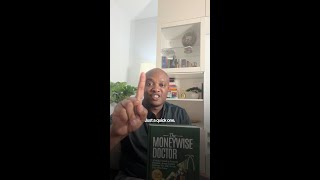
Ndubuisi Egwim tells UK doctors to automate savings by setting up a direct debit that splits each paycheck into debt repayment, emergency funds, and investing. He calls it the AMAS system. Automation works because willpower fails, but treating yourself like a bill doesn't.
Chapters
Just a quick one. You pay your water bills by direct debit. You pay your power bills by direct debit. You pay your General Medical Council bills by direct debit. And you even pay your MDDUS by direct debit. I suspect you're paying your council tax by direct debit. But one question that whenever I ask it in conferences, people get like surprised. Like I ask, how do you pay yourself? Most of you say, what, pay myself? No, you've gotta pay yourself as well by direct debit, automatically pay yourself. And what this means is that you don't save what is left at the end of the month. No, when your income comes in, you set up a direct debit, have it set up already to send out a percentage of your income for yourself. For one, paying off any debt that is crippling you. And when you've paid that off, number two, for saving up an emergency fund, which is basically 3 to 6 months worth of your living expense. And number three, for investing for your future. I call this AMAS, and I described it in my book, "The Money Wise Doctor," in chapter 2 of my book. It's basically automated monthly allocated savings system. You set it up and it's happening in the background. The same way you pay yourself by direct debit automatically, you also want to save and invest automatically without having to think about it. Because if you depend on willpower, if you depend on discipline, chances are that you forget. Chances are there's going to be a lot of pressure, and at the end of the day, you pay everyone else, but you end up not paying the most important person, which is yourself. Thank you.