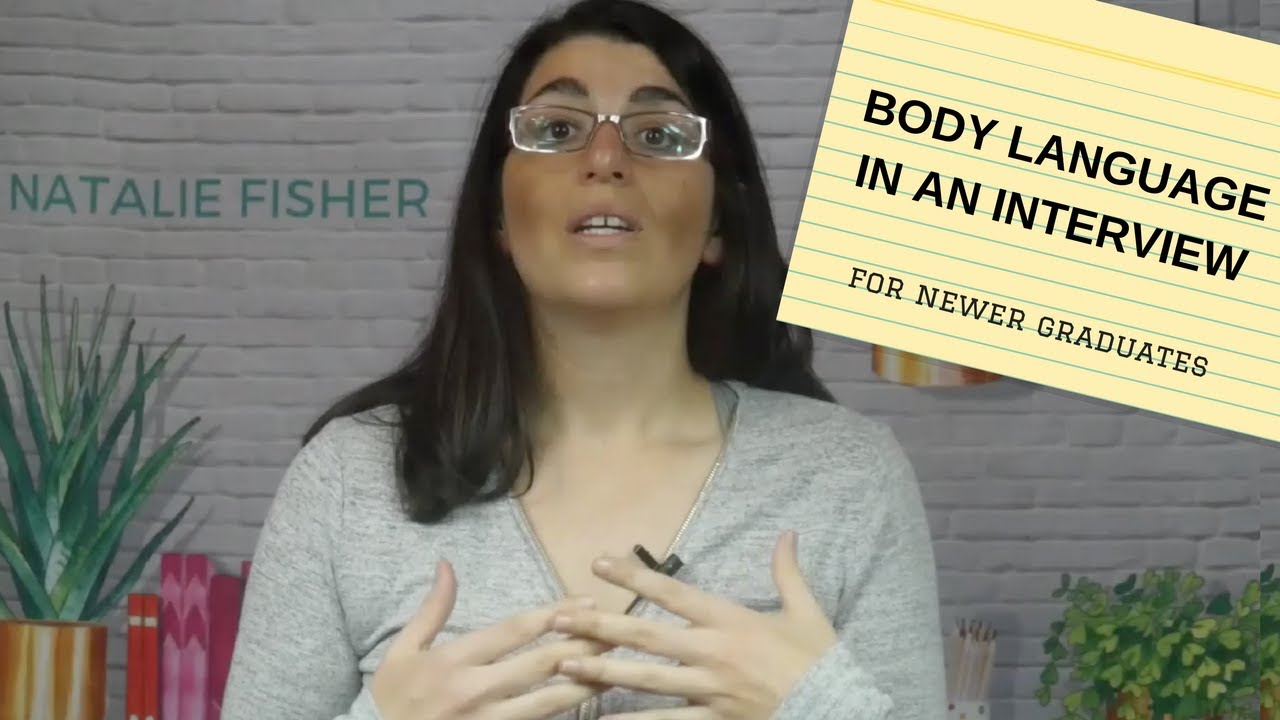
In this instructional YouTube video, career coach Natalie Fisher outlines three core strategies to improve interview body language and project confidence. She first explains why body language matters, noting that many candidates are unaware of subconscious cues such as fidgeting or tension that can signal nervousness to interviewers. The first strategy is to be at ease: prepare thoroughly, practice deep belly breathing, and adopt a relaxed, "chill" vibe that puts both the candidate and the interviewer at comfort. The second strategy is to release attachment to the outcome; Fisher advises adopting a curiosity mindset—viewing the interview as an exploration of the company’s needs rather than a personal validation—so nervous energy is reduced and genuine interest shines through. The third strategy is to "interview them": treat the interview as a two‑way conversation, ask about the company’s current projects, priorities, and challenges, and align your answers to those needs, which makes the candidate appear more relevant, engaging, and confident. Fisher wraps up by emphasizing that body language is just one piece of a broader interview strategy, promotes a free guide called "The Ultimate Guide to Situational Interviewing" that provides formulas, templates, and story‑building questions, and ends with a call‑to‑action for viewers to like, subscribe, and watch future videos.
Chapters
Hey there! In this video, you're going to learn the 3 super important things to be aware of with your body language in an interview. You're going to learn the biggest struggle most candidates have, and they're often not even aware of it normally, and the biggest mistakes people make which can cost them the job with regards to their body language. So I'm Natalie Fisher, I'm a speaker, and I help new graduates, or if you've been out of school for a few years and you're just not seeing the job offers or the money that you want, I'm here to help you with that. And I use outside-the-box strategies that most people are not using to help you achieve more faster. So stay tuned. Body language is a subconscious thing. There is so much to pay attention to during an interview that body language is something that just happens, and most people are not self-aware and they don't know what their body language is conveying or what body language they're speaking, so to speak. It comes down to your energy and your vibe. So what I mean by this is, have you ever been in a room with someone who's really nervous? And it might be obvious because they're fidgeting a lot or they're moving around a lot, but to them, they may not even know that they're doing that because they're so engrossed in their own feelings. So that's an extreme example, but it makes a difference in interviews. So in this video, we'll talk about 3 things that you can do to make sure that your body language is speaking the language of confidence. So the first thing, be at ease with yourself. If you're not feeling too confident about your interview right now, go and watch my video on how to be confident in interviews, and that will help you to get prepared in the right way so that you can feel more confident. Confidence comes from how well prepared you are and from being self-aware and at ease. Sometimes as simple as taking some deep belly breaths before the interview will help you feel a lot better. Being at ease with yourself will mean that you are giving off a relaxed vibe, more of a chill vibe, which will make interviewers feel at ease with you, which is what you want. So they don't want to feel the tension and the nerves in the room because that's uncomfortable for them too. So how do you be chill, Natalie? I know that's probably what you're asking, and I know that that's easy to say, but how do you actually do it? Well, yes, I do get that. So the secret to this is to release the attachment. So point number 2 is release attachment. This is the biggest struggle that most people have. The main reason why people feel so nervous is because they are attached to the outcome. They want the job so bad that it shows, and you can smell that. But the right attitude to have is actually that of curiosity. So I've used this myself. Whenever I would go into an interview, I would have the mentality of curiosity. I would say to myself, I wonder what this company is going to be like. I wonder what the type of work they're that really needs to be done in this role is. I wonder how I can help them. With that frame of mind, I'm not focusing on much on, I hope they like me, or I wonder if they'll like me, because that's where most people go. They're looking at the person's reaction and seeing, you know, did they respond well to that? But I wonder how I can help them, and I'm curious about them. Like, do I even like them? And whatever happens, happens. It doesn't matter. I'm just there to explore a new opportunity. And the secret here is that you don't need to get attached to one single opportunity because first of all, you know that there's many more out there. If you're using my methods to create opportunities, then you know there's many more opportunities available. And the second thing is, if they don't like you, great, that's fine because you probably end up in a job that was the wrong fit for you anyway. So releasing that attachment helps you feel at ease and calm about the opportunity. You can still be excited, and curious about it. We want that, but just relax and let them see who you really are when you're not stressed or nervous. They'll either like you or they won't like you. Great either way. Number 3, interview them. So this is a big mistake that people don't think of, and it really affects their outcome and how they behave and the decision of the interviewer. Remember that you are interviewing them as much as they are interviewing you. It's a conversation back and forth. You want to find out what they need, what kind of things they need addressed in the role, what problems they need solved, and what you can do. And when you're interviewing, you can talk about that stuff, and that actually makes you more engaging and a better interviewee. You want to be able to speak their language. This makes you super interesting. And when you're able to talk to them about things that are happening for them right now, things that are— they're dealing with right now, you instantly become more relevant, more Interesting and someone they want to talk more with. You end up being someone who goes over the interview time, which is great because they want to talk more about their problems with you. So getting into specifics of what projects are going on the go right now with them, what priorities they have, is a great way to stand out among other candidates and put yourself in a league of your own. When you come at it from this perspective, you're interviewing them you change the way you approach the interview and you naturally start to appear more confident, chill, and calm. You're there to help them, not wonder or question whether or not they like you, because that's something that a non-confident person does. So there you have it, a few key lessons in body language for your interview. Thank you so much for watching, and remember, answering one question or conveying strong body language is one piece of the puzzle. There's a lot more going on and You can't just answer the questions or you've already lost. So there's a whole strategy at play, and if you'd like to get started right now with me, you can click the link below. I've got a free guide all ready for you. It's called The Ultimate Guide to Situational Interviewing, and what you're going to get when you download it is you'll get a breakdown of the formula that helps you communicate your value with every question that you answer. You're going to get 10 in-depth example answers And they all break down with the same formula. You're going to get fill-in-the-blank templates for everything that you're going to be working on, so you're going to want to fill in those blanks and come up with your own stories. And just in case, because I know a lot of people I work with have a hard time coming up with their stories right away, so I've got 25 questions in there that you can ask yourself. They're going to get you thinking, and you're going to start to come up with your stories a lot more faster and a lot easier. So thank you so much for watching. I appreciate you being here. If you like this video, give me a thumbs up. If you didn't like the video, give me a thumbs down, and I will see you in the next video. Bye!