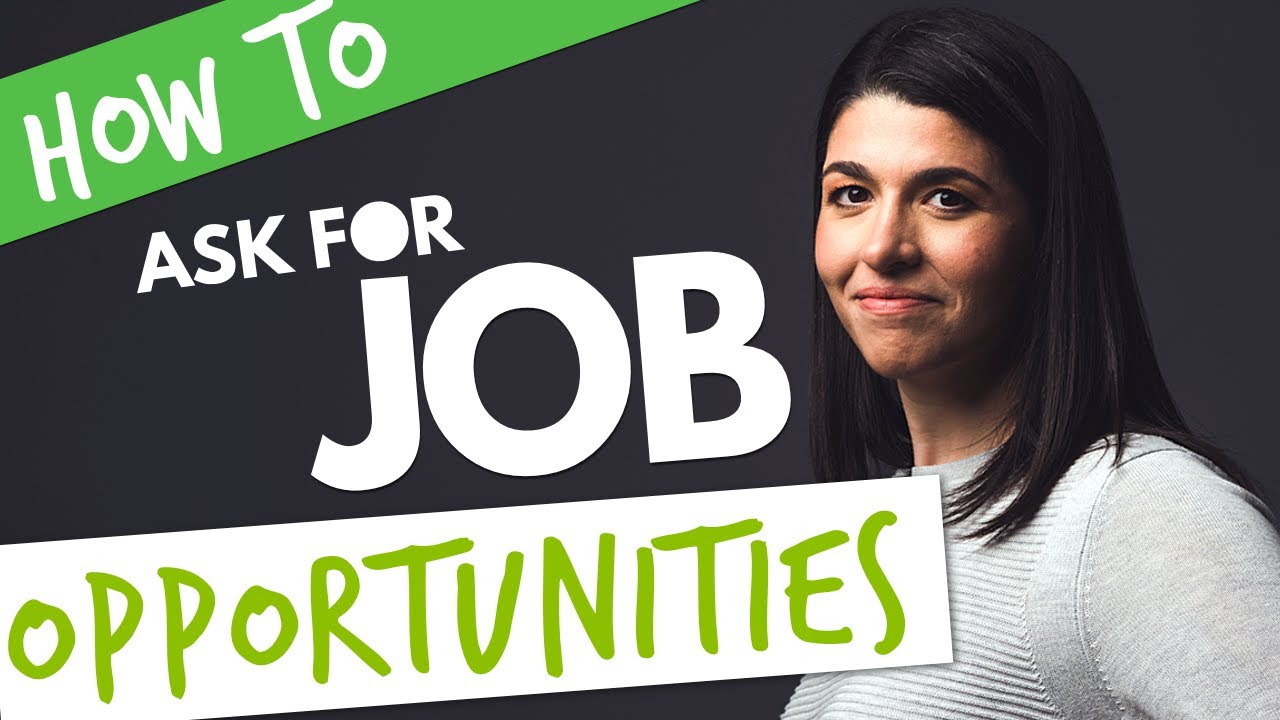
In this video, career‑mindset coach Natalie Fisher explains why many job seekers struggle to generate opportunities and offers a high‑level, actionable framework to take control of the job search. She identifies common limiting beliefs—such as doubting that people want to help—and shows how those beliefs prevent action. Fisher cites the widely reported 80/20 split (80% of jobs found through networking, 20% via posted listings) to underscore the importance of networking over sole reliance on job boards. She introduces “Niche Networking,” which focuses on connecting with peers and near‑peers who are more likely to pay it forward, and advises approaching outreach in an authentic, comfortable way rather than as a blunt “do you have a job for me?” request. The core concept she presents is “Opportunity Stacking,” where job seekers deliberately create multiple parallel prospects (e.g., several interviews) to reduce pressure, boost confidence, and appear in‑demand. Fisher also stresses the need to set realistic expectations, view each interview as a learning opportunity, and avoid disappointment by recognizing the process nature of the search. The video concludes with a call to a free 5‑day training that provides scripts, tactical actions, and deeper guidance on opportunity stacking, interview preparation, salary negotiation, and promotion planning.
Chapters
Hello. So in this video, I'm going to be talking about how to ask for job opportunities, and I'm going to give you some concrete ways to do that. And not only that though, I'm going to give you a high-level strategy as to why you're not getting opportunities right now and what's probably stopping you from getting into the job search like you'd like to and having everything going on and give you some tips on how to proceed in the best way possible for you to have as many opportunities as you want and be in total control over the next job that you get. So stay tuned. All right. So as I'm a career mindset coach, I can't just give you the scripts and templates. I'm going to give you those too, but it's not the thing that's actually going to create your success. And I know this from working with hundreds of clients. So I can tell you that you can find templates or scripts anywhere on the internet. If you want to Google finding networking templates, finding how to find opportunity templates, you can find those and they are readily available for you anywhere. And so I would ask you, why is it that when we know what to say and we know exactly what to do, we don't always do it? And it, and when we do it, it doesn't always work or it doesn't always work right away. And then we get discouraged. So what I'm going to offer you in this video is more of a high-level strategy for creating opportunities for yourself and how you can be more in control of your job search if you feel like right now you're just at the mercy of whatever job sites post, whatever they post. The first thing I want to ask you is, why do you think you're not getting opportunities now? Is it potentially because You know, you're not taking the action that you need to be taking. If that's the case, totally valid. Why aren't you? And if you're not, it's probably along the lines of you don't believe that people actually want to help you. And that's a very common belief, maybe because you've tried in the past and it hasn't worked. Maybe somebody hasn't responded to you. Maybe somebody tried to help you and they didn't. Maybe you got to some points in a networking conversation that didn't go anywhere. And then you decided to make that mean that people can't help or people don't want to help or this doesn't work. If you aren't getting opportunities now, it's because you're not taking the action to get them. And the reason why you're not taking the action to get them is because you don't really believe they're there. You don't really believe it's going to happen or it's going to work, right? Otherwise, why wouldn't you do it? What I offer you is some new ways of thinking about this. So that's the second thing I want to point out is if you check your information, you will go and find that anywhere will tell you that networking is the best way to get a job. That's what any site will say. The most common stat is 20% of jobs are found on the job postings that are actually posted, and then 80% are not, right? So maybe you've heard this stat before, but you can go to any site, look up stats for networking, and you're going to find this information. And they're going to have different surveys from different people that have been surveyed. Maybe it'll be students for some, or it'll be mid-level professionals for another, or they'll have just a general survey. But every survey, I guarantee you, because I've checked them all, is going to tell you that the majority of jobs are found through networking connections. If you don't believe that, then go and check your information and then you can see, right? Because right now, if you don't believe it's going to work, then you're not going to take the action to do it. And it won't work because you won't do anything towards it. And in the meantime, your alternative is to be stuck on the job boards waiting for something to happen. And if you're not getting any responses from that, you're going to be pretty discouraged. So I'm not saying do not apply on job boards. You can absolutely do that. And some of my clients have had success with that, but if you're not having success with that, or if it's very slow, you're not getting a lot of interviews, then don't limit yourself to just that because it is definitely not the only way or the best way. In my opinion, to find that next opportunity for yourself. Don't limit yourself by strictly defaulting to the job boards because that's what you think is the best way to do it, because that's what everybody else does. So there's a way to make it really easy on yourself. Asking for opportunities can be a hard thing for people to do, especially if they've never done it before and they don't know how to do it, which is why you're here watching this video. And so you think you need a template or a script to tell you how to do it. But really you need to figure out in your mind how you are going to do it comfortably. So however it is you need to do it. And I have a podcast episode which will explain to you what the easiest way to start is. And it's called Niche Networking. Long podcast short, you can go listen to that podcast and I go into great detail about it, is network with people first that you already know. That's an obvious one, but network with people who are like you or a few years ahead of you in their career. They're going to relate to you. They're going to want to help you because if they didn't have help from somebody, they're going to wish they had and they're going to be happy to help you. Or they did have help from someone and they're happy to pay it forward and help you. So I go into great detail about that in my podcast episode, Niche Networking, and I will link it below in the video. Number 4, make sure that you can approach it in a way where you start to feel comfortable with it. So a lot of people feel really uncomfortable with asking for opportunities. And so I would suggest that you, you ask for opportunities in a way that you can feel comfortable about. And it doesn't mean that you're directly saying, do you have a job for me? Or is there an opening available? Normally these things, these questions don't turn into job offers. Sometimes they do, but it's not an established connection yet, and it— and you haven't shown your value yet if that's all you're doing. So you want to do it in an authentic comfortable way for you. And reaching out to the person in the beginning might not be comfortable, and I wouldn't expect this whole process to be comfortable, but if you do it in an authentic, genuine way, then you can feel good about who you're being and how you're showing up in this process, and it'll be a lot easier and more fun for you to do it. So what I mean by that is asking questions of the person, getting genuinely curious about the person that you're communicating with or networking with and connecting with, and having a really good meaningful conversation. And then at the end of that conversation, asking them some questions like, if you were me, what do you recommend that I would do if I'm looking to— and then be very specific about what you're looking to do. If I'm looking to transition into a role like yours, for example, or do you suggest anybody that you know that I could talk to? Or do you have any ideas for any companies I should be looking into? And you can come up with your own questions too, but do it in a way that's authentic and feels good to you. But make sure you are taking action and moving forward from a belief that this works and that people want to help you because they do. And I've had people say, no, they don't. They don't want to help me. Nobody wants to help me. And that is, my friend, what I call a negative story. And I have a video on that. And if you believe that, then you can keep that negative story and you can just ask yourself, what does that do for you? How does that serve you? And where do you end up with that negative story? Because I know there's a lot of you who have negative stories. You might not know they are because a negative story is just something that you've been repeating in your head and it's not a fact, but you don't know it's not a fact. You report it like it's the news. So I'm here to tell you that people do want to help you. They help my clients every day, and it's just not something that automatically happens immediately because you have to learn how to do the process in a way where you can show up genuinely and authentically, where people feel that energy from you and they want to help you. If you're showing up like a creepy weirdo who's like, do you have a job for me? Is there an opening? Then you're not going to get the response that you want, and then you're gonna think that it doesn't work. So when you show up genuinely and authentically versus a creepy weirdo, you will get different results. I promise you. All right. Number 5, a concept I teach is called opportunity stacking. And what that means is, is we can have the ability to stack opportunities on top of each other. Meaning we have a lot of opportunities happening versus relying on one. So what normally happens is when you're applying through the job boards, you only have one opportunity, one opportunity at a time. So you go on that interview and automatically, just because you have that one interview and nothing else going on, you have a lot of pressure on you to perform in that one interview. And then if you don't, you're going to be very disappointed in yourself. Or if they don't offer you the position, you're going to be very disappointed in yourself and you're going to think, oh no, now I got to start from square one. This sucks, right? So what I offer you is if you are stacking opportunities, if you are putting— let's say we use it as an example of a piggy bank. We're putting money into that piggy bank every day. We're stacking opportunities. Then you, you can be a lot more relaxed in the interview knowing that you've got 2 or 3 interviews lined up. So if you don't get this one, that's okay because you've got other things going on. It also makes you feel a lot more confident because you're a highly in-demand candidate. You're somebody that people want to talk to. You're somebody with skills to offer that that people want and need. People don't set aside time just for anybody, and so this is why you need to have more than one opportunity going on. So that's why opportunity stacking is not only going to help you. with your networking and your skills to interview, but it's also going to help you with your ability to gain confidence in yourself. And the only way that we get this is by taking the action towards it. And the way that we get to take action towards it is we start believing that it's possible that you could be wrong about networking and that networking works, right? So do you see how that works? And so the last thing is, is Check your expectations. So what are you expecting? So most people, without knowing it, without being conscious of this at all, are expecting to have 1 or 2 interviews and land the job. And then when they don't, they spiral into confusion and sometimes extreme disappointment or depression, depending on how extreme you felt about this opportunity. But that expectation was only set by you, and you had control over that expectation. So if you don't expect to get a win the first time and you understand that it's a process, then you are not going to be so disappointed. And you're going to go to work on figuring out what it is you need to learn in order to get that job. Right. And you're going to be so much more empowered by that. You're going to be like, okay, I knew this was coming. Now I'm going to do my evaluation. I'm going to figure out where I went wrong, what I did, what I did well. The fact that you got the interview in the first place is where we always want to start. Because people don't just want to interview people who think they're going to waste their time. They obviously saw something in you. We always need to start with what's working, and then we need to go from there. But the number one reason people give up too soon, people quit, people slow down, is because they underestimate the amount of effort that it was going to take to get there in the first place. And if you have that heads up and you know that, then you won't be blindsided by that, and you will understand what needs to happen for you to move forward. And so with everything else I've talked about in this video, you have total control over this and you can go and ask for your opportunities. You need— you ask without asking, asking the questions that I gave you. You subtly ask, right? And you do it from a very genuine and authentic place so you don't feel like a creepy weirdo. Because a lot of people come to me and say, yeah, it didn't work. It didn't work. It's not working. And there's a reason why. Okay? And results don't lie. So there's a reason why you're getting the result you're getting. And it's not because there's anything wrong with you. It's not because you're not capable. It's simply because you haven't learned the process the way that it needs to be done. And until you do, you will keep getting the same result. So that's what I help you with. All right. Well, thank you for watching. If you liked the video, give it a thumbs up. If you didn't like the video, give it a thumbs down. Leave me a comment, and I have a free training for you. It's called Get a Better Job in 30 Days, and we go into detail about opportunity stacking, and I give you the script to send out and the very tactical actions that you can take. So I give you the whole overview, and it's a 5-day training. So you're going to get the first day, and that's going to be all about opportunities, and then you're going to get interviews, salary negotiation, and how to set yourself up for promotion. So click the link below to get that training, and I will see you over there. All right, bye!