Are you scared to wholesale? Listen to this
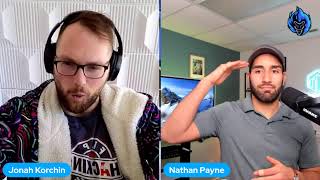
In this interview, real‑estate wholesaler Nathan Payne walks through his journey from missionary work and door‑to‑door sales to building a streamlined wholesaling operation. He explains his "painless" model that emphasizes disposing of high‑quality deals rather than chasing sellers, and how he shifted from a large team to a solo operator supported by a virtual assistant. Payne stresses the importance of focusing on the 20% of activities that generate 80% of results, citing the book 10x Is Easier Than 2x and the 80/20 principle. He warns new wholesalers against trying to scale too quickly—especially hiring cold callers—advocating instead a two‑year period of mastering the grind before expanding. Throughout, he shares practical tips on buyer relationships, marketing risk, and the value of one‑on‑one mentorship. The conversation closes with a promotion of his free weekly masterclass (painlessflipping.com) and his YouTube channel, where he provides screen‑share tutorials. Payne’s final advice stresses realistic expectations: wholesaling is hard work, and early failures are part of mastering the craft.
Chapters
All right.
I'm not sure if the intro actually started there. I'm gonna— I'm not sure if like that randomly started on my side. It failed. Did it fail on your side, Nathan?
I saw it, man. I was invigorated by that. That—
okay.
I saw it.
Okay. On my side, it didn't go. So I'm like, I don't know if I ended that early or what happened there, but whatever. We're here now. We have, we have the amazing Nathan Payne. Um, I met him off of, or I started following him on social media and I thought he was, he seemed like a really, really cool guy. So I really wanted to interview him on my podcast to see, um, his story, all of that type of good stuff. Right. And, uh, and yeah, and I just wanted to meet you and, you know, get to talk to you and all of that good stuff.
Appreciate it.
And yeah, that was basically it. So real quick, for my audience, just give like a quick bio of your real estate journey, like what you've accomplished. Just a real quick bio before we get really into it.
Yeah. So quick bio about me. I got started about 5, 6 years ago into wholesaling. Started with $0, no money at all. I told my wife, hey, I'm going to quit my job and I'm going to go all into wholesaling. And I had a business partner at the time, like we both went into it and my wife's like, that's fine, just, just figure it out. But just, you know, just go ahead. Right. But with no money. Right. And I was like, okay, I can figure it out. And so we did. We were knocking doors. We got one of our first deals from knocking doors. We were cold calling the expired listings list, got a deal from that, mail. I mean, you name it, we tried everything and it was like literally like this. For several years, just up and down, up and down, trying to do deals, and then eventually stabilized, figured it out. And then what happened is in 2000— well, a year or so ago, the interest rates really went up in Utah where we're doing most of our deals. And my business partner's like, hey man, you know what, it's getting harder to sell deals. I'm not really feeling this anymore. So he dipped and I went off and I was like, hmm, what has been the easiest way? My partner's gone. So What's been the easiest way to do deals? Well, the easiest way that I've been doing deals is through networking, through my cash buyers, bringing them deals from other wholesalers or other agents and just selling that way, the painless way, the easy way. Um, and that's all I do right now. And that's like, I used to have a big team. I don't anymore. It's just me and a virtual assistant. And, uh, yeah, it's pretty simple. Literally no overhead, no marketing costs, and, uh, do a couple deals a month. Nothing crazy, not like what I was doing before, but I love my lifestyle I have, and I'm not really worried about much when it comes to the real estate side. So yeah, that's me.
I love that. I love that for so many different reasons. First off, I'm the same as you. I do all my deals through real estate agents and other wholesalers because you're right, it is the painless way. It's the easier— it's way easier than direct-to-seller, right? So yeah, like, I love that because I really like the fact, first off, that you're super comfortable with the fact that it's like, hey, we tried to do this big team. I didn't like it as much. I'm not into it. Instead, we just scaled down to just me and a virtual assistant, and that's what I'm really enjoying, right? Like, I'm enjoying doing that instead of doing like the, the huge business route, not needing to do that necessarily as much. What inspired that decision to just be like, you know what, let's just go down like the me and one virtual assistant and like not go super crazy with like a crazy team?
Yeah, man. Lifestyle. Lifestyle, 100%. Because when I had the bigger team, we were spending about $30,000 to $50,000 a month on marketing. It like, you felt like if you didn't get on every lead that you were spending $500,000, $1,000 pay-per-click, whatever, that you were like burning your money, right? So like sometimes my team wouldn't want to answer the call, so I felt like I had to call the lead and it's just, I was working nights. Weekends. It wasn't like, uh, just a, you know, 9-to-5 job, which, you know, being an entrepreneur really isn't. But still, my wife was like, you're always working, blah blah blah. And I didn't feel— I felt like I was, yeah, and I wasn't as happy. But now it's like, hey man, I don't have to make $30,000 to $40,000 or whatever to just cover marketing expenses, not alone. On top of that, like, you have overhead, you got office, you have all this stuff. So I was like, hey man, this, this lifestyle is a lot better. So To answer your question, it's just lifestyle and just being okay with the fact that I don't need to tell people that my business is revenue and generating millions of dollars to feel like I'm doing something. Like, yeah, I don't make millions of dollars right now, but I get to keep— instead of like 20-30% profit, I get to keep like way more of it, you know?
Yeah, no, 100%. And I feel like this should just be known to people. I mean, for me, right, like I'm— I have a team right now. It's not like a huge team or anything, but I've got like employees and lots of VAs and all that stuff. And I'll be honest, like, I'm there. It's like you have to either get to like $5 million in revenue, $5 to $10 million, where it starts becoming worth it, or you're making probably less or around the same as you're making if you're just a solopreneur. To this day, the most money to me was when it was just me and another VA, right? So in the, in the end, like, I totally get it. I think it should be promoted more, the idea of like, hey, you don't have to create a crazy business. You can just create like a really simple one and be super happy and make a freak ton of money, right? Um, and still have like an amazing lifestyle and all that stuff. So I just want to say like, I, I love that first off, because too many people are trying to make the big business and it's just not worth it for a lot of other humans, right?
Exactly.
So, um, so yeah, man, I told you this, like, when I was gonna— the question I was gonna start with was, when you were just starting out in wholesaling real estate, what were your biggest fears and how did you overcome those fears?
Biggest fears, you know what, I'll be honest, like, I'm not flexing on anyone, but I just wasn't scared. Um, because I came from the door. So I'll just tell you a little bit about my background. So I'm from the church— I go to the Church of Jesus Christ of Latter-day Saints. People call us Mormons. So when I went on a mission, went up from 19 to age 21 for 2 years, I went on a mission where I would just approach people on the street every day about Jesus. I would just talk to people about Jesus. So, um, you kind of get rid of like fear, uh, pretty, pretty quickly. You're like, I'm not really worried 'Cause if someone doesn't attack me or hurt me for 2 years from like just approaching them randomly, I'll probably be okay. And after that, after my mission, I went to college and I started doing door-to-door sales, selling Dish Network door-to-door, DirecTV. And I would, I had a gun pulled on me and like door-to-door, just some crazy stuff happened. So wasn't really too worried. I didn't die. I'm fine. So when it came to wholesaling, I was like, hey, it's just a different thing. I just need to talk to people about selling their houses. So I wasn't too scared or worried about that. I kind of knew from years of approaching people and talking to people that nothing bad can happen to you. So that's kind of— wasn't too worried. I will say when I was calling, the fear or the worry I had was like not knowing to say the right thing and like fumbling. But that wasn't like like a fear. It was just like being uncomfortable. But I knew like through practice and doing it over and over again, you master any skill. So that's probably the one thing is like, oh man, I don't feel comfortable talking about to the seller and acting like I'm going to buy their house, you know, that whole rigmarole. But I would say those were it, like just talking, not knowing what I was talking about.
Gotcha. Which makes sense. I mean, I feel like that's everyone's first one, right? So when you were, like, how did you overcome that? Like, I mean, obviously, let's just, let's go back to, let's start with the missionary stuff because that's sales in and of itself. And you're really developing that skill in the first place. How did you overcome, let's say, going up to people and talking about Jesus when, you know, maybe I'm wrong, but I feel like, I don't know where you, where were you? Where were you doing the missionary work? I know you guys go all over the place.
I was called to serve in Portland, Oregon, so— or I was in— okay, gotcha— in the surrounding areas in that area.
So that's like an interesting one because it's a Christian country too, so they know about Jesus, right? Yeah, they do know about Jesus. But what was— how did you overcome the idea of like knocking on doors? And like, like, what did you— did you have any techniques, or were you just like, screw it, I'm just gonna do it because I got it right now?
Well, on the mission they kind of give you an idea of like what, what's How do you approach people? You open—
you—
they call the— what we did inspired questions, like questions that are inspired from God and like that get people to think like, hey, have you ever thought of where you came from before this life and why you're here and where you're going after, you know, you die? Like, those are inspired questions. So that's kind of how I got ready for that. And I translate that to wholesaling, like, hey, I'm in the neighborhood. Have you ever thought about selling or do you know anyone that is? So just asking questions, not being pushy, not being like, hey, I'm here to buy your house. So yeah, just approaching it that way and understanding that it's probably going to be a no. Through doing sales and doing this, you almost get in your head like, hey, I'm always going to get a no. So I just have to like smile and keep going and overcome the objection. But it's not— that would— I would just say that. It's just be expecting the no, but don't like let it destroy you or like really bring you down.
Gotcha. And then like, what skills do you feel like missionary work, how that translated to wholesaling, right? Was it like literally missionary work and then right after wholesaling?
Oh no. So do you mean like, did I go right from being a missionary to wholesaling? Is that what you're saying? Yeah. No. So I went on my mission for my— when I was 19 to 21 years old, and then I got into wholesaling. I'm 32 now, so I got into wholesaling when I was like 27. So I, I, I went to college and did the door-to-door thing for like 6 years and then got into wholesaling. Um, so the skills that translated from missionary work or door-to-door were just like understanding that, uh, it takes a lot of nos to get a yes, and you have to, uh, right, learn through trial and error and the furnace, the fire of affliction, whatever, to progress and be better. So like, if you suck at pitching Novations right now, or if you suck at talking to agents, you're going to suck until you get better, like until you do it enough where you can improve and progress. So that, for me, it— that's, that's all I— it's the skill set that I learned is just like, hey bro, just takes time. Um, maybe someone's way better than you and it's not because they're more skilled, it's just they've done it more, they have more reps.
Yeah, 100%. I talk to my salespeople a lot about that, how it's like you guys aren't like actually any better than me. I've just done this for so much longer than you. That's literally the only difference in the end, right? It's like, I, I can give you guys pieces of advice, I can give you guys advanced sales technique, but you're just gonna keep getting better and better the longer you stay here, right? Um, and so I love that content too.
Like, um, I think Alex Hormozi was talking to Grant Cardone about like content, and this is before Hormozi got big And Grant Cardone's like, dude, look, the reason why I'm so much bigger than you is like, come and look at my account. And he had like 10 times the amount of videos that Hermosi had. So he's like, hey, it's not that I'm better than you. I just put out way more than you do, right? And maybe I've been able to gain more fans and now I'm more popular. It's the same thing, whether it's like reps on cold calls, whether it's reps talking to agents. It's, it's just, hey, you got to get better. You're going to get better by producing more and giving, taking more shots.
Yep, 100%. And then I also wanted to ask you about that because I find that what's also really interesting is like you're very popular on social media, right? I mean, I found you off Instagram. I think you had like 80K followers or something like that.
So what's interesting is, is the foreigners love me, bro. I don't know why the foreign people love me.
It happens. I have, I have like a good— I think it's like I got like 5% from the Philippines or something. I'm like, I think you guys are just VAs trying to get me to hire you or something like that. I don't know.
I get non-stop messages like, hey man, you, you need me to— you need Like people are always asking.
Right. It's crazy. But what I'm curious about, because it's so interesting to me, since you've decided on this lifestyle of just being like, hey, it's just going to be me and a VA, I'm happy here. Like I don't really need to go absolutely insane with the wholesaling. For you, what are you trying to get out of the social media? If you're not trying to grow a huge team, like for you, what do you want the social media to turn into? I find that really interesting.
Yeah. So the reason why I'm so heavy in telling people what I do about my lifestyle is because when I first started wholesaling, I did it all wrong. If, if we talk about like my first deal I did, it's like the classic scenario of like everything that can go wrong if you wholesale the wrong way. And if you wholesale the way I teach you, the painless way, you won't have these issues. And, and basically that's, that's why I'm doing this is because when I first started, I spent— I blew through money because that's what they told me. Like, once I started making money wholesaling, I started with $0. But once I started making money, I literally just blew the money like on mailers. I would spend it on pay-per-click, I'd spend on texts. So I think that happens to a majority of people. Like they go, they try cold calling or texting or doing something for free and they realize, oh, this isn't working like I thought it would. Let me spend money because that's what everyone says, like market. And then they blow their money marketing. So I, I, my goal is to teach people how to do it the painless way, like the without blowing market marketing dollars, and also like the proper way to go about it. And last part is I, I do coach, I do teach, I mentor. When I joined any coaching program, uh, on my way up, it was always like I thought I was getting mentored by like the actual guy, the influencer or whatever. Like one-on-one. That's what I thought I was getting. That's what usually got pitched, right? And then I joined and I'm like on a call with like 100 people or like 30 people or whatever, and I have to wait like an hour and a half to talk to the coach to ask like one question. So it's just like, man, this is stupid. I just want a mentor. So what I provide is like a one-on-one mentorship. Like you have a question, you got— you have a one-on-one mentor, like a mindset mentor and a one-on-one real estate coach. Now, I don't always do those. One-on-one sessions, but I have designated coaches that do because I know that's what I wanted. I just want a mentor, not a group, not a community. I want a mentor. So that's, that's why I'm so heavy on social.
Interesting. So that is a really interesting perspective and I want to talk with you about it because for me, I've just, I've basically only been a part of communities and communities. I do find it annoying where it's like an hour and a half or whatever, waiting to get your question answered sometimes. But I've been part of communities like Sub2Astro. I don't know if you've heard of these ones, but they gave me personally what I needed. I never felt like— I felt like one-on-one mentors, they would help, but as long as I got the question answered, it was fine. What's your philosophy or what have you noticed where it's like, no, I want to be providing that one-on-one service? What is that like? What have you seen the difference in your students? I find that just interesting because you're definitely one of the only people I know who does that.
Yeah, I think it just depends on what the person wants. Like, I've talked to a lot of people that are part of communities like you've— you're talking about that, like, come on and talk to me. They're like, look, I just want someone that can answer my questions, that can mentor me. So I think that— and that's what I wanted. Like, for example, I joined Jerry Norton's program, and shout out Jerry Norton, my main guy. And, um, you know, luckily I was able— like, me have a cool relationship, and he— I would say he is my mentor. You know, obviously through the program he is, but like even deeper, like what I want. And, you know, it just depends what people, what they desire. Like, if I would say you are probably a different breed or a different person than other people that probably need more handholding. There are a lot of people that are probably in those communities that don't want to speak up and say, hey, I really want a one-on-one person, not just a community. But they're not saying anything because maybe they'll, they're afraid to just be out open and honest, and maybe they feel like they're going to get attacked. But, um, I'd say a majority of the people in there that aren't getting what they need or feel like they need, they'd rather have someone to talk to like one-on-one.
That's fair. No, I mean, I get it. I'm a pretty self-sufficient type of guy a lot of times, and I also only— I literally only need one question answered usually per week. I don't— like, usually there's like one critical one, I do it, and then I create a new problem. So it's interesting. I just find it— I, I find everything about you interesting, just so you know. The fact that you're one person with a VA and you're like, I'd rather keep doing that. Your community sounds— or community/mentorship program sounds very different. Almost everyone I've ever had on here is like, yeah, the one-on-ones, they can't scale it or anything, or it's really hard to, right? So it's just interesting. You're doing it your way, the way that works for you, right?
So scale's like a bad word in my opinion, like a lot of the times, because sometimes people will try to scale and they're like, bro, you're not ready to scale. You just started a week ago. Like, don't think about scaling. Like, you need to make money, right? So, and that was my problem. Like, as a brand new wholesaler, like every, every event, every community, whatever I went to, they'd be like, scale, scale, scale. So I felt I fell into that trap of being like, okay, well, they said to hire a team, they said to get an office, they said to spend a ton of money and feed the people leads. But I hadn't developed as a leader yet or as a business, like, entrepreneur to even, like, manage a scaled company. So it just didn't work out. So I think a lot of the time is, like, the skill sets that are required to build a business like that and to scale, a lot of the students or the people learning brand new aren't ready. And that's kind of what they're being taught. And I think it's kind of hurting them before they are able to get there. Like, Yeah, be consistent getting like 1 to 2 deals a month before like you try to hire like a squad, a team of people to call because you got to provide leads for the people. You got to have a CRM. You have to know how to track. You have to know how to do data, you know, booking, like all this stuff is so important. But again, I think people want to scale because they want to get out of the dirty work. They're like, oh man, this sucks. Let me have someone else do it. And it's like, you don't really know how to hire, how to train people, because you haven't, you don't really, you haven't built the muscle yet.
Yeah, 100%. And I totally, I 100% agree that like people scale well way too quickly. They don't know what they're doing. It's a whole different skill to be able to do it on your own versus like scaling an entire team, right? And that, and it gets like very, very difficult to do that. And you have to hit, first off, to be a successful wholesaler just on your own, you're in the top 5% of people who've ever tried this minimum. Then to have it work where you are not in the business at all, everyone's "dream," you're the top 1 of 1%. And even then they're spending years and years and making very little money in comparison to the person who's just going one, just them and another virtual assistant, because you get to keep almost all of the money, right? The way you're doing it, which is the way that I do it too, there's no marketing costs. You're literally— your overhead is just that VA salary, basically, right? I can't even imagine if there's any more than that.
So when that happens, like, maybe like a CRM that's like $97 a month or something.
Yeah, like something like that, right? And then your You can make like half a million to $600K, $700K and then keep like 80% of that or 90% of that. And then you've just made yourself a $500K job and you're never going to get that anywhere else. Yeah, man, I just love that. Okay, totally.
I've done both, so I know.
Yeah.
I know what you actually—
Right.
I even know about like large, large real estate companies where the owner like that they make $1 million or $2 million, but they're making like $250,000 to $400,000 after everything. Now they're outside of the business, but still it's like, bro, that's a lot of risk and you've had to spend a lot of time. Like I'm sure there's, you know, I just don't want to have to wait and build all that up to do that. I feel like I don't need to wait that long.
So yeah, 100%. No, I totally agree. And like I said, like my first, the first year where it was just me and a virtual assistant. First year I ever did, I made like $0, but then the second year I made like $350K to me. I still haven't gotten to that since then, actually trying to scale. It's always been less, right?
I appreciate your honesty, dude, because that's the same. Like when I was building, I think one year, like my best year, I was like close to $1 million in revenue with our, uh, our wholesaling company. But like taking home, it was like splitting it because I had a business partner. It was like, right, not $150K. Exactly, bro. So it's just like, this sucks.
Yeah, you just gotta, you just gotta know, right? Like, for it, for that to work, you got to get to like $3, $4, $5, $6 million in revenue. So like, that's what has to happen for it to like actually work out. Otherwise, if you're intent on wholesaling, I think everyone should just wholesale and keep it as like one other person, right?
Yeah, like, like, I think we know Brent Daniels, like, he's got a, he's got a good like a good squad, like a good solid team. It's a smaller team, I would say. Like, it's not— yeah, yeah, sales floor. When I was building— yeah, like when I was building my team up, like I was like trying to get as many as I could. Like, you, you just have to keep it small and you have to keep it tight. And like, you have to have good, good people if you're gonna do it. But if you're gonna like bring in like C players and not A players, then you're gonna, you're gonna suffer because you're gonna have to be cannon people, you're gonna be wasting leads. Anyway, I'm just giving everybody the juice right now. I I don't know how deep we want to get.
No, I agree. No, I agree, bro. Who knows? Right now, I really like my business partner and it is working well and we are growing, right? But I 100% see the other side and I let people know. I tell people a lot of times, if you're making— if you're just realize for you to scale a business and then get it to where it's like 300, 400, 500K a year to you, that means you're talking like 3, 4, 5 million. So I just, yeah, no, I think it's just good for people to know that, right? Yeah. So yeah, man, here's the thing. I'm just going to be, I'm going to also be devil's advocate, right? In the terms of what I think people who are watching who maybe are trying to scale a business, when they're thinking of that lifestyle, it's like, okay, but the issue is, is Nathan, how much are you working? As a solopreneur, right? Aren't I going to be working less as I hire more people who are going to be doing more of the job roles? Or is that wrong? Is that wrong thinking in your head?
Oh, I don't know. Like, I really enjoy what I do, so the time flies. I don't really look at it too much like, hey, I'd like to be working less. I will say when I was, you know, built, built the team, you're still working a lot. You have to make sure that, you know, your employees are working, they're there, they're hitting their goals. So, and this is another thing, like, I'm not doing this so I don't have to work and I wouldn't scale a business so I didn't have to work. Like, I like working. It keeps me busy. So I just do this because of the lifestyle. Like, I get to spend time with my family. I believe, like, I just had a daughter, so I get to spend as much time with her as I want. I only work 4 days a week. I don't work on Monday. I get to spend all day with my baby on Monday. So again, it's just more of like, hey, this time when I'm young or until like I'm 40 or 50, like that's probably the best time to spend with my family. And then obviously my daughter is going to be like old, she's going to be out of the house. Then I can go grind when nobody wants to hang out with me when I'm an old geezer, you know, not, not— I'm not going to retire when I'm like, that's not my goal. Does that make sense? Like, I'm not trying to get out of work later. I'm trying to get out of work working that hard now.
Yeah, no, totally. It totally makes sense. And honestly, like, For the type of money you're probably making being a solopreneur, it's also just— it's so worth it in the sense you can just do that. You don't have any business partners and all that stuff. It totally makes sense, man. And yeah, I like it a lot, right? Because yeah, you're right. I mean, people in this industry are lying. It's like they're like, oh yeah, $2 million in revenue. It's like, great. How much did you keep? Right?
That's my message for everyone because we all see the big checks flashing. Like, oh wow, yeah, you made $80,000, but it took a year for you to get that $80,000, and right, you spent like $20,000 on coaching, $60,000 on marketing, your opportunity cost. So like, I'm not poo-pooing on people that do that, I'm just saying like, hey, just be— let's be real with each other and say, hey, you know, what are you really trying to accomplish? And if what you're trying to accomplish is scale, then freaking go for it, but just know it's going to take some time. And if you're looking to make money, then get to work.
100%. So cool, man. Well, I love that. And then, so let's go through your story a little bit, right? Um, so you go through this, or you start out— how did you like find your business partner? I'm actually used to people taking a while to find a business partner. Like, did you instantly find this business partner, or like what happened?
Yeah, uh, great question. So it was just one of my roommates in college. Um, in college, uh, I was doing door-to-door like I told you, and I was always trying to recruit because I built up teams and they sold with me in the summer. So I would always try to recruit my buddy, be like, bro, come and sell, man, you're gonna make some good money. It's— we only have to work for a couple months. And he'd be like, nah, man, I'm gonna stay here and I'm gonna do real estate. So his dad was a wholesaler in Missouri, so he was doing lease options, like wholesaling in Idaho where we went to college. And I would go sell and I'd be like, where are you? He— we basically just try to recruit each other, right? Like try to get each other to work for together. So I never did. But after I graduated high— sorry, not high school, college— I was like, man, I don't want to do door-to-door anymore. And, uh, but I was like, what can make me good money with my sales skills? And I was like, oh, real estate, right? So then I called him and I said, hey man, what, are you still doing that? He's like, nah, I got a tech job. I was like, well, let's, let's go all in. Quit your job, I'll quit mine. Let's go all in on, you know, real estate wholesaling. And I didn't know anything about wholesaling other than like let's go find someone who wants to sell. He's like, okay, let's do it. So I brought him because I didn't know anything about real estate other than I had the hustle and the grind. And he, he had what I, I thought he knew more, but I found out quickly that he didn't know that much, uh, when we got together. But it was at least, it was fun to work with a buddy. And the reason why, again, I got a, a partner in the beginning immediately was because, again, it's for me, it's more about like the experience and the fun. Not, not necessarily that it was fun, but like, I want to enjoy my work life instead of just being like money, money, money, money. It's more of like experience, uh, learning, you know, networking, growing with others. So that's another reason why I chose to just work with them right off the bat.
I love it. I love it so much. And then, so, uh, you were— so you did that, you had a business partner, you're having fun with it., was your, so how did you, why did you eventually decide to start hiring people? What was kind of going through your mind? And, yeah, let's like just start there because that's been like the topic of our conversation. It's been like scaling and not scaling.
So what, what made us want to like hire more people eventually when we started? It was, it was, it was drinking the, the Kool-Aid of scaling.
That was it.
Yeah. Because like everything we watched, everything we watched, everything we, We consumed every, uh, like, I think we spent like $7,000 to go to like an all-in, um, you know, seminar with, uh, Carlos Reyes and Shao Shakur, I think. So we went there and the whole time they're like, you know, build a business, get an office. So we were just drinking that like, oh, let's build an office, let's get a giant office. So as soon as we came back from that, we bought like an office we couldn't really afford— well, we didn't buy, but we like rented a giant office, right? Started hiring people, started bringing leads. And, you know, I'm not saying we, we didn't lose money, but it just was like, you know, it was a lot of work. And, you know, obviously now I would be way better at running it, but it's a learning experience, right? But that's why we did it, scaling, because that's what we got to do.
No, it makes sense, right? Um, um, is there like a time in your future where you would consider trying that again and maybe doing it this time with like maybe a different business partner or trying again? Or what are you thinking about that? Or do you think just solopreneur, just get enough money where you can eventually lend out your money and just live off that? That's also something I've thought of where it's like, man, if you want the lifestyle thing, that's not a bad way to do it, is just get wholesale till you have like $4 or $5 million in the bank and then just become a hard money lender and you could live off that forever.
That's a good question. I haven't really thought about building up that model. Again of like, let me get some acquisition reps, let me get me some. I don't personally think that's the best model to go by. So no, I probably— I wouldn't do that if I were to do it. Like, I would specifically target notice NODs and probates, and I would just continuously mail them for the rest of their lives until that property sold. And I would just do those deals like here and there because those take time, but I would be consistent with the marketing. If that— if I was to do off-market, right, it would just be NODs, probates consistently, just hitting them up. And in the model I do right now, Painless Flipping is like you're known in your market as a company that has like good relationships with buyers you can dispo. So I would more build that model of like, hey, Painless Flipping, man, these are the guys to go to. They can get you your offers real quick and they have great buyers. They're, they're honest and easy to work with. That model, I think whether you want to call it like the New Western, the Keegley, the Networth, Realty Roof One, I mean, you name it, they're popping up all over the world, all over the place.
It's the better model. It's a better model by far.
By far. 1 billion% better model. Because I was just talking to my team this morning about it. It's like, what is our model? What is the pan split model? Like, all it is is like you already have like thousands of acquisitions people working for you and you just have to be a better dispo team than their, their team, right? You just got to be better at selling or finding a better buyer. So I have— I could show you like thousands of deals I can look at right now, but I just have to be $1,000, $5,000, $10,000, whatever, better than their best buyer. And I make money like no risk, no, no marketing spend. And again, I just have to be better or quicker.
That sounds like a good model to me. Yeah, no, I 100% agree. I mean, I definitely think that's the best model by far, especially for wholesaling real estate. I think most people should go for that. Direct to seller is great. There's nothing wrong with it. It's just such a harder model to do. I think it's just harder in general. Like, I do most of mine through real estate agents. That's like my thing. I work with wholesalers too, but like those are like really special relationships. But being a dispo powerhouse, it's just so much better. Like so much better.
Like people say like, let me get into wholesaling because it's risk-free. Like not if you do the traditional way. Like if you go out and you have like a marketing campaign or like you're doing pay-per-click or any sort of marketing, that's not risk-free. You're putting out money every month, and if you don't get deals to cover your marketing expenses, like, you're in the hole. So it is risk. There's risk. And that's kind of like what I didn't really take account for when I first started. Like, when I first started, I was cold calling myself. I was, uh, knocking doors. So that— you could say that's just your time, but eventually when you want to scale, there's a lot of risk involved. There's teams, there's payments, there's like salaries. Like, yeah, so That's fine. It's a business. Like, that's what most businesses are like. But if you want to do it really risk-free, you do it the Painless Way. Or, you know, like you're doing, you're doing it. I just call it the Painless Way because that's— I'm trying to brand it. But we're— yeah, it's pretty much—
no worries. It's a great, it's a great name. I love the name of it. So real quick, talk about the Painless Way. Like, does it— is there anything that differentiates it from like Keegly or New Western or anything? Like, was there anything that you were like, okay, this is my little touch to that type of model though?
To be honest, I don't know much about what those guys— like, I haven't taken any of their courses or done much about what they do, but I do know, like, somewhat, like, New Western, uh, the way they work is like they separate their dispo and their acquisitions, and they don't really communicate very well. Like, the dispo team doesn't really know what the acquisition price is, or like, they kind of keep it like separate. Like, uh, I would say, like, me, it's like the transparency working with the buyer. Like, I call buyers and I'm like, hey, Hey, I got this deal. I see that this deal is— you probably saw it went out for $260,000. I personally know that the wholesaler has their best offers like $250,000 or whatever, or I know that they can go way lower. So it's like me, the transparency, being able to sell the deal to the buyer. I would say that's what I'm good at and what I'm good at teaching is like, there's thousands of deals that these buyers are seeing right now. I am better at getting them sold and I'm better at knowing why it's a good deal for them to look at because I was just sitting with a buyer. I just went to lunch with a buyer and he's like, bro, I get texts from Keegly and I just look at the deal and it sucks. That's what he's telling me. This is just— they're just like, spread is always not even that good. So what I do is I call Keegly and I say, yo, Keegly, like, I already know my buyer or is going to be less than this. Like, what's the situation? What's the story like? You know, because he's going to want to be at this price. So I try to negotiate and find out where they need— where they really are and what they're willing to accept. And then I call the buyer like, hey, this is the situation, can you get it done? Let's get it done quick. So I don't— again, I don't know what Astro and all those guys do, but mine's more calling and negotiating on both sides.
Yours is more personal.
It's— yeah, it's not—
yeah, it's much more personal, which I think is a great model. And honestly, I've been trying to do more of that with, with my company of being like, Why don't we get like 10 buyers who like we could show, we could send them anything and be like, where would you be at? And then like that we get like better ideas in general. Yeah, yeah. Of what we can sell.
You just nailed like the difference. The difference is like we can sell deals before we even have them under contract. Like that's, that's what the painless way is like. For example, if I'm talking to an off-market seller and they want $260,000, I'll call John and be like, hey John, they want $260,000. I don't have it under contract. I'm getting negotiated. Would that work for you, or where are you going to be on that? He's like, no dude, I'd be more around $240,000. I'd be like, okay. I'd call the seller, don't have it under contract still. Hey seller, $230,000 and it's done. And all that is done before I even have it under contract. Same thing with the wholesaler. I'm working with a wholesaler. Hey wholesaler, you got it at $240,000? Let me just check. So I don't ever really need an assignment. I don't need you to lock it up with me. Let me just ask because I have those relationships. And it's easy that way. So I don't have to do paperwork. I don't have to waste time.
And it's a quick, quick model. No, I love it. I love it so much.
Yeah.
I mean, that's something that I think I want to start implementing definitely a lot with my team. How many buyers do you feel like you have that type of, like, personal relationship where you can, like, be like, all right, let's just go to them and see where we're at?
So in Utah, because I've been in Utah for quite a while, it's like probably 10 or 11. Like, seriously, like, I'm cool with, and I can just call In Orlando, we just started there like a couple months ago. It's like 4 or 5. And when we're talking like really tight, I mean, like I can call them and we can chat. But it's— you really can't, in my opinion, like develop like 50 or 100, right? You got to have like your go-to people where it's like, hey bro, if I hit you up, I got to get a response because they're waiting on me. And not all buyers are going to be willing to do that. But yeah, you don't need that many. You just need a couple that are going to buy in that "Hey, we'll do this with you." 100%.
No, I like it. So let's talk about it. How do you determine whether one of them is going to be that buyer or not, right? How do you determine who you're going to put onto that VIP, "Let's just sell to these guys" type of list?
I would say initially, once you start sending deals and they come in with prices that are reasonable, right? Like, I'm not going to work with someone who's just lowballing me all the time. And I'll even ask them, be like, hey man, like, that offer you made, like, obviously I would buy it at that price. Like, you got to give me something like competitive or I'm not going to be able to work with you. So I would say like, are they reasonable or are they just like lowballing everything, right? Does that make sense? They got to be—
yeah, yeah, 100% amount.
So they got, they got to be responsive because As a wholesaler, as like a dispo powerhouse, you have to have answers like, like that. You need to go see the house. You need to be able to take action. Can you put your EMD in like right now? Like not just, oh, let me get my EMD. It'll take me a couple of days. Like, no. And are they able to do more than like one deal a month? Because you don't want that one. You don't want to build that relationship with one guy who can take one deal every 6 months. It's like, well, you know, that's not going to really help me out. So there's multiple factors, but it's like they have to be responsive. They got to be willing to give you feedback, even if you don't have it on your contract. And, you know, all those things just pile up.
Gotcha. Gotcha. No, I like it. I mean, I'm thinking, I'm thinking I might like literally implement that with my team right now. I feel like it's hard to do. It's hard to do with the team, but like, I think that would be much better a lot of times just doing it where it's like, let's just try to sell to like 10 to 20 people max and see what happens, right? And get it at a price where it works for one of them first, right? And like, and like maybe if it's like that or absolutely nothing, then we could go to like a wider variety. But no, I like that.
And the reason why this model is good is because like we all find ourselves in a situation where the seller wants like pretty much where it's not a deal. Like it's like teetering on the fact, like even if you try to negotiate them down, it's like still like, eh, if it's, if you can get a deal that's like 50% of Zillow or way discounted, then you don't need to like ask anyone if they would buy it. But a lot of the things where we're finding ourselves is like, this could be a deal, this could not be a deal if I were to wholesale it. And I don't want to tell the seller I can buy it and then, you know, waste their time, waste my time. Because that's what we did for a long time in my company. Like we would just, our model's like, let's just give it a shot. Let's just try it. And, you know, we send it out, it would waste dispos time, acquisitions time would like— the morale of the company would go up and down. Like, we would get a— it wasn't even exciting to get a house under contract. Sometimes we were just like, okay, well, we'll see, we don't even know. So, you know, that's, that's really demoralizing. Like, work really hard with an off-market seller and then find out you can't even sell it, and then renegotiating doesn't work. So anyway, it's, it's just way better to No. And if it's too tight, just ask somebody, right?
No, I 100% understand. No, I like that a lot. Like, it is, and it's just good points. Like, why not just send it to like the 10 first, right? If you're like really close on something, you're not 100% sure, right? So no, I love that. That's like a great solid idea, right? Um, so yeah, I'm probably gonna, I'm gonna talk to my business partner about that, about like being like, let's just like do this. For ones that are close. Like, if we're, like, not sure, right? Like, if it's obvious, then, like, fuck it, whatever.
Yeah, but if it's not as easy, just lock it up.
Yeah, exactly. Um, so cool, man. I love it. So then 3-day weekends, love it. Work really hard for 4 days but then take a 3-day weekend, just be with the kid. Um, wait, is your— is your daughter born yet, or do you have kids yet, or Oh bro, she's born.
She just turned 6 months.
Oh nice, love it. Awesome, beautiful.
I'm gonna show you a pic, bro.
How does that feel? How does it feel to be a dad?
It's the greatest thing ever, dude. It's like, that's all I want to do is hang out with my baby. All I want to do is work and hang out with my baby.
Those are the two things. Oh, I like it.
Let me see, let me see. 6 months, look at that.
Beautiful, beautiful daughter.
Isn't that crazy?
I love it. That's wild. I love it. Um, so let's switch, let's switch steps a little bit, getting off of pole stand a little bit. Let's talk about social media, right? Um, what do you feel like has made you successful in this realm? Do you feel like it's the same thing we were talking about where it's just like, it's just keep putting out content over and over again? Or is it like, like if someone's trying to get like successful, more successful in social media, what would you say to them?
Dude, social media is an enigma. It's crazy. You know, I've— you can ask 10 other— 10 different people and they'll give you experts and they'll give you different answers. You know, they'll say like hooks, hooks are what's important, or you got to catch them every 3 in the first 3 seconds, or you gotta like— I personally believe that like sometimes social media catches on to like, uh, like some people differently than others. Like it'll promote some guy just because he's got a funny accent and people like watch him more. Does that like, you know what I'm saying? Like maybe somebody's cool or people are like, oh, that guy's interesting. Like, for example, on TikTok, like I've been on TikTok like trying to figure out how to break into TikTok and I'll make a video that like says the exact same thing as some like 17-year-old that's kind of a nerd. I'm not like roasting him. Like, it's cool to be a nerd, but he's just kind of a nerdy guy. So I think if he says it, versus me, people are like, oh, what this kid's making? He just did this deal and he's teaching this and like, let's watch this because it's just more interesting. So I think a lot of it has to come into like your personality, the way you present things. For me, the reason why I think I've been able to grow is just straight consistency. I don't think I've like people watch me and are like, hey, this guy's super cool or this guy's so fun. I don't think I have anything that really shoots me out like in front of other people other than I just put out a ton, a ton of content and that's it.
I'd be cool with that. I feel like, I feel like it's also partially you. You've got like a good personality. Trust me, I've had people on here who I'm like, wow, this is a boring conversation. And I guarantee that's not happening right now. Like, this is like an interesting conversation, right?
I've had those as well where you're just like, ah man, I don't— this sucks for me.
Yeah, right. And it's like, all right, I'm going to end the podcast early or whatever. So Um, so personality, consistency, doing it a lot. Like, what's your, what's your schedule of releases? Like, how, what are you releasing? How much are you releasing?
Um, it was less, but now it's, uh, 2 shorts or reels a day on all platforms, and then 1 long form. I do 5 long form videos on YouTube a week and 2 shorts, and then on all the other platforms 2 reels, 2 shorts, or some posts. And it's just, just nonstop. Just—
that's crazy. That is a lot of content to be releasing and also wholesaling or having a wholesale company and like doing it solo.
I wouldn't be able to do the content. I'm not doing the content. That's— I hired some, some VAs to help me with that side.
Yeah, well, with editing it, but you still got to film it. It's still got to be you, right? And you say— and you maybe come up with the ideas.
Yeah, so with the filming, most of my content is me doing wholesaling or taking action.
Gotcha. So you're doing it anyways?
I'm doing it anyways, and that's what I want to watch. And I'm a figure— I figure that's what people want to watch as well, because like, I can't really stand like talk floating head, talking head videos where people just explain something. I'm like, everybody can do that. Let me show people me actually doing it. So that's been easy to film. And then one Friday a month, or like sometimes I'll do a little bit more, but just once a month I'll film for like the whole day and then we'll just cut those up and use that. So that's when I was trying to get really get big into TikTok or like try to break into that. Like I was telling you, like it was a lot of work, but my, my personal opinion on TikTok is like people just get lucky.
Yeah, no, I definitely get that. And then so, um, yeah, I mean the one Friday a month, that totally, totally makes sense. And then, um, so when you're filming yourself, right, just doing something, do you just get like a tripod, put your phone up, or like how do you, how do you film yourself while you're doing whatever you're doing?
Um, in the beginning it was on the, it was StreamYard on the laptop. Right, just like talking to the camera and filming. And so you were just like streaming, uh, either streaming or like if I had an idea and I didn't want to go live, I would just do it and talk to the camera like this, right? Um, and it's evolved over time. Like most of the time it was just on my computer, that was most of the content. And then it was, um, you know, a tripod. Now I have a teleprompter I bought that like I'm able to come up with the script using chat GPT, um, and then I just read off what needs to be said on that and then film myself. So it's been an evolution, but in the beginning it was just filming myself working. Gotcha.
Love it. It makes sense. Yeah, I mean, it totally makes sense. Definitely works, right? Um, and then how about the coaching program? Like, the thing is, is like, do you have a— it's interesting to me, it's like you have Maybe you don't have huge teams for each of them, but do you have like, it sounds like you have different VAs for different companies, right? Like for the coaching and stuff like that. How do you, you said you had other coaches for the coaching company or how does that work?
Yeah, it's, it's, you've, have you read the book Who Not How, or do you know the concept behind Who Not How?
Yep.
Yep. That's all it's, that's all it's been is like, look, I could coach everyone myself, which I did in the very beginning, or I could get like all-star coaches who like are better than me. And let me just send the clients or the students that I work with. And obviously we work with them, but let's give them that additional one-on-one help on the mindset because half of it is mindset. It's a more of wholesaling is mindset in the beginning and then, you know, a real estate coach. So who, not how. Let's get the best people to do the work versus me trying to do it all like I did in the very beginning.
Gotcha. And then who did you find? How did you find the people who are your coaches now? Were they just— were they people who also did wholesaling, or were they like more coaches that were looking for a job, or how did that work?
Networking. It's all about networking, getting in the room with the right— the best people in the industry. So I joined them. I've joined multiple masterminds in the last couple of years, learned from like the best. And I met a company called Achieve Today that helps, you know, that I've networked and, you know, we worked out a deal and You know, that's who I work with on the coaching side. And, uh, you know, on the marketing side, worked with someone else that came from the mastermind. So again, it's just connecting with the right people, uh, that are the industry leaders and making sure you have the best.
I love that. Awesome. Cool, cool, cool. Yeah, totally.
I'll say one last thing, is it—
if that's cool.
No, um, about like if I were to ever like build a the traditional model of wholesaling, I would never start my— do my own marketing again. Um, because when I first started, that's what I thought I had to do. I was like, okay, I gotta hire some virtual assistants, I gotta get them on the Mojo dialer or the call tools or whatever, monitor that, put lists in there. And that's what I did. But now, you know, obviously, like, I'm not an expert marketer. I'm not the expert, like, knowing what lists to pull or, like, how to scrape the data or whatever. I'm hiring that ish out to like the best people. Same with pay-per-click, same with whatever. So I know a lot of people can't do that in the beginning because it costs money. But now from learning what I know now, it's like, just don't let that consume your, your thoughts, like drain your energy, like get the right people in the right seats. And that's the best way to scale is not just trying to figure out how to do everything and wear all the hats. You got to delegate and get—
find the right whos. No, totally makes sense. Although I don't think you should ever do it again. I mean, you can scale the JV model or the agent model, right? Yeah, I would just rather do that always. I, I look at direct to seller, I'm like, you guys are crazy. This is just so much harder than like doing this, the JV slash agent model. I'm like worried that my model, and it probably will, will just eventually get so saturated that like it actually becomes better to do direct to seller eventually. I feel like different things goes in ebbs and flows. Right.
But I agree. So that's kind of like why I like the model that I do is like the relationship-based, because eventually you're going to have so many of these JV models out there that are just emailing crappy deals. That's just actually that's what's happening right now. Like if you— no offense to Keegly, but they're franchises, so you can't really determine like control, do quality control on every franchise and make sure people don't send out crap. So what I do is I call the wholesaler and say, hey, no offense, but like your deal, it doesn't make sense for most buyers. Like what? What do you have it under contract for? Like where can we make this make sense so I can get my buyer in or we can get this done? So I think my model is actually going to be better as more wholesalers come into the JV route because we're going to get down to the bottom line and be like, hey, bro, no one's responding to your emails because your deal sucks.
Yeah, 100%. No, I agree, man. And you've inspired me definitely to talk to my dispo people and my dispo team and my business partner about why don't we focus more on this right now? We get like 10, max 10, 15 buyers who we're like, we show them everything that's even close in our opinion and just try to get opinions on it, right? Before we even necessarily lock it up. I like that idea a lot, right? Yeah, and just get their criteria super down to the scaling. So I like it a lot.
Yeah, let me know how it goes because there are buyers that literally just sit there and they look at deals all day, bro. Like, that's just— I have a buyer that's just like, every email I get, I look at, right? And a lot of them don't make the offer. They'll just look at it and be like, this deal's not good. I'm not going to. So like, If you can give them even a step up and be like, hey, this is a deal, but we're in negotiations, where would this need to work? They're going to love you. They're going to be like, oh, sweet. So you'll let me know.
You'll—
you really want to know what I'd offer? And then you're like, yeah, man, if you give me a price, I can get it done. Let's just have it done already. We don't have to worry about it.
So yeah, I like it. I like it a lot. I'm going to have my business partner watch this podcast back for sure. That's definitely going to be happening. So yeah, man, I love it. This has been an awesome podcast so far. We started a little late, so I just want to get a time check on you. Do you have a hard stop at 3 or can you go a little bit longer?
If we need to chat a little bit more, I can go a little bit longer.
Yeah, for sure. So I'll start with this. So I usually start ending the podcast with 2 questions basically, right? One is, is what were like your most formative books or pieces of content or something that someone should watch if they really want to be doing, let's say, wholesale real estate?
You know what, I haven't really read any books that have to do with real estate that have like really influenced me on like how to attack just real estate in general or just business or just business or life or whatever.
Just your favorite piece of content.
Let me grab them because if you can see, like, I'm really big into reading. I got my bookshelves back there. So right there, I'll just go grab it. Let me see if I can. So go grab it. So right there, I'm just pointing at it. I'll grab it.
You can go grab it.
Go grab it. So this book is really good. So 10x Is Easier Than 2x by Dan Sullivan and Dr. Benjamin Hardy. They're the ones— he's the one that did Who Not How and The Gap and the Gain. This book's dope. So this book talks about like, you know, cutting, cutting the things that are 2x, like the, the things that are taking up a majority of your time. It's like the 80/20 principle, right? Like most, most of the things that are sucking your time are the ones that you probably should cut and you should focus on bigger fish. So, um, I'll give you an example for our coaching company. Like we used to focus on like a $997 product in the sense of like like, join this, join this program, we'll give you the course, we'll give you everything like that. And, you know, that's fine. But then we were like, hey, you know what, honestly, like, most of the students are succeeding, and most— the best we can give are the people in like the one-on-one mentorship. It is more expensive, obviously, because you get like more attention. But, um, those are the best people to work with. They require the less, you know, least amount of work. When we were working with the $997, a lot of, a lot of like questions, a lot of complaints, like, uh, and it was taking more of our work and we were making less. So it was like, let's focus on that, right? And it's kind of the same thing. Yeah, it's like, hey, what's taking most of our time and energy? Well, it's working with sellers, is dealing with title issues, dealing with all these problems. Yes, we'll make— we're making money, but it's sucking most of our time. What's making us the most money is, oh, just like, let's dispose some deals for people that are good deals. So it's like that. Just focus on what is making you more and requiring less of your time. And that's kind of what the book's about.
I love it. Awesome. Well, yeah, I love it. And then the last question I usually end this with is basically, if you were to go back to your former self, right when you're about to start wholesaling real estate, what would you change What would you tell that version of Nathan then, knowing everything that you know now?
Don't try to scale so fast. That's, that's what I would say. Or at all. Or at all. Because like a lot of the headaches and the heartaches or whatever, like you learn, right? So it's— I've learned a lot by doing that and try to go that route. But I would say, hey man, like if you just stick in this and like don't try to hire cold callers to build a team up, It's honestly like what my wife told me the whole time. She's like, hey, just, just stick at it like for 2 years and just like get really, really good at it. But I always was like, nah, nah, I'm, I'm, I gotta build this million-dollar business. I gotta like grow this thing big. So I would just say, hey, slow down. Don't try to get out of the, the tough work or the grind so easy, like so fast and try to get someone else to do it. Uh, but like master it and then, and then grow and scale. So that's, uh, that's That's what I would tell myself, like, you know, be cool with doing the hard work for a little bit longer.
Gotcha, gotcha. I love it, man. I love it. Do you have any last words? Like, do you have anything that people should check you out? I mean, everyone should go to Nathan. It's Nathan Payne on Instagram. Where should people go to find you? Where can they send you deals? Is there anything else they should check out about you? Like anything we should be plugging coming up or anything like that?
Yeah, so I have a free masterclass that I do every Thursday that explains my model, like exactly what I'm teaching. It's at today at 4— it's every Thursday, so it's today, 6 PM Eastern Standard Time. It's free to join. It's at painlessflipping— pain, P-A-Y-N-E-L-E-S-S— painlessflipping.com. Um, you guys can check that out. And, uh, YouTube is like where I'm really trying to grow because I like YouTube, it's one of the platforms I use. So if you just go Nathan Payne or Painless Flipping on YouTube, you can see like more of what I am about. I do a lot of what I say, I show my screen, I teach you how to do it. So if you want to learn how to do it, go subscribe and check out my YouTube channel. I would say those are the two places where I would want you to go. Go to masterclass or go to YouTube, either one's perfect to learn. And then you want to connect with me, just, you know how to do it, you DM me on anything.
Awesome, bro. Well, this has been an amazing podcast. Stay afterwards, there's some cool things I want to talk to you about, a few things too off the podcast. But are there any last words right now?
I would just tell people that are getting into wholesaling to like, if you're getting into this because you're like, oh, this is so easy. Like any business that you're trying to learn, anything you're trying to do, it requires work and it's going to be tough in the beginning. Like I was talking to someone that wanted to get into wholesaling because they're getting out of car sales and like, yo, car sales sucks, man. Let me get in wholesale. I'm like, hey, Mero, it's going to suck here too. That's just how it is. You got to learn. You're not going to come in here and just crush it. Like, you got to go through the fire, right? You got to get scorched a little bit. And yeah, so I would just let everyone know that, that it's important to have realistic expectations, that if you want to master any skill, you got to— you're going to have to fail a little bit to master what you're trying to figure out.
So totally makes sense. Nathan, it's been a pleasure, my man. I appreciate you guys. Next week, same old, nothing crazy. That next week, just Cash Flow and Coffee, which is my podcast, 9:50 AM MST. If you guys want to come and ask questions, it's going to be my YouTube, which is just my name. And then, and then we'll do another episode of Scorching Fears next week with an awesome guest. Nathan, you've been awesome. This is episode 109. I'll see y'all next week. Let's freaking go!
More from Nathan





Why Traditional Wholesaling Keeps Failing You (Use This Pre-Flip Method Instead)





