Goal Setting and Creating a Life Plan with David Lamorte Live
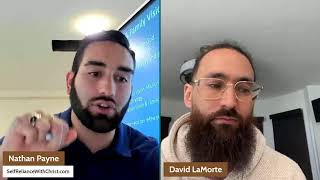
In this live conversation, Nathan Payne and David Lamorte discuss the difficulty of intentional goal‑setting and building a life plan grounded in personal agency, faith, and structured planning. They critique a culture of instant gratification and reactive living, emphasizing that true progress requires deliberate choices, written goals, and a moral north‑star—often rooted in religious belief—to clarify what truly matters. The dialogue highlights that success should be measured by intrinsic value rather than monetary wealth, and that each individual must adapt strategies to their unique circumstances, blind spots, and background. They outline a practical framework: start with a comprehensive life plan (the "Book of Decisions"), break it down into yearly and quarterly targets, and then translate those into daily actions. Throughout, they stress the importance of mentorship, honest feedback, and embracing discomfort and patience as essential components of long‑term growth.
Chapters
Yo, David, the truth. What's up, bro?
I should have put that at the bottom there.
I know, man. What's good? How are you doing?
I'm doing good, man. Great to see you. How you doing, brother?
Oh dude, I'm excited today, man, because me and you are going to be talking about goal setting and reverse engineering what you're trying to accomplish in life. And that's— for me, man, that's so important, right? Because time is of the essence. Like, it's our one finite resource we have that we can't get back. In this world. So we really got to get dialed in on what we're doing in life, you know?
100%. I think reverse engineering is, is the way. And obviously, you know, in business, but also in just basic goals and things like this. So I think it's really the best way to go about it.
And when I originally talked to you, you were, um, you were telling me that you like planning, right? Like you have some experience. Um, tell me about that real quick before we dive into this. Like what experience you have, like setting goals and planning and doing that.
So I'll start with saying basically writing things down is how it kind of got started. And that comes from, I think, you know, I have a writing background and I like to write and I like to express myself. But then when it comes to tangible things, when it came to work, I really needed to write things down what I'm doing that day, make sure I have everything written down to get to, like, a to-do list, basically. Yeah, I would say it kind of started as a to-do list, and then based on me seeing how that was successful, um, and thankfully I have to remember everything because you just write it down and keep that with you, that ended up translating into looking into other journals, um, and, and formats and books and spreadsheets, basically just even, you know, a spreadsheet from 7 o'clock to 7 AM and, yeah, coordinating and putting things in there. So, um, I was doing that before I kind of even knew about journals or anything like that. And then when you came out with this, because you've been working on this for, for years, so this is not the first time I'm, I'm kind of stepping into your world here, but this is now a whole level where it's really stepping it up. And you, you've almost been your own, your own test, and you've proven it.
Uh, that's the best way to say it. I have been my own test because I, before I even brought this out to anybody, my planner, I, I wanted to see if I could even stay consistent with it, right? Like, if I could do it.
Well, I believe it's been 7 years for you.
Yeah, man, it's been a long time, and it's really helped me because the thing is, like, They talk about sports, right? Like, every— no, everybody loses interest when, like, no one's keeping track of the score. They're like, if you're not keeping track of the score, like, if you're playing 21 with your buddies and you stop keeping track of the score, nobody cares anymore. Like, no one starts trying at that point. It's— and when I realized that, like, in life, I wasn't keeping track of my score. Like, I wasn't keeping track of, like, how much I read or how, like, my plans or what I was trying to accomplish. I was just going flying, flying by the seat of my pants, like a kite with no string in the air. I was like, "Man, I got to change." I don't know if you've ever felt like that, man, but for me, I just realized I had to take charge of it. Oh, yeah.
That's a perfect example. For me, when I'm not doing real estate, I teach martial arts, which after this, I'm going to teach a class. My mind is oriented around that. There's a reason—
I lost your audio, but you're good. You can put it back, my man. He's getting some phone calls, so it's, uh, he's getting it. But while he's coming back, yeah, so again, like, life— the most important thing in life is to keep, like, keep score of this, this life that we have, right? Like, if you, if you're not keeping track of your goals and what you're trying to accomplish. Like, you, you might just end up in the most random spot without really knowing how you got there. Okay, go ahead, David. Uh, do you remember what you were saying?
Yeah, so yeah, that's for me when getting calls because we're busy, so that's a good thing. Busy guy. Um, yeah, so I— with martial arts, you know, you get belts along the way, right? White belt, yellow belt, green belt, red belt, black belt. Um, and that wasn't always a thing. It was just like white belt, they didn't even have belts, but they created belts later on, um, to encourage people. And especially when it comes to the kids, they definitely need it. So if kids need it, then you could believe— in a way, we think sometimes we're smarter than kids, but actually in some ways they're smarter than us. So, um, I think we need some sort of system where we can see that we're progressing, um, because I think that's just— I think that's just natural, and you're doing it anyway, even if you're not you know, writing it down, and then you might default to something you don't want to default to.
For sure, man. And the thing with writing it down, that's, that's been the game changer for me. I used— I put everything like my tracking on like an app called Asana for the longest time. I was just tracking there. But dude, once I started writing it down on a physical piece of paper, that's when it really started sticking, and I started remembering more and learning more. Um, so for me, like, the, the most like biggest game changer was just writing it down on paper. Now, in a digital world, kind of, you've seen on that other website you told me that does a planner, like, that's, that's kind of weird, right, to like write things down? Like, a lot of people are going to the phone and they're not, they're not writing. But how has writing helped you, um, internalize this stuff and, and plans?
Yeah, well, I've always been— and maybe, I don't know if it's a generational thing, you know, I'm 36 I like, like, copies, you know? I like writing things down. I can feel it. I used to even, like, when I was younger, I remember there's like a bicycle that I wanted. I would literally print it out and like fold it and keep, like, keep it with me at school and like look at it like, oh yeah, that's the bicycle that I want, bro.
You're manifesting that.
So that was always natural for me. Um, I mean, I type a lot of things digitally. Yeah, when I'm on calls real estate-wise, I'm taking so many notes on my phone. But when it comes to— there's something about having the time to write things down and giving that much importance to it, um, and physically the physical connection of handwriting. And also, I come from a film, uh, background, and I'm a fan of people like Tarantino, who is famous for writing things out, literally his stories. And then he'll type them later on. And then as he's typing, he'll, uh, he'll punch it up. But there's something about your brain-hand connection, and it's a little bit more free flow, and edit later, you know. Like, and I think even with goals, like, write things down and judge it later instead of judging while writing it. Um, and what— like, I used to like a typewriter too because you can't back, backspace, backspace. And I think writing has that a little bit. You could, you could erase, but it's not as easy to like delete pages or delete, delete a whole, you know, document.
I agree.
Write something and then even if you erase it, you might see smudges or you see it crossed out. So I think there's something solid, tangible, physical, real about writing things down in the physical world. And that's what we're trying to do. We're trying to manifest ultimately in a physical world.
Agree, dude. 100% agree with you on all that. And taking it back to like the scriptures, like the Old Testament, New Testament, whatever you believe in, like that's how God communicated to man, right? That he would say something and then they would write it down so they didn't forget it. And there's something powerful, right? There's something powerful about receiving something, writing it down and remembering it, right? And going back and reading it and remembering those memories and And that's why we have the scriptures, in my opinion, is like that is God's communication with us. And that's how his form of speaking to us, right? That's a form of how we can hear and receive answers to what we need in this life. Because it's kind of crazy as you read the scriptures, Old Testament, for example, you can see that like a lot of the things they went through, obviously it was a different time period, but they had the same weaknesses. They had the same challenges in the sense like they had to overcome like lust. They had to overcome like fighting and anger and, you know, stealing and all those things that we have in this life. Like, it's awesome to travel back in time with like seeing what the written word was back then and saying, dang, I can relate to that, you know?
Yeah, 100%. And I was actually just thinking at the right before this call that we do tend to think we're in like— and we are in a new time, new technology. But I think everybody thinks like that almost. There's like a new struggle every generation, and I think it's really just like a new version in a way. Yeah. So, yeah, so that definitely hits.
Yeah, the same. Yeah, different time, a little bit different, like maybe technology was going on, but we all have the same issues, right? We all struggle with being selfish, right? Wanting what we want. And the goal is to become selfless, right? That's what the planner is a lot about, is to kind of remind us like why we're here and center our goals on what's really important, right? Because I could say like, what do you want to accomplish? And a lot of people would be like, oh, I want a ton of money, I want a ton of this. But it's important to remember like the purpose of life, right? In my opinion, from like what I've learned from the scriptures is to like self-mastery, right? It's like trying to become the best version of yourself so you can multiply the blessings and make this a better world, right? That's what I believe. Yeah. And that's kind of like what business is. Like if you're looking at this as an entrepreneurial thing or if you're an entrepreneur, like what is business? All it is is like providing value or blessing, like giving things to other people to, for like in exchange for money, right? So you're like blessing their lives, you're trying to make their lives better, solve a problem in exchange for money. You know, money, right? So that's what business is, like, it's taking care of people's needs. Um, all right, man, so let's dive into this thing real quick. So in the planner, it comes with a course. If nobody knows what we're talking about, this is called the Self-Reliance Planner. It's the planner I've been using for like, uh, 7 years, and I've just recently published it. If you guys are interested, you can check it out on Amazon or this website at the bottom right here. But, um, we're kind of going to show you guys how how I believe God teaches us and how we learn and how we should align like what we want in life in order to like achieve like the ultimate goal of what God wants for us in this life.
All right.
All right. So, and this is also in course form, but we're just doing it live. So, David, you can give me any feedback, any questions. But basically the way that Isaiah, Isaiah teaches us in the scriptures, like how God teaches his children, right? And God teaches us line upon line, and he translates— you translate the higher law into your personal law and the application, personal application, so you, so you don't have to always decide what you're going to do every day. And we're going to break down what that means. Um, so let me read the scripture. This is from the Bible, from the Old Testament. It says what— basically Isaiah is trying to teach us how we learn, uh, how God teaches his children. And he says, whom shall he teach knowledge and whom shall he make to understand doctrine? Right? Right? So who's he— who's he going to teach stuff to, right? Says, them that are weaned from the milk and drawn from the breasts. For precept must be upon precept, precept upon precept, line upon line, line upon line, here a little and there a little. So what that basically means is like the baby has to take baby steps before it can run. Or like we can't set goals to accomplish like everything we want if we're not even good— like we can't set 10 goals if we can't even accomplish like one, right? It takes little by little. And, and the, the comparison's going on and on. Like, you can't give a baby steak, you, you got to give them milk. Do you have any— David, do you have any examples that you, you can—
I mean, I mean, the most basic, I would think you gotta, you know, you gotta crawl before you walk. But specifically, I just had this experience, uh, because last quarter my goal was to get a new place to live, a new apartment. And I had more than one goal. That was my main goal. There were 4 or 5 others that I had. I didn't want to— I didn't want to go more than 2 days without skipping a workout. I had a certain regimen that I wanted to eat by. There was a few things, but where I was at in my life, the amount of focus that it took to just get that apartment, because that's backed by a few things, that's a certain amount of money in deposit, which means closing a certain amount of deals, which means a certain amount of phone calls, which means a certain amount of appointments. So there was so much tied up in that one goal that I wasn't spot on with my exercise regimen. I missed days, but I did get my goal. So I'm happy. But I think there is something to say about that where, I mean, I would have loved to— I mean, my goal is to put on 20 pounds of muscle get a new place, like only do one cheat meal, uh, a month because I'm making all my meals, I'm prepared.
Um, I'm—
I still have stuff from my old apartment that I'm moving and like I have to get the stuff out of there. So there's so much to be done. But I guess all to say, oh man, you got to be— you got to be loving and forgiving with yourself and honest. And you might not, you might not learn that till along the way of what you're actually able to do. I don't, I don't love this saying sometimes where it's like, shoot for the, shoot for the stars and you'll hit the moon. Yeah, but there's something, there's something to that. Um, so, so yeah, that's kind of my own big ambitious goals, right?
They talk about like, make big, big goals, and if you don't achieve it, you're at least a little further than you were, right? We've all heard that. And dude, I agree with you when it comes to just health in general. Like you just said, getting an apartment took like a lot to get that, a lot of milestones to achieve that goal. Same thing with like gaining 20 pounds of muscle, bro. You got to be working out every day. You got to eat enough protein. There's so many things that go into that. So the reason why we bring this up is you got to know what you want because so much of what we want takes so much of our time and effort, right? So you got to get clear on what's actually important. And that's what this is, this is meant for. All right. All right. So here we talk about how God teaches us, right? So God teaches us gradually, line upon line, just like you said, like little by little. It's— you can't run before you can crawl. The book of decisions is where you make once and for all commitments to live his commandments. So God, like, he knows when he sends us down here to Earth, like, there was going to be a lot of things for us to do, right? A lot of distractions. And what the commandments are, are ways, like natural laws, that if we live by, in return we'll get like a benefit of doing it. For example, like tithing. Not a lot of people like— like, if you don't know what tithing is, it's basically you give 1/10 of your income to God, right? What, what is the benefit of giving away some of your income to God? You stop thinking about money as like, it's mine, right? You start thinking of it as like, I'm a steward of money. Like, it's not mine. It's mine. Like, I'm just a steward of it while I'm here on this Earth. That's just an example. But it's inevitable if you can just give away money, right? Like, to God or to charity, like, you're going to become less money hungry, right? That's just what I mean. That's a natural law. If you love your neighbor, that's another commandment, right? If you can love your neighbor, the natural consequence of that is like, you're just going to treat other people better, and you're not going to be so selfish. So with every commandment that God gives us, like, there's a benefit to it. And that's kind of how God gives us, like, teaches us. It's like when you have his higher law, like, why is God the— why does God, uh, let me actually read here. It says, um, why does God act the way he does? Like, why are we here on this earth? Like, what do we need to accomplish? Well, we're here as what I believe is like perfection is a process. Self-mastery takes time. Like, we're here to improve ourselves and conquer the natural man, to conquer like our desire to just think about us, right?
We're—
our goal is to become the best version of ourselves. Even the Greeks, like, this isn't just a Christian belief, right? This is like, you think of any philosopher back in the day, like they teach, like Confucius, like any of these guys, like the Stoicism, it's all about like understanding yourself. The key to knowledge is, uh, and wisdom is to understand yourself. Like, that's top. It's like understanding yourself and then controlling yourself, like having a sense of control over yourself, and then giving yourself. Like, it's a progression. And there's a lot of different things out there. Like, there's pyramids to like, first you got to take care of your needs and then you can take care of others. Like, there's a lot of different examples, but basically the reason why I believe we're here is to become better. David, would you agree with that? Like, what I just rambled a lot, bro, but that's basically the gist of like why I think we're here in this world.
Yeah, yeah, we've always been on the same page about that. And man, it is a process. And I maybe in a way, you know, you hear success stories about a naivety being sometimes, uh, it's almost good to be naive sometimes because you don't— you bite off more than you can chew.
Yeah. Yeah.
If you knew what it would take, you might have not done it in the first place. So, um, like, even to get where I am now, not that I wouldn't have done it, but it's almost so overwhelming to to really— you can't eat it all at once, right? So you have to like take bites, and even the bites might be, might be a little too much to bite off of that once. And everybody's on their process, and we're all comparing ourselves to others, especially in this era. Um, and you know, we're just talking about how maybe it's— it was always this way, but now it's just a different type of challenge. So I really do think it's a process and it's almost been so much to where, you know, a lot of you hear that a lot and then it almost becomes something that it doesn't seem true because it's almost too obvious or like too cliché. But I've, I've noticed more recently that these things that I might think of clichés are, are that way for a reason. And I think it might be like you think of it cool or counterculture to kind of just— or like rebellious to go against the most basic simple things of reality. Yeah. But then you, I guess you learn to accept over time and, and your, your ego gets, you know, tested along the way. You have to grow.
Yeah. And we get humbled, right? We get humbled by life.
Exactly. Exactly.
So, man, I appreciate you sharing all that. And, and Like you said, we're all kind of on the same page, me and you. Maybe some people don't see it like this. Maybe they just see that life is just like you're here, get what you can, take advantage of others to get as far as you can, then it's over. But that's just not how I see life. I see life again as the time to prepare to meet God. It's a sacred blessing that we're here. We should leave a legacy behind of like, if we're not here, what are we remembered for? Most people, I've gone to a lot of funerals and taken notes recently. Like, what are people remembered for? They're remembered for their character. They're remembered for like how they made people feel, right? So like, I believe that we should leave this world better than we came into it and also like become the best version, right? Improve that character. So, you know, when we move on, people can learn from us, right? Instead of just like be like, oh, that guy was lame, right? Like he just was a waste of space. So anyway, So why does God act the way he does is because he's given us this opportunity to grow, just progress, progression, grow to become like him. Like, that's what he wants. He wants— we're his children. He wants us to become like him, right? So the next thing is, again, we're learning line upon line, precept upon precept. The next step to learning that God has given us is, you know, the commandments, like I talked about earlier, or what he wants us to do. And right here, I've kind of laid out some of the commandments that God has given us. The Ten Commandments. Jesus taught to seek his kingdom, right? To seek his kingdom before you seek anything else, which is difficult, right? But that's what he commanded. Like, I used to— in the morning, I used to wake up, start scrolling on my phone immediately, and start reacting to the world. Then I was like, you know, I need to seek the kingdom of God first. I need to pray. I need to, like, you know, focus on what's really truly important. And that's difficult. But I know, like, as you do a lot of these things that have been commanded, like, again, there's a there's an immediate blessing that's there. Tithing. I know not everybody tithes, but I promise you, as you do that, I know it's tough to give away money when you're like, I don't want to give away money. That's not what it's about. It's about losing attachment to money, like not thinking it's yours and becoming like, oh, it's just becoming selfless. Praying. You were commanded to pray. Serve others, to be perfect, turn the other cheek. I mean, you name it. There's like so many things that we can do to improve. So that's the way I kind of see life is like, if I'm here to progress, how do I progress? Well, God gave me some commandments to follow. Now, it's not a checklist. And I'm saying, okay, if I keep all these, like, I'm going to get right into heaven. It's more of like, okay, these are the rules that he's given me so I can be the best version of myself. And then the way I look at life is like, Okay, so line upon line, precept upon precept, uh, here a little and there a little. So what do I need to do to specifically apply these commandments in my life of what God wants me to live? And that's where I, I would say goals. You can set specific goals to help you, uh, achieve what God wants for you. So for example, if, um, I believe that the body is broken down or the person itself is broken down into like spiritual aspect, like a self aspect. We'll just call it self. Health. And I say business, but that's mainly like taking care, like finances and stuff. Your body, same thing, right? Body, self. And then you have, uh, this is mind. So you have your mind, your body, your mind, your spirit. And this is, uh, your heart. You feeling that, David? Like, does that make sense? Like, you have your spirit inside, you have your body you got to take care of, you have your mind, and then you have your heart, right? Like, what's— how you love people. You vibing?
You feeling that? Yeah, I think it has to be that way to be, to be fully rounded and be honest. And, you know, like I shared before, it might seem overwhelming, all of this at once, And maybe one will surpass or one will become more the focus. But I would say just trust that, trust that instinct. Something I referenced the word counterculture earlier, but I would also kind of like to add a caveat that it might not seem like it, but Christianity is actually counterculture and religion and belief in God or a spirit is actually counterculture because it's counterworldly. And these things that we're trying to do are, are difficult because they may not be so much encouraged in our culture, in the worldly, um, tithing. I mean, you're thought of as being taken advantage of sometimes if you like tip somebody too much, or like, why, why are you giving that person extra? Why are you giving that away? You didn't charge for this. And I, I come across that all the time. So I think a lot of times this— we need all of these they, they all go together, but we need all of them to, to be a fully rounded person for our individual goals. But those individual goals go into the bigger communal goals.
And dude, 100%, I agree with what you're saying. It's like, depending on the time and season of your life, like where you're at, maybe you're going to focus a little bit more on the body, or maybe you're going to focus a little bit more on the spirit. Just like, we all go through ebbs and flows in life, right? And to be dialed in on every single aspect of your life, like, that takes a lot of effort. And actually, I was meeting— there's this gangster, like, this gang— I call him a gangster, he's OG. There's this guy named Warren Rustin, he's 82 years old. He wrote a book I read and I thought it was so dope that I reached out to him and I was like, dude, can you mentor me? And he's like, bro, if I meant— we've been going like through a couple different interviews and he's like, yeah, I'll mentor you. And we're finally to the point where like he looks he'll mentor me. But he says, like, if I mentor you, I gotta dive into your life, man. I can't just, like, give you some, like, crappy, like, some, uh, generic advice. I have to know what's going on in your marriage. I have to know what's going on in your mind, your body, like, how you're basically breaking down all these things. And that's like, if you— if I have to feel like I need to get a mentor to do these things, like, that means, like, it takes— it can take— it's a lifelong pursuit. He's 82 and he's still you know, he's helping people do this and he's still working on those things. And that's, that's what I want everyone to understand is like, this is not something that you achieve greatness and you're just done. It's a lot. It's a progression forever and ever, in my opinion. Like, we're always going to be progressing. Um, so David, when we break it down into the little personal laws or the here a little, there a little, and how we can live God's laws, this is basically what I mean. And this just kind of gives us a direction on like how we set goals And this is why we do this first. So, for example, for the body, if my— if the goal for my body, there's commandments to be chaste, right? Like to, you know, whether people like these commandments or not, like to not have sex before marriage or to like keep your body not like go sleep with everyone in the world. Like there's blessings that come from keeping yourself chaste, right? You have a clear mind. You're able to respect yourself and others more. So it— and the same with the body, right? Like, you need— you don't want to take drugs. You don't want to do those things that can make it difficult for you to have control over your body and your mind. So, um, if— how can you apply these commandments in your life? Well, if I struggle with drinking, for example, like if I drink a lot, one of my goals could be to quit drinking, right? Or like abstain from any harmful substance. Like, another thing would be, um, if I overeat, right? It doesn't have to be drugs. It can be like, you— you— there's people that are obese and it's because they eat too much. And no hate on obese people, but it's like, that is something you should overcome too. Like, you're not— it's not good to just consume, consume, consume and not have control over your body. So if, if I eat too much sweets, I need to stop that, right? So does that kind of make sense how the commandments of like taking care of our body and being chased. Like, you can set specific goals for those things, and you know that they're— they align with what God wants for you. Does that make sense, David? Yeah.
And to share that, my, my health goal is actually food-oriented, so yeah, that fits right in line.
Dude, food is honestly the new drug, bro. Like, there's so much stuff in food that makes it so, um— sugar makes it so addictive.
Like, Yeah, you want so much, you know, I actually think it's the first drug because it's a socially acceptable drug and you're allowed to give it to children and you're allowed to do it at the most basic age. And if you don't do it, you're shamed. Like if you— if you're not the one giving— if you— someone gives your kid a Capri Sun and you don't want that, you might— you might get some slack from people who are going to be offended and say, who do you think you are not letting your kid have that bomb of sugar?
Yeah, that's it, dude. I feel you. So when it comes to mind, this is another one, like self-development is mind. So some of the commandments that are related to mind is like seeking knowledge. Like that's what God, Jesus Christ commanded. Like, hey, seek knowledge. Like it's all throughout the scriptures. Sacrificing, like sacrificing yourself and like your desires for others.
Right.
So if I wanted to set a goal on what's important to God, right, from his commandments to seek knowledge. Do you think it'd be important to continuously learn from others or to read the scriptures or just read and try to improve yourself daily? I would say, yeah, that's something he thinks is important. And if we're supposed to grow, we can learn from others. So for me, one of my goals would be to be constantly learning. And you can take that form of whatever you want. Like, you can read daily, you can go to seminars, you can get mentors. That's why I reached out to the 82-year-old gangster, right? I'm like, dude, he's got to have some amazing life experiences I can learn from. So, and if I didn't understand that like seeking knowledge was important, I probably wouldn't care. I'd be like, I'm good. But like, I'm always trying to learn. So David, does that make sense? Like how the God's commandments, we can set goals and like our desire to accomplish these things around what he wants for us, and they're applicable to us in every different way. Like the way I might keep a commandment might be a apply to my personal life might be a little different than you, right?
Yeah, it does make sense. And I'll be honest, it took me a few times to understand this. So obviously, you know, who's watching this can obviously play it back and listen. And then Nathan has other resources because sometimes you want to hear it from more than one angle. You might need to hear the same thing multiple times, which for me it's the case. So If you're hearing this and it's not completely like sinking in all the way, I mean, it's just sinking in for me somewhat now, and I've been working on this for a long time.
And really the main purpose of doing this, David, is just to align— like, there's only so much you can do every day and I can do. We don't have a lot of time. So for example, I really like Brazilian jiu-jitsu. I think it's great. No hate on that.. But for me, loving my— this is a commandment on the spirit, right? Love the Lord thy God and thy neighbor. This is an example. I like Brazilian jiu-jitsu, but I realize that I've been neglecting my wife a little bit. I spend more time in Brazilian jiu-jitsu than I do with my own family and my wife. In this example, I probably should spend more time with what's actually most important, family and my wife, and then Brazilian jiu-jitsu, right? Because that's a little bit more important to me. Um, my family than maybe like getting— learning how to tap people out, right? And I'm not hating on anybody that does those things. It's just like learning, like prioritizing what's most important and then aligning like what you're spending your time with to, I don't know, accomplish God's commandments, like what he wants for you.
Does that make sense? Yeah, 100%. And our goals, you know, they change and they adapt because you might be learning stuff about yourself that you know, doesn't exactly align. You might have this as a certain goal, but then that goal might not fall in line with actually what your values are. And it might force you to take a look at that, like why you want those things, why you want that certain amount of money, why you want to get to that next thing. You're really avoiding something else, or it might be something that your ego wants or that somebody else wants.
Yeah, exactly. Can we— okay, I can hear you still.
Yeah, just cut out. I, I've gotta— when I get calls, for some reason it's been cutting out.
No, and I agree with you. Like, I remember when I got into Brazilian jiu-jitsu about 3 years ago, my first— I was like, man, I want to be a black belt, that's my goal. And then I was like, dang, dude, in order to be a black belt, you got to be in this gym every day for like 10— not— depends on the gym you go to, right? Yeah. But like, you got to really dedicate. And not saying anyone that's a black belt isn't a G, and that's like That's fine. But it's just priorities. Like, is that something like becoming a black belt? And I remember when I was trying to get really hard at like big into jiu-jitsu, bro, I wasn't spending a lot of time at home. Like my wife would be need something from me and I was like, nah, I got the goal to go and do this. And I would neglect what I thought was most important. So that was the time and season in my life where I was like, okay, it's really important to have this in my face, like these goals and really what's important. So I can make those decisions that will help me, I guess, like get closer to God instead of what I think is important, right?
Yeah, it even took me— and I did it somewhat faster than other— like you said, depends on the school, the style. Brazilian jiu-jitsu can be a little notorious for being even longer, but for me to get my black belt in Kenpo Taekwondo was 4 to 6 days a week for 5 years. And I started teaching too, so— and you can imagine what that takes, uh, you know, some things might drop off.
Yeah, you—
it's, it could be— you realize of what, what commitment causes what, and you might have to adjust some things.
Yeah. And again, time and season, right, of your life. Like, that's totally cool, you're a kid, you know, you're younger. But like, I guess like when you get it in that older age or you have different responsibilities, you just have to make sure you're you're doing the right thing with your time. So, and again, this isn't to make anyone feel bad about how they're using their time. I just want everyone to understand that like whatever you're doing, it's okay. Like if you're not doing the best or you're struggling, it's this purpose of life, like why we're here is a process. Okay? So that's why there's repentance. That's why you can change. We're here to prepare to meet God and it's a process. So just make sure whatever your goals are, that is helping you progress and they're aligned with what God wants you to do. That's, that's all this is about. So, Dave, do you have any other further questions on like what the Book of Decisions is? Like why, why I have it and why I think it like it's the first thing I teach people just so they can base their goals and what they want upon like true principles and like what's actually important. Yeah.
So I would think because it's been, it's been my challenge basically to, to line up these things, right? To, to take from what we have and put it in each, you know, of the 5 categories and personalize it. So I don't know if I have like a specific question, but maybe if there's any advice around that, because it can be challenging to sometimes maybe orient those things.
Well, let's, let's dive into it. Let's do it together, man. Because this, this is, this is the beautiful thing about what, what I'm getting. Like, I, I have, and it changes. It changes too. Like, you're gonna get more dialed in. I've changed my life plan and I've improved it. It used to be really long, and over years I've just made it like really specific. And, um, yeah, man, it's just, it takes time, right? It takes time to really understand what you want. Um, but I think it all depends on like who you want to become, right? Because then if you know who you want to become you can kind of emulate them, right? You can say, okay, how did they live their lives? How can I live like that? So for me, man, and it depends what— doesn't matter like what religion you are or whatever, like you insert. For me, it's I want to be like Jesus Christ. Like, who do I want to become? Like Jesus. Now, if people don't believe in Jesus Christ, like, just— I think it equals when I say Jesus Christ, I think it equals like the best version of yourself, like to be the best., right? Because that's how I see Jesus Christ as perfect. I see him as the ultimate example of love, care, respect, all the virtues that he had. But again, if people don't vibe with that, it's really— I'm trying to teach you just be the best version of yourself. Become the best version. So when you leave this life, you're proud and people remember you for having a great character.
Does that make sense, David? Yeah, I think so. And like you said, it may be, it may be different from other people or what they're thinking, but it might be more connected than you realize. I don't know if it's controversial or offensive to say, but you might be more connected in these ways, especially if you grew up, you know, on this side of the globe, even if your parents aren't particularly religious. You might already be acting out the moralities of this in a way. And sometimes people get upset that they realize how much their— the, the morals that they came up with are actually aligned directly with, you know, a scripture or Christianity or whatever religion. But a lot of times that's really the case. It's hard to get away from it sometimes, to be honest.
It is, man. And it's another thing is like, I believe that we're all born with like a we call it the light of Christ, like that desire to be good, right? Like everybody has like that desire and they can like feel it. So whether you're like religious or not, like you are born with a desire like to love and treat others good and not steal. Like everybody, I feel like everyone knows that it's like between right and wrong somewhat. They can feel like, okay, this is not correct and this is, and the world tries to skew that. But in general, most people know between good and evil.
Would you agree? I would. And, you know, I did a little bit of studying of what they would call peaceful societies, which have extreme— basically no violence or very little violence. And I, I do tend to see that we might be like— criminality might be a reflection of our, our society versus the other way around. Not that people are born evil or born criminals. But that they're more developed over time. Because when you go into certain, you know, smaller tribes or societies, they don't see these things. And if you show them certain shows or movies that we watch, they'll become physically ill, and people will pass out, people will freak out of what they see on screen.
So, oh bro, like, becoming desensitized to violence Like, that's a problem. Like, all the violence and like killing, like watching that stuff, that's not like— just, that's an example. Like, that's not normal, right? Like, to watch that. And some people enjoy that, right? They like horror movies. I'm not, not hating on anyone does that, but it's more of like, yes, that can desensitize you to like what other people have never seen, and it could make them ill, right? Be like, oh, I don't feel comfortable watching this. So I appreciate you saying that. So at the very top And we'll kind of bust through this real quick and I'll answer your questions. Be the best version of yourself. I want to become like Jesus Christ. So what is the vision and the true dream? What do you really want? Like, what do you envision you accomplishing in this life, right? The dream, your true north star, meant to inspire. For me, man, again, it's like so easy when I base this upon like religious beliefs, just because like it sets you up with like the guide. It gives you the map, right? So like, If I want to become like Jesus Christ or to be the best version of myself, what is the ultimate goal? I want to return to live with God. Right. That's like the ultimate vision. If I can die and live with my family, with my friends and God, that's the vision for me. And if people don't try to have that vision, if they want something else, I don't really know what that vision could be for people. But that's like the ultimate North Star for me is to leave this life and go to a better place. I don't—
you, you feel me, David? Yeah, it's— and, and my— what I wrote for mine is, is I would say basically it's almost— it's the same thing, like, to say fulfill my truest potential, but that's, that's so that it's almost in the same purpose, right? Like, that's the same idea.
It's different words, right? Different words. Like, you, you hit that, you hit that true potential You're going to end up going where you feel like you need— you're going to go after this life and you're going to leave this world better than when you came into it. So, when you have that vision, then you need to understand, okay, my life is driven by a mission that's going to help me get that vision. What— and then it says overreaching objective of what you wish to do should be measurable, achievable, and ideally inspirational. So, like, what do I need to do in my mission to achieve that vision? It's pretty simple for me. Again, I know if I'm trying to be like Jesus Christ, and I believe if I live like him, or if I keep those commandments and I live a good life, I will achieve that vision. So my mission is to follow Jesus Christ, right? Or do the things, right? And yours could be your— be— do the activities, do the things that will help you become the best version of yourself, right? It's, it's just different words, but it's the same thing. So mine is to live a good life, right? Like live, live and follow Christ, right? You feel me on that one? I always check in with you to see like if you—
where you're at. No, that, that helps because I think I need to reword my mission because it might be a little too literal or tangible. So that's, that's encouraging me to take a step back on it.
Yeah. So, for example, if your goal is to be the— your vision is like, okay, I want to achieve like self-mastery. I want to be the best version of myself. Like, what is your mission to do that, right? Well, if I believe that I have to follow the person that taught me, and if I taught that, and if I can follow him, he'll help me get there. For you, if, for example, if you're not there right there at that, where specifically what I'm saying, or anyone out there, I would say like you have to live, you have to live that life. Okay, if that's who you want to become and you want to achieve that greatness, like you have to live the life that's going to get you there. That's the mission is to daily consistently be that, right? Be the person, live that.
Does that make sense? It does because it's the umbrella which allows the rest to fall under it rather than be one of the things underneath.
Exactly. Yeah, yeah. It's like the action, right? So, it should be measurable, achievable, ideally inspirational. Like, so I guess that is ideally inspirational if like you're like, oh, daily, I'm gonna live this life, okay. So, the next thing are core values. Core values are 3 to 5 core principles that guide your day-to-day decisions, okay? Everybody has like something like core values they wanna be like. They wanna be honest, they wanna have integrity, they wanna be disciplined, They want to have charity and love. You could go on. There's thousands. Like, I've written probably about 40 different things, values that I want in my life. But maybe just pick 3 or 4 or 5 that like dial you in. So me, it's humility. I want to be humble. No matter where I'm at in life, I can learn from everybody. I want to be humble. I want to have wisdom. I want to be like, I don't want to just— be an idiot, right? I want to be wise. Diligence and charity. I believe those are the core things. So if I make decisions that don't show charity or don't show wisdom, like, I need to reevaluate. Like, oh, that doesn't align with who I am, my core values, right? That's why it's important to have like core values that guide you. Is what I'm about to say, is that something that's humble, right? Like, is it humble to put someone else down, right?
Or You know what I'm saying? Yeah, that's, uh, and for me, I have love, integrity, wisdom, respect, faith, and honor, which maybe one of those could be technically a repeat. Those may be some categories could be underneath, but sometimes different words resonate with us differently. So like, I didn't have the word honor in there, and then I realized what that might mean to me, or that might strike a certain chord because of my background or how I grew up, and. If that inspires you, then I would say put that down.
Exactly. And again, it's just the core values enable you when you're making decisions or doing things in life, say, hey, does that align with like the core value of who I am or what I'm trying to be? So the strategy, honestly, the strategy and the mission, it's kind of like the same thing. For me, the strategy, again, because it's so easy with religion, is like keep the commandments. Right? So keeping the commandments is like the strategy, the line, like the precept, the thing that God has given me to know, like, okay, if I'm keeping these, that's the strategy that's going to enable me to follow Christ and achieve, uh, like receive eternal life. Um, now if someone isn't religious, it's like, okay, what strategy is going to help them achieve being the best version of themselves. I would say, um, like consistent daily looking to improve, like, you know, trying to control them, their, their urges, like trying to control themselves, trying to give back to society. Like, it's all within the commandments. So if you don't like, like the commands, too bad, because like they all like, they really just encompass like trying to be better, be the best version. Like, love thy neighbor. Like, what— that's a, that's a great strategy to being the best version of yourself if you love everybody, right? Um, anyway, so you don't have to call them commandments, but they pretty much are in there. All right, so this is the difficult part that most people will have, is like, well dang, I've already kind of got a good sense of what is up here. Like, how do I break this down into each category of my life? So, when you're setting your life plan, it's not like the activities that you're doing. It's not what you need to do every day. It's more of like the outcome of what you want for that category, like that part of your life. So, for example, for spiritual, what do I want at the end of my life? Like if I could like achieve that goal at the end of my life, what would I want spiritually? For me, I wrote, I want to be spiritually minded and to give myself to others. That's what I want. I want to be able to— another word to say is to think celestial, to have an eternal perspective where if something happens today, like I get hit by a car, for example, and I can't walk anymore, I want to have the spiritual, the eternal perspective that, hey, this sucks, but maybe there's some benefits that can come out of this. Maybe I can win the Olympics, uh, for arm wrestling because I still got my arms. Or, you know what I'm saying? Like, it's just having that perspective that it's not just like, um, this worldly. It's like there's benefits that maybe we can't see. Does that make sense? Like, that would be my, my goal spiritually.
Yeah. And mine is basically saying the same thing in different words, which I wrote, uh, be— to be in flow, which is basically that same Same idea, because I just, you know, imagining a peaceful, fulfilling life. Peace isn't always going to be that there's no issues, but then when the issues come, that you could have more peace with it. Because I can get stressed or anxious about things not working out, but there could still be peace in that, even if I forget or have to remind myself.
Dude, I love it, man. Flow is a great word. It's like you're in that zone where it's like no matter what happens, you're able to kind of see outside yourself and see like the whole picture, right? I love that. So you got that. That's a good, that's a good thing. Like if you at the end of your life are like the ultimate goals of being flow. Yeah, that would be sick to be in flow every day of your life, wouldn't it?
Yeah.
So. All right. So when it comes to community, the way what I see my ultimate goal, not what I'm going to do every day, But like the ultimate, like what is the result of doing the activities, right? That in the community, in the heart. Well, I, for me, I want to sacrifice myself. This is why I wrote mine, sacrifice myself for the benefit of others. Like I want everything I do to be to benefit the world, right? To like for the community that I want my heart, right? I want what I do to benefit the world.
Does that make sense? It does. I love that you put it that way, um, because I was working on this one and I wrote down friends, families, uh, family, friends, collaborators, which is— I think, I think I'm writing down benefit the world, uh, because that's really in a way who I'm trying to benefit, what I'm trying to do.
Yeah, like it can start out small, right? Like you can benefit your family, but like in the long run, bro, the I think that's why people desire to be famous a little bit is because they want to leave an impact. They want to be able to impact more. Unfortunately, you can be famous for bad things. That's when this gets skewed. That's why I think this is so important to have this whole thing. It's like you got to make sure maybe you are getting a little bit of what you want to achieve, but it's not aligned with what's really important or the ultimate goal. Anyway, that's why it's so important to have this in your face. Okay, so when it comes to self and mind, what is my goal for myself and my mind at the end of, like, the end result of reading and do all these things? I just want to be wise, man. I want to have, like, a Christlike character. I want to have a character where it's like, I look— someone comes to me when I'm 82 and is like, hey, can I learn from you? And I'd be like, yes, I'd love to tell you everything I've learned. I just want to develop that character of being wise. Right. So what I wrote is develop a Christlike character. Right. Or insert develop a character like a good character.
Yeah, I appreciate that you say that because I was having a little bit of challenge with that one.
And really, it's like what? What do you want for yourself? Like, outside of the community, outside of the spiritual, like, what do you want for yourself? And it has to come, like, with wisdom. A lot of— I think it's like learning. Like, what do you want for yourself to— again, I, I— it's hard to articulate, but it's mainly like, do you, do you want to be smart? You want to have more wisdom at the end of your life, right? All right, when it comes to the, the body, what's the ultimate goal? Like, What's the plan for the body? For me, it's just— I want— this is probably everybody's. This is the easiest one. You want to be healthy. That's it. Like, that's what you want. The reason why we work out, we try to get jacked, we try to eat healthy, do all these things, is you really just want to be able to use your body for the longest you can without being in like chronic pain or not being able to like move at all, right? So for me, it's be healthy and use my energy to love and serve others. So be healthy and use— because if you can use like your body and your energy your whole life to like benefit other people's lives, right? That's a great goal, right? That's a great long-term thing. So be healthy and use my body to love and, uh, my energy— use my energy to love and serve Others. Okay, that one's the easiest because I think that everybody desires to have the energy to be able to benefit other people, right? To make life better. All right, this one is easy too because it's really what business— what is business about? Business is— the purpose of business is to help other people thrive in life or meet other people's needs. Leave a big impact in the world. That's why you should be going into business. You should be going to business because you want to solve people's needs, and that's why you make money, right? So solve problems for people, right? And for me, it was like, leave, leave, uh, leave impact. So David, like, when I look at all these things in my life— I know it's probably super hard to read because I wrote in cursive, but when I write all these things out I get clarity. Okay, this is like what I want to achieve. Now, what am I going to do this year specifically to achieve eternal perspective, right? What am I going to do this year, right? Then you break it down. You say, well, this year, if I want to achieve like an eternal perspective or flow, what do I have to do to get into flow? Well, I need— I'm going to start meditating. Achieve like— get closer to the flow state through meditation. Like, that could be your year goal, and then you can break it down into like, are you gonna meditate daily? Are you gonna meditate every hour? Like, whatever. So, um, or when it comes down to being healthy so you can use your energy to benefit and serve others, well, it's like, well, bro, what am I gonna do this year to be healthy? I'm gonna run it. I'm gonna train for a triathlon. I feel like that is a way I can be healthier, right? Or I can stop eating, consuming so many calories, right? Because I overeat.? Or when it comes to developing a Christ-like character, it's like, well, how can I be a better version or obtain more wisdom to have a better character? I'm going to read books, autobiographies about the world's like greatest people this year. I'm going to read 5 of them. I'm going to read 5 books this year. That's my goal, right? And then you reverse engineer, okay, 10 minutes a day. What else? So, when it comes to heart, benefit the world. What are you going to do this year to benefit the world? Right now I don't pay tithing. Maybe I'm going to strive to pay tithing, right? Because I know that when I give money back to the Lord, it's going to go to help other people, right? Or how can I benefit the world? I'm going to give to charity, right? Does that make sense? Like, it all becomes clear, like, what actions need to be taken once you understand, like, what is important and what you want.
Yeah, it does. And I think it requires reflection and adjustment as you go along. And as you, as you go for this, it'll be revealed more over time and you can adjust. But yeah, it basically everything's here for you to get there. You might not be able to get to it all right away and have 100% capacity, but you can, you can stay on track and, and, and take what you can handle. I went to Israel like 10 years ago and I met with a man who has been there just 30 years and he left his job. He was actually from Detroit. And I asked him a question and I don't even remember the question, but I remember the answer of him saying, basically is a version of God only gives us what we can handle. And if there's a 500-pound sack there in front of you, it's because you have the ability to lift it. And I think there's— I think there's something here with translating into that. And yeah, and do as much as you can handle and then adjust along the way. Agreed with you.
I agree.
It's—
we'll take it back to Isaiah's, um, like, teachings of like, line upon line, here a little, there a little. You can't— like, if I gave this to a child, they wouldn't get it, and that's okay. Like, they're just not there where they can understand this, and it takes time. And but what I believe is at least having the idea, the perspective, like, this is kind of— this is what's important. This is what I can do in order to get there. I think life is too crazy right now, in my opinion. Like, if you don't have like clarity on what you really want to accomplish, you're going to waste a lot of your time. Just social media, bro, like it gets me. I'll start scrolling. Like, if you don't have any direction, you know, it's going to be really hard to live an intentional life. There's too many distractions. There's too many things that are going to pull you. There's too many um, things that are like fun, right? Like, I'm just gonna sit here and watch you play video games all day. Well, that's not going to get you where you want to go, but maybe you don't know that because you haven't thought about it.
Yeah, and, and a benefit to that time is that you have a great potential to stand out because that is the norm. So if you're going against that, uh, or doing something more where you're planning. And like, even with my students, I don't know if it was always this way, but when I have them stand still, some of them will start crying just because they have to stand still. I don't know if it's always been that way. I don't know if kids always shouted out that they're bored. Maybe they were feeling it, but they just didn't shout it out. But I think there's something to stillness, which is why I even teach it to them at that age. And they're always able to do it.
It's not that they're not, um, and it's just hard for them, you know, because they always want to be stimulated.
They always want that dopamine hit.
Yeah, I can relate. Oh, we, we're in a society where you want instant gratification, you want dopamine hits non-stop, and like if you don't get it, like you trip, you sometimes you, you feel super uncomfortable. Um, what we're teaching right here is like It's extremely— I would say extremely difficult to do. Yeah, it's hard, bro. It's so easy to live in a life where you just are in a reactive state. I get a call, let me answer. Oh, someone asked me, you know, you're just reacting to everything. But you, you're an agent. Like, in this life, we have an ability to choose. That's like why we're here. God gave us the ability to choose, make decisions, and follow him. If If you don't take the ability to use your agency and the ability to choose, like someone else is going to take that from you. They're going to like take your time, your effort, your thoughts. So you've got to be really intentional with how you use your time.
Yeah, you do. And you're going to grow. I mean, I had 4 or 5 phone calls just on this and it was a challenge to even stay focused. And one of those calls might be $15,000 and it's like, you got to do this. And, and staying calm. I didn't even— last year or 2 years ago, I, I wouldn't be calm right now. I've been freaking out. I said, oh, you know, so yeah, yeah, you grow as time changes.
Well, hey man, I, I swear, you know, this has been a good amount of time. I, I hope— I, I wouldn't say swear— I hope that you get that $15K. All right, man, well, I know we got a little bit over. Was this helpful, David? I'm just curious, was that helpful for you to kind of break it down live and with you.
Yeah, very helpful for me, and, um, I would think almost an unfair advantage for me because I have the book and I'm getting this direct one-on-one with you. So I feel very lucky and grateful for that, uh, because even with you it's challenging, you know, even with you sharing with me, even doing this it's still, it's still challenging.
So 100% helpful. Good, man. And I want your feedback on this and anybody that's watching this, any feedback, because I'm doing my best to kind of lay it out. But I honestly think this is just a difficult thing to do. Like, I wish I could make it a little bit simpler, but really, like, identifying what you really want in life and what's important, where, how do you use your time and breaking it down? Like, I think it's just a difficult thing to, to, to like dial in and remember. That's, that's why I think being religious, it really helps with clarity of like what you want. If you don't have a religious or morals or standards or a, a North Star, I, I think life would— is just going to be difficult to know like what you really want.
I don't know if you would agree with that, David, but yeah, I would, I would liken it to almost what we, we started with was Writing things down. Some people might not think they need to write things down, but it's that humility, that, of that structure that we need to exist within. And you might not believe you need a structure, but you're definitely going to see the results of not having a structure. So you don't always— you do get to choose, but sometimes it's not the choice that you you think. You, you might feel that you're able to completely create your own system of morality and ethics, which in a way I guess you can, but you, you're always, you're always kind of giving up something regardless. There's always pros and cons. You can't really do both, live in both worlds.
No, bro, I appreciate you saying that. And the last thing I'll leave people with is I think people tie success and like getting like in life to money. They're like, oh, but that guy, he's got a lot of money, he's got a lot of girls, he's got a lot of like worldly possessions, I should just follow what he does. But that's not true. Like, money does not equal success. Like, there's too many people have made money online off of like OnlyFans, and there's too many people are super loaded off of like doing something stupid. Or it's just, you know, that's not— and that's what we got to teach the world is like, this is you have to base your, your goals and what you want off of like true value and like what's really important, not off of just money, because that's going to mess— it's going to mess you up.
You're not going to really know what's valuable. Yeah, we're more complex than that. It's very hard to take somebody's life and kind of put it onto your own. Um, maybe as you're starting your journey, whether it's success or whatever, even like an exercise regimen, You might not be able to take that exact workout. That's for them. That's what worked with that trainer, but it might not apply directly to you, and you may need to adjust it specifically for you. You're a different person with different blind spots, different resistance, uh, different parents that you come from. Some words might trigger you versus others.
Some words might inspire you.
You know, you, you might try to do what some other guy does, but you're— that's not where your strong suit is.
So it can be very challenging if you're just trying to look at it for face value. So true, you nailed it, man. Well, it was honestly a pleasure to chat with you, man. And the next thing, I'd like to meet with you again and let's dive into that year. Let's look— dive into your year and your quarter, because that's how this goes. It's like book decisions, you got your life plan, and then we go year and quarter. Once we understand the year and the quarter, it's really easy to say, okay, what am I going to do every day to achieve this next— for the next 90 days. And, uh, yeah, man, I'm excited, excited to see what we can do.
Me too, man.
I'm excited for it.
Appreciate you.
Later, bro.
More from Nathan





Why Traditional Wholesaling Keeps Failing You (Use This Pre-Flip Method Instead)





