The TRUTH About Real Estate Wholesaling in 2025 🏡
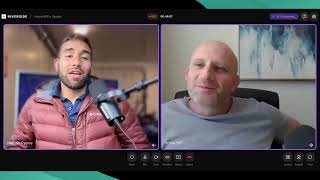
In this interview on Home365’s Real Estate Investing Open Kimono, host Daniel Shaked talks with Nathan Payne, a Canadian‑based wholesaler, about the realities of real‑estate wholesaling in 2025. Nathan shares his personal back‑story—from a two‑year church mission and six years of door‑to‑door sales to discovering wholesaling with a college roommate. He explains the mechanics of traditional wholesaling, then introduces his “reverse wholesaling” approach, where a committed buyer’s criteria drive the search for properties before a contract is signed. The conversation covers lead generation, the difficulty of converting motivated sellers versus finding buyers, the importance of phone responsiveness, and the psychological, ethical, and sales‑process nuances of helping distressed owners without exploiting them. Nathan critiques common misconceptions—such as the belief that wholesaling requires no money or marketing—and stresses the need to invest in tools, data, and education. He outlines his apprenticeship model, which combines one‑on‑one mindset coaching, market selection, lead‑generation setup, qualification training, and hands‑on deal support, contrasting it with passive course‑only mentorships. The duo discusses hyper‑local market variations, the role of international cash buyers, and the need to educate them about secondary markets and cap‑rate data. They also explore future challenges, especially AI‑generated misinformation and the potential disruption of real‑estate agents and processes. Nathan’s biggest worry is the erosion of truth in the industry. Throughout, the interview balances enthusiastic encouragement for new investors with realistic cautions about cash flow volatility, the need for rapid action, and the ever‑changing technological landscape.
Chapters
Welcome to Real Estate Investing Open Kimono by Home365. I'm Daniel Shaked, and here we are discussing real estate's biggest traps with brutal honesty. No fluff, just raw truth to help you win. And today, get ready to supercharge your wholesaling strategy with one and the only Nathan Payne, a true trailblazer who is shaking up the game. This isn't just another session, it's your chance to unlock the blueprint and will elevate your skills to new heights. Stay tuned, stay excited, and don't miss out. Nathan, so great to have you here. It's a long time that I wanted to talk to a wholesaler, and I'm so happy that we came across each other, and I have tons of questions. So thanks for coming over. Not yet, not yet.
Yeah, I'd love to. I'm glad I can be the first, and hopefully I make a good impression, man.
I'm seeing you all over the place. We'll definitely, uh, can learn a lot, uh, from you. So no, before we start, just tell us a little bit about who you are, what excites you, what motivates you. Who are you, basically?
Who's— who is Nathan Payne? That's what you're talking about.
Who are you?
Yeah, well, I'm, uh, I'm 34 years old. I, uh, live in Canada now. I used to live in the United States. I lived in Utah— well, the United States for my whole life, and now I live in Toronto, the Toronto area. And my main focus in life is God, family, and then help serving others. That's like all I care about. Like, and work comes into serving others, right? That's like what I focus on.
Love it.
That's what I want.
Love it. Okay, so that's, um, that's definitely the right priorities, I think.
Thank you.
Maybe family first.
Yeah, yeah. So some people like to switch them. I think it's— they go, they're together, you know, you know how it is.
Yeah, yeah, yeah, of course, of course. So maybe expand a little bit about your experience, how you started, a little bit about yourself.
Yeah, so I got started in wholesaling because I didn't want a traditional job. I didn't want to work for anyone. So I'll take it back a little bit. I talk about this a lot, but I went on— I went after I graduated high school, I went on a mission for my church. So I'm very like involved in, in the gospel and the church and, and And basically, I went on a mission for 2 years where I talked to people about God and Jesus Christ from 19 to 21 years old. Went to Portland, Oregon. When we're on our missions, like, no TV, you're not watching TVs, no girlfriends, you're actually in a different country or a different state than where you grew up or where you were from. And you basically, you're dedicated from like 6:30 to 10:30 every day to like serving and talking to people about Jesus. So I did that for 2 years. After my mission, I went to college, and there, uh, a lot of the people recruit missionaries or people that went to do it, did what I did. They recruit them to go knock doors and sell door-to-door any, any product.
They—
you got alarm systems, you got Dish Network, like satellite TV at the time, cell phones, uh, what else, pest control, you name it. They, they go to these people because they're like Hey, you, you just for 2 years were talking to people. You're probably not scared to talk to people and you know how to knock doors and approach people. So that's, that's why. So I did that my whole college career, made good money, uh, and wow, yeah, door-to-door sales for 6 years after college. I graduated, I met my wife, and I said to myself, I don't see myself knocking doors for the rest of my life. That doesn't seem like something I want to do. So I got— I sat down, I said, what can I do? What can— what am I going to do with my life? And I started applying for jobs, sales jobs. Uh, like, what was one of the jobs? It was an insurance agent, like opening an insurance agency or working for like life insurance. Uh, another one was medical sales, doing all these things. And I had to go through this interview process, and I didn't really like the interview process because I would sit in front of people they'd ask me all these questions and I'd say, hey, like, I'm a— they didn't know that I was like a top producer, a very good salesman. They would just ask me questions like that. Like, I just, I just felt like they didn't see my skill set.
And what's your strongest point and what's your weakest thing?
Yeah. And I had just been working for myself. Even you could call the mission, like, you were there, you were in charge of your own schedule, you're in charge. So I had been working for myself for so long to— so then to go to the interview process, I didn't really like it. So I said, "Hmm, I don't know if this works for me, like trying to get in a bunch of interviews and get a job. I'm just going to go work for myself." So my roommate when I was in college had done real estate and he had always told me to do it, but I was always saying, "Hey, no, I'm doing well at the door-to-door. I'm not going to do it." I call him, I say, "Hey, are you still doing this real estate thing?" He's like, "Nah, I'm not doing it right now, but I want to." I said, "Hey, quit your job. Let's— I'm going to quit the door-to-door thing. Let's just build the real estate company." let's just go all in. So he's like, okay. So me and him just started not knowing anything. I didn't know what wholesaling was. I didn't know anything about real estate, but I knew you could make money. So that's, that was how I started.
That's, that's amazing story. You know, before we dive in into real estate, give me like one, the craziest story you had with the door-to-door experience. It was something you remember.
Oh yeah.
So, you know, not this one, the other one.
I'm just Yeah, well, so let's, let's go for this, uh, this one. We— I was knocking in Dallas, Texas, in the area of Dallas, Texas, uh, maybe 2013, and we were selling satellite TV, Dish Network and DirecTV. Now, where you would sell the most accounts were like in very rural areas. Like, you'd even have to go outside of Dallas, Texas. So we drove about 2 hours north to the border of Oklahoma in this random town. So I get out and I'm knocking and it's like 8 or 9 o'clock at night. We would go to like 9 o'clock.
Wow.
And it's pitch black and I'm in this random town. Probably people don't know who we are or who I am. I'm knocking on this guy's door to sell him Dish Network and he opens the door and he has a gun and he's like, what are you doing? And I'm like, I'm— Get off my porch.
Right.
And I'm like, I'm here to sell you Dish Network, sir. And he's like, oh my, he's like, no, leave right now. So that was probably one of the craziest experiences because I realized after the fact of having the gun on me, I was still trying to sell the Dish, the Dish Network. But I thought you would take it.
I thought you would take it another step forward, saying at the end that he became your biggest client and you eventually sold.
No, I wish. No, he was not willing to talk. And then I put it together. Now I'm like, okay, it was late at night, random town, they probably don't have anyone knocking on their doors. This guy probably was scared.
So, oh, for sure, for sure. Okay, so, um, now we're hitting your, uh, phase of real estate. So you start this company with your, uh, roommate, you said?
Yeah, my old, my old roommate in college. And I had reached out to him because I was like, man, he, he probably knows quite a bit about real estate. We got together, I realized he really didn't know that much.
Unbelievable. Okay, and since you are running the same company— yeah, tell us about this, tell me about it.
So what we did is we— I didn't know anything about real estate, didn't know what wholesaling was. All I knew from my experience was to talk to people, knock doors, and just massively make, take action. That's it. That was like what I had learned in my life, but no real skill sets. I would say the skill set was sales, right? Because you could communicate. But other than that, didn't really know who to target. So we just started knocking doors in neighborhoods, we started calling for sale by owners and failing our way forward. And we didn't really see success until we started trying to network with other people in the area. We made a Facebook post saying, hey, do we know Are there any real estate agents or anyone involved in real estate would be interested in networking? So then one person that responded to one of our posts and said, hey, my broker is interested in wholesaling, you should come down and sit with him. So we went to a broker's office and sat down with him and he told us, hey guys, I just had a dream the other night that I was going to start wholesaling in Missouri. And for us, Corey's from Missouri. His dad was from Missouri— is in Missouri, wasn't in Missouri. So we're like, wow, wow, maybe this is a good sign. And the guy's like, hey, you can work in my office. I'll give you some cubicles. I'll give you a dialer, and you can just dial. And any leads that you get, any, any leads that you get from my leads that wholesale, go ahead, wholesale them. That they want to wholesale, they'll do it. But if any listings come from it, give them to me, and then I'll take those. So he was leveraging us and our ability and drive to work to do deals. So that's, that's how we started getting a little bit more traction.
Yeah, you are saying, um, there's this thing that you keep on saying, like, uh, I just was knocking on doors. I was just— I mean, that's the hardest part, I think, that people are so reluctant to do. They are so afraid of this part of engaging with others, you know, in an open communication, like being smart about a synchronous conversation. This is why the entire generation goes offline chats, you know, I mean online, sorry, chats and text messaging because they can't hold like a face-to-face thing. And that becomes like, I think, the most valuable skill in any type of, uh, of engagement or business, right?
Well, it— I would agree, I would agree, because in the beginning you don't know. Like we even talked about this, this podcast, right? It's like you, you, you're getting started and you have to take action, but you're obviously going to make mistakes that you're not going to take make in the future, but you have to go through it. Even if you have a mentor, even if you have someone that can help you, you have to take the action to learn. And that's what I was willing to do. That's what I'm always willing to do is fail because I know that's how— that's the process of life. Like, you're first, you're gonna suck at something, and you just have to be willing to suck enough for a long enough time to get better. And that's what I've done. And when I, I coach people and they know what to do, they just aren't willing to do the amount of effort required And that's why a lot of people don't see the success they want. They're just not willing to do what is required. So yes, thank you for saying that.
Oh, of course, of course. I seriously respect those people who can do that are, in my view, very rare people. It's the hardest for almost everyone. It's the hardest part.
Taking action is difficult. And I think about technology and artificial intelligence and a lot of people are gonna rely on AI and that stuff to do action, take actions for them. But still, you, you're going— you have to exercise that muscle of taking action and being uncomfortable. You have to, or you're not going to be as far in life.
100%. Okay, so walk me through right now. Um, you are running a wholesale company, but you have a different methodology of reverse wholesaling.
Yeah.
What's the difference? Think of our audience as people that might not have the deepest knowledge about wholesaling. Like, in brief.
Okay, so I'll kind of explain. Let me first start off explaining what wholesaling is. So wholesaling, all wholesaling is, is when you talk, when you're talking directly to a seller or an agent and you agree to buy a house for a certain price, right? So let's say you have a house and I agree to buy your house for $100,000, and the house fixed up, updated, rehabbed is worth $250,000, but you're willing to sell to me for $100,000 because there's some sort of issue that the house is in bad shape, there's a tenant that doesn't want to get out, there's some reason you're willing to sell it at a discount. So I get it for $100,000, I sign an agreement directly with you. Wholesaling, all it is, is it's us taking that agreement and wholesaling and assigning your contract, the rights to purchase that contract, to someone else for a fee. So I could, if you're an investor, I can say, hey, I have a con— I have this house, I'm going to buy it for $100,000, but If you want it for $120,000, I'll sign it to you for $120,000, and then you can buy it for $120,000. You go buy it for $120,000. I get paid the difference at the closing at the title company.
That's perfect. I think this is something of a great interest for at least our audience of our clients at Home365. We're managing a few thousand properties across 9 states, and there are a few thousand high-wealth individuals. A lot of them are international. And I don't know if you know the landscape of SFR investing, but in single-family rentals, I mean, the vast majority of real estate investors are remote. Half of them are usually not even Americans.
Wow.
And those are usually cash buyers. They don't have access, you know, to the mortgage system in the United States. There are a few options, but it's not very accessible. They don't have the credit history, so they're usually cash buyers and they're looking for great deals right now. So for those types of people, like, what do you offer today?
I offer great deals.
That's great. Love it.
That's it. That's, that's what we do. Like, our goal is to find a property that we can make money off of. And how do we do that? By getting a good deal. And we aren't willing to— or not we, like wholesalers will take down deals sometimes if they want to fix it, flip it, keep it. But our business model is built off of finding distressed, like, properties or situations to help people solve problems, and then making money off of not owning the arbitrage. Yeah, not owning the asset, but taking it and giving it to someone else who's willing to take over.
Uh, so that you actually, you actually make the offer. You, you, uh, basically, uh, transaction is with you, right? Not with the owner. But there's a certain period of time where you basically resell that contract in a way.
Yeah. So let's, let's take it back to the example. You have the house, you're the seller, and I'm the wholesaler. I'm act— I'm going to buy it or I'm going to wholesale. I have an option so I can say, hey, I'll buy for $100,000. Me and you sign. And then John or foreign investor says, hey, or I send it out to the foreign investor and say, hey, I have this house for $100,000, but I'm, I'm willing to sell it for $120,000, $130,000. And I'm talking to a couple of people. What would work for you? Like, are you interested? If someone wants it, all I do is I take that property and I assign my contract with an assignment agreement to that buyer, and they have to come up with the cash or the hard money and close at a title company, and then I get paid without me ever owning the asset, having to close on it. Now, there are, there are options to double close, to own it. There's a lot of different ways to, to make money off of this. You don't just have to assign properties. That's just a A lot of people understand it as the assignment, but you can do many different ways to get paid.
Got it, got it. Perfect. I mean, that's definitely an interesting— so you have a platform with all the inventory listed. You know what, let me maybe, uh, ask you a different question. What's harder to get, the inventory or the, uh, call it the supply side of buyers?
It's a good question. For me, yeah, it used to be the buyers. It used to be the buyers, but now with technology and knowing where to look and relationships, it's— that's pretty— it's easy to know where people are buying, and the hard part is getting people to— to getting a hold of people. I think that's the hardest part about business right now is getting people to answer their phones, uh, to engage. Like, there's so much competition, everyone's trying to get your eyeballs. That's the hardest part. Like, if I have a good deal, I know it's a good deal, but can I get the person who will buy or has bought properties in the area that would want it to take action within 14, 7 days while I have it under contract? That's That's the challenge.
So basically sourcing a deal is a bigger problem than sourcing a potential buyer. That's what you're saying, right?
Everything has its challenges, but I would say it's a balance. Generating motivated seller leads is not difficult in the sense like, you know where you can get leads. It's converting those sellers because when you're talking to a seller, everybody has a different situation. Everyone's going through a different struggle. Some people aren't motivated, some people are, some people waste your time. That, I would say, is the one of the most difficult parts with wholesaling is a lot of people are like, oh man, these leads are these— like, it's not good, I'm not producing enough, generating enough leads. It's like, no, every situation is different and you have to be good at the process of converting and selling people. It's a sales process. You gotta—
it's a psychology more than everything. Oh, it's like you said, I like it. You help people, they might have a distressed situation, you are just a savior.
Yeah, and this is the thing with the distressed situation, a lot of people think we take advantage of people, like we're just looking for situations where people don't know know what their house is worth. That's not my sales process. Maybe that's some people that are in the industry that won't be there for a long time. I— the way I— the psychology of my sales process is, hey, you want to sell your house? You want to sell your house? What options have you explored so far to sell your house? Have you thought about listing it? Have you thought about keeping it and flipping it? Can you keep it as a rental? I push everybody up to their other options because they're only going to work with me if it's their best option. So I say, hey, you should list this, you're going to make way more money. And they're like, oh, you know what? I don't want to list it. I hate real estate agents and I have to sell this in 14 days. Say, okay, well, that's not an option for you. If you got to sell in 14 days, you can't flip it. So cash must be your only option. Yes, that's my only option. That's what they would say. Okay, great. Now we can work together. There's no— I did not take advantage. I did not steal. I— hey, I let you know you should do something else. I'm only here to solve a problem if you have a problem. And they let— they reaffirm, yes, this is a problem you can solve. If you can buy my house for this, I'll go with you. But a lot of people don't know how to do that process very effectively. So they generate leads, they get a bad deal, they try to sell it. Nobody wants to buy it because it's a bad deal. The whole process just has to be done the right way or you're wasting your time.
Got it. Knowing that makes perfect sense. Okay. So, um, Like, from that perspective, um, what's the— what is reverse wholesaling then?
So reverse wholesaling, just so everybody knows, I'm gonna— that was— we explained first what, uh, wholesaling was. So traditional wholesaling— I'm gonna give you the answer because I don't really reverse wholesale either. Uh, this is— I'll explain what I do. So traditional wholesaling is when someone just starts generating leads and in a specific market or all over the place, and they just make an offer to a seller. They're not 100% sure if someone will buy it. They just know.
So they don't have a committed, uh, buyer. They don't have a clear buy box, and they are sourcing for the right deal.
Yeah, they don't have a committed buyer, but they're negotiating it with what they believe will be a good deal. So they'll tell— I'll tell you, like, you're the seller. A lot of the traditional wholesaling model is this: hey, Mr. Seller, I can buy your house for $100,000. It's worth $250,000. Does that work for you? You say, yeah, it works for me. And they don't know if someone will buy it for like $120,000 or $110,000 because they have it for $100,000. So they have to sell it for more to make money. They don't know. And the only way to really know is you get it so, so low that it's just anybody would buy it. But the chances of that happening is very, doesn't happen very much. Like, someone that's just willing to sell their house at 50% of what it's worth doesn't really happen. Where we make the money is if it's like at 70%, 80%.
It—
like, there's a margin, but it's— if you get a home run, that happens once in a while, but it's not a business you can build your business on.
It's not a repeatable process which you can reason and repeat.
Exactly. And that's why a lot of people don't succeed in this business, is because they're hoping to just make a bunch of low offers and hit those home runs. Sellers are too savvy now. They can go on Realtor, Zillow, Zillow, they can go on anything and they know, they think their house is worth more. So anyway, that's traditional wholesaling. You do not know unless you get it so low, and most of the time you don't get low. So people are just locking up deals that aren't good and they're wasting the seller's time, they're wasting buyer's time, and they're— it's just not a good process, right? But that's what 99, I would say 99% of people do. Reverse wholesaling is when you have a buyer, like let's say you're my buyer and you say, hey, this is my buy box, go find me something. And then I go, I start marketing in the specific area that you want, and then I find something and I say, hey, okay, this might be something that you want. Let me— before I lock it up, let me go say, hey, what would you pay for this before I, you know, get it under contract so I don't waste anybody's time? That's reverse wholesaling. It's like you already have a couple buyers and you're going to specific areas, which I think is good, but it's amazing. It's good, but the issue with that is the way that marketing goes, you don't always find— properties are so different, right? All over in just one block, it can be different. So you could be working really hard in one area, get a lead, and that buyer's like, yeah, that doesn't meet my criteria exactly. I'm not really interested in that one. But you just spent all this time generating that lead, so you don't want to let it go, right? And that happens a lot. That's why I think reverse wholesaling is, is just for a couple specific buyers, is not always very good because buyers are very picky. Sometimes they don't want to spend $600,000, whatever, $1,000 on a property. So they're going to be picky. So what I do is I do what's called pre-flipping. Is instead of I'm talking to a seller and I give him the range of what I'm willing to pay and he's not there yet, he's not in that range where it makes sense, where I should just say, hey, I can lock this up and I'm going to buy it. Or I know it's a deal.
That doesn't—
like, that happens. If that happens, I'm locking the deal up. There's no problem. There's no problem right there. That doesn't happen very often. And, and I'm not going to specific areas because I have tons of buyers that are just going to tell me, like, I'm working for those buyers, reverse wholesaling style. What I do is I say, okay, I got this lead. He's not yet in the money. He's not exactly where I would tell him, yes, I'm going to buy it. Let me do a little bit of research to see who's buying here with data. I can just use data to say, oh, this, this buyer bought this flip right down the street. I don't know him, but I'm gonna call him. And before I tell the seller I can pay this, I'm just gonna call this buyer and see where he would need to be for it to be a deal for him. I say, hey, I see that you flipped the house on 123 Main Street. It's right by one where I'm talking to a seller and I'm negotiating a deal. And before I, you know, lock it up and work with them, I kind of want to see if you'd be interested in it, if you'd be interested in if I wholesaled it to you, if I could get you a good deal. So then I leverage what buyers are willing to do in that area, and they tell me. So I'm not promising that seller I can do something I'm not sure of. And usually those people I call are willing to think, yeah, if you can bring me a deal right by that one, I'd be around here. So then I'm able to go back to that seller and lock in the property without like doing it where I wouldn't have known if it was a deal or not. And I'm able to do way more deals that way because I'm not just throwing away deals. I'm not just telling sellers, yes, I can do it at a price.
They're not wasting leads. You're not spending your time on sourcing irrelevant leads. No, it's smart. Definitely. Yeah. Um, what's the average time it takes, you know, on average, from the point you have like potential conversation with potential seller to the point there was a contract? Like, what's the average? Like, or if I'm a buyer, how fast do I need to respond to your offers? Is it like, do I have like a week to think about it or what? Yeah, or a couple days or hours?
That's a great question. So it really depends. Every, every seller depend— it's so difficult to say. Like, how it can happen in 3 days, it can happen in 2 days, It can happen in 6 months or a year. I'm following up with this guy who's been in probate— his property's been in probate for 3 years, and I'm still checking in on him. Uh, and I did a deal where this guy, another on the other spectrum, he, he filled out a form from pay-per-click Google ad leads. We went to his house and he said, hey guys, I need to sell this thing by in 2 days because I need to get the money to go do something. So then we closed on it the next day. So You're really running into the scenarios and the situations of like what the people are going through that cause it to go fast or slow. Most people, I would say the average is probably like 30 to 60 days for them to agree because they're usually going through a different part of the process of making the decision. They're, they're doing their research, they're in the research phase, or they have to talk to their family because it's a probate situation. They have to get everyone's permission, right?
Fine. So, but Nathan, but you can't, you can't hold the seller, I mean, for too long without a commitment, I guess, because you don't have any exclusivity with them. So you have to act fast.
Yeah, yeah. So if we are to get it under contract, I would say the end buyer has to act quick because we, when we get these properties under contract, we're not under contract with the seller and saying, hey, I can buy your house for $100,000. 'But give me a 30-day inspection period.' Like, they're not going to do that. It's usually 7 to 14 is the max. I would say 14 is the max that I get. And a lot of the time you win deals if your inspection period or the time that you need to verify is like a day or two because you're like, 'Hey, I just need a little bit of time,' and everyone else you're talking to wants 7 to 14 days. I'm going to let you know faster. So buyers need to act quick because that's who we're relying on. And that's why my strategy of like reaching out to people even when I don't have it under contract is good, because when I go back to the seller, I'm already certain that we can do it because I already talked to someone. So I'm like, oh yeah, we can close 2 days. We can give you $10,000 earnest money and we're ready to go. So that's why that strategy is very powerful.
Do you have a platform where people, I mean investors, can log in and see the inventory in real time?
Personally, I don't have a platform for— I don't have that many deals. Like I'm a smaller operation and I like it that way just to keep it I used to do many deals a month and the overhead and the business model I didn't like. I like doing a couple deals a month and that's about it, and teaching people how to do it. But there are platforms where you can look at deals and people of course can look.
Yes. Yep. Okay, sounds interesting. So what's, um, you're teaching people how to do that?
That's right.
Why?
So when I first started this business, it was extremely difficult for me, and I'm not an idiot, I don't— at least I don't think I'm an idiot. It was difficult for me to figure out the business and do it efficiently and effectively because I was following the traditional wholesale model of make low offers. If it doesn't work, just follow up with that seller forever until they say yes, which doesn't work because they're just going to work with someone else that's better, that didn't lowball them. And but that's how I did it, and that's what they teach. And I was like, that's, that's Not the best way to do it. So my— I'm dedicated to showing people a better way to do the sales process and the, the wholesaling process, how to have better conversations, how to be open and honest. And a lot of the time I tell people I am wholesaling the deal, right? If I'm going to, I say, hey, look, I'm not— this— you want a little bit more than I can pay. I'm going to see if I can work with anybody. I have some other cash buyers that I wholesale to and fix and flip with that might be able to pay more. Is that okay if I run this by them? So Just the process of doing wholesaling that's being taught and a lot of people do is kind of shady. And my goal is to show people the right way to do it. And I enjoy teaching. That's, that's why I teach it.
So if, um, who's your like perfect student, I would say? Is that like someone who is a real estate investor? Is it someone who just wants like you to get into the real estate game first? Who are the For the people that are reaching out to you, perfect client would be someone who has a marketing budget that is willing—
because this, this game requires— it doesn't require that you have a marketing budget, but it makes it a lot easier if you're able to pay for leads. So it'd be someone that has at least like $1,000 a month that is able to generate leads through pay-per-click or some sort of lead generation that is interested in learning how to get into the business but is okay learning step by step instead of thinking they can just come in and immediately like negotiate a great deal and then sell like it, it would be someone's like, yes, I understand it's going to take some time and I'm okay to learn step by step. And what I do in my apprenticeship is we say, okay, we're first, we're going to help you become a master at qualifying the lead that comes in, and then we will tell you what to do to the next step, or we'll do it for you and we can partner on the deal. That's my on-job training.
And you give them the access to your supply side of potential buyers?
Yes, yes, exactly. And we say, hey, you can do it yourself Or if you want, we can— you can watch us do it and we'll teach you. It's like a legit apprenticeship where it's you watch and you learn and you grow versus a lot of the courses that you'll see in mentorships. They just give you information. They say, hey, this is how to do it. Go ahead and do it. It doesn't work. That model does not work. It gets a lot of people frustrated because just because I tell you— if you told me how to start a property management company and you told me everything, I still wouldn't be able to do it that well. Or probably at all. It's the same thing with this industry. I can tell you exactly what to do and where to go to get the leads. You're going to struggle at every step of the way just because that's how it is. We are there every step of the way to help you through that process.
Got it. What do you think is the biggest, I would say, misconception about wholesaling that kind of sets people away from this, which is not true in reality? Can you think about something like that?
It's a good question. It's so— it's difficult because you— a lot of people think you do not need money to get started in wholesaling, which is true. I've gotten a lot of deals without money, but I think the misconception is that you can create like a really sustainable business without spending any money on like marketing or lead gen or software. Like, it's, it's a business. You have to invest in it. You have to invest in yourself and in it. So I think that was a misconception I had. I was like, now there are outliers. There's people that just do deals through networking or with agents, and that's all they do. That's, that's the— again, I would say those are outliers, and if they're successful, great. But I think if you want to run this like a legit business that's going to get you paid, you got to run it like a business. You have to invest in yourself and in the business.
Right, right. You know, uh, people sometimes think that, uh, those types of, uh I don't know, guru culture. I don't know, people are selling dreams, um, for, for newbies.
Yeah.
Okay, so how do you keep, uh, your program be real? I mean, not something like that.
Yeah, not selling the dream.
I mean, not a program for newbies, let me charge you for a mentorship, and, uh, it's a real thing, we're gonna teach you real skills. Like, how do you keep it real? I guess people are coming with a lot of question marks, right?
I would— the way that I do it and what we do is, when I first started coaching, I thought, because that's how I learned, is the, the course model and the model of like just coming on one call a week and just somebody can ask you a question like one time. I thought that's what got people success and that helped people. And I soon saw that like some— like people don't take action, right, if you just do that. And it's very hard to succeed. There's going to be those outliers that do that. So I quickly stopped doing that because I feel like that's not the way to do it. I'm way more involved. So when I'm on the call with people, I'm like, hey, look, this is going to be hard. This is starting a business. This is not going to be easy like this. You're not going to be able to— I give them the real deal. I'm like, are you sure? Why do you want to get into wholesaling? Like, this is, this is going to be a roller coaster ride. And so is anything you start, right? Nothing is easy. But I give people I believe the realistic expectations of what business is. And that's why— that's how I'm able to avoid the dream thing, because I'm not sitting there being like, hey, you want the Ferrari, you want the, the nice life and the lavish life on the beach. I don't— we don't talk about that, because you— if you want this business, it's going to be a lot of hard work. It'll be a lot of hard work. And, and I don't have anyone that's coming in with the expectation that they're not going to have to put in a lot of work. And I'm not saying that other people do that. But I don't know, I don't know how other people are closing people and telling them join their programs. I think it is a lot of like the dream and getting them excited. I, I don't— we don't talk about that.
One of the problems I see in our business, by the way, comes out of those people that are selling dreams in a way, is the fact that there are like Excels, uh, and various, uh, P&L pro forma spreadsheets which never aligned with the reality. And then, you know, it's like they forget about the maintenance, about the CapEx, they forget about all those small numbers. And eventually people are anticipating whatever ROI is out of their purchases. It's a business you need to run, the rental property, right? And there is a reality. You will have a delinquent tenant for sure, and you will have a trashed house for sure at a certain point.
Yeah, and there's a lot of people that make money off of selling that dream of get rich off of owning assets in real estate. Like thinking— what's the book? Rich Dad Poor Dad. That, that guy taught— he's probably bankrupted tons of people, but he's also helped people make money. Okay, we're not going to talk bad about— I'm not going to talk bad about him. But the fact of the matter is people think if they can just own the asset just for a little bit, it's going to work out. No, that like there's vacancies, there's, there's repairs, there's, there's so many issues that happen. Like, and the rental that I had As soon as we, like, filled it, there was like a domestic dispute where they both, like, went to jail. No one was there, couldn't pay. Like, we had to evict them. It was like 3 or 4 months vacancies. Like, and this is— imagine owning like 100 of those, right? You're going to— if you don't have reserves, if you don't have capital, if you don't have a way to fix that stuff, you're going to lose the house or you're in trouble, right? And you see it all the time, I'm assuming.
Oh man, I can write several books. About the gap between, you know, the sold dreams and the reality. There is a gap, and especially the newbies. Like, experienced investors get it, they've seen it all. But the newbies, they are constantly surprised. Oh man, I was thinking that the property will only appreciate always, and everyone is going to pay my rent always, and every year I have 3.5% increase of my life. Come on, man.
One bad— one bad— 6 bad months can wipe out your whole cash flow, and, and you might not even be cash flowing at all.
Nathan Payne, one, uh, AC replacement will wipe out your entire couple years.
Yeah, yep.
That's exactly what we are at Home365 are, uh, focused on, trying to, uh, create less volatility in this ownership by underwriting profit line for real estate investors. But okay, cool. I mean, if I'm that new student of yours, we kind of touched on that, what would be my like first month or two look like? Like what's gonna be the hardest part of starting this business for me?
Well, when you work, I would say when you work with me, like it's not, it's very clear on like what you need to do. So what we do is when we get people started, we say, okay, the first thing you need to do is they sit down with me one-on-one and we go over— I call it the life plan. Like, why are you doing this? Like, what are the end goals? Because this is going to get hard, so we have to remember why you're doing it. So it's like a mindset, uh, yeah, mindset plan, because you need to remember why, right? Like, I— why do I do— be— get beat up by business every day? It's because I know the purpose. And I try to get everyone set up on that. So the next thing is we need to pick your market. We have to make sure you're not in a bad market. Where if you get deals, people will buy your stuff. So that's the next thing we make— we make sure you have the right market. Then we get your marketing, your lead generation set up, whether you're paying for marketing or you are going to generate the leads yourself. Is now that you know where you're going, let's start generating leads the most efficient, effective way possible. Once those leads start coming in, now you need to master the qualification process of those leads. Are you good at identifying a motivated seller? Because a lot of people think just because someone wants to sell, that's someone we're talking to do. That's not, that's not true. If someone wants to sell, that doesn't mean they're our ideal client. So we have to get the people we work with good at that process. Now that's where a lot of people have to learn for a long time, is having that initial conversation, identify, have good conversations. After that, we gradually train them to close their own deals, find their own buyers. So it's a step-by-step process. So it's not some overwhelmed thing because we are there to take a lot of the process that they're not able to do yet or they don't feel comfortable doing. If they want to do it all, they can do it all. So, right, answer your question, it's, it's not very overwhelming, I would say, because we're there. If we weren't there, I would say good luck, it's gonna be very—
No, no, yeah, I mean, it's, it's a lot, you know, to learn from someone, uh, like yourself, you know, holding hands. Yeah, practically the first phase is super important. It's worth a lot in my view. Um, Are you focused on specific areas in the United States more than the others, or it's like opportunistic? I can live in Alaska and try source deals in Alaska and you'll help me with it.
Exactly. It doesn't matter as long as the data is there. If there's people buying in those areas and we can do the research, it doesn't matter. I've done deals all over the United States and there's buyers everywhere. If there's good enough deals, as you know, it doesn't matter. All over. Can do it. I can even do it in Canada. I just haven't done it in Canada because I have my businesses. I know the United States well. I don't need to do Canada yet.
That's exactly— yeah, you have a couple trillion dollar market in the United States. You don't need to go like to other markets.
Exactly.
It's like I'm always asked by our venture capital firms, like, when do we expand globally? And I'm like, yeah, it's a global pain. Wherever the renter is, there's a landlord, and they have all the same pain everywhere in world, but I mean, the US market is so huge. Just in one city of Atlanta or Phoenix, you can build a unicorn company just in one city.
Exactly.
Right? I mean, it's unbelievable, the market size. I moved, you know, to United States because of the market opportunity, because of building a company in a massive sophisticated market like that with data and with everything.
Exactly.
We're relying heavily as well on data. Yeah, I love that. Yeah, great. Look, um, what's your thoughts about the current market conditions? How does that impact, uh, your business, if at all?
You know, it's— as I do deals across the United States, you find out that every market, every condition, every market is different, right? Real estate is so hyper-local. You can be in Richmond, Virginia, where people aren't really concerned about the market, and then you can be talking to someone in Houston where all the investors are like, hey, we're being very concerned. We have to buy really smart right now because it's slowing down. It really depends on where you're at in the United States. I was gonna start United States. In Utah, it's different because the inventory is lower there in the amount of people are buying than it probably would be in Houston, Texas, right? There's probably more distressed properties, more properties to buy, so it's slower. So My business has— yes, everything is affected by the economy, but as long as we're able to find good deals, we're able to operate as a business because people will always buy. They just need to— they're just going to adjust where at what price they buy, but people are always going to buy.
I'll tell you what, you know, from the buyer perspective, I mentioned, I think, in our pre-conversation that we have a lot of international buyers. I think it's not unique to our company. But there's quite a lot, I mean, from outside of America because the real estate in U.S. attracts a lot of foreign capital because of the numbers. You would think that 6%, whatever percent cap rate is, is bad. Go to Europe or Japan and you will see negative cap rates. So it's like amazing, right?
Yeah.
The thing is, a lot of them are not educated about various secondary markets. They know the branded names, you know, of the cities, And eventually they have like a Saturday dinner, Sunday dinner with their friends, and like, I own a property in Las Vegas. Everyone knows Las Vegas, it's cool. I have a property in New York. What about those cities, you know, the smaller ones where the cap rates are much better? Oh yeah, and their opportunities are much better.
How do you—
how do we, um, make this type of education accessible to people who don't know much about it but have the cash, have the appetite, um, to buy more properties but never heard about those markets or never considered them.
It's very interesting.
I think there was opportunity there.
Oh, 100%. Like, for example, in the Midwest, you're going to find better returns on your investments than you are in, uh, California, right?
Or New York, for sure.
But maybe they haven't heard of St. Louis, Missouri, or maybe they haven't heard of like Minneapolis or some of those other cities that aren't as popular. Uh, I, I would assume you would just have to educate them on the returns. Right? Like the cap rates, how much better they are, and say, hey, there's people— this is a population size, it's not going anywhere. The data shows that this is growing. Uh, it's— you're going to get way better returns. I think it's just showing them the data, because for me, you know, I, I want to make more money if I was going to do— invest my money, right? So, right, I think it's just to educate them, because there's a lot of places that I don't know about Right, but as long as I can see the data that it supports it, like, okay, this is a good property, good location to invest in, I'd be sold on it. Is that what you face a lot with your investors? They're like, oh, I don't know about, I don't know about Springville, Missouri.
Exactly. So, so yeah, I mean, we are operating in like 16 different, uh, metros, I would call. Some of them are smaller cities in central Pennsylvania or in other places. With pretty good and decent numbers today, which are not even comparable to the bigger branded, call it cities, or tier 1 type of cities, not to speak about specific neighborhoods. So we are producing that data, we're trying to make it accessible. This is where I feel the opportunities today, okay, is in those secondary markets. Maybe, of course, I would agree with you.
If you have those foreign investors that have capital and you can say, say, hey, you can invest in Las Vegas that you can get this return, you can go here and it's much better. Yeah, I think the more, the more opportunities you put in front of people like that, I think you, you, uh, but it's not only foreign investors, also the other investors.
I mean, the vast majority of people, uh, that invest in properties actually live on both sides— New York, California— that's the vast majority. Uh, so those are also remote by nature, and by being remote, they are not very familiar with those markets. But that's That's something else. Cool. Look, I know we're running out of time. We said for 45 minutes. I can talk to you another 45 easy. So, but I know we are short on time. I was just thinking about maybe as a last question.
Yeah.
And if you are open to, I would love to have another session with you at a certain point.
Of course.
But what's the worst nightmare? Like when you think about potential things that can go wrong with your business or with the market. Maybe it has to do something with the technology that's evolving like crazy with AI and stuff. Like, what prevents your sleep today?
What do I lose sleep about?
Exactly. Not except of your small kids and family and all that.
Yes, you're talking about business-wise. Yeah, you know, I'm not afraid I think this will happen, but I don't think this— this is just more internally me. I think people will start to have a difficult time knowing the difference between like reality, what's real and what's not real. With the way AI is, I don't— I think being able to tell the truth is gonna be extremely difficult for people.
Like, if there's a video, I can tell you I can tell I'm Avatar, I'm not real.
Yeah, exactly. And that's, that's the thing. Like, if you're new and you don't know who to trust or who to listen to, and I can make an AI replication of me, duplicate of me, that says something that's not true, but I sound confident and there's stuff to back it up, it's going to be hard to know if I should listen to that person. So, oh man, that's kind of what I'm afraid of, is I think eventually anyone is going to be able to act, or there's going to be things out there that are going to act like they're the truth or they have like the information you should listen to, and it's going to lead a lot of people astray and waste a lot of people's time. That, that's what I fear.
Yeah. Do you think that real estate is gonna still be one of the most important or the best stores of value of our wealth for the future, uh, in a world where basically, uh, think about it Prices should be going down. Robots are going to do our job, um, a lot of it. Productivity is going to skyrocket. Things should go down in terms of prices. Like, yeah, have you, have you thought about something like that?
I have thought about that.
Okay.
Personally, I think, um, real estate is a good— we'll all— you're always going to need something to eat, and you're always going to need somewhere to sleep and live. I think that those are the things I don't know how AI could replace the— that maybe they could replace like real estate agents. Honestly, I think real estate agents are the next to go because you— why do I need to talk, have an agent look at something when I can just do my own listing? I can have something look over the paperwork for me and make sure it's good.
So you wouldn't believe— you touched one of the most, I would say, sensitive points for us as a company because we are disrupting the traditional industry through technology. We are building the next autonomous automated property manager, if you think about it. And we are getting into certain points with regulators and associations where not everyone is in love with the progress.
Yeah, yeah. Like, I'm telling you right now, um, real— I think real estate is going to be disrupted on like the process of buying and selling. Now, you would like to think there's always going to be a human element involved, that someone talking to me and, and telling me about their problems. I don't know, it's tough. I, like I said, the real estate agent, it's more of a traditional— it's like, hey, this is what houses are worth, this is what people are offering, go ahead. But when it comes to like cash buyers, I don't know if it's that cut and dry. It's not like a seller can just say, okay, what is everyone offering? Because you— I mean, I guess you could do that too, but I don't know.
Okay, never mind. I mean, just something to think about in terms of how future might might evolve for, for our industry, because we are, I think, the most traditional, in a way, the oldest industry. I'm talking about the real estate, okay? It's the biggest store of value, by the way. It's like $500 trillion are invested in global real estate today. Yeah, I don't know if people are aware, but there's like $2 trillion just exchanging hands in form of rent just in the United States for residential properties, not even commercial, just rents. $2 trillion a year, just US.
Wow. Yeah.
Mind-blowing number.
Yeah, it is. And it's honestly, it's difficult to know where every, every industry is going to be disrupted. Every— it doesn't matter what you do, it's going to be changed. So I guess the question is, are you going to be able to change? Are you going to be able to change with it? Because that's the one constant thing in life that you can, you know, is always going to be there is change. Nothing is going to stay the same. Like, let's talk about like wholesaling is change. Well, AI is changing at the speed of light. Like, I just bought a service that like, like 6 months ago that you had to like use something to make like a thumbnail or an image. Now it's like you can make complete videos off of just like talking and telling what you want. So I don't know, it blows my mind to be honest. I'm not afraid, but I'm, I'm I'm concerned for a lot of people who aren't going to be on top of it and aren't trying to learn.
100%. I mean, future is amazing. We're in a way lucky to be in this time, but it's also intimidating in a way.
Oh, it is. Yeah, for sure.
Especially for our kids. My daughter, she's about to hit college and I'm like, what should she study in this college? I mean, yeah, maybe nothing.
Yeah, you really want You really wonder what, what industries can AI not— I think anything online, anything technology-based is going to be obsolete. Like, we're going to be able to automate anything that can be done on a computer eventually. Uh, so what can't be? Like drywalling, like building a house. Well, I've heard that there's bots that like you— there are drywall, and someone's gonna be like, I'd rather hire that bot that doesn't get sick and doesn't show up late and doesn't do all these things, like, and I have to pay for all this insurance, like, yeah, they're, they're gonna— if you— if it can be done on a computer or a robot can do it, I, I guess we're not gonna have much to do other than hang out.
Look, look, it can, can also go into medicine. Like, I don't know if people would prefer to go to, like, a real doctor, a human doctor, or a bot, a robot that makes the same surgery with them, you know, consistent way. Yeah, I don't know. Yeah, it's like driving a manual car versus an automatic car. I don't know, for some that might be the— or someone who wants to own a horse, maybe. Anyway, we kind of drifted away.
Oh, that's okay. I, I find that that topic is very interesting to me because it's— I, I would say like I normally wouldn't worry about it maybe a year or so ago, but the advances right now are happening like daily. So, right, it's crazy.
Nathan, it was a pleasure talking to you.
Yes, sir.
Thank you so much for coming over. It's interesting to learn about your business model. I'm 100% sure that our real estate investors, our clients, will be interested in a solution like that. So we'll definitely need to touch base, you know, offline and see if we can do things together. Yeah, thanks so much for coming over to our, uh, new show. It was a pleasure to have you, and, uh, let's, let's keep our line— our lines crossed.
Yeah, and, and for anybody that— if you've enjoyed listening to this and you want to learn more or reach out, I have a free Facebook group. It's called Real Estate Wholesaling, um, The Painless Way. That's, that's what it's called, Real Estate Wholesaling and then The Painless Way. You don't have to put—
we'll add it as links below.
But that's— I give away free courses. I'm in the group. There's a lot of people interacting. The goal in that group is to help people learn how to do this business and then if they need additional help and they want that apprenticeship, then obviously contact me and we can— I can help you start the business or learn how to do it. But mainly the goal is to help people do this business ethically and honestly as long as the business exists until AI takes over.
Yeah, thanks so much. Yeah, thank you so much. Bye-bye.
Bye.
Goodbye.
More from Nathan





Why Traditional Wholesaling Keeps Failing You (Use This Pre-Flip Method Instead)





