Accelerating the San Diego Startup Scene with Techstars’s Ryan Kuder | Tacos & Tech Podcast
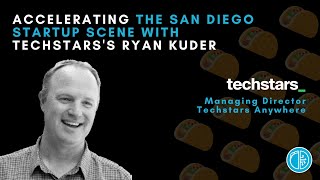
Ryan Kuder, Managing Director of Techstars Anywhere, talks about accelerating startups in San Diego. Techstars focuses on mentorship and connecting founders with investors. The conversation covers how remote work is changing where startups can operate and grow.
Startups get the party Startups get the party started get the party started. You want tech and tacos tacos in tech you know we got tacos and tech is on smash for the green guacamole keeper Cappings counting beans Contador Quentan frijoles found us trying to raise some queso la vida San Diego school of rappy rapping fire tortillas round jalapenos in these modern times a craft beer and coffee my coding yoga posse fold the body origami we be surfing coronado eating tacos el gordo the tacos standing puesto lucha libre and sombrero Got a shout out to coast angels by the ocean watch the sunset La Jolla shores Entrepreneurs trying to get funded When San Diego Startup Week is popping in the summer Oceanside de Tijuana esti be full of hustlers from couch surfing to penthouses right on the beach Tech who believe stars are within reach we interview and founders who be shooting for the Moon SD TechOS with your host Neil Bloom.
Welcome to the Tacos and Tech podcast where we discover cutting edge San Diego technologies and the builders making it happen. I'm your host Neil Bloom, San Diego's Tech Ambassador and together you're going to put a face to the name of today's tech leaders with our own blend of local lifestyle. I want to take a moment to thank our friends at Cox Business who have enabled us to tell these amazing stories of local leaders, technologists, founders and funders. Cox is actually a 121-year-old family run private company that thinks in terms of decades in connecting communities a lot like we do in building a tech ecosystem. For years now, the local Cox Business team has helped us grow through partnering at San Diego Startup Week. SD Quick pitch and in celebrating our technical leaders at the Top Tech Awards this October, we're very excited to kick off an entire month of virtual networking and learning at San Diego Startup Month with talks on sales, marketing, data, people, design, development and more. There's something for everyone in the startup and tech community. Drop in on the pitch competitions, get your LinkedIn reviewed, meet new colleagues and listen in on investor panels on the future of deep tech. Check out the schedule and more@sandagostartupweek.com and thanks again to Cox Business for your partnership.
And welcome back to the Tacos and Tech Podcast. I'm your host Neal Bloom and I am psyched to have my friend and fellow Startup San Diego board member Ryan Kuder, Managing Director of techstars anywhere. Ryan, thanks for joining the podcast.
Awesome. Neil, I'm stoked to be here.
Why have we taken so long to get you here? But you're here now.
You know, look like I've been asking you that for a while now.
I know. Well, here we are. We've got a lot going on. We've got Startup Month coming up in the next month. We've got techstars applications due also right on the corner. Exactly. So we're going to dive right into all those things. On this episode. Do you want to quickly introduce Techstars and Techstars anywhere?
Sure. So Techstars has been around since 2006. We are a startup accelerator. We have accelerated. We've done over 200 accelerators, which is over 2,000 companies. Our companies have raised close to $10 billion in venture capital coming through. The accelerator that I run in the techstars network is called techstars Anywhere. And techstars Anywhere is our first remote. First accelerator. And one of the things that we've seen over the last couple of months is that if you're going to an accelerator this summer, it's probably remote. We've been running ours since 2017. We've completed four full classes through it, and we are currently in open application period for our 2021 class, and those applications close on October 11th. So we're really excited meeting a lot of really interesting companies this summer and hopefully have a chance to talk a little bit more about that today.
Awesome. Yeah, we're very excited to dive into what kind of companies you're looking for and how and what people can get out of the program. So first and foremost, though, you are a third generation San Diegan, correct?
I am. That's true. My kids are fourth generation San Diegans. We've been around San Diego for a while.
That's awesome. Planted quite the flag.
Yeah, no, My grandparents came over in World War II. Grandpa was enlisted Navy and ran a gas station on Garnet, and I grew up in Encinitas, so that's awesome.
So you've been always a North county kid?
For my entire life. Almost my entire life. The first couple of years. But Since I was 4, it's been north County.
That's awesome. So were your parents involved in technology at all or how did you find your way to it?
So my dad was a computer programmer and he worked for a bunch of companies here in San Diego that did kind of space and satellites and cable television and all kinds of things back here a long time ago. And when I was growing up, we had a bunch of Apple II plus computers that he had bought and assembled. And we ran a little home business on the side that did billing for joc. And so I learned how to code BASIC when I was in second grade. I learned how to code Pascal when I was in junior high, and then I dropped it and I never got back into coding. And I just kind of like, let it go. And it's one of my big regrets because I think that when you've got the ability to be able to build, it opens up all kinds of opportunities for you. And I'm fortunate that I've been able to understand a lot of how tech works, because it's really put me in a really terrific position to spend my time up in Silicon Valley as a product manager and working on marketing for some big technology companies like Yahoo and ebay. And I'm also fortunate that it's been able to bring me back to San Diego every time that I've left. So we've boomeranged in and out of San Diego a handful of times for college and then early career, and then we're lucky that we've wound up back here in Carlsbad and couldn't think of a better place to be living and working right now.
That's awesome. Well, we're lucky to have you back. I remember when you left for London, it was bittersweet knowing that you had put your flag into run an accelerator. But you came back and you brought one to San Diego. So we're stoked about that.
Yeah, we're excited. That was a fun trip.
Yeah, I bet. I bet you the whole family got a lot out of that. Talk to me about you've worked for some big brands, you worked for some startups. Like, why startups for you? Why does that make sense for you?
I actually did my first tech startup back in 1998 right here in San Diego. It was a little company called givetoschools.com and we built affiliate shopping malls for K12 schools. And one of the first lessons that I learned really on my. This is just a couple years out of college for me. And one of the first lessons that I learned through that experience was we had a competitor that went out and raised like $50 million, just an obscene amount of money. And we were sitting there trying to bootstrap this company. And we sold to high schools and elementary schools and junior highs. And when the competitor raised all that money, they like hired a salesforce and put a sales force in like every district in the United States. And it made it impossible for us to get in and do sales. And the company wound up dying. And it was one of the first times that I really hit home about really understanding what your company needs to do to scale. And it doesn't mean that every company needs to go out and raise venture capital, but it does mean that there are some companies that won't be successful unless they do. And so one of the things that that lesson taught me that I've been able to leverage for the companies that we work with at techstars is to really understand how your company grows and what needs to grow and what the risks are if you've got a competitor that's growing faster. Because speed is really kind of one of those things that I think helps companies get a foothold and ensure that they don't get outrun.
And that speed obviously way more nimble at a startup than say at Yahoo or something like that though. Was Yahoo still a startup when you were there?
I don't know that you could call it a startup. When I was there, I think it was already publicly traded. I was there post IPO, but there was a period of time I spent 12 years up in the Bay Area area and I worked at, I was at Yahoo for a while. I ran international marketing for Yahoo Mail for a bit and then I had a product role at ebay for a while. That was kind of where I really started to learn how do consumer technology companies grow? How do they scale, how do they organize themselves? How do they service their customers? It was a really great lesson. This was back when Yahoo, it was still a high growth company at the time, not so much anymore, but it was a really fantastic experience. And one of the other great things about being at those companies, companies back in the early 2000s was the ability to build a big network up in Silicon Valley. A lot of folks who I've worked with have gone on to do some really interesting things, both in venture capital and then running large teams, starting companies. And so it was a really great opportunity for me to kind of learn how the Internet works while the Internet was figuring out how it works. And that was something that I'm really grateful for because it gave me a really solid foundation when I started like working with startups which, you know, since 2008, like I haven't been at a big company since 2008. So I've, you know, the last 12 years have been exclusively with startups, a couple of mine, like, which all wound up as like big smoking craters in the ground, you know. And then as a senior team member you know, for a couple of other ones, some of which happen to do all right. So.
Why did you go back from, like, a big start, big company like Yahoo? Why'd you go back to startup stuff? Growing fast?
It's part of it. The Yahoo story kind of, like, ended kind of funny. It was like the last big company experience I had. And in 2008, I got laid off. Yahoo. 2008 was the RIP Good Times memo. And it was kind of like big crash up in Silicon Valley, and I got laid off at Yahoo. And I Twittered about getting laid off, which was an interesting experience because the Twitter story went viral and made national news and CNN and the New York Times and everything. And one of the things that it did is it A, allowed me to meet a lot of really interesting people through that experience, but B, also got me to kind of feel like I wanted to be in control of my own destiny, right? Like, that I didn't want to rely on somebody else for my success or my failure. And going from a solid job with a good paycheck at Yahoo to collecting unemployment in a matter of 24 hours, it was really jarring. And then that's a hard thing to go through. And so I've got a lot of empathy because there's a lot of folks who have been going through that recently as we've gone through the recent events in the economy here. And one of the things that I really decided back then was I wanted to feel as though I had more control over what happened to me. I was in Silicon Valley for 12 years. I worked for nine different brands, and I only quit one job. It's a combination of companies failing and layoffs happening and all kinds of things going on. And I think one of the things that great entrepreneurs do is that they're able to look around and see like, hey, where do I want to make my mark in the world? And how do I control that destiny for myself?
Awesome. Well, you alluded to the fact that some startups need capital, some don't, to accelerate. Probably the same is true for an accelerator. Not every startup needs one, but an accelerator offers a lot. Why did you make the leap on that side of helping companies after you'd been at so many?
I'd been in San Diego for a long time, had a couple of losses, had a win with a company called Eco ATM here, which was really fun. And when I left Eco atm, as I looked around, what I saw was I saw an opportunity for San Diego startups to get some help. Capital doesn't flow through San Diego the same way that it does through Los Angeles and San Francisco to our north. I think as importantly, there's a lot of mentorship for first time founders and early founders and people are taking that leap into entrepreneurship that if you can associate yourself with people who've been there and seen that and know how to look around corners and things like that, you can really avoid a lot of pain. You can move faster, you can save money, you can do a lot of really great things through mentorship. And having been watching what techstars had been doing, I thought that what I wanted to do was to start my own accelerator here in San Diego. And I started going through that process of socializing that, but I had no clue what I was doing. It was actually right at that time when techstars teamed up with Qualcomm to launch the Qualcomm Robotics accelerator. I was fortunate enough to get the job to run the Qualcomm Robotics accelerator. It was a terrific opportunity to jump in with techstars, which is one of the top accelerator programs in the world, partner with a San Diego institution, Qualcomm, work with the Qualcomm Ventures team, and to be able to invest in and support startups right here in San Diego. And it was exactly aligned with what I wanted to be doing. And so being able to kind of take some of the experience that I had had, combine it with my big company experience, my startup experience, the wins and the losses, and kind of having seen all sides of what was going on there. Techstars was a perfect opportunity for me to be able to take that and see if there was an opportunity to be able to help founders who were coming up.
That's awesome. It was such a great program to have both San Diegos, but also companies from outside San Diego come and get to know our community as well too, and get helped by a San Diego company that was a really cool.
From all over the world, actually. We had companies from Italy and Germany and Singapore, New Jersey. They all came out here to San Diego. It was really great to be able to bring startups here and show them what kind of ecosystem we've got. Like the mentors that we have here in San Diego and aligned with the techstars philosophy. Like all of the people here in San Diego that are real give first members of the community.
Yeah. And I know you've kept a lot of those mentors on as you've gone on to other programs who still help out now, which is awesome.
100% with the exception of London I did move out to London for a year to launch an accelerator with Virgin Media. I've got a great selfie with Richard Branson from that experience. But when we came back and when we launched techstars anywhere, a lot of the same mentors, our own Qualcomm, we've got a really great group of San Diego based mentors that are still part of the techstars ecosystem today.
That's awesome. Let me ask a little bit more about accelerator so that people can understand if they haven't heard of one, hopefully we can sell them on why it's good for them. Is there some stats, you know, that companies do better or have higher success rates because they go through accelerators or what are the metrics that you track around that?
So it's really hard to say. Right. One of the things that we look at is from the Techstars portfolio, 86% of the companies that have gone through a Techstars accelerator have either been acquired or are still operating today, which is a really phenomenal style. You hear this. I don't know if it's a made up number or real number, but 90% of startups die. We've managed to take it and flip that ratio. I think that it's because of a couple of reasons. Number one is one of the key things that keeps companies alive is access to capital, making sure that you can fund your operations at the very earliest stages. There's a handful of ways to do it. You could do it off of revenue, you can bootstrap a company, you can raise venture, you can operate off of debt and get small business loans. There's a bunch of different ways to do that for founders. Sometimes demystifying capital can be challenging, especially if there's a ton to read on the Internet. But when it actually comes time to go out and hit the road and raise money, being able to stand with somebody who's done it over your shoulder, whispering to you along the way can be an unbelievable advantage. So, you know, so that's one thing that people get. The second thing is that there's a lot that goes into building a company, right? You've got employees to manage, you've got customers to take care of, you've got, you know, books to keep and HR to do and like all kinds of things that you have to do. And a lot of times when founders start businesses, the reason why they're starting them is because there is a problem that they are passionate about solving. And if you can surround yourself with a group of people who can Help you handle all of the things that you're not an expert in. Most founders that are successful are an expert in the thing that they're doing. So many other things that go into running a business. I think one of the great things about a good accelerator is that we will surround you with mentors who can help you figure out what you don't know and how to solve for those problems.
Awesome. So how is that done in a virtual environment now? You know, whether obviously every accelerator is now virtual, has that changed the way that you ended up running anywhere or you were like the best run accelerator? I guess.
We were fortunate in that when things shut down in March, there was probably the least disruption to techstars anywhere, just because we were already doing most of what we do virtual. One of the things that we really believe is that there is a lot of value that comes from in person relationships and hanging out with each other and having a cup of coffee and having a meal, breaking bread and drinking together and just spending time socially. And so. So for our program, even though it is mostly remote, we spend the first week, the middle week, and the last week together in person. We actually bring the entire class out here to San Diego for the first week. It's not hard, as you can imagine, to convince folks to come to San Diego in January when the rest of the country is stuck in winter. So that's a nice selling point we've got this year when things shut down for us, we had to cancel our final meetup, but our first two went off without a hitch. And our founders are able to spend time together and really develop some tight relationships with each other and their mentors. And I think that the other good thing is that we're going to run 45 something accelerator programs this year. And because we've been running Techstars anywhere since 2017, we had a playbook ready to go for Techstars, where we were able to help all of the other techstars accelerators transition into a remote experience that we'd done. We knew how to make it work. That was super helpful. The other thing that we did around March was we created some content online. Like we did some webinars, we wrote some blog posts, we made some videos that we shared with other accelerator runners because we knew that it was going to be a big transition for them. We're fortunate at techstars that we've got the resources to be able to make these kinds of moves. But there's a lot of accelerators that are three or four people or small Teams. One of the things that was important to us is that we were able to share what we had learned and help pitch in so that they could make the transition as smooth as possible so that their founders didn't suffer as a result.
That's awesome. So with this program coming up, you know, what are the differences that you're looking at now that anywhere or virtual isn't as novel like it sounds like you are taking a different approach of like the kind of companies you want to be recruiting and working with. Yeah.
You know, when we started, our idea was that we could create a full value techstars experience for founders who either couldn't or shouldn't relocate. And so, you know, our very first class, we had a wide range of companies, right. We had an AI company, we had like a consumer software company, we had a mushroom farm. There was like a lot of stuff that was in there because our goal was really to be able to provide the tech service experience remotely. We've gotten good at that over the last four classes that we've run. And this year what's happened is prior To March, about 30% of people who had a job that could be done remotely would do their job remote at least one day a week. March hits and all of a sudden that number shoots up to 100%. If you had a job that could be done remotely, congratulations, you're now a remote worker. And we're not 100% sure what things will look like in six months or a year or two years from now. But what we are pretty sure of is that remote work policies and work from anywhere policies will be much more prevalent than they were pre Covid. You already start to see this. Pinterest backed out of a big lease in San Francisco. Twitter has gone full time remote for most of its employees. Right now, a lot of the big tech companies are saying we're making fundamental changes in how we work when you've got that kind of big shift, which basically reverses the momentum that we've had since the industrial revolution of people moving into cities and getting closer to their jobs so that they could be within a short commute or a train ride or an Uber. And now all of a sudden we break that dependency. And as a result, what we believe is that the way that we work, the types of jobs that we have and how we do those jobs will fundamentally change and it won't be overn, but it will be over time. There are opportunities right now, we believe, for people who are building the tools and the infrastructure that will power Work into the future. The second thing that we see happening is that our work lives and our non work lives are really closely linked. You wake up in the morning, you drive to the office, you spend the entire day, the school day happens to coincide with that. You get home, you pick your kids up. And so there's all of these things in our non work lives that are the way they are because of the fact that jobs require you to be in a particular location. And so the second part of what we're looking at for 2021 is that when that dependency breaks, what are the impacts, what are the downstream impacts on the rest of our lives? What does it mean for transportation? What does it mean for housing? What does it mean for the kinds of neighborhoods that get built? What does it mean for mobility? What does it mean for education, recreation, travel? How do we meet people when we don't to the office every day? And so we're really interested for this 2021 class in what are the impacts on work and what are those impacts on life?
Awesome. So that's specifically you want companies that are working in that area. That's who you want applying by October 11th.
I think it's important to note that our applications are open for anybody. Right. And our mandate is invest in great founders that are building great companies. And so if somebody's got a question as to whether or not they're a fit, my advice is applied. You know, there's no harm in that. And then if it seems like a good fit or a potential fit, then we can have a conversation about it. And this isn't just for techstars, right. This is for any incubator. We've got a lot of really great local programs. There's other virtual programs, there's other remote programs, there's places where you can go and move to to find the resources that you need. And so my advice for folks is like, do the research, figure out who the team is that you're working for. Like what are they good at? What are they interested in? Who's the network that they've built around them? Who are some of the that they've invested in previously? Is this an alumni group that you want to be a part of and do your research on those programs and then figure out what it is that your company needs right now and go in that direction.
I love that the network part is huge. Obviously the techstars network comes with a lot, right?
Yes.
And so does your geographic network. So it has been to date too. You bring in your own network from Silicon Valley and San Diego, which is going to be different than.
Your partner.
In techstars anywhere with Kendra, who will have contacts elsewhere. I'm curious, your own San Diego network, since you've been here so many times, here, there, move back and forth, but built networks here and built companies here. How has San Diego tech community evolved, in your opinion, over time? Let's say from the time you ended up here, like from, let's say, not London, but before then, you know, like when you came here, was it 2008, 2009 that you kind of landed back here?
You know, we came back down from the Bay area in like, 2012, I think, is when we got back for yet, you know, another return to San Diego. And there's been a ton of momentum in this community. Number one is that we have started to see more and more venture dollars flow into the region. If you started looking at companies that have sought out and received funding, I think one of the things that's happened is that we've had a lot of companies that have brought some attention back down to San Diego. We can look at kind of like some of our bigger ones, like Seismic and Helium and a couple of other companies that have done really well there. But there's also a lot of smaller companies that have raised the $15 million rounds and the $20 million rounds that have been able to hire a lot of people and bring jobs down here. And what happens when we're successful in doing that is that the region gets the attention of investors from other regions. Right. And so that that's been a really positive move. I think that we've got a lot of momentum in that direction. The second thing that we've got is the community itself, I think, has really galvanized over the last several years. I've always thought that we're probably a little bit behind Los Angeles. They've got a bunch of homegrown funds. They had a few accelerators and incubators and things like that that are there. And what we're starting to see now is we're starting to see some of those things pop up here. We've got some local funds being raised. We've got some local incubators and accelerators that are starting up and scattering around. And I think one of the other things that I'm really proud of is the work that we've been able to do at Startup San Diego and kind of like acting as traffic control to kind of help point people in the right direction and help them discover the local resources that we've got here. And I think that that's the biggest change that I've seen is just that we have started to see the resources that founders need emerge from our own community rather than requiring founders to go outside of San Diego to find them.
Hmm. It's interesting because we always ask why we don't have brand name blank, right? Brand name accelerators, brand name VCs. You just got to do it yourself. We just got to build it right?
Yeah, you build it right. And here's the thing. And one of the things that you see is, like, as we start to build in ourselves, it starts to gain the attention of other people, right? Like, it starts to get, you know, it starts to shine the spotlight onto things. And once we are and we've done this, the community has done this, right? Like, San Diego has done a fantastic job of positioning itself as a terrific place to start a company. We see companies relocating down here now, right? Like startups that go and raise a little bit of financing and they move down here from the Bay Area. And I think that that's a lot of really good progress for us because it will continue to highlight that this is as good a place as any to be able to build a company.
Can I ask you a visionary question? What should we be doing five years out? Or maybe not time period, but what should we be building next? What do we need?
Yeah. So, man, I wish I had the answer to that. The what is not as hard as the how, right? I think that the how is harder. And I think that there's a couple of things that go into creating a really vibrant ecosystem. You know, one of them is that you've got to have motivated founders, right? You gotta have founders who have, you know, the experience. You've gotta have founders that understand industries and have the vision. And so having kind of like that group of founders, one of the, like, I use this like, mulching analogy, right? One of the things that happens in the Bay Area is that people join startups, they learn how startups work, those startups fail, and that creates mulch for new companies to grow from. And we've had a very stable, low unemployment economy here in San Diego for a long time, which is fantastic. Nobody's complaining about that. But what it's done is it means that there's not a lot of folks that are mulching. Having people who've got experience with startups tend to be the people who create new startups. Having that cycle in place is important. The second thing is capital. We need to be able to fund these companies. There's a lot of. There's a lot of money outside of San Diego that comes in. But as we start to have more exits, more exits, create more angel investors, more angel investors, create more funds, those are the kinds of things where we're able to start now, funding our own businesses, rather than requiring those businesses to head outside of San Diego. That's a really positive development. Also, lastly, I think it's the experience and the mentorship that exists. I think this is one of the places where we're getting a lot better at, is that there are folks in San Diego that are being activated now to step in and help. And this is why I'm proud to be a part of Startup San Diego with what we do with Startup Month, what we do with our mentoring sessions and things like that, is that as more and more people start to find success and look behind them and say, how can I give back a little bit? I think that what we're starting to see is we're starting to see a really vibrant mentor community developing as well.
Yeah, I completely agree. I think what's really cool is people stepping in, in and joining mentoring before they have that exit, right? They're saying, I just got a step ahead. Like, I just got it out of techstars. Let me go help give back to the people either who are currently in it or who are thinking about applying. Like, you haven't. You're still on your own journey, and you're just saying, how do I bring someone in behind me to pull them up alongside me, too? Which is really cool.
Like, in order to be a good mentor, like, you only have to be a couple steps ahead of somebody, right? Like, so you can just like, point behind you and say, hey, don't stub your toe on that one. Right? Like, yeah, you know, you don't have to have $100 million exit under your belt. Like, you don't have to be done, right? Like, you can be on the journey. And as long as you are, you know, I've seen the path that exists just a little bit further up ahead. Like, you can shout to the person behind you to tell them where to go. Like, it's. It's really, really great to see current entrepreneurs here in San Diego go that are kind of doing that for the people that are following closely behind.
Yeah, absolutely. And they're doing it both altruistically, but also they realize there's benefit there for themselves. Right. They know that they got to always look for talent they can share, deal flow for their investors, they can also learn things that are working, things that are not. So I'm glad that people feel that they're kind of a natural economic engine where they feel that mentoring is worth it. So, yeah, it's awesome to see something you mentioned that's going to happen a lot is mentoring during the next month of October during Startup Month, put on by Startup San Diego, but really put on by the community. Right. What's something that's so cool is that it's a platform for every organization to showcase themselves in front of the same audience. And we're lucky enough to have you involved in the kickoff nights October 1st, which we're super stoked about. Do you want to tell us about?
I'm really excited about that.
Yeah. What's going on on kickoff night?
Yeah, you know, one of the things that's happened, you know, this year is that we've historically had this really great week long Startup Week event down at the convention center, you know, and we can't do that this year. And one of the things that our team has done, you know, led by Alexei Navarro, our executive director, and our entrepreneurs in residence and the volunteers both present and past, that have been working really hard, is that we've moved the whole online and expanded it to be an entire month. And the kickoff night is really there to set the tone for the fact that this is a community and that our community is there to help each other through this. We're going to have discussions with San Diego leaders about how this community is developed. We're going to have conversations about the importance of community, especially right now during this COVID pandemic where we have to connect with each other other in different ways. Right. The ways that we've connected in the past are changing and we have to change the way that we're connecting right now. We're going to have a conversation with some folks that are building companies and investing companies that are focused and centered around the future of work to talk about what kinds of changes have happened around how we connect and the tools that we use to do that. I'm really excited for that first kickoff night. It'll be a great opportunity for us as a community to come together and really set the tone for the next three or four weeks where we've got a really terrific lineup of speakers, we've got some really great workshops that are going on. We have our own San Diego Startup Month incubator that's going to work with a handful of companies and give them some really solid one on one attention. With our entrepreneurs in residents and a bunch of San Diego mentors who are techstars mentors and other mentors from San Diego who are going to spend quality time focused in on a group of companies. There's a really, really great lineup. I encourage everybody to find time to attend at least some or part of it. It' Right. You don't even have to drive downtown, so hopefully that'll be an easy way for folks to connect.
The goal was just a few hours every day. Right. One to two hours a day, a few times a week so that you can check in and still kind of do everything you're doing from work wise and really excited about it. So thanks for being a part of opening night, which is going to feature a talk on the future of work, which will have kind of a good diverse group. There's gonna be some academics, there's gonna be the city involved, there's gonna be you obviously leading the conversation and then some startups, including one that you mentioned who or you didn't mention them, but a company called ClickUp that moved to town after they raised a big series A. They moved from San Francisco to San Diego.
Big series A? Yeah. So, yeah, really excited to have them there.
Yeah. Awesome. Well, I'm excited for the month as well. There's so much going on throughout the month virtually. There's also all the virtual reality networking that's going to happen in Verbella, which is a local San Diego company, which will be really cool.
Grew up at UC San Diego, spun out from there.
Yep. Acquired very shortly after and they're still at it, still based here, which is cool. Well, awesome. Ryan, we are lucky to have you in the community. Bridging us from all the techstars knowledge you have to making sure we've got a playbook for how to train our young startups here and for your energy and for startup, for just being excited and saying this is something you should work on and do it well. So thank you for everything you've been doing.
Thank you. Honestly, Neil, America's finest city right here. There's no place that I'd rather be. There's no place where I'd rather be raising my family. There's no place where I would rather rather be working. I think that those of us who get the opportunity to live and work here are incredibly fortunate because honestly, when you tell people that you're from San Diego, they're like, oh, you're from San Diego, don't tell anybody. If you want to move to Southern California, go to la. Is Our secret. That's great. But no, October is going to be a fantastic month with Startup Month and all of the energy around San Diego's founders and funders and mentors. Plus some post season baseball, which I'm really excited for too.
So, yeah, Padres are in the October game. I love it. Another thing, we love San Diego. We love our tacos. And I think you might have some experience, born and raised here, knowing maybe every taco shop, do you have one favorite or do you have a bunch?
Well, so I'm actually gonna, I'm gonna like opt out of the taco shop thing. Cause like, here's how you do it. You go to El Nopalito on Santa Fe in Encinitas and you go to, and you go into the back to the butcher and you get the carne asada and you get the fresh made tortillas and you take it home and you throw the carne asada on your grill and you heat up the tortillas and make your own carne asada tacos. El Napolito, the best butcher in San Diego. They've also got some fantastic pollo asado there. But I was like, that's the way that we do it. Get a little white onion, chop up some parsley with it, put on some El Napolito fresh salsa. Those are the best tacos. They're the ones that you make yourself in your backyard.
Girl, I love it. That's always the right answer. There is no wrong answer to a taco.
That's right. I believe that. I believe that.
Well, Ryan, thanks so much for coming on the pod. Got to make sure October 11th Techstars applications are due. That's right, October 1st is kickoff to Startup Month and we'll be seeing you throughout the entire month.
Really stoked. Thanks so much for having me on. Like I said, if anybody wants to think about applying for Techstars anywhere, we are open until October 11th. It is an open application cycle and you can find out more information@techstars.com awesome.
Thanks, Ryan.
Thanks, Neil.
Thanks for joining us on the Tacos and Tech podcast with Neil Blum. Thanks again to Cox Business for helping make this possible by expanding the reach of the same San Diego tech ecosystem. Big shout out to School of Rap for our rad intro music. And thanks as well to Nest Podcast Network where we are recording live inside their studio at Nest Co working in Bankers Hill. You can find Neil Bloom on Twitter eealbloom as well as fresh brewed tech and tacos in Tech Pod on Twitter too.
Get the party Startups get the party started. Startups get the party. Startups get the party started. Startups get the party. Startups get the party started. You want tech and tacos? Tacos in tech. You know we got it.
Hey.








