Rewiring the Arsenal of Democracy
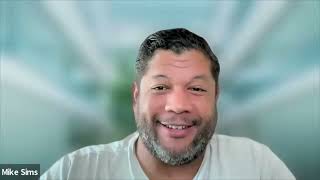
This is a podcast interview (Tacos & Tech) between host Neil Bloom and Mike Sims (co‑founder of Imperium). Sims describes Imperium as a trust‑indexed e‑commerce marketplace for critical industrial and defense components (aiming to reduce friction in sourcing, compliance and trade finance). He recounts his background (trade school, Mercedes technician, Marine Corps service with Arabic language training and special operations experience), explains how battlefield and partner‑force needs reveal fast, fleeting demand signals, and argues the U.S. must modernize supply‑chain access, financing, and small‑manufacturer resiliency to support re‑industrialization. The episode also covers San Diego's local strengths (hardware, defense customers, universities) and community/dev ecosystem needs.
Chapters
Startups get the party. Startups get the party started. Startups get the party. Startups get the party started.
You want tech and tacos, Tacos and tech, you know we got it.
Hey.
Startups get the party. Startups get the party started. Startups get the party. Startups get the party started. Startups get the party. Startups get the party started.
You want tech and tacos, tacos in tech, you know we got it.
Hey, and welcome back everyone to the Tacos and tech podcast. I'm your host, Neil Bloom, and I'm so thrilled to have on friend, friend of the pod, friend of the community and defense tech community leader Mike Sims, co founder of Imperium. Hey, Mike, thanks for joining the podcast.
Awesome. Great to be here. I'd like to think that I'm a leader, but I'm not so sure. So I appreciate that. Yeah.
Oh, yes, yes, you are. Because we have already been put on events together. We have already been true. We are shared at the hip in terms of what we know the potential of the defense tech ecosystem could be and should be in San Diego.
Absolutely.
You're not just thinking it and saying it, you're doing it. And I call that a leader when you're actually building not just your own company, but also building kind of the railroad tracks out in front of you so that there is track to continue to grow into. So I 100% consider you that. And so thanks for your leadership there. But tick, give us a high level of what Imperium is.
Yeah, Imperium is basically it's a trusted marketplace for critical goods. And what that really means is it's kind of an E commerce platform for industrials. But we index on trust. And the idea is, you know, aerospace and defense writ large have been mostly brokered. It's very challenging to find parts. Obviously the global trade environment is highly tumultuous. That applies downward pressure on people's balance sheets. It's just costly to do business. And we noticed a lot of companies when they were, you know, their backs were against the wall looking for components or materials that they ended up going to Alibaba and Amazon and Aliexpress and basically finding some kind of solution so they can get on with the program. So, you know, I had lived through this problem or problem at a couple of space startups. I've seen it in VC and then I even experienced that when I was in the government of just the challenge of finding these components. You know, domestically there's 600,000 manufacturers and there's 10 million producers globally that's a lot of options to go find. And most of these companies don't have a good web presence, they don't spend money on SEO. You have no idea who you're talking to, whether or not they're trustworthy. There's a lot of word of mouth. But when we think about strategic competition, when we think about, you know, all the investment that's going into our industrial base, you know, starting with ija, IRA chips, act now, buy American, all the executive orders, this is creating a huge stimulus in terms of producing things worldwide and domestically. Yet the supply, the friction and accessing supply is fixed. So that just adds a lot of cost, a lot of tumult. So the idea was, well, why don't we just build our own global commerce platform. We'll index on the trust side, we'll do as much automation as we can on the trade, on the compliance, the finance and the data and ultimately just you know, smooth out all the friction between buyers and sellers and return that margin or return those savings as you know, in the form of margin. So these companies can actually just do business without the risk. And that's where we are. We're a pre seat or recede staged, you know, VC backed company. We're here in San Diego, small team.
Just getting started, just getting started, but have felt the pain for a long time as you mentioned and you started this before 2025, which is a whole, you know, new chapter in attacking this but also feeling the pain short term. This has been a multi decade problem. Why don't you set the stage a little bit for us both how you felt it. So where, where, how did you, you know, really kind of come up into this and then we'll talk a little bit about maybe the history of the defense industrial base a little bit too.
Sure, yeah. I mean so my, my quick background, I'm originally from the Bay Area and then I've been down here in San Diego for over 20 years now. But you know, I, and I was a trade guy. I went to trade school, you know and I love, I went to Universal Technical Institute which is kind of like the lead that would be the Harvard of trade schools if you will. So it's a fantastic school and I think I'm most excited about all the kind of emphasis on blue collar right now and their need is servicing. I think that's incredibly important. We can dive into that a little bit. But yeah, I went to UTI and I went there for automotive, diesel and industrial mechanics. That basically is just being a gear you're you know, gearhead with all your buddies. And that was a two year program. Then I went to Mercedes Benz and I was a technician right here in San Diego. That's actually what brought me here at Mercedes Benz of San Diego. And then after that I ended up joining the Marines. But I started off kind of in the blue collar space as you know, going to trade school and wrenching and welding and fabricating for a living. So.
Wow.
Yeah.
That's incredible. Were there others in your family that worked in the trades or how did it was, how did it come to mind for you?
I mean, you know, when I was in high school is actually I played baseball, but I was really a really good cyclist and I was on a junior Olympic development team, actually. And so I worked at a bike shop in all of my high school. And so we were always wrenching on bikes and all this stuff. And then I had a 1967 Dodge Dart in high school that barely ran. I had no money and I had to try to figure out how to get to run. And that's kind of what, you know, got me interested in mechanics. Plus a lot of my friends were just, we were kind of like the, the hot rod crew, right. At high school and we all went to UTI and the rest is history. Yeah.
Yeah. Wow. Is everyone still in the trades? Do you keep up with everyone? I'm curious.
Yeah, actually most of my, that, you know, I've had so many different careers and most of those guys were still trades. They're all, you know, getting ready. They're, they're wanting to retire. At the end of the day, they're sick of working.
What was it like going into the Marines with already a bit of a skill? Did that actually give you like a path or what was it like comparatively?
Well, it's so funny, you know, I've always been interested in a lot of things in our generation, obviously we grew up in the global war on terror. We saw these things manifest when we were young. This was like a call to duty. Call duty, if you will. In fact, I was at School at UTI when 911 happened. I was 19 years old. I didn't even know what the World Trade Centers were. I was completely naive and ignorant of the world. I was just hanging out with my buddies working on cars. And as soon as I got to work, which was actually building race cars for like these off road, all the Baja trucks and all that kind of stuff. And they rolled out the, literally they rolled out the tv and I saw the second tower get hit with the A plane. And I instantly knew that we were going to war. So about two days later, I went to the army recruiter. Whenever they opened it up, I'm like, I want to be fighting in Afghanistan. I don't know where it was, but I want to be a fighter. And he pointed to some guys in the bushes, like on a picture. And I'm like, I want to be those guys because they're all green paint. They had this thing called the soflance big laser to laser designate bombs. And he's like, oh, those are rangers and it's a six year contract. I'm like, I don't care. I'm gonna go. This is like our generation, right? So I signed up and everything. And I ended up not doing it, mainly because my mom was helping pay for school and I'd already committed to this. I'm like, well, I'm just gonna do this. And the last war that I remembered was the Gulf War. It lasted like three months. And I was like, well, if I'm in for six years and the war is going to be done before I get, I'm going to be sitting in the mountains with like green paint on, not doing anything. So I ended up finishing school and then working as a mechanic down here in San Diego. And then at that point, right, the Iraq war had kicked off in 2003. And I watched the whole invasion and everything. And we're here in San Diego and you can't go anywhere without bumping into a jarhead, you know. And so I was kind of re interested in it and I kind of maximized everything as a technician. I was a ASE master tech. I qualified on everything. And I looked up and down the shop. I can kind of tell that this is it, right? Like there's guys that are 50 years old still doing it. I'm like, I want to do something else. So I quit my job. I went to Thailand for a month with my friend. We backpacked all over the place. It was awesome. And I kept going in Internet cafes and I kept up looking up like what was going on in with the war. And when I got back, I jumped in my Cadillac at a 1972 Cadillacs in Divan or sit in a huge 19 a foot long boat. I drove up to the Marine Corps recruiter. I'm like, I want to be a machine gunner, I want to be in the infantry and I want to be in Iraq as fast as possible. And then three weeks later I was in boot camp. And that's what started my Marine Corps career.
Wow. Wow. Incredibly noble twice to kind of feel the call like that and be like, it's on me to go and do it, you know. What was it? Was it what you expected?
No, it was a little bit of a shock because, you know, I went in and I wanted to be a fighter. Yeah, a fighter is just like an infantry guy, right? Where your primary job. Everybody in the Marine Corps, everybody in the military, like, I don't like to separate the classes, right? It's just that was my going to be my tool. And I ended up having really high test scores. And so when I went to boot camp, literally the last week of boot camp, they called off a couple of names in our platoon. And they're like, you guys need to go over here, right? And boot camp, you just kind of like, shut your mind off and you do whatever they say. And it turned out that they didn't want me to be in the infantry. They wanted me to do something else. And so I took this really obscure test called the D lab, the Defense Language Aptitude Battery, I think that's what it is. And it's a fake language. And you have to infer grammar rules and all these things. So you kind of just sit there with headphones and they ask you questions. It's like, literally, you don't know anything about this language. And then if, depending on your score, you'd go to language school, and then depending on how high your score is, they pin you on a language, right? And so my language, I ended up passing. And they kind of broke, right? They're like, hey, look, we don't need you to be a inventory guy. We need you to go do this. And they didn't even know what the job was. And they're like, well, you're going to go to school for about two years and then you'll be out in the fleet, which is just the normal Marine Corps. I'm like, and they signed a bunch of drug. You have a top secret security clearance and you're going to have $4,000 bonus. I'm like, $4,000? I'm like, Heck, yeah, sign me up. You know, I've never had that much money because I spent it all on Bud Light and my Cadillacs and stuff, you know. So it turns out what that job was. So the shock was, right. I went in to be a machine gunner. I ended up going to an intensive language and intelligence program, which I was never really an academic. And so that was challenging, you know, and so especially because my whole pipeline was about three years or so Before I even got my first deployment. And at that time, you know, again, I wanted to be a fighter in Iraq as soon as possible. Now it's three years later, I have like a degree. I'm like, what's going on? You know, the Marines were supposed to be like knuckle draggers, you know.
What languages did you learn?
It was Arabic. So I got. I was, you know, went to the Defense Language Institute in Monterey, which is like the premier language school. It's a full immersion. We had like 10 people in our class, nine masters or PhD, like linguists, professors from the region. And they just showered us in Arabic, reading, writing, speaking from day one. For, in my case, it was 21 months. And then I. After that, I went to our intelligence school in Texas.
Oh, wow. And then out into the world, or were you mostly stateside?
Yeah. Then. Then I came back and I went to reconnaissance school and parachute school and a couple of other schools to kind of round it off. And then after that, I deployed to the Middle east and used the language. It was really interesting. Loved it, loved it. Finally. And then after that, I switched gears and ended up going to selection to become a Marine Raider and Marine Special Operations Command, which is the Marines contribution to Special Operations Command. So like a sister unit to the Green Berets and the Navy seals and all that kind of stuff. Yeah.
Wow. Interesting. All on the way. You're using ton of gear, obviously.
Yeah.
Using different gear for different roles. Right. You switch roles a lot. Can you take me through a little bit of just like, what's it like to. To use tech and gear as, like in your everyday use? Now that we're thinking about building defense tech.
Right.
Like, think about you as the end user. What was your experience with it all?
That is such a good question. And it's actually something that every time I see a piece of technology, I mean, the technologies that are coming out today are insane. They're world class, built by the smartest people with smart capital. And it's all net positive and it's just incredible. And there's a lot of inspiration, obviously being drawn out of Ukraine in terms of applying applied technologies. And I think there's a lot of lessons learned there. The whole job is tech. Like, you know, what's interesting is being in the military, especially socom. Every and every operation that you want to do, you have to sell it. It's an actual. It's like a pitch deck. You're selling risk. The whole thing is risk. And so, you know, when we're going to go Get a bad guy, we're going to go look at a bad guy. We're going to go do something out there in the world. It's not like we just pack up one day like the movies, and we just jump in with no plan. The plans are extensive. They take months to plan you, you know, depending on the, you know, the type of operation it needs to oversight from asd, like, you know, a Congressional Oversight Committee. You know, there's lots of echelons that needs to get approved. And then we go, right, because if anything goes wrong, there's a lot of risk the President might have to get on the phone or, you know, one day and apologize to another President. That could work its way out in a trade deal, right? So. Or there's somebody that's in jail or what have you. So meaning so in that to de risk a lot of stuff, we need technology. We need drones, we need night vision, we need incredible communication with that is operating on different channels. That's encrypted. We need planning tools. We do. You know, the interesting thing about SOCOM is that we're not stuck on, you know, green gear we would call, which is like your programmer record gear. We can go buy whatever we want. The mission is what determines what technology we use. This is actually where I see some, maybe some friction or some dislocations in how technology is really used. For a startup company that is building a thing that wants to get to a government customer, the reality is that government customer in the DoD is only doing one thing. They're trying to fix a problem. So that problem's not going to persist in perpetuity. And there only. There might only be like four people working on that problem. That's it. You know, the Air Force, the Navy, the Marines, the Coast Guard and the army all exist because they cover different risk areas. The army is typically land. The Marines is, you know, littoral land. The Navy's obviously. So nobody's really overlapping that much. And the same thing goes in the problem space. So the markets look big when I see somebody say it's a $1 trillion market, but in reality, the problem is fleeting, it's not permanent, and the people that are doing it are few and far between because there's so many problems. So it's all technology, but I'm not sure that the scale, actually, I'm not sure the math is mapping to the scalability. But yeah, the whole thing's technology.
So that's a little. Your VC hat I feel like going through on that one. Right. Market's not big enough. But the problem is real because it's life or death in a lot of situations for, for people. But like you said, it may just be, you know, one division that needs that one. Right. Which is maybe doesn't need hundreds of millions of venture capital to solve that problem. Maybe there's a lot of other ways to solve that. Go ahead.
Yeah, well, I was gonna say like every once in a while you hear there's a flare up in North Korea, right. North Korea is, you know, way up there in the world and it's cold. And so what we don't have a lot of is cold weather gear just so sitting around. And so you take a Division, right, like 1st Marine Division over here in Camp Pendleton, that's like many, many derivative units. There's three, sorry, Marine Expeditionary Forces. Right. And it goes into divisions and all. It kind of just trickles down to the unit of one person that they might say, hey, well, we need to go buy a bunch of cold weather gear. But there's not enough money to go around. So they buy it for like one unit who's going to go to do an exercise in Norway and then after that that gear will sit in some depot in Barstow for five years. So, you know, the signal is, oh, they need cold Whitaker. So every company, Patagonia is throwing contracts out there. Everybody's trying to get a win. But really it's. The problem existed for like three months because the, the leaders of the two countries were beefing a little bit, right. And then it went away. So you get a lot of false signals and there's not a lot of sustainability on these problems. So to your point, yeah, you might only do this thing one time. A lot of the problems that we were working on, like I was personally working on, I needed technology, but I just needed one of them because it was one mission. I was going to use the thing and then after that, I don't know what my next mission is going to be. So what we're not going to do is stockpile a bunch of SKUs thinking that there's something that's going to happen because I only have so much money to spend. Yeah.
Interesting. And also you soldiers, technicians are ingenuitive people, right? You can solve problems too. How much of the problems that you solve solved internally and, you know, didn't look to just buy something off the shelf?
Yeah, I mean, there's a really good story and I'll name drop them, but there's a great two. Two guys are incredible. Scott Sanders, who is leads growth at Forterra. And also he's the guy that won the first contract for Andrew. It was like a billion dollar IDIQ for some like border technology. And then Chris Seifert, who's also. So Scott is the CRO over at or the chief of growth over at Forterra and Chris leads growth like operationally over there. Chris Seifert. And so they needed a way to do advise and assist. So a lot of our authorities, we don't actually put Americans in the problem set. In a lot of countries we work with our partners, we train our partners, we equip their partners and then we send them forward and then we help them from afar. That's that whole scheme is called or schema is called advise and assist. And there's like levels to it. So they needed a way to field technology into their partner force and go push ISIS back from the city called Marawi in the Philippines at the time. This isis, you know, affiliate, if you will, they kind of just like, they buy the stuff off ebay and then one day they wake up, they call themselves isis, right? And at the time ISIS was sweeping through this, the Levant, taking like Raqqa and Mosul. And so this, this organization in southern Philippines, they like to do this stuff. And so they take over a whole city called Morawi. And well, we got to take this city back, right? But Americans aren't going to do that. We're going to do with our partner forces. So how they did that, they had to innovate. They had to build their own server, format their own cell phones, and basically, you know, bring all this technology together, field it to their partners so that they could advise and assist in an urban environment and do it on the fly. No contract, no nothing. They spent their own money and they solved the problem and they, they won. These guys are awesome. So we're always, always innovating. But I think the big point there is we don't always have a forecast for what we need to innovate because problems manifest overnight and you need to go solve them. So a lot of times, you know, a company that was kind of dormant all of a sudden can get a call in the middle of the night being, I need all of your inventory today. And then they get a big contract. Right, but is that sustainable? I don't know. You know, depends. But yeah. So we're always innovating. We always have a tool. We're always kind of bending something and making it work.
And then there's the other side of like a 20 year out program of the next fleet of aircraft carriers, which could take forever to only build, like, five or something. So there's kind of this broad spectrum, right, of needs and utilities. How do you see that? And then we'll start moving into, like, supply chain, supply base, I think. Way to go on that.
Well, you know, capital assets, like big, giant pieces of equipment like submarines and aircraft. You have to forecast. I mean, there's steel, there's jobs tied to it. There's. It's. It's more than the aircraft. It's more than an aircraft carrier, obviously. And I. I don't have the wherewithal. I'm not, you know, I don't have agency over whether or not aircraft carriers are like, need to go away because there's FPV drones. My. My gut says no. I think, you know, when you. The invasion of Ukraine, by the way, when. When Ukraine was invaded by Russians, we've, you know, we grew up always wondering what it's like to fight Russians for better or for worse, right? But that's like our kind of like our anchor enemy over the long term. So all of our targets were called Ivans and all these things. You're kind of conditioned, right? And when I saw them invading, when I saw their airborne unit land and I saw their planes that were flying, I'm like, we could absolutely crush Russia. Like, their skill level was so bad. I'm like, we've been hyping these guys up this much. I'm like, it was obvious, junior varsity everything. So, you know. But a lot of commentary that I heard in the Valley or on LinkedIn was like, tanks are obsolete now. Helicopters are obsolete. Oh, I'm like, do you know how the battlefield works, dude? Like, you have to have tanks. And you know what? When you get out there on the battlefield, the last thing you're going to want to. The first thing you want to do is run into a tank. When you start getting shot at, everything can get hit. Everything can get destroyed. So you have to work on tactics and employment. The difference between the United States and a country like Russia that just uses, you know, troops as commodities is that we use risk mitigation. We think about the long term. We have generals that are incredibly smart that go to many, many schools and figure out the theory of war. So you can still use armor. So it's, you know, where I see. I see, you know, Valley saying, oh, tanks are obsolete because this. But what they don't understand is how tanks are actually employed, how somebody considers the use of tanks when they're Used. That's why we have families of vehicles. That's why the industrial base, the defense industry is so big. Because we need like redundancy on every random problem that could ever. And now the general is really more of like a, an orchestrator, like the guy up in front the trombones that he's trying to create a symphony of destruction. Kind of like what's the Iron Maiden? Right. And it's true. So these are orchestrators, these are artists really that are using some science and everything. And so what does that apply to the supply chain? Well, if you think about, you know, a lot of people look at Ukraine for example, and like FPV drones and drones are like the innovation coming out of Ukraine. I think the real innovation out of Ukraine is that there's a supply chain that's easily accessible from the flot, which is the forward line of troops. Those are guys in the trenches with the guns in the factory. So the goal is squeeze the factor, remove distance and friction from the factory and the fighter. And then now that fighter is basically collecting data daily. And whatever the new latest battlefield developments are can get refactored into a capability that gets re ingested by the fighter. That loop right there is all dependent on supply chains. And so when we think about tanks, when we think about problems, when we think about just the dynamism of battle and global warfare, there's too many things that we need we can't forecast at all. So what we really need to do is figure out a way to access supply chains much easier so we can solve in real time, not wait for programs of record. So aircraft carriers will always stick around because they're bigger than aircraft carriers. But all the commodities, the consumables, we need better access supply chains. We constantly innovate on the battlefield.
Well, to speak to the aircraft carrier, the fact that it is a city means that it actually you can do the things of a city closer to the battlefield. Two compared to like back at home, theoretically. Absolutely right. So now maybe the aircraft carrier becomes a partial factory in terms of 3D printing stuff that maybe you needed back printed back in the state. Absolutely right. So these floating, you know, bases include floating factories. And I think it's interesting the way you talk about it, just kind of compressing the learning curve to solve problems. I, I worked on the Bradley fighting vehicles air. I created the air conditioning unit for the Bradley fighting vehicle in 2006 and 7. This is a vehicle that already been in the Gulf in the 1991. It already gotten to 150 degrees inside. And yet they still didn't feel like it was a need to, that we should reduce the temperature of troops inside. And only five years in five, four years already in Iraq, they're like, we should do this. And it didn't get fielded until 2012. So they went when the Bradley was designed, I think like 80s and 2012 is when they're like, we should feel the air conditioning unit, which was on too late right now the Bradleys are in, are in Ukraine. I don't think they need air conditioning units on Bradley.
Right, exactly.
So I don't know. Just like that, that learning curve, super interesting. And I view the same way that you view around a little bit of excitement to see what the Russians are like. The same with, like, this is a chance for engineers to go to the front line and be like, what are the problems worth solving of today?
Right.
Like that is if you're interested in defense tech. I mean, I think we need more.
Engineers on the front lines, you know, because that building a heater, after years and years and years, you look at the exterior of an armored vehicle and then now they have these chains and all this weird stuff to kind of sequence, like dissipate the energy from a shape charge, right? Hits the chain, blows up and then there's distance and it frags out and it's losing energy, so it doesn't penetrate. And it looks funky. Right. But it's its survivability. And now I would imagine you probably see OEMs like Oshkosh and coming out with this stuff as like an upsell, right? So that you can buy this stuff and not have to innovate. These are all lessons learned from the battlefield. I'm sure everything now has AC in the heater because we're not always fighting in, you know, the mountains during the spring, you know. So take me through a little bit.
Of learnings post military. What'd you. What'd you do and what brought you to VC in terms of that connection? And why did you think that was the next call for you?
Totally random. I think most people that get into VC don't ever really, you know, it might be a thing. Right. I think now there's more people that you see it as a career path. And so you see younger people that are angling for becoming a VC. But VCs are marriages. You know this. They're not corporations, they're partnerships. And partnerships can get messy. And, you know, they have to pay you. They're taking money out of their pocket to pay you or GB fees. So that, that was pretty interesting. But I never really, I never knew I was going to be. I didn't know what VC was. How I got even introduced to this was I was actually, you know, I did, I was lucky to have exposure to a lot of different problems worldwide. So I did there. I, you know, Iraq, Afghanistan and Philippines. Like, no secret, there's tons of Americans there. Like, it's all over the news, it's not a big deal. So I was really lucky to, you know, work. Counterterrorism, you know, was our main authority. And then later on we ran into competition. Competition basically is the working terminology for the interaction between the United States and China on who's going to take the reins for the next 100 years. And so, so calm at the time was indexed and fully kind of outfitted for CT counterterrorism. And then when it comes in this gentleman's game for competition with China, we're looking in our inventory, our toolbox. We're realizing we don't have, we have all like, you know, SAE, you know, we have a 716 wrench, we don't have a 15 millimeter. We need to fully rekit the whole thing, every fastener and fitting in. The way we approach the problem is different. So we need to figure out how to kind of get up to speed foot quick, which means we need to study and then we need to take those learnings and turn those into technology and capability. So I was one of the, I was lucky to be one of the first people to kind of get exposed to this problem. Lots of report writing, lots of ideation. And in that the at SOCOM at the time had put together a small team of investors and technologists and flew them around the world to go sit with the people on the problem and kind of see, hey, what's going on here and how can this turn into technology? So that's when I first met Josh Wolf, who's the co founder, managing director, managing partner at Lux Capital, which is pretty substantial firm, I think it's well known out there. They primarily focus in hard tech, deep tech, all that kind of stuff. So I had no idea what VC was. And they just said, hey, Mike, you gotta go meet this guy, talk to him and tell him what your problems are. So bring the whole team in, start this conversation. And that's when everybody's like, oh, wow, cool. So you guys are gonna hear to basically learn what we need and then fund it and then give it to us so we can succeed. Yeah. So I met him and and and so my, that was when I first introduced the concept of VC and seeing these problems abroad, especially, you know, really doing a deep dive on the belt and road initiative, which is a 1 trillion dollar at this point, 13 year supply chain strategy. This is the strategy that China is deploying worldwide. A soft power strategy to be able to gain access to the resources it needs. If you think about China, it's 1.3 billion people. They do have a well resourced country, but they lack a lot of access to other materials. And in order to sustain population they need to import soybeans and pork, they need oil, they need resources. A huge consumer that's growing 800 million people out of poverty. So their discretionary spending is going through the roof. And what does that applies pressures to the supply chains. And so they go out there and they seed basically all these equities in every country to ensure that they have a live stream to support their country. Right. And so we saw this firsthand and there what I didn't see was any U. S companies going out into the world and competing directly with Chinese companies. My first time in the Philippines, I didn't see a lot of Chinese diaspora in terms of business. My second time flooded in the Philippines. It's insane. Like, you know, every elevator I got into was just business people, zero Americans. And I was like, we are going to lose if we don't figure this thing out. So when I met Josh Wolf and I kind of understood what he was doing, that kind of, you know, turned on a light bulb in my head. So I was looking for different opportunities and I realized there's a big opportunity to start a company of some sort and start competing, right? Not competing because we don't like China, right? Competing because China's competing and we're not and we're becoming complacent. If we were serious about, you know, directionally about where the United States is going to go over the next 50 years, we need to start competing. So I'm a competitor Art. I love it, it's fun. And I was like, cool, I'm going to do it. So I ended up getting out of the military. I did what most military people do, I guess is they go get their MBA and they try to get into finance. And so I did that. I did a Goldman Sachs apprenticeship, which is like their veterans thing. And then I did a startup hedge fund in the middle office. And then after that I was like, okay, I know what VC is. I reconnected with Josh and I stayed there for a year mainly just to kind of understand how it works, to try to take this ID idea, right, and ideate and connect the dots and try to do something. And that's why we have Imperium apart from the problem.
So super interesting. I didn't know of the, the Belt and Road kind of piece as a bit of the inspiration there.
Yeah, I mean, Imperium in many ways is kind of like a digital belt and road. It's just a better, faster way of doing, doing it.
So take us through a little bit of the macro that's changing dramatically now, right? Ukraine war being one of an impetus, being like, whoa, the weapons and the battle is changing, then suddenly realizing, whoa, we're so dependent on Chinese and other suppliers for stuff like, what's it look now going through to rearm our military today?
You think, well, you know, it's really interesting because a lot of people will say, you, drones are a problem. Right? Like, drones have always been a problem. We actually started using drones, like these man pack drones in 2010. It was just crude version of them. And then I was in Mosul when ISIS started using drones on us. DJI's are dropping. I mean, you're walking around the battlefield, there's like drones, and you're just like kind of stepping over them. There are so many of them, but they were kind of crude. They were obviously precursor, kind of mvp, if you will, for what we see today. And what I think has really changed isn't the technology. It's the willingness to use the technology is what's changed. So when we see that, you know, when we see somebody is like, oh, we need counter drone infrastructure over the whole United States. Which I agree. But it's not because the FPVs or these drones exist. It's because people are more bold and they're willing to actually do something about it. You know, we have had suicide bombers, we have ridiculous amounts of IDs. People have been using improvised technologies forever on the battlefield. But now the. The United States can't police all these issues and there's multipolarism coming around. There's all these things, and people are like, you know what? The United States can't do anything about it. What are you going to do? That's why you have the Houthis doing all this stuff. It's not because the prevalence of the technology. It's because the United States is oversaturated and people are kind of at their end, right? And they're going to do something about it. That's what's creating the supply and Demand cycle is not the fact that the technology exists or the money exists. It's the fact that people are willing to do something. And that's the scary thing. So how does that affect. It means that the battlefield is a 360 degree perpetual battle space. And that means that even us sitting here in San Diego are potentially part of that apparatus. On the bad side of an adversary that wants to disrupt supply chains not just at the. We call it the X but at the Y or where the people live and work. Those are disruption points potentially interesting.
And there's a lot to supply chain. I mean we happen to be going through the silver tsunami which is its own regard of losing master knowledge of people that as as much down to just like machine shops of just how to make a bolt that is only used in a specific spot but is critical all the way up to these levels of manufacturing that maybe we haven't done in decades but yet it's like one person around does it. What does that mean around that? Just like the critical nature that we, we sit on. And how do we secure that?
I mean we, you know I mentioned earlier we have 600,000 and a manufacturer is a loose term. Right? That's a. Yeah, it's one person building one thing and they have to have a NAICS code. This is manufacturing. So they fit somewhere in the eco. The economy. We can pinpoint that. Right. And measure it for GDP reasons. And so you know, how much of that 600,000 is actually applicable to the things that we're talking about? Probably some meaningful amount, but not a lot. Right. Maybe 10,000. I would say that's totally rough. So where I think we are going to have an issue is a couple things. A, we have a ton of capacity here, but it's not all that. It's not all of the types of capacity we need. For example, coating, some types of, you know, electroplating of certain types of materials are actually carcinogens and they don't exist in high numbers here. Which means we'd have to access those somewhere. So that's a thing that maybe we can't fully onshore. Right. There's a lot of actually regulatory barriers just from a human safety standpoint that doesn't allow us to do some stuff here. So we have to have better access to global supply chains. You know the other thing too is most of these companies, you know, these are rough statistics. 600,000. Right. 98 are SMBs. 70% of the SMBs are under 20 people. Most of them have a succession plan like or Succession issue like you're, you pointed out and the. I lost my train of thought there. These companies don't have healthy balance sheets. They can't get financing. A startup in Silicon Valley can go raise $100 million and they have infinite capital. But a company that's been around for 30 years, that's doing a specific process has to wait for a private equity, somebody in a private equity cape to come swoop in and save them. Otherwise that succession plan actually finishes and that thing just gets liquidated for parts. So one of the things we need, we're talking about reshoring and re industrialization, all these things, they need access to credit, better capital instruments to be able to allow them to scale into production and take some risk. But right now people, you might have a machine shop that is in geared to produce one thing, but now you're building TV stands because that's the only purchase orders that's coming in. And you're just trying to make ends meet and put food on the table, let alone scale into a re industrialization nationalistic, kind of like war horse. Right? So where I think that we, how we can do that, this is one of the things that we're trying to do at Imperium. You know, we are building this marketplace. The marketplace really is just the way that we reduce friction between buyers and sellers, discovering each other and interacting and then exchanging goods or value, I should say. But really we want to measure all those interactions so we can get data on what's going on in the economy, what's going on in a particular commodity in terms of demand and supply and demand, all these different things that go on in a trade. We want to instrument the whole thing so we can measure that data. But the real thing is we want to give companies a credit score. You know, we have to, you know, amount we create, you know, kind of a composite risk score. Right, that's that that would be approved or accepted by some private lender. But the idea is that we create a space for companies to interact. All those interactions are measured. We have more data on the economy and then we can take those in terms of risk profiles and then people can actually get, get access to credit to scale into a purchase order to maybe use working capital to expand because they were providing them data on a market that is an opportunity that they otherwise wouldn't have or suppliers are getting paid earlier so they're willing to do more business. There's just a lot of, there's a lot of mediums gray space that just isn't solved Yet. And I think we can use market mechanisms to basically solve a lot of this stuff so we can overcome these structural issues in our economy that we're always talking about when it comes to manufacturing.
That's really interesting to think about. There's so many pieces that also come in around labor and where labor is changing skill sets. But at the same time we have the promise of humanoid robots coming that may offset labor. And the trades seemingly feels like to me have been taught less and less. Trade schools closing. Where do you think the labor part, the future of labor, comes into all this? Alongside these businesses who struggle like the way that you talked about too.
I think we're going to see pushback on technology. We all sense it with AI, right? But I just read today that Amazon, there's some leaked memo or who knows what. It's real, right? But the, the nar, it plays into the narrative and I think it's true enough, right, that they want to replace 600,000 workers with robots. These are 600,000 workers that are extremely vulnerable in the economy. These are people that lose jobs at the slightest directional change in the wind. These are people that struggle to make ends meet in an inflationary environment. And so while the shareholders love the idea of robots and everybody loves them, there's a real impact there. And I think that, you know, when we see labor, there's definitely kind of an emphasis on blue collar, but I'm not sure it's actually changing that much. It's just that the blue collar is surfacing because the white collar surface is kind of getting eroded. And now people are looking in, they're like, oh, I didn't even know this is a thing. And then you look at education, which is incredibly expensive. I think, you know, I have a kid in college, my daughter's gonna be in college next year. It's astronomically priced and you don't even get that good. You get a great experience, but it's not making you necessarily hyper marketable on a market that's just getting rid of all this kind of like entry level work. So, you know, when you look at the port, the ports of L A or port of Long beach, they did a big kind of automation play there and the unions fought back. So I think we'll see more unionization. I think we'll see a lot of pushback and I think the technologies will ultimately be fighting a lot of big, you know, job barriers. And we can't just destroy jobs to lower the price of some random stapler. I order off Amazon for $0.05 cheaper in aggregate. So I, I think that, you know, ultimately I think there's a new equilibrium. There's like this rev limiter if you will, in terms of how these things impact the job force. I, you know, and I know, long winded. But the, the, the other part of this right is I mean to do two things. Well, a, in order to strengthen your economy, we need an export economy to build like ingest our goods that we're outputting. Right? And that's really challenging because a lot of these technologies are democratized. We're also making it very challenging for our trade partners to do business with us. We're forcing them to spend more of their GDP on the same technologies that we want them to buy from us. And they'll be like, you know what, I'm just going to make my own stuff. Our mountain, our top. We're still at the top of the hill, but our top of the hill is getting smaller. So our relative addressable markets getting smaller as these technologies, as everybody else building them. But back to the labor here I was a blue collar guy. I wasn't a rough neck, I wasn't a logger and I wasn't an oil field worker like a real hardcore blue collar dude. But I went to the trade, I went to trade school and I was a fabricator and a welder. Then I went into, you know, being a mechanic and all that stuff. So we're probably, you know, maybe we're still in the wheelhouse, but maybe we're up there in the high bleachers, right? We're not a courtside. So what? There's no economic mobility for tradespeople. This is the problem. When I hear, first of all, when I, when I hear the Valley talking about, you know, blue collar this and I'm like, well get your hard hat out and start doing blue collar work and tell me how it goes. Because it's easy to talk about blue collar work when you're at the RE industrialization conference in Detroit with all your best investor buddies and a sick cap table and all these things. It's a different thing to actually do it. And when you do it and you're over invested in that space and you're susceptible to a lot of trade winds and you realize that your back is giving out, you've injured yourself on the job, the pay is fleeting and you can't and there's barely any retirement because there's a lot of gig economy in the blue collar space. There's no economic mobility. And that's why I Think we have a lot of these issues in the United States because you have the Rust Belt that comes in with a bunch of money and then it evaporates the next day. Whether it's from a new political regime or new, you know, Dems and Republicans kind of swapping or a technology thing, a regulatory thing. Middle America is getting sick of becoming a talking point in a way for other people to make money. And so that I think is going to be another component that's going to matriculate into policy, into the Senate and the House and the office of the President and it's going to impact the proliferation of these technologies because at some point we're creating a socialized economy by maximizing capitalism. I think it's going to get checked at the end of the day. Wow, a big shoulder check, I think.
Yeah. But theoretically we're bringing, we're re industrializing meaning we're bringing more capabilities. We need more companies to exist here to absolutely. Things that we were outsourcing like the coatings and the others, we'll get through what that means permit wise and finding the skills for that. So theoretically more companies. But then again like you said, if it's. If your only supplier or customer is the military, you might not be producing a lot. So you might be a small business. So you might be creating a whole bunch of new small businesses with very specialized skills. Fine. So jobs maybe pop up in more SMBs like you talked about there. But we also are trying to trim our governmental spend as well.
Yes.
So how do we re industrialize? Create more capabilities as a for ourselves but also get ourselves out of debt and not spend so much on war.
Yeah, big question. I totally agree. Because the re industrialization if you go to middle America, if I go ask my buddies, middle America being anybody outside of a blue collar, we'll just call that just kind of like they say, Silicon Valley is really anybody in technology. So when you go to middle America and you ask them hey, have you heard about the re industrialization conference? They're like what the heck are you talking about? Hey, did you know that there's cool LA Tech Week and they're talking about factories. What are you talking about? That re industrialization I think is a great, it's, it's obviously an incredibly great thing. We need it. I'm a full blown advocate. Where I tread lightly is I feel like it is ignoring the everyday worker, you know, so the way it looks from outside and I don't mean to be negative, I'm just kind of like saying it right is all of a sudden you have people that are working, they wake up at 4 o' clock in the morning, they go off and do the job, they come back to the family, they pass out and then do it again. And they do that for 20 years. I work construction too, so I've been on the construction sites, all this stuff and, and so now miraculously, the coasts wake up. Billions are injected into a few companies relative to the size of the United States to make exquisite technologies like nuclear reactors and missiles. That is part of the re industrialization, you know, thing, but it's not the terminus of it. And it, and I'm not sure it's big enough yet to solve a lot of the jobs problems when you have 600,000 people get fired. I need a lot of SMR factories and missiles and satellites to make up for those jobs. And those people aren't going to get retrained, right? Because we're using AI in these companies as almost AI native hardware companies to reduce headcount. So are the jobs actually going to exist for them? So what kind of real industrialization are we talking about? We're really talking about just making a ton of money, printing money and I'm not sure that the distribution of that money actually makes it to the people who are going to be, who actually have been participating in industrialized America from the start. So I love it, but I'm also cautious and I think we need to. I think what I love about it, or you know, what Andrew is doing, right, and a lot of other manufacturers is they're sprinkling this capability out in Ohio, in Oklahoma, in middle America to share some of the wealth. And I think that that's really powerful. So if we do, if we do real industrialization but include the people that have been in industry and then we put these factories and production facilities in their backyard, then I think that that's the right equation. And if we do that and we make the markets efficient, meaning, you know, they're so efficient that supply and demand is always met, then Uncle Sam doesn't have to intervene in the markets continuously. So okay, smart industrial policy and jobs creation, political thing at the end of the day, political.
I'm going to push on you on that because the industrial base has been built by the Senate, forcing you to have a factory in every state, right? In every district. And then you look at Tesla and SpaceX and they're like we're going to verticalize, we're going to do it all ourself. We're not going to rely on this thousand company supply chain where one critical part, some guy retires and we can't do it ourselves. What's, what's the right move? Or do you need a blend?
I mean that, that's why I think market forces are generally, I think where the government should intervene. I'm not a libertarian, you know, not to get into politics and stuff, but I, I think there's interesting theories out there. It's just very complex world obviously. But I think market forces tend to prevail because the fundamental, you know, need of a company is to generate a profit and survive. And so they're going to eventually kind of learn and correct and try to find an optimized profit to stay alive. And that's the great thing. So when, when the government intervenes in saying, hey, we're going to build the Joint Strike Fighter and the way we're going to return to the taxpayers by building these things in 50 states and in a couple of countries, I think that that is a special case that needs to be, needs to happen. Right. But I think states ultimately have more control over how to attract business. And so you see California competing against Texas. You see, you know, Oklahoma and Ohio becoming, you know, their senators, presenting really in Huntsville, Alabama for example, if you read there's a really interesting, you know, kind of report on how Amazon's rocket business is being built mostly in Huntsville and what the government did to incentivize those jobs. So I'm not sure the federal government is the right tool. I think that representatives from the states becoming competitive are the way to even out the distribution. And then you need heads up leadership at these companies to say, you know what, I'm going to take an L on my profit by 5 points or 10 points because I actually care about putting this factory in, you know, Ohio or, or you know, Nevada or somewhere else. That's usually underserved when it comes to like a lot of investment. So, and, and what are those? Those are comp, those are market forces. Those are competitive market forces. At the end of the day you.
Bring up a really interesting point around Huntsville, which has pretty much had the brain trust of rocket science since the late 40s when the German V2 rocket scientists were literally imported from Nazi Germany and dropped in Huntsville and built the space program and has continued today. Like my customer at NASA was there in Huntsville for propulsion system for the space shuttle. So of course you should continue to call upon that brain trust who is, so you don't have to retrain from scratch. Let's take that over to San Diego. Where do you think our brain trusts are and what is our opportunity to capitalize on in terms of an ecosystem from a tech perspective and from a customer end of user perspective, it's so interesting.
San Diego is, has all this piping and plumbing, right? It's more back office than it is front office. And I think, you know what, what Miami did for crypto was they put a front office on it and they took lead. I see our mayor here making strides. I see him on LinkedIn now kind of Indechi's, you know, firestorm. He's at other companies, you know, kind of prompting up because there's a huge opportunity here. So we have hardware, we have software, we have biotech, we have, you know, on the military end user side we have 140,000 end users that throw a military uniform. There's another hundred or so thousand contractors and people that support that ecosystem. Looking at 300,000 people that do something, you know, with a government CAT card in their hand, you know, and so there's, there's, this is almost like a clean sheet of paper. You can almost build any company you want in San Diego. You have hardware, you have hardcore hardware, ASML and Qualcomm, then you have Apple and Google building hardware. They do a lot of cyber and like, kind of like you know, SOC type stuff if you will. Then we have General Atomics and we have, you know, UCSD is an incredible institution that's dumping billions or investing billions into itself. And you see that rising up through the ranks as a research institution. So if, you know, I think San Diego has an incredibly bright future that's diversified across its like leading edge technology because we have the demand signal that's sitting in your Starbucks right down the road, which is the military. And then we have the, the academic systems that are improving with San Diego State and UCSD taking the lead with a lot of stuff. And then you have more companies flooding in. If you're going to pay a premium to live somewhere and you know, San Diego's piped and plumbed for hard tech, deep tech and building companies, then I think there's an attractive use case to maybe consider San Diego as a place to build outside of say San Francisco. San Francisco is always going to lead. It's the incumbent and AI is the big thing. You have, you know, talent density. But what San Diego offers is a lifestyle. It's a lot better obviously. And I think the employees will be a little bit more loyal because they don't have people stealing them from you at the coffee shop, right? So you. I, I think San Diego is becoming a healthy enough economy that the people are going to start flooding in. They already are. That kind of like this situation where they can work on really challenging things, deliver a lot of value to the markets. There's a plethora of different types of things to build here. You get the quality of life and you can kind of maybe raise a family and do different things. So yeah, I ultimately think San Diego is an incredible base, especially for the defense side of the house. We have Army, Navy, Marine Corps. This is the tip of the spear. They turn into 7 fleet. That is the China, that's the fleet that goes to China and they're right here in our backyard.
So just double click on that a little bit more. The fact that we have one in four jobs here is military related and we have the entrepreneurship base here. How do we, how do we like. Yes, that's demand signal. We have entrepreneurs over here. What are the pieces you see so that they're interconnected more and feeling the pain worth solving on an everyday basis.
I think we need, you know, things that you're working on like community. Right. We need to concentrate more and get more interactions. Basically take these elements and put them in jars and shake them up and see what comes out of it. San Diego has so been so low key for a long time. People kind of settle in. They're like surreptitious investors that work at big firms, but they live here. I get surprised every day at the types of people that are that live here. Even when I was at Lux, which I'm not an investor, right. I was just lucky enough to people were like, oh, Lux is in San Diego. I'm like, no, it's not really. I'm just here, right?
So I think your eyes and ears you better than someone here for you to see, like, oh, there's technology here or there's a need we're solving. So being here is step one. But like you said, more interactions, more.
Interaction, more in person interaction. And we need more investors here. We need a flywheel, we need more company, we need more people building more of these companies. We need more investors investing in San Diego and then the city of San Diego through a multi pronged kind of marketing approach from the actual mayor's office and maybe teaming up with El Segundo and different things of like, you know, embedding and seeing how these systems work. And then on the private sector side, it's just creating these communities that allow these interactions to happen. At higher intervals with more quality, and then see what split spawns out of them. And then that is basically the energy that gets breathed in a flywheel. And after that, companies like Saronic and Firestorm, for example, or Episode Getting acquired or SHIELD AI, these are big signals that we need to double down on. And. And it's a. Basically a bat signal, like shining up in the sky and start bringing, you know, everybody in, all the characters, you know, so totally.
Well, I've been enjoying doing the community work with you. Something I've noticed over our monthly defense tech gatherings is that there's a lot of commanders who are going to be retiring in under a year showing up saying, I have this knowledge. I don't know what I'm going to do next, but I know it's valuable and I find that really cool. They're finding our way to us, really. Right. They're saying, I want to be on the other side now. I was the end user. I want to be on helping design the next thing because I was tearing my hair out doing whatever requirements, building. Right. So I think that's interesting that they're finding us, you know, that community. I don't think we're doing that great of a job reaching out, to be honest, to active duty or transitioning, saying, come feed us, you know, what we should be working on and where should we go spend money. So that's just something I observe that I agree, totally agree to something. You've been sending 20 years, you've been. You've had a lot of tacos in that time because we all have tacos at all the time. Do you have a favorite taco spot in San Diego?
Yes, I'm in Encinitas and so city tacos right down the road. It's just awesome. And I love it. And I usually get five tacos. I usually don't finish them all because my stomach's bigger than my. Or my eyes are big in my stomach. But yeah, I love them. They're awesome. They have all kinds of, you know, all kinds of different types of tacos. And so that's. That's pretty much the spot for me.
That's the. So there's this. There's this split in downtown and Cindy, this rua. A taco stand fan or a city tacos? Taco stand to the north or city tacos to the south. And it's more about, are you willing to wait in line or do you want a variety? You know, Yeah, I go for the.
Variety because the way I get there is through San Elijo Lagoon. So I hit that first. You know, it's. And it's a little bit of a quiet spot sneak. I think people run to the taco stand, right? Because it's. They see the line and there's lots of guacamole and stuff. But.
Well, you there. No visit to City Tacos is complete without a Mexicali taco. So you gotta have one Mexicali always. And then whatever else. That's my order. So you always do a Mexicali, which is steak and potatoes and a bunch of other great things.
Okay.
And then you try a bunch of other new things. That's how I do it. Every time I'm trying to try one new thing, but I always gotta have my steak.
Yeah. Your anchor in there. Well, I'll take it. I'll take a picture of you and I'll give you a.
Let's go. Yeah.
Yeah.
Mike, I appreciate not just spend the time, but just what you've built over a career arc and putting that all into this. I mean, it's very clear that this is kind of. It's all been kind of. This is your moment to a certain regard.
Right.
To connect a lot of dots. Connect and build an ecosystem that is going to enable a whole workforce and a whole industry that we'll be proud of and will support the United States. So thank you for that.
My pleasure. Thanks for having me on. Appreciate it.
Likewise, Mike. We'll see you soon. Cheers.
See ya.
Tacos in tech is on smash for the green guacamole Contador Quentan Frijoles Founders trying to raise some queso la vida San Diego school of rappy rapping Fire tortillas round jalapenos in these modern times a craft beer and coffee My coding yoga posse fold the body origami we be surfing Coronado eating tacos el gordo the taco stand in pesto lucha libre and sombrero gotta shout out to cost Angels by the ocean watch the sunset La Jolla shores Entrepreneurs trying to get funded When San Diego Startup Week is popping in the summer Oceanside, the Tijuana SD be full of hustlers from couch surfing to penthouses right on the beach Tech leaders who believe stars are within reach we interview and founders who be shooting for the moon South Dakota tacos with your host Neil Bloom.
Come on.
Startups get the party Startups get the party started. Startups get the party Startups get the party started started. Startups get the party. Startups get the party started.
You want tech in tacos, tacos in tech, you know we got it.
Hey.
Startups get the party Startups get the party started. Startups get the party Startups get the party started. Startups get the party Startups get the party started.
You want tech and tacos? Tacos and text, you know we got it.
Hey.
Dream.








