This Week in San Diego Tech - January 30
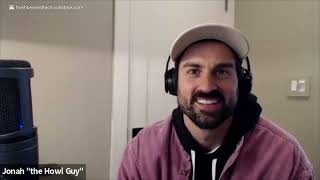
Neal Bloom and co-hosts discuss San Diego's tech scene, covering downtown revitalization, startup funding, space and military contracts, and life sciences leadership changes. They explore AI events, international tech experiences, and local job opportunities in the region.
Fred, he's like you and me chatting with Andy and I was unaware and he was talking about the revitalization of downtown because he was, you know, part of that team for a while. And it's just an interesting experience because that room is full of glass and so you get like ambulances going by every now and again. But Andy was saying a requirement to having a thriving downtown is to have sort of A2 meal system where you eat like breakfast, lunch there or lunch and dinner there. And so if you don't have that setup and there's not a lot of people working downtown that a lot of the restaurants suffer and that kind of takes that whole community economy down. And he's like, that's also kind of why you're seeing a lot of the Sorrento Valley traffic because a lot of people are reverse commuting out of downtown headed up to Sorrento Valley. So you get either a breakfast or dinner later. And that's one of the major struggles of downtown because there's sort of the open capacity for offices and that and that type of thing. But then not enough people are just putting their, their dollars at, in the restaurant scene to kind of revitalize that piece of it. So that's part of one of the, the reasons for the struggle. I'm sure there's plenty more.
Interesting. Yeah, I mean for me being so far like in so far from downtown, both physically and just like network connected like wise, like I just could go a month or two without going down there for a, for the tech business world. So therefore like if I, I kind of make it, I have to make a day out of it. Right. Otherwise I won't even take one meeting down there. It's like I gotta make a stack of meetings for the day. So that day I made a morning meeting, had a lunch meeting with Kren, worked out of, and then spent the afternoon working out of park and market just to be there for that nighttime event. Because yeah, it's very easy to say no to anything downtown and not do it. So I hope, yeah, I hope we can re revitalize the downtown ecosystem, that's for sure.
Startups get the party, Startups get the party started.
You want tech and tacos? Tacos, you know, we got tacos and techies on Smash for the green guacamole keeper counting counting beans Contador Quentan Frijoles founders trying to raise some queso la vida San Diego school of rappy rapping paella tortillas round jalapenos in these Modern times a craft beer and coffee My coding yoga posse fold the body origami we be surfing Coronado eating tacos el gordo the taco stand in puesto lucha libre and sombrero Gotta shout out to cost angels by the ocean Watch the sunset La Jolla shores Entrepreneurs trying to get funded When San Diego Startup week is popping in the summer Ocean side of Tijuana Estee be full of hustlers from couch surfing to penthouses right on the beach. Tech leaders believe stars are within reach. We interview and founders who be shooting for the Moon SD TechOS with your host, Neil Bloom. Come on.
Startups get the party. Startups get the party started. Startups get the party. Startups get the party started. Startups get the party. Startups get the party started.
You want tech in tacos, tacos in tech. You know we got it. Hey.
Startups get the party. Startups get the party started. Startups get the party. Startups get the party started. Startups get the party, party. Startups get the party started.
You want tech and tacos, tacos in deck, you know we got it. Hey.
Welcome back to this week in San Diego Tech with the three legged stool of San Diego tech ecosystem. Honestly, it's so cool to have us all three here together. The how guy, the social coyote, Mr. Jonah Peak. Senor, good to have you here.
What's up? Happy here.
And my co host with the most is back from Hong Kong and Tokyo. Fresh. Fresh and ready to hit it. Konnichiwa. Welcome back.
Thank you. Thank you guys. Yeah, it's good to be back. Jonah, great to have you on the podcast today. Super excited to be talking about the biggest news in San Diego tech this week.
We all have newsletters that are linked in the show notes. We all support each other through making sure that we are amplifying what is happening in the tech ecosystem. Really for you all listeners, we're here to amplify the great companies that you're building. So we're at the service of you and in doing so, you know, we hope that raises the bar for the entire ecosystem. So please subscribe to what we're doing, Please share, we appreciate it and share what you're doing so that we can tell the world about it as well here too. But we got to know, we got to jump right in. Fred, how was your trip? Tell us like this. I think first time overseas in Asia for you and give us a hot take.
Yeah, I mean it was, it was great. I was actually out there for a study abroad program. They sent Me, myself and about 20 other students to learn about commercial real estate and the Asian market. So we took a class. I've also had time to explore the scene there. Went to five days in Hong Kong, five days in Tokyo. It was a great, it was a great time. Apologies, my voice is a little bit, you know, a little, A little rough. But, you know, we're making it through. Glad to be back in San Diego. You know, the weather is amazing this week and glad to be out to attending our attending events again. We had a great event on Monday which was AI focused, which we'll be talking a little bit more about. But yeah, overall had a great, had a great trip and there's a lot to learn from, you know, the Asian country and we can apply that at you that in the US there's a lot of technology advancements. The toilets over there, they have heated seats. The food is really amazing. So it was great. It was a great trip.
That's awesome. Are you jet lag through or are you back to back to normal schedule? You waking up at like 2am getting.
Getting back into it. We were a whole day ahead. So definitely was a different time zone and took some adjustments, but definitely feeling great now.
Favorite food item you had.
You know, everything was pretty good. The ramen was really good. Katsu and you know, nothing I ate, you know, was, was disappointment. I was like really surprised and really impressed with the food there. I assume that you guys have been.
I haven't been in Tokyo. I've been to Hong Kong many years ago, 2008, so it's been a while.
But we did Tokyo for a bit, so I can totally relate to that. Yeah, man. I, I don't know if you did Tokyo first or Hong Kong, but I remember Tokyo just being like overwhelming in the best sense, you know, where you're just like, what is happening? There's so much happening, it's insane. And then you come back here. I remember. I don't know if you felt the same way getting back to San Die Diego, being like, man, how do I get around? There's no trains anywhere. Like, this is tough.
Yeah, 100%. You hit the nail on the head on that one. Yeah, definitely overwhelming. But I recommend if you haven't gone and visit there. Highly recommend.
Amazing. Did you did it? Was it like packed? Like physically were just people just everywhere and you like feel crammed, claustrophobic or just like, like, how'd you feel? Cool.
Fun fact. I mean, Tokyo is the largest metropolitan in the world, so there's a lot of People during the rush hours from 5pm to about 10pm it's the most amount of people, even 8am too. And you know, people are trying to get on the train. It's packed like sardines and once the door shuts, no one speaks. So there's a lot of rules that are enforced in Tokyo and that was one of them. You can't speak, you're not. It's not etiquette to speak on, on the train. So it took some getting used to. But it was great. Very clean city as well, no trash cans around. So that was pretty interesting too. But yeah, overall it definitely takes some. It takes a while to get, to get. Adjust to how many people there are.
Did you. One thing, one thing I took away was like I've never felt so close in proximity to so many people yet feeling like I had so much of my own personal space. It was such a, an interesting balance.
Yeah, I think, I think you have to kind of go and experience it on your own and see what your experience is. I definitely walked away with a few takeaways. But yeah, traveling and having the international perspective is something that highly recommend.
Do they have a text scene?
Yeah, we got to find out. We should all go down there and check out the text scene there.
Well, you came right back to one of the bigger events of like a, you know, Monday night 2025 happening den the Dent AI man. When I looked up midday on Monday they had like 250 registrations. And I got to know this group actually ComicCon last summer when they were throwing a Comic Con event and someone just threw in the startup slack. Hey, I don't want to go to this Comic Con event. I was like, and I was already ahead of Comic Con. And I was like, oh, there's going to be like astronauts talking about space. I'm in. And so showed up immediately met cool people and, and got. And so when they reached out, Steve at Dent reached out and said hey, we're, we're going to do an event. We've never done one in San Diego. We get lots of people at our events. Who should we showcase on the AI front in San Diego. So just started connecting people and an event was born. So it was really cool to see at Parker Market which is easy to host hundreds of people there. But yeah, you did a good article Fred, on your newsletter here. Why don't you kind of walk us through what your take was from the event.
Yeah, pretty much at a high level from my knowledge. You know the DAI is a Seattle based organization. And this is their second event that they hosted in San Diego and this was centered around AI. They had about I think 250 plus registrants. So I was really impressed to see that strong turnout for that at the event. Physically I think there was about probably 100 folks that were there. There was multiple panel conversations around AI, there were startup demos and it was really just the startup community and talking about the latest in AI. Obviously Deep Seek AI just released I think that Sunday evening and so Monday that was top of mind for some of the panelists. We talked about some of the quotes in the article, what was the kind of key theme. So we'll link that and below. But also, you know, you got a shout out, Neil and Jonah for helping promote the event. I think that's the, the biggest theme I took away from it is that we're starting to see momentum build in San Diego, in the Bay Area and also New York. We've seen OpenAI expand their teams. We've seen a lot of startups being started in the Bay Area. And now I'm looking at San Diego. Who are those key players, movers and shakers in the region and we're starting to see that bubble up a little bit. And some of the people that were featured on the panel, including Andy White from Keyship Ventures, who's an active investor. We have Cheryl Goodman who is building a new pre seed AI company. We also had an OG tech speaker as well. I think his name is Aaron, who you told me, Neil, that he had a background starting a former successful company. He also was executive at ServiceNow. So it's kind of great to see a VC perspective, early stage builder perspective and also kind of a legacy AI founder speak about what they're seeing in the space.
Fred, do you remember they were saying something really interesting about the balance or the difference between San Diego and San Francisco as far as like our ecosystem and, and kind of building here. Do you remember exactly what they were getting to? I remember hearing it, being pretty impressed.
It was pretty long, I would say it was a few, a few different things. Some things that stood out to me was that when you go to the Bay Area there's upwards of 500 events a year and some of them, majority of them are AI. Today we look at San Diego, we're seeing probably events once a quarter, there's events every single week. But around startup building and bringing together investors and entrepreneurs, I think it's not happening as much. But you know, the, the positive side of that is that San Diego has a very Collaborative community. And you know, there's a lot of smart talent that are based in San Diego that is overlooked. When people think of San Diego, they think of, you know, biotech and life sciences. But we also have, you know, some, you know, a bustling startup scene here. So I think that's kind of comparison that I heard. But yeah, there was, it was a great conversation. They Talked for about 30 minutes on that topic alone.
Yeah. One thing that stood out to me is that just said about San Diego specifically, it's just well balanced. You know, we have legacy players, Qualcomm and many others. But San Diego being well balanced was. Was something that kind of stuck to me as far as our AI, our, our ability to kind of move forward and be kind of a leader in AI. I thought that was a really cool perspective.
I found it interesting when Aaron was like, you know, in, in sf, I'm. My barista is pitching me on their startup idea, which it's always been the case before when it's. Barista was also your, your Uber driver. Right. Like it was everyone like you, you're falling over, texting and here he's like, he kind of is like, I like that it's not that way. It's like an arm's length separation that I can live here but not like be overwhelmed with the work side. You know there's goods and bads of that in that whole thing, but it absolutely is. I mean is why people move here is for the lifestyle and then the tech scene. Whereas sf, quite the opposite in priorities there. Yeah. Background Aaron. So mindtouch he co founded alongside Steve Bjork maybe 20 years ago now and they had an exit in like 2022 maybe. Yeah, 21. But you know like they were raised multiple rounds of funding and really were a part of the heart of the startup community. 2013, 14, 15, 16 timeframe, multiple of their execs were always in the community speaking, hosting events at their place all the time, whether it was developer meetups or all these other things. So yeah, it was just interesting to think that, wow, people might already not like already not know who Aaron is when he was just such like a focal point in the community. And now he's back running a San Francisco based startup, but living here in San Diego. Him and I and a. You guys will be too are collaborating on like an AI dinner series. So keep an eye on out for that in the future as well too. Let's go through what else we got. Oh, the super bowl is coming up this weekend and in previous Years I used to highlight super bowl ads that San Diego might be doing and I went and had to remind myself which ones we'd seen. Super Bloods from Dexcom. Nick Jonas was the feature of a previous Dexcom ad and Q Health had one in the past, which they are now bankrupt, so so don't expect one from them. At Techcon SoCal last week, two weeks ago, someone asked Cody, hey, are we going to see a Super bowl ad from Trust this year? He said, not this year, but you will next year. So let's remember that to look for trust and will super bowl next year. Are you guys expecting any San Diego companies to pop up this Sunday?
We did see in the past we also saw June Shine, which is a kombucha company. They did an ad I think maybe two years ago. But yeah, I think Trust and World was on my list. So it's funny that he got called out. Techcon SoCal. That's awesome. They've been doing a lot of advertising also Vuoric Clothing. I think they might, may, might show up as well.
Yeah, Vuori maybe an athletic brewing maybe. I don't know. They're doing well enough there, but you don't really see them take a very public stance there. So yeah, might be more of our consumer brands, not our tech companies here. Yeah, so we'll keep an eye out for sure. But the big games this Sunday and next Sunday. Oh, next Sunday. A week from this.
Yeah, they put, they put like the skills match in like actually they're doing flag football now. I know we're not. This is not an NFL show, but I thought that was kind of cool.
Oh, that's funny. Oh yeah, the Pro bowl is always the week before. That's. Yeah, you're right. Well, we can talk about it next week too. We, you know, last week we had a ton of fundings, kind of probably a lot of carryover from December into the January time frame of getting a no. So we've gone through most, a lot of them. But there was one that stood out here on the life sciences side. Biosapien raised a seven million dollar round. A lot of interesting when you go and look them up, they, they raise money from the Middle east and therefore there's a lot of Middle east press saying they're a Middle east company. But I think they're still firmly rooted in San Diego. Maybe just have a customer base and capital in the Middle east as well. But Fred, do you know about Sapien at all or anything?
This is actually just popped up my radar. It's interesting how they kind of qualify this as a pre Series A. I would say this is kind of like a probably a seed round. Yeah, they raised 70. 70 million and. Well not 70 million. 7. 7 million. Thanks for correcting me there. Yeah, it's interesting we're seeing that in the media space today. You know some of these companies are qualified as depending on how many investors, where their investors are based, they will say the company's based there. But yeah, it's great to see that this is a standard based company. I'm going to reach out to find out a little bit more from the CEO and what they do look like they're in the medtech space.
Yeah, exactly. Med tech and kind of cancer oncology area there. But yeah, I would say from a funding perspective I see this stat floating around that companies need five rounds of funding before a Series A and that could mean like two or three pre seeds. Two or three seeds, you know that are called bridges or seed pluses or just brid convertible notes. So yeah, you're hearing every name possible because the Series A is so hard to raise right now. Like it is just such a high bar for companies to get that from investors.
And one thing to add, sorry. There's a big top of mind in life sciences today about how the NIH is pausing distributions or funding to early stage companies. And I know that was something that was really important for early stage startups who couldn't raise that Series A just yet. And you know, stay tuned on that. I think that's kind of a top headline for life science companies today is okay if NIH funding freezes or dries out, you know, where do they go get that non dilutive capital? So that, that was pretty interesting too.
Why don't we actually we were going to. That's part of our agenda here is to talk about what we're already seeing in 2025, what we're already seeing from the effects of the administration. Why don't we just keep continue that conversation there Because a lot has changed in the last week. It's literally 10 days since inauguration and you know, pretty much dozens if not maybe 100 EOs have been signed completely changing the way the executive branch is running things. Including a complete pause on on all spend unless it's VA or military related or border related. I know on the NIH side, you know not just a freeze on spend but freeze on all external meetings. And so actually one of my co organizers of the AI Bio meetup was originally not supposed to make last week's meeting because he had a meeting in Washington with NIH and he said, oh, my meeting was canceled. They've got a freeze on all external meetings. Anyone outside nih, NIH can't meet with right now. So that's affecting, you know, change of pace for these companies. Imagine and think of San Diegan companies who are working with fda, Department of Energy, epa, dod. These are all customers. Also grant and SBIR funders like this. This has a significant effect on a large part of our GDP and the kinds of companies that are building and who their customer is, which a lot of them are. Even the government itself, which in the doge world, which the Department of, you know, was it government, Government Efficiency. Efficiency. That's happening. Like there's going to be, oh, there's gonna be significant layoffs. Like, they've actually already offered all 2 million federal employees an early buyout, meaning a severance, like, hey, leave now and you get paid through September. Well, what if those are the. What if the people you've been working with at the faa, you know, for your aerospace company are suddenly gone? So, you know, all these things are still in flux and in flux while the founders live in orderlo flux at all time. Like we. It's tough when the other side of the chair is now also in flux as well, too. So what do you guys. You guys getting a sense?
I. I mean, I think it's going to be interesting to see how it plays out because like you said, on the one hand, it's slowing down the progress. On the other hand, some of the whispers, at least I'm hearing, are that a smaller government's going to try to pull in a lot more from the private sector. And so I don't know if that's an opportunity for some of our businesses to kind of come in and fill these gaps if there's less sort of, you know, government officials doing some of the work. So I don't know where those places are going to be. I guess like you had said, there's sort of a elective. If you want to kind of bow out, you'll get, you know, pay till September. But I don't know if that's like pushed on. Maybe you do, but pushed on certain sectors or if it's like anybody, let's just shrink this thing in general across the board. But it's sounding like private sector has opportunity if you're in the right place and are kind of working on the right solutions.
Yeah, I think it's, I mean, it's always been about if you're selling like military, you always needed to have some congressional support. You know, you need to show that your product's going to support multiple jurisdictions and that Congress person is going to go to bat for you because you know, there was that. That part will be interesting as well. Like does Congress still rule by the budget, you know, or is the budget going to be set differently? I mean, Congress still has to approve budget, but is it no longer going to be that, hey, we have to spread the money across all 50 states to make a program work in the military, aerospace or other areas here? What does seem to benefit San Diego is the new administration's huge priority on infrastructure related to data centers and energy. So, you know, stargate is this $500 billion moonshot. Honestly, I mean, it's like more money. I think I saw a stat that it's more money than what was spent on the space program, Apollo program to get to the moon. And with that means modernizing the energy system. So not just focus on nuclear, but all aspects, every energy which I think benefits San Diego from a lot of our energy areas as well as the hardware, chip and other pieces of infrastructure. And so, you know, that's an area where they're spending a lot. Right. And theoretically might take regulation away to approve technology faster. You know, if, if it takes 20 years to get a new nuclear plant online, maybe they're going to cut it down to five years or something like that. Some of that, like the regulation cutting I think could benefit San Diego companies and therefore San Diego industry as well too.
Well, that might be an interesting segue. I don't know if, if you wanted to jump to this one, but the ViaSat's NASA contract might be related really well to this. I don't know if you saw they, you know, they're selected for 4.82 billion to enhance the satellite communications for future space missions. But it's essentially kind of like a bias that we use, like a real time Earth network. But what I thought was kind of nuts is the system that they're using was from 1983 in the past. So you know, it's like you need to maybe do a little bit of leveling up. But you know, that's a pretty big, a big chunk. I don't know how far that goes, as far as what they need to kind of upgrade a system like this. I mean, 4 billion, 5 billion sounds like a lot, but maybe that doesn't go that far with when you're talking about satellites and that type of infrastructure. But I thought that Was really interesting to kind of just think about, you know, there's private sector solutions to support, you know, space stations, telescopes, climate studies. So it's kind of touching a lot of different things. It's cool that I never really think about viasat doing that because we sometimes think about just the airplane Internet, but it's so much bigger than that.
Oh yeah, viasat is this huge space. I would say their biggest space company related in San Diego. Their satellites cost between 1 to 3 billion dollars a piece. They've been in trouble because their last satellite failed and really put them in a hard, hard position from a communication standpoint. And they compete directly with SpaceX, with Starlink. While Starlink puts up 6,000 satellites to cover the world, they put one satellite that can pretty much do 2 to 3,000 worth of a constellation. So they just have a different approach than Starlink competing directly. But actually there's another story out about how SpaceX and Viasat just partnered on a project together, which is a good thing to see for, for viasat because if they're going head to head with the Doge in chief, Elon Musk, who is now part of the government, I see that as a problematic maybe so good to see ViaSat finding new contracts to stay alive. But, but in terms of size like NASA's budget per year is sometimes between 15 to 20 billion dollars per year. So to see a $5 billion contract is I would say is massive for anything NASA related. So this is a good sign as a, you know, I'm not saying like lifeline for viasat. Not sure that they're that far, but they, they definitely with losing that satellite has been hurting them big time.
Yeah, well that, so the one of the scoops is that satellite was only, is partially operational. I was talking to someone over there and it's just, they're able to get, you know, bandwidth throughout the network but they're getting, they're like how do we account for this thing not being exactly what it was supposed to be? But it's crazy unreal as a billion dollars. My gosh, that's, that's such a. Because they're saying it opens in stages, you know, this, I don't know but you know, it's like if one stage goes, then the next and the next and if you miss something in the middle, it's like, all right, well we just lost, you know, a huge percentage of our, our satellite capacity. Kind of crazy.
Yeah, well, hopefully learn from that for their next satellite, which I know they've got in production. Another let's, let's just stay with space for now. There's another. So viasat Carlsbad, another Carlsbad company has a lunar mission currently happening right now, the Iridia company. It launched a physical crypto wallet to the moon, which is pretty cool. I think Iridia is a new fund portfolio company, if I, if I remember right. So I think that's company me and a few others are involved with through new funds. The Iridia itself is a molecular wallet. So they kind of are using the, the, the essence of DNA in terms of how efficient DNA is in like space saving. You know, think about like saving of massive amounts of data. They use that kind of approach to their data, their physical, you know, hard drive system. And so to prove that they put a kind of a crypto storage wallet and memory chip that's got private keys and to prove that it can survive like harsh environments like space. So they've got it up right now, headed there and will be on the moon I think within the next few days. If I read this article, right? You guys see this one?
Yeah. They said it's built to last thousands of years to think about like, you know, you're like, what's on there? It needs to be. But yeah, that's, that's a really, really interesting. So is Solana Labs, is that out of, is that Solana or is that related to the, the token? Am I, what am I reading there?
So they probably are built on Solana. Solana does not have an official San Diego presence right now though. The founders of Solana were Qualcomm employees and named the Solana Token, you know, or coin off of San Diego. But I think the Solana piece here is that their, their wallet is built on the Solana. Oh, I think they partner with Solana Labs to get a grant for this. So yeah, it's a grant from the Solana foundation to help get this up into space alongside a alcohol spirits trading platform, Baxis. Yeah, which is kind of interesting. So anyway, interesting story here. We will link to it here from the Santa Business Journal. But just interesting to have two Carlsbad companies focused on space.
One really, really quick extra detail that's kind of interesting is, is. Well, it's funny that it's going to space because they're using this for authentication and supply chain. So it feels like a very different, you know, different application. Yeah, the, the alcohol example is a quite interesting one, but maybe that's a whole different rabble there. There's the ability to own something really, really Expensive without actually not without having to take possession of it. So you could kind of say, you know, that expensive whiskey I own in a vault over there? And then you can actually buy and sell it without taking it into your own possession. If someone wants to drink it, they know who owns it. They could go, you know, be deployed to them or whatever. But you could own it and never have, never see your own bottle, but know that it's kind of attached to you via this tracking system. So I don't know, it's interesting. It's interesting to put on the moon, but it also, it's kind of cool because there's some pretty interesting applications kind of here too.
Yeah, totally. Fred, you want to. Let's move to the, the Northrop one on the military side, kind of sticking to space and military. Northrop, which has a big presence in San Diego, won a $40 million Navy contract to focus on signal jamming, which is protecting troops for roadside bombs. Work's going to be done in San Diego here. I think the signal jamming world was definitely woken up from the drone stuff that we're seeing. Ukraine, war and even like Middle East Houthis versus the Navy in terms of one like the ability to take really light and commercial off the shelf electronics, communications and actually be very disrupted pretty easily as well too. So doing, you know, big military level kind of work is not north of bread and butter. Any takeaways here for our aerospace talent pool?
It was a great piece by Brad Graves at the Business Journal. We'll link it in, show notes. I think the deal was valued around 161 million, so it's pretty sizable. North and Grumman, Yeah, they're one of the leaders in, in the space. So it's great to see some progress there.
Yeah. And you know, combining Northrop, which not headquartered here, but builds a lot of different systems in San Diego from drones communications electronics, and also partnered on this is Lockheed Martin, which I don't think has a very big San Diego presence around this a little bit, but they're involved here as well too. So, you know, we talk often about, I think we talk a lot about tech and hardware, but some of the part that we, that is kind of in between is the communication stuff like viasat is a communication company is how they call themselves, even though they've got a satellite and, you know, they've got a way of communicating with individual, you know, airplanes, boats and that kind of stuff. But in communication is actually a big bread and butter piece in San Diego and that is a Hardware and software that goes together. So kind of interesting. Just kind of highlight that and talk about what we're, what our skills are here. We want to go to our last story here about Biocom.
Yeah, let's do it.
Let's do it. Yeah, so I can kick this off here. So Natalie Rocha, she's been doing a great job of covering the life sciences ecosystem for the last year, year plus or so. She did a great piece highlighting Joe Panetta, who is the former CEO of BioComp California. They have recently appointed a new CEO, Tim Scott, to take his role after 25 years. So yeah, the headline was Joe Panetta oversaw the growth of San Diego's biotech scene for 25 years. Now he's passing the torch. Jonah, Neil, do you guys want to comment on this story? This was pretty, pretty big news for last and people knew about this change happening for a while. And I, I do know that, that he's going to stay on and involved in Biocom in some capacity for kind of like a chairman role.
I believe it's a huge change in the guard. I mean to be in one role pretty much for 25 years. Like he has been, you know, not just behind the scenes but out front being the face of the life science community in San Diego for so long and therefore is everywhere else too, you know, on EDC's board and on, you know, everything. So it's just a big change in the guard. I think Tim Scott is of, I mean Tim being most recent chairman of Connect, having I think a few biotech exits of his own, very much representative of kind of the new guard of not just entrepreneur but ecosystem builder in that regard. Right. Like Tim has completely advocated for combining of Sano Venture Group and Connect. He like really like behind the scenes made that happen with Eric Otterson. And so now to be in a formal face leadership role for Tim, not just kind of working behind the scenes to connect the scene and build companies. It makes sense for me and it's a great face for representing the life science community. It's just, just a change and maybe a healthy change to be honest in San Diego to have new blood and new energy and interest in just leading forward. So congrats to Tim and thanks Joe for everything you've done. Why don't we go to our new section, Howland Jobs by Career Coyote. Jonah, what have you seen in the last week that's caught your eye for hot tech jobs in San Diego?
Heck yeah. Hell yeah. So no, I think, I think there's a couple things that are kind of an interesting thing to pay attention. I mean, I think for people that are, you know, it's easy to work remote anywhere you want. But I think if we pay really close attention to some of the companies that are focusing on hardware or, you know, military in person, anyone who kind of wants boots on the ground, there's a lot of roles that are open, but there's also starting to see a little bit of a trend for people. Just people want at least, people want someone to come in at least part time. So you can kind of see Zylo. I put a post out about Zylo today. I was talking to John the other day. They're hiring for, for a bunch of insuretech jobs. He wants all eight of them in San Diego or at least seven of the eight, which is, you know, not, not required by the role, if you look at the role type. But he just, he wants to build this team here. And so I think culture is starting to get a pretty, a pretty high level of interest, which is super cool to see. So the other thing that we chatted about before last week, Neil, and definitely I would say follow Fred and what he's posting and Neil, what you're posting about rounds being closed in races, those are really good places to put on your list a little early and trying to say, hey, they're going to be putting out some wrecks, so figure out why, specifically why you want to work there. Try to understand that network. Some people that work there even before those roles come online, you're going to save some people a ton of time if they know that you're a great fit before the rec even opens. But those are kind of some, some, maybe I wouldn't say shortcuts, but some things to pay attention to that might feel like an outlier is just closing rounds and who's actually turning screws on products in the city.
Yeah, and we, you know, we've kind of are like early indicators of that, of what we're doing here. Right. We highlighted their series A Raise just a few weeks ago, which, by the way, like how it works. John tipped me and Fred off in Twitter dms, right? Being like, hey, actually I think I was with him when he was typing it to you, Fred. So we both knew that he was like, hey, just close my series A. Gotta get the word out. Gotta start hiring. Right? And then we're like, great, when can we start sharing that? You know, on this podcast and on Fred's blog, you know, and then here we are a few weeks later. Being like. And now they're hiring here, the open roles. So, you know, this is how, this is how it works and we're here to help share that. And yeah, if you're interested in. Sure. Tech, if you live or want to work in north county, by the way, Zylo works out of downtown North Carlsbad. John is there like 22 hours a day, by the way, so try to outwork him. You can't.
Don't do it.
And you know, it's great to see a company that wants to build and build in person and you know, that's their culture and that's what they're. They're sticking to. So super cool in that regard.
I'll give a shout out, a kind of shout out to just Jonah for this initiative. It's really cool to see you have an idea and execute with speed. I looked at your first, you know, first issue and I saw a lot of familiar names who were hiring. IPOP, AI Shield, AI Gretel, AI ClickUp, CarlsMed. I think it's great. If you're looking for an early stage company to join, this is a great resource to check out. I'd like to push back, Jonah. I like to see more the big tech jobs too. Qualcomm, Illumina. Not Illumina, Apple, Intuit. I'm sure they're hiring too. So we have a lot of jobs in San Diego. If you can't find them, reach out to us. Talk to Jonah. Keep it the. Great work.
Love it. Hell yeah. Thanks, man.
Yeah, it's super cool to see we've got a link to it. It's a separate newsletter, so make sure you're following for events from Jonah, from Social Coyote. And then sign up also for how and jobs. I think they're both linked. If you go to either one of those, you can also sign up for the other there, right?
Yeah, well, we'll make it easy. Speaking of, speaking of events, Neil, you want to. We talked about life in action. You want to give us an update on that? And then we got founders, the hike coming up.
Yeah. Life in Action by Carlsbad. We're kicking it off with a joint. So Carlsbad, Life in action, they have once a month is like tech. Then next is life science. The next is sports and active lifestyle. And it kind of rotates through. This first one is actually a combination of the tech and the sports and sports and active lifestyle because it's that fashion file which represents a bit of both. They've got a lot of tech that goes into, you know, verifying the, the purses and all the resale items. And then they're a fashion brand, like they're representing fashion brands and, and work with every, you know, brand out there. So Fred and I did a, a small gathering there a year and a half ago. I think it's been now. Wow, Sarah was so awesome and said, hey, I want to try it again and open it to, you know, a bit more of the Carlsbad community. So February 4th, come on out. I think we're actually getting close to full on that, but we'll let a few more in there at Fashionphiles so you can get to know this. Honestly, major, major company in north county doing some major work that's still completely hidden off the radar. So it's cool to be able to showcase that. We just, we've already got the next few months events coming up in gaming and in biotech manufacturing. So we'll keep sharing the Life in Action series as they come out. But yeah, founders hike. It's already, it's already happening. It's February already. It's crazy. So come out early. 6:30, Torrey Pines glider Port. And actually one of the members from the hike last month, he's got a little startup he's working on that does visual tours of places and spaces and he's like, hey, could if I made a video of the hike, would you put it on? And I did. So go now on the hike page, which we'll put a link to. You can see what the hike is like beforehand because I know it's new spot. It's a little bit of sweat work compared to our other location. So you can go and see what the hike is. And so yeah, come on out. February 7th. Before then though, we've got the application period is coming up soon. February 2nd for the founders Institute San Diego chapter. Mike Shcherbakov and team are doing a great job of educating people on what it is to be a founder. And he said last class there was a hundred people, 100 people in the cohort. I didn't know it was that big. Now this will be 120, which is insane. And so you know there's a link there in the show notes to go and apply for it. I already heard some of my SDSU incubator zip incubator students are applying, which is cool. Yes, it is paid but they do actually give grants. So don't think that just like the pay part there, which they need to just run the program to be honest. But there is a Grant or waiver if you need it. So look into the program first. You know a lot of success stories of people who've met their co founder. In fact, my Interlock business partner Al Bashira met his tech original tech company co founder Brian hall in founder institute like 15 years ago. So there's a lot that comes from just leaning into a community that teaches about what it is to be a founder, what is the startup world. And this is where you can get educated about that from a ton of mentors throughout the year. So make sure you apply by this Sunday, February 2nd. And that's our show. This was one with the three of you. I feeling like we should keep. Keep trying doing it here. Maybe we'll keep adding people to it. You know, I think we've already. Joan and I may have promised Hussein to come on at some point in the future as well too, because, you know, it's a little bit of like the new class of the startup community leaders right here. So it's an honor to do it with you both. Fred, it's great to have you back in the country and to all of y', all, we'll see you out in the community, we'll see online in the slack groups, but make sure that you are subscribing to Fred and Jonah and the Fresh Brew tech substack so that you can see this, you can share it and keep sharing your news with us. We are trying to do our best to promote all the good things that are happening in the community. But if you can share what you're doing, what you're working on, and what you want to see more of from us, we're all ears. Right? This is our startup, the community. We want to iterate, try new things and make sure that the whole community gains because of it. So thank you guys. It's an honor to do it with you guys here too. Friend.
Jonah, always a pleasure.
Thanks, Neil. Welcome back, Fred.
Thank you.
Startups get the party. Startups get the party started.
You want tech and tacos, tacos, tacos and tech is all smashed for the Greek guacamole keeper Countins counting beans Contador Quentin Frijoles found us trying to raise some queso la vida San Diego school of rappy rapping fire tortillas round jalapenos in these modern times of craft beer and coffee My coating yoga posse fold the body origami we be surfing coronado eating tacos el gordo the taco standing puesto lucha libre and sombre Gotta shout out to cost angels by the ocean, watch the sunset La Jolla shores. Entrepreneurs trying to get funded when San Diego Startup Week is popping in the summer. Oceanside, the Tijuana south be full of hustlers from couch surfing to penthouses right on the beach. Tech leaders who believe stars are within reach. We interview and founders who be shooting for the moon. SD TechOS with your host, Neil Bloom. Come on.
Startups get the party, Startups get the party started. Startups get the party? Startups get the party started? Startups get the party? Startups get the party started?
You want tech in tacos, Tacos in tech? You know we got it, hey.
Startups get the party, Startups get the party started? Startups get the party Startups get the party started? Startups get the bottom party? Startups get the party started?
You want tech and tacos, tacos in tech, you know we got it, hey.








