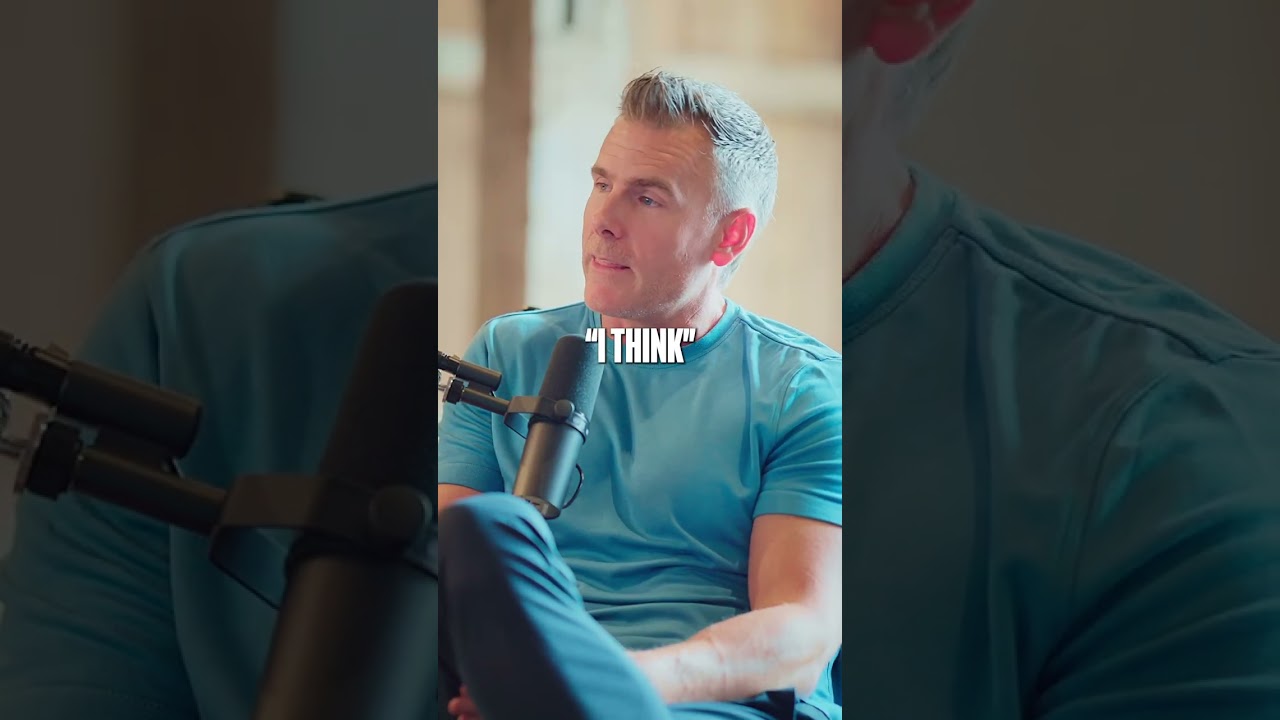
In this brief monologue, the speaker argues that personal physical fitness and a well‑kept appearance serve as powerful signals of trustworthiness and competence. He claims that observers instinctively associate being in shape with good decision‑making and the ability to handle stressful, high‑stakes situations. Consequently, people who look healthy and composed are more likely to be entrusted with important problems and offered life‑changing opportunities. The speaker frames this as a natural, brain‑based bias: if someone appears sloppy or stressed, others will doubt their capacity to manage hard challenges and will avoid assigning them critical tasks. By prioritizing health, one projects willingness to tackle difficult work, thereby earning the confidence of high‑performing individuals.