In this YouTube clip, speaker Nick Kugelman explains a user‑research exercise called “simulated shopping.” Founders and executives bring a product idea they believe is clear, then the facilitator shows the concept to strangers. The strangers give candid, often surprising feedback that frequently contradicts the founder’s assumptions about features, desirability, and target audience. The facilitator remains unbiased, encouraging honest opinions and asking participants what they would use instead. These insights trigger “eureka” moments for the client, revealing alternative solutions and shaping the final product’s design, packaging, and go‑to‑market strategy. The overall message is that direct audience testing is essential for building products that truly meet user needs, rather than relying on internal intuition alone.
Chapters
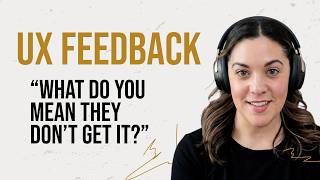
Folks will come in with what they think is a very clear idea about what they want and what they need and their audience for that. And then we'll, we'll run this exercise called simulated shopping. And it's a research exercise where we actually take their idea and we start showing it to strangers. And what we experience during that is very interesting because there's always these moments where people are, are telling me vastly different things than what the founder or the executive came in and told us. They want the product to do or what they think the product is. And we show these clips of the interviews to clients and they're like, what do you mean they didn't get my idea? What do you mean they don't like my feature? And so I think in that case, it's always very interesting for folks to, to get that feedback. And with us being like an unbiased person, like we're not the ideation space of the founder or the executive coming in to work with us. We're just like, hey, you know, you can come in and chat with us and just be honest. And we always, we tell people like, be yourself and just let us know what you think of this. We get a lot of very candid answers and people will flat out tell us that like things are not a good idea. I would never use this. And then we'll ask them, well, what would you use instead? And what they come out with is always very interesting. And when we take that back to the client, it's interesting for them. They have a eureka moment to use Billy's language, but then it also helps shape the end product of what getting that product out to the user actually means and what they actually want and how they want that packaged. And that's going to be a lot more successful than just getting whatever you think the user needs. Like, you really have to go out and talk to the audience and make sure that you're talking to the right audience and you're actually bringing them something they're really going to need.