Does Meat Cause Heart Disease? The Truth About Histidine and ImP
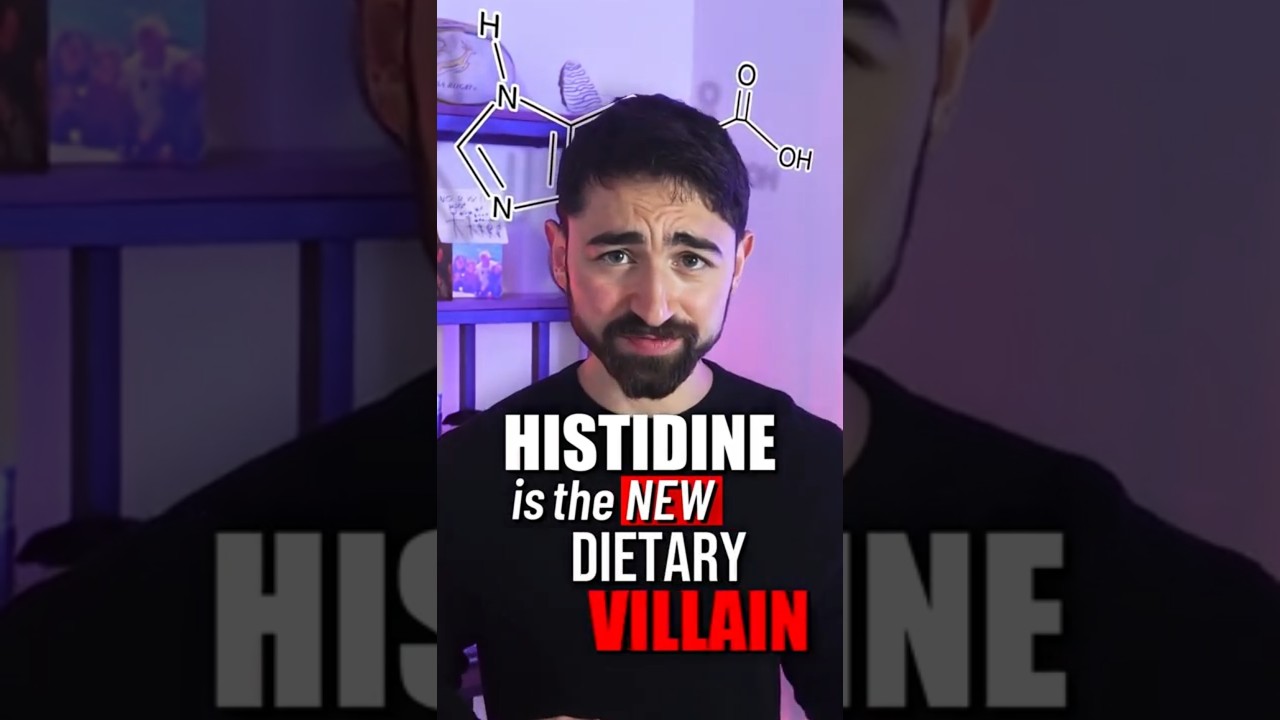
In this YouTube explainer, the presenter debunks the viral claim that the amino acid histidine—abundant in meat—is a direct cause of heart disease. The speaker clarifies that the recent paper actually identified imidazole propionate (IMP), a metabolite produced by gut bacteria from histidine, as the culprit. Two large human cohort studies showed higher IMP levels were associated with poorer blood‑sugar control, increased inflammation, and greater atherosclerotic burden. In mouse experiments, administering IMP accelerated plaque formation without altering cholesterol, primarily by disrupting insulin signaling through activation of the mTOR pathway. Crucially, IMP concentrations were unrelated to dietary histidine intake; they depended on the composition of gut microbes that convert histidine to IMP. Therefore, reducing protein intake—whether animal or plant—is not the solution. Instead, the speaker advises supporting gut health by eating whole, minimally processed foods, managing stress, and avoiding ultra‑processed products to keep IMP production low.










