How to Choose REAL Extra Virgin Olive Oil: A Practical Guide
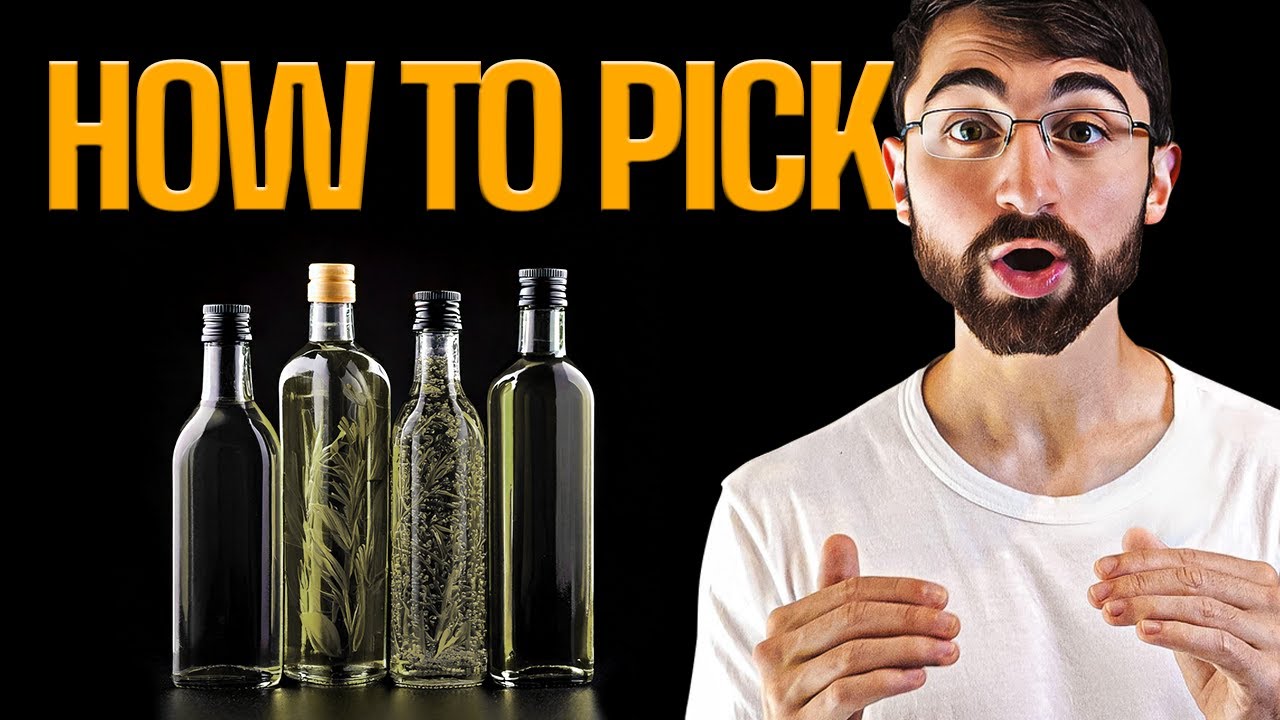
Nick Norwitz explains how to spot real extra virgin olive oil. Look for dark glass bottles, a harvest date within 24 months, origin information, and seals from the California Olive Oil Council or Extra Virgin Alliance. Much commercial olive oil is oxidized or adulterated, so the cough test reveals polyphenols that signal quality.
Chapters
All right, I'm about to talk to you all about olive oil and how to pick the best one. Now here's a question: why should you trust me? Because I'm a doctor? Because I'm a scientist? No, you should trust me because I love olive oil. I'm kind of an olive oil snob, but you're going to benefit from that in this video. So let's learn. Is your olive oil actually extra virgin or just extra fake? Most people don't realize that up to 80% of extra virgin olive oils on store shelves aren't actually extra virgin. They're often oxidized, stripped of their healthiest compounds, or even cut with cheap oils like soybean oil or canola oil. And that means, practically speaking, the oil you think is fueling your health might actually be undermining it. But don't worry, today in this video, I'll show you how to spot the frauds, pick the best bottle of olive oil for yourself, and even put your olive oil to the ultimate test. But quickly, has anyone ever actually told you what extra virgin olive oil means? And I promise it has nothing to do with whether an olive has ever mingled with a cocktail weenie. Extra virgin means the oil is extracted using only mechanical methods, generally a cold press, without any heat or solvents, that it has lower acidity, and that it has not been cut with other oils like soybean or canola, and that it meets other standards ruling out other defects. And meeting these standards helps ensure the quality of the fats in the oil and the presence of anti-inflammatory compounds in the oils, which we'll talk about later, one called oleocanthal, which is really important. So the big question is, how do you find authentic extra virgin oil on a shelf full of adulterated frauds? Here is how you press for the truth. Step 1: Only buy bottles that are dark glass or metal. This is because the oil gets oxidized by light and plastics can dissolve into the oil itself. So if you see a plastic bottle or a clear glass one, leave it and move on. Okay? Step 2: Look for a harvest date, particularly one within the last 24 months. Just because an olive oil is in the correct container, dark glass or metal, doesn't mean it's the real deal. The second step in finding a true extra virgin olive oil is to look for a harvest date, and I do emphasize that word. Alternative acceptable terms are pressed or crushed dates. They're telling you when the olive was actually crushed to make the oil. A best-by date is arbitrary, and in my opinion, not good enough on its own. Unless the oil passes step 6, which is coming up. Generally, good suppliers will tell you exactly when the olives were harvested/pressed to get the oil because they know olive oil should be consumed within 2 years of being bottled, so they'll just tell you when they harvested it or pressed it. Alright, 3: Price matters. This one is a sucky reality, but real extra virgin olive oil is expensive to produce. So you should expect the good stuff to cost in the range of, and now I'm ballparking here, $10 to $40 per bottle. There are, of course, higher-end oils that, like wine, can be way more expensive. And while I realize the volume of the bottle does matter, I still include $10 as a lower threshold. You'd be hard-pressed to find a real extra virgin olive oil for less than that. I'm sorry. When it comes to olive oil, you generally get what you pay for. Okay, that was step 3. Now moving on to steps 4 and 5, and I just want to emphasize, these are nice-to-haves, but rare to find. So I wouldn't make much of their absence alone. But anyway, step 4: bottles packaged with inert gases on top. If you can find an extra virgin olive oil packaged with nitrogen or some other inert gas on top of the oil, that is awesome. The inert gas displaces oxygen, slowing the oxidation of the oil so it stays fresh for longer. Step 5: Generally, the more information on the bottle, the better. If you can find a bottle that tells the story of the oil, the type of olive, the country of origin, etc., that's a great sign. For example, look for a specific region where the olives originated. Lesser quality oils are often blended from all sorts of regions, all sorts of countries, but the most delicious and healthy extra virgin olive oils celebrate a specific place. While you don't want a transparent, a clear bottle, you do want a transparent supplier who is confident enough to share the details of how their product was produced and how you can test it for yourself. Okay, 6: reputable 5. Seals. If after all these 5 steps you still lack confidence in your oil selection abilities, there are some seals of quality that you can trust, including the Extra Virgin Alliance seal and the California Olive Oil Council seal . These are seals of approval, and either of these seals indicates that an extra virgin olive oil has passed a series of chemical analyses and professional sensory evaluations. So, you can trust, if it has these seals, the oil is a real extra virgin olive oil. That said, to be clear, not all real extra virgin olive oils have these seals, but if you see them, you can trust them. Now for a quick but tasty diversion: olive oil cured my vision! I'm just kidding, contacts. But in all seriousness, I was a little hesitant to include the following plug, because it kind of makes this video redundant, at least somewhat. But honestly, I just want the best for you when it comes to food, flavor, and education. So I wanted to introduce the Olive Oil Lovers Club, quite appropriately named. This is more than just a store. It's a community of amazing people obsessed with amazing olive oil. It was founded 13 years ago, and the platform is all about top oil quality, pure extra virgin olive oils, and helping you learn to appreciate them like a pro. You can shop by country, Italy, Spain, Greece, South Africa, and more, or take advantage of trending deals, or better yet, join the Olive Oil Lovers Club, like me, and get a premium bottle delivered to your door every month. If you love olive oil or think you might want to, this is a small investment in your health and a big gift your taste buds. Just check out my affiliate link in the video notes if you want to explore the world of truly great olive oils. However, the seals don't allow you to rank the best olive oils amongst each other. The best in terms of health profile, but also in terms of flavor profile. Yes, even among real extra virgin olive oils, some are more virgin than others. So if you want the best of the best, you need to put the oil to the taste test. Okay, step 7: the cough test. Here's how you perform this test. Start by pouring about a tablespoon, or more if you really like olive oil like me, into a lid, bowl, or cup, and swirl it around a bit to get the oils on the wall of the container and increase surface area and fragrance. Then drink it up. It should taste fruity, bitter, or pungent. Different oils have unique flavor profiles, they should, but they should never taste musty. This is difficult to explain verbally, but I promise if you do this skill, if you practice this skill regularly, you will develop it and be able to taste the intricacies of the oil like a wine connoisseur, but an olive oil connoisseur. But most telling of all, it should have a peppery sting in the back of your throat. In fact, top-tier olive oils are sometimes referred to as "to cough" extra virgin olive oils because it has such a strong peppery kick that it makes you cough not once, but twice. So what's with this cough thing? It all comes down to a substance in the extra virgin olive oil called oleocanthal, from the Latin oleo meaning oil and canth meaning sting. Oleocanthal is not only an anti-inflammatory polyphenol found in the olive oil, but it's also an ideal litmus test for a good quality oil. Although there are about 36 or more different polyphenols in extra virgin olive oil, Oleocanthal is the only one that causes this peppery taste, and specifically in the back of your throat because this is the area enriched in what are called TRPA1 receptors to which the oleocanthal molecule can bind, causing just enough irritation to make you taste— a peppery taste, and perhaps cough, hence to cough oils. And as a cool health bonus, this oleocanthal molecule may reduce the risk of cancer, Alzheimer's disease, and a myriad of other chronic diseases. So enjoy that cough. So if you really want to know if you're getting a super high quality, super healthy extra virgin olive oil, search for that peppery kick in the back of your throat. It's a good sign. In conclusion, my olive lovers, don't let bad oil leave you feeling pressed. Remember, dark glass or metal bottle, recent harvest date, a price that makes sense, and if you're lucky enough, a spicy cough-inducing finish. And if you found this video enlightening, please make sure to press that subscribe button and turn on notifications. I promise I'll keep delivering fresh-pressed, high-quality content. No filler, no fakes, and no promises on my virginity either. Stay curious, have a good one. I hope you found this helpful.










