Lp(a) is a genetic lipoprotein that raises heart disease risk, but you can't change your level. An MD-PhD explains three things that help: keep your waist-to-hip ratio below 0.9 (men) or 0.85 (women), try ketosis through low-carb eating or fasting, and take vitamin C to make Lp(a) less sticky.
Chapters
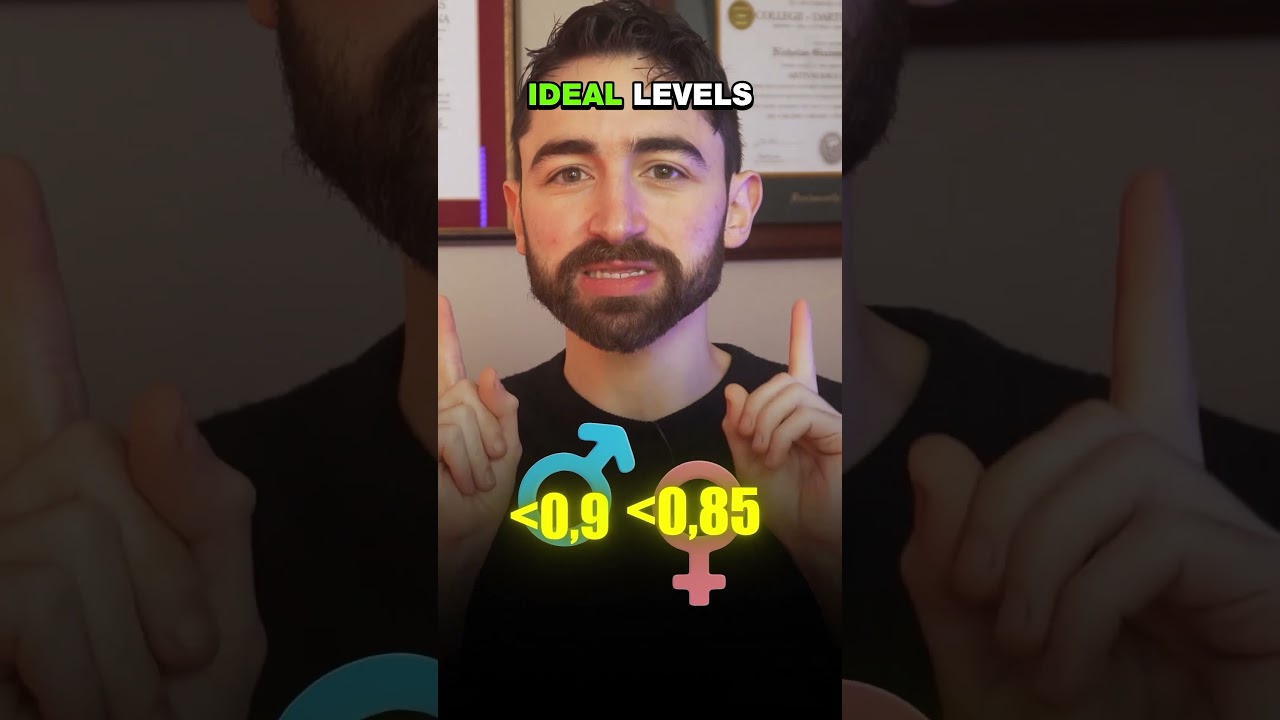
As an MD-PhD researcher obsessed with lipidology and heart health, here are 3 tips you need to know if you have high Lp, like me. First though, a quick primer: what is Lp? Lp is a lipoprotein particle that floats around in your blood and is particularly atherogenic—way more atherogenic than LDL particles—and it's 90% genetic. But you can lower the odds that high Lp actually turns into high cardiovascular risk, Here are 3 levers to pull. First, aim for a low waist-to-hip ratio, indicative of low visceral and abdominal fat. Research shows that those with a lower waist-to-hip ratio, even if they have higher Lp, have basically no increase in cardiovascular risk. Target levels less than 0.9 for men and less than 0.85 for women for ideal levels. Second, consider strategies that induce a state of ketosis. This could be a very low-carb diet or fasting. Mechanistically, one way Lp contributes to vascular dysfunction and increased heart health risk is by impairing nitric oxide signaling, and increasing oxidative stress within artery walls, and ketosis can help restore this process to a healthy balance. The actual mechanism is pretty complicated. It is interesting, but includes jargon bombs like tetrahydrobiopterin. If you want the details, I'll link them below. And third, vitamin C. There's an evolutionary hypothesis, the Pauling postulate, that L-patidyl A may partially substitute for vitamin C in humans. There's even data suggesting that vitamin C may make Lp less sticky, potentially lowering its atherogenicity, even if the lab value doesn't budge. Now, if you want the deep dives with all the nuances, I'm linking 3 deep dives to this Short. Yes, high Lp is genetic, but whether or not it becomes dangerous is up to you.