Microbes over Mind: New Research on Microbiome and Mental Health
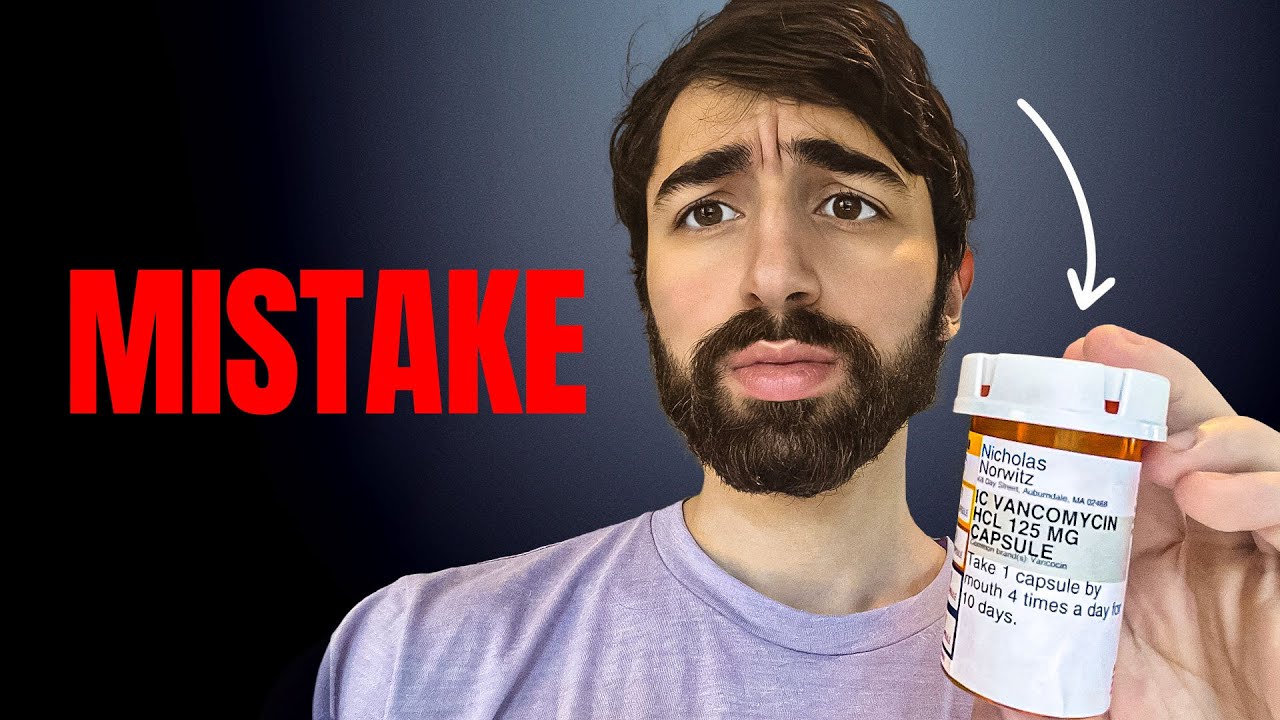
A speaker describes severe depression after a ten-day antibiotic course, then presents a Cell Metabolism study showing gut microbiome rhythms directly control brain gene expression, stress hormones, neurotransmitter levels, and behavior in mice. Fecal transplants at different times proved causality. The pathways are conserved in humans.
Chapters
Recently, I accidentally gave myself depression. To make a long story short, I just had to undergo aggressive antibiotic therapy for 10 days. It was super unpleasant. And while the diarrhea sucked, and it did, worse still were the mood changes. As I purged my microbiome, I noticed a distinct depression, a hollowness, a loneliness, an emptiness. That was particularly bad when I woke up in the morning. Now, I do not mean to diminish the experiences of those living with crippling chronic major depressive disorder, but for me, this was a really distinctive experience, one I'll definitely remember, and everyone around me noticed it. I just wasn't myself. And when I stopped the antibiotics, within 2 days, I was back to my normal mood status. Which is I think relatively chipper at baseline. So what gives? What happened? Well, coincidentally, shortly after I recovered from my self-described antibiotic-induced depression syndrome, a paper was published in one of my favorite journals, Cell Metabolism, that made me very happy and cast a new light on my experience. This new paper shows how rhythms in the microbiome can causally impact brain activity and stress responsiveness, with clear implications on mood status and mental health. To be more specific, fluctuations in the microbiome change the expression of genes of your DNA in your brain, in brain centers that govern circadian rhythm and the hypothalamic-pituitary-adrenal axis, which controls cortisol and stress hormone rhythms. And screwing with the microbiome, as through aggressive antibiotics, literally screws with patterns of gene expression in the brain and downstream fluctuations in whole-body stress responsiveness and behavior. Now, while these causal mechanistic data that we're going to talk about do need to be collected in animal models, there are strong and clear clinical ties. As these physiological pathways are conserved across mammals, from mice to humans, and more to the point, many human mental health conditions are characterized by microbiome dysbiosis— imbalance— and dysregulated circadian rhythms. But with that, I want to dig into the data with you. One of the first things the researchers did in this paper is highlight the natural rhythmicity of the microbiome and the stress response axis, the hypothalamic-pituitary-adrenal axis, where your hypothalamus tells your anterior pituitary to release a hormone that tells your adrenal glands to make cortisol, the stress hormone. Now, it's really important to note that the brain centers involved in circadian rhythm, including the suprachiasmatic nucleus, which is the master regulator of your circadian rhythm, are interconnected with those involved in emotions and stress responsiveness. For example, the SCN talks to the hypothalamus, which controls the body's stress hormone fluctuations as we just described, and both talk to the emotional brain, including the amygdala, the fight or flight center of the brain, and the hippocampus. This is all super interesting, and here's something else really interesting. When you treat animals, or potentially humans, or Nicks, with antibiotics, you not only screw up the microbiome's rhythm, but you also screw up rhythms in hormones like cortisol, as you can see here, and change gene expression patterns in the brain. Yes, antibiotics to your gut can change gene expression patterns in your brain. For instance, here, this is Figure 1K from the paper. And if you look at this heat map of rhythmically expressed genes in the suprachiasmatic nucleus, you can see in the control, each row represents a natural ebb and flow whereby darker colors are more gene expression. But when you hit the mice with antibiotics, the gene expression in the brain's circadian rhythm regulatory center, the suprachiasmatic nucleus, gets all screwed up. By analogy, it's as if you had a beautiful sand sculpture. This is a nice rhythmicity of the brain, nice normal rhythmicity of the brain gene expression patterns, and antibiotics are like a wave that just smashed the sand sculpture. It's pretty stunning. And this pattern was mirrored in other brain centers like the amygdala, the fight or flight center, or the hippocampus. And messing with the microbiome with antibiotics also led to important changes in neurotransmitters in the brain, like the prominent excitatory neurotransmitter glutamate. Which you can see here. This is Figure 3H through K in the paper. Now, I can't overstate how impactful the influence of the microbiome is on overall brain function, since the changes we're describing in gene expression and neurotransmitters have knock-on effects. For example, the blood-brain barrier is the gatekeeper of the brain, but changes in gene expression patterns that occur with microbiome manipulation including changes in genes coding for blood-brain barrier tight junction proteins. They change with microbiome manipulation, literally making the brain leakier at specific times, as shown in this figure. And all this has a direct impact on behavior, since the brain is the basis for the mind, and the mind controls behavior. And now to hammer home the point that all these changes are causally influenced by the microbiome, what the researchers did was transfer microbiomes from antibiotic-treated mice taken at different times of day to mice without their own microbiomes. This is called a fecal matter transplant or a microbiome transplant. And they were able to recapitulate the stress cortisol responsiveness in a clear circadian-dependent manner, showing the causality of the microbiome in the influence of antibiotic treatment. Okay, now I know that's a lot of detail and jargon, And you may have noticed I've been intentionally vague on the specific microbiome changes and particular circadian-dependent changes in brain gene expression and stress responsiveness. And that's intentional because I'm trying to build to what I think is most important and practical for you to take from this video today. And truth be told, nobody can yet provide you with precision protocols to optimize your brain gene expression patterns and stress axis given these data. These are early and exciting data, but they are early data. However, we can extract truths and practical advice. So here are 3. The first truth is that your mind and your mood are influenced by your microbiome. It's not that your brain is a complete puppet on your microbiome's strings, but it's also not an unfair analogy either. So if something is messing with your gut, be that antibiotics, dietary changes, or insufficient sun exposure. A lot of you know I'm on a light kick right now. Be mindful of your mood because the awareness of the connection might be your first step to correcting the problem. I think awareness alone can be super, super powerful. Second, get and stay in a rhythm as best you can. Give your microbiome, and your body overall species and evolutionarily appropriate signaling to stay in tune. These are actually called Zeitgebers, these cues. It's kind of a fun word for you. And they include and highlight natural sunlight, get it where you can, and regular meals, ideally during light hours and avoiding late night eating. In effect, being regular and routine with your Zeitgebers provides circadian cues and allows you to act as a conductor of sorts for the clocks all over your body, helping to appropriately synchronize them and synchronize the orchestra of clocks within you. And third, while precision healthcare on these matters is not here yet, it is around the corner. And if I were a betting man, I'd bet that within the next 5 to 10 years, we'll have tools like microbiome analyzing toilets. That will collect and analyze your data and send that pile of information to an app on your phone to inform your dietary and lifestyle practices. It's gonna be pretty cool shit. You knew I couldn't get through this video without at least one pun. And finally, if you're like me and need to take an aggressive course of antibiotics, brace yourself. I'm certainly not saying antibiotics are bad, but oh boy, they can hit like a train. Stay curious and have a great day.










