Stanford research identifies four distinct biological mechanisms in type 2 diabetes: muscle insulin resistance, beta-cell dysfunction, impaired incretin response, and liver glucose dysregulation. Current treatment lumps these together, but metabolic testing and machine learning can map each person's unique profile for targeted therapy.
Chapters
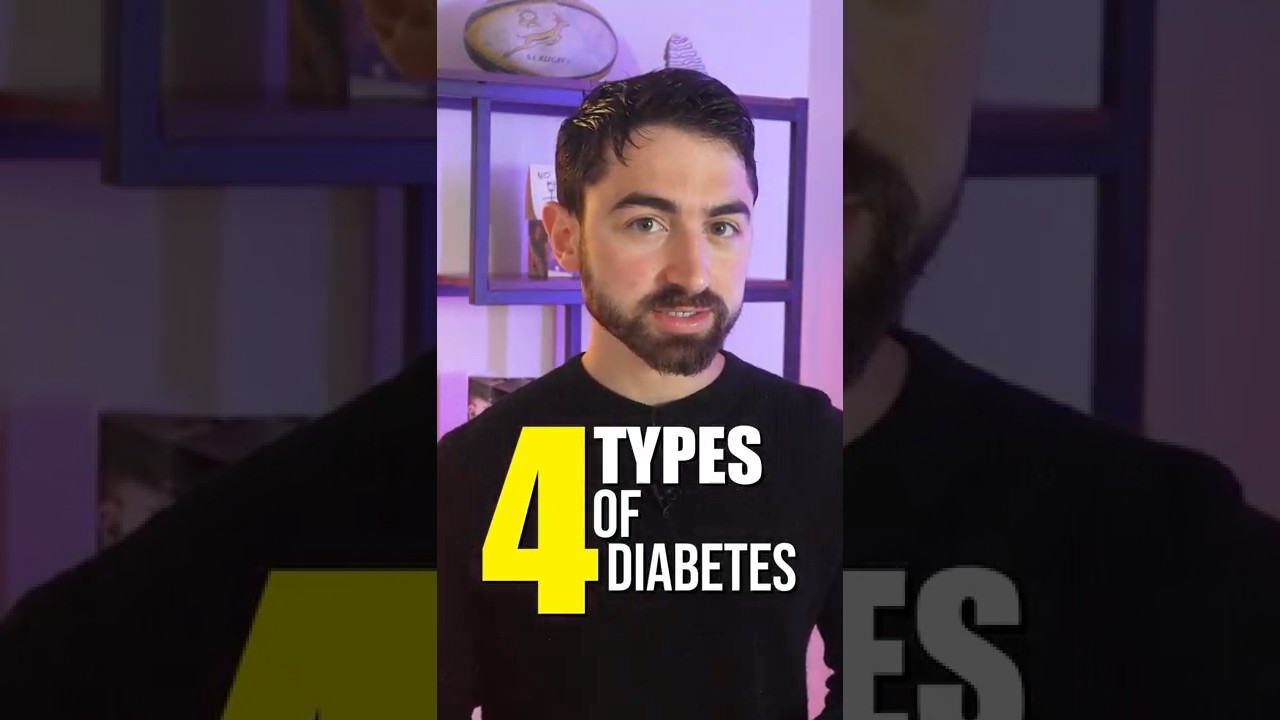
There are 4 types of diabetes, or more accurately, there are at least 4 distinct biological drivers behind type 2 diabetes, the most common form associated with obesity and insulin resistance. Now groundbreaking research out of Stanford used advanced metabolic testing to reveal that muscle insulin resistance, 1, beta cell dysfunction, 2, impaired incretin response, 3, and liver glucose dysregulation 4, all contribute differently in different people. Think of it like a recipe: bread, vegetables, and cheese. That can be a Caesar salad or a pizza. Same ingredients but different ratios, completing a different dish. Now imagine if we call both of those, the Caesar salad and the pizza, both salad or both the same food. That's basically what we've been doing for type 2 diabetes, lumping together what are biologically very different conditions. But that's changing. Using machine learning and continuous glucose monitors, researchers can now decode each person's unique metabolic flavor, opening up doors to more personalized targeted treatments.