The Scientific Truth Behind the Sugar Diet (I Was NOT Expecting This)
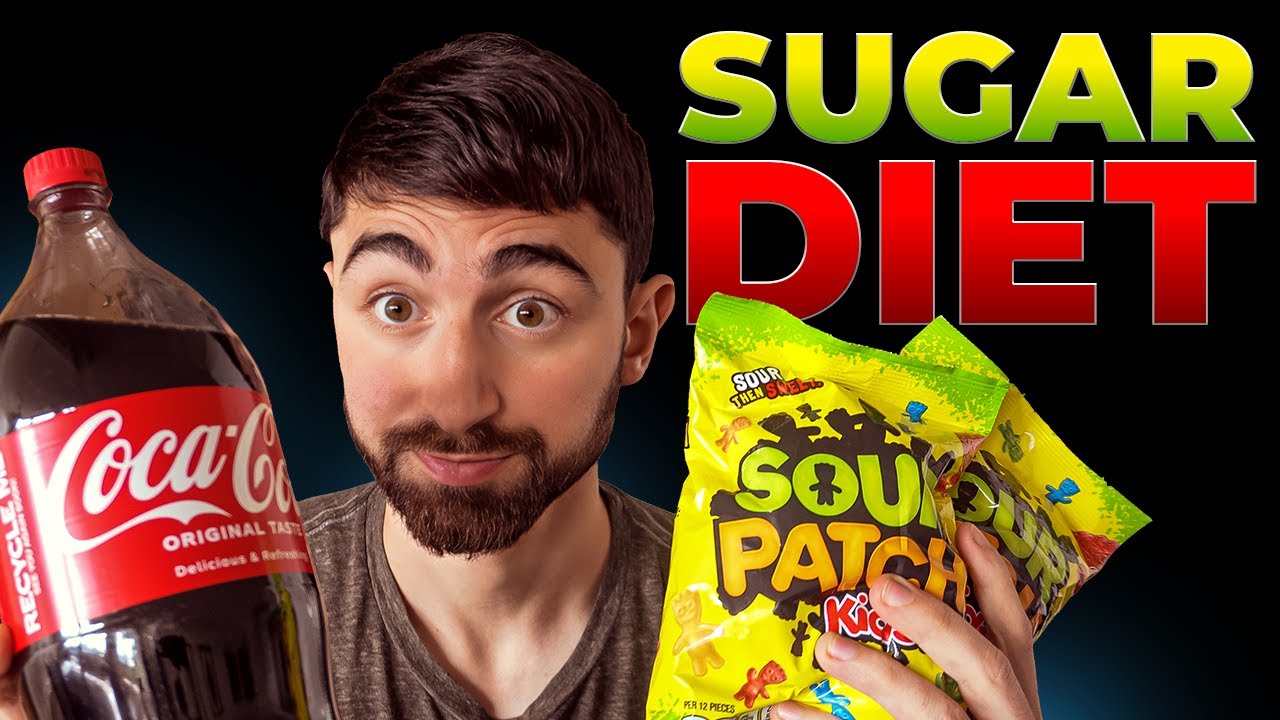
In this video, Nick Norwitz examines the controversial "sugar diet"—a low‑protein, low‑fat, high‑carbohydrate (often sugar‑rich) eating pattern popularized by influencers such as Mark Bell. He reviews a recent Nature Metabolism study that fed healthy young men a diet with 9% of calories from protein and 70% from carbs for five weeks, then switched them to a higher‑protein diet. Participants had to increase their caloric intake by ~20% (≈574 kcal/day) to maintain weight yet still lost about a kilogram, without changes in activity or muscle mass. A second replication and a third arm (low protein, high fat) showed the same effect, indicating that protein restriction—not carbohydrate load—drives the rise in energy expenditure. The mechanistic link is a large post‑prandial spike in fibroblast growth factor 21 (FGF21), which remodels mitochondrial proteins in fat cells, increasing electron‑transport‑chain components while reducing ATP synthase, leading to mitochondrial uncoupling and a ~20% rise in daily energy expenditure. Mouse knockout experiments confirmed FGF21’s causal role. Norwitz discusses how FGF21 responsiveness varies with genetics (common rs838133 variant) and metabolic state; obesity is an FGF21‑resistant condition, so the diet may not benefit those individuals. He also highlights longer‑term concerns: high fructose intake can overwhelm intestinal metabolism and damage the liver, and the diet’s extreme macronutrient profile risks essential fatty‑acid, vitamin, and amino‑acid deficiencies. The conclusion is nuanced: protein‑restricted diets can boost metabolism via FGF21, but the “sugar diet” is a risky, poorly named implementation that may work for some lean, metabolically healthy people while posing health risks for others. Norwitz urges curiosity, not blind adoption, and invites viewers to subscribe.
Chapters
Blue sugar diet. This is my breakfast. I had some Sour Patch Kids, Starburst, jelly beans, 8 ounces of apple juice. Sugar on the bottom, sugar on the top. Sugar. Yes, people are literally slamming hundreds of grams of sugar per day while restricting protein, and they're actually reporting weight loss and improved energy and workout performance. Now, I'm gonna concede, when this fad first reared its head, I was resistant to covering it. I thought it was silly, I just didn't want to do it. But all of you in comment sections twisted my arm, so I looked into it. And I'll tell you, it's absolutely crazy. But I'm the last person to equate crazy to wrong. This is it. And I came across actually strong new research that's changed my mind about the sugar diet. I'm not going to adopt it, but I'm going to explain to you why, to my saccharine surprise, the sugar diet can work for weight loss. It makes metabolic sense. And also, at the same time, I'm going to debunk the sugar diet. But this isn't a gotcha video, nor a tribal response narrative. It's a data-driven story about how to understand a bizarre trend on a deeper level. So first, let's get those of you up to speed if you haven't been following and have been living under a rock, or rock candy. The sugar diet is defined by eating low protein, low fat, and lots of carbs, in particular sugar. As an example, a friend of mine, Mark Bell, has been on the sugar diet for weeks. He's eating about half a gram of protein per pound of body weight, about 100 grams of protein for his 209-pound frame, keeping fat below 30 grams, which is very low, and eating as much as 800 grams of sugary carbs per day. If we use the numbers 100 grams of protein, 30 grams of fat, and 800 grams of carbs, that's 3,870 calories, 83% from carbs, mostly sugar. He's also including sugar fasts on top of his sugar diet, where for days at a time, he'll consume only these 6 foods: fruit, fruit juice, maple syrup, honey, sugar, and candy. But he's reporting rapid weight loss. And it's working amazing for me, and it's working amazing for a lot of other people. Fat loss. And others are reporting similar. So, should you believe them, or are they just lying on behalf of Big Jelly Bean? Let's discuss some important data, and then you can render your verdict for yourself. Now, this new study I mentioned that captured my attention was recently published in the journal Nature Metabolism. It investigated the effects of a low-protein, high-carb diet on energy expenditure. The subjects were healthy young men in their mid-20s with a mean BMI around 25 who were placed on a diet that was 9% protein, so low protein, and 70% carbs by calories. For 5 weeks before reverting to a higher protein diet, 18% protein, for the following 5 weeks. Remarkably, about a week into the low protein high carb diet, the participants needed to increase their energy intake to maintain body weight. By week 5 on the low protein high carb diet, they increased their energy intake by 19%, which in this case was 574 calories per day. But they still lost a kilogram. Now, this 574-calorie-per-day increase in energy intake while losing a kilogram occurred without significant changes in muscle mass and without any change in physical activity. Then the researchers also replicated this finding, this low-protein, high-carb diet result, on another set of young men. Again, energy intake needed to be increased by about 20% to maintain weight without —any increase in physical activity. Finally, the researchers asked whether swapping some of the carbs for fats would change the results by conducting a third study, one in which protein was also kept low at 9% and fat was more than doubled to 50% of the calories, while carbs were chopped down to 41%. So pause now and make a prediction. If it was the power of carbs and the secret of sugar, that accounted for the metabolic boost, you'd expect that swapping carbs for fat would reduce the benefit, right? But if it were protein restriction that was responsible for the increased energy expenditure, you'd expect the same results as in the other studies. So can you guess what happened? Was it the high carbs or the low protein that was the secret to increased energy expenditure? Drum roll. Answer: on the protein-restricted, higher-fat diet, the results were the same. Namely, participants needed to eat 21% more calories per day by the end of week 5 to maintain their weight. And again, there was no change in physical activity. Thus, we can conclude in this study it was something about protein restriction that was causing these folks, these young men, to burn off more energy. And the next obvious question we need to tackle together is, well, what is the mechanism? What is going on biologically to explain this effect? The research makes a compelling case it has to do with a hormone called FGF21, fibroblast growth factor 21, and how this hormone alters metabolism in fat cells. Now, in the studies, protein restriction increased FGF21 levels substantially, up to 361%, and this increase was mostly attributable to the postprandial period. So otherwise stated, each low protein meal, whether it was carbs or carbs and fat, spiked FGF21 levels. Simply stated, low protein feeding spikes FGF21. Now, before I tell you how FGF21 impacts fat cells and elaborate upon the mechanism, I just want to highlight This is a point in our story where I could go on a few tangents, including about other hormones and carbohydrate overfeeding and fatty liver. But to keep this data story more linear for you, I'm going to move on with these data, and if you want the nuanced notes, you can check out the Stay Curious Metabolism newsletter at staycuriousmetabolism.com. I'll also warn you that part of each letter is paywalled for premium subscribers who get access to some additional exclusive content and some early content for the average cost of $1 per letter. No pressure to subscribe, most of my content is free. And I promise you, when I finance my next Ferrari off the back of letters about the effects of eucaloric carbohydrate versus fat overfeeding on hepatokines, I'll let you know. But if you want the nuance notes, you can find them there. Anyway, what was the effect of this increase in FGF21 with low protein feeding? When they studied fat cells taken from participants, the researchers found increases in mitochondrial proteins involved in energy production. Specifically, the researchers noted increases in proteins of the electron transport chain in mitochondria, including including components of complexes I, III, and IV. Complexes I, III, and IV in mitochondria are involved in the pumping of protons inside mitochondria across the mitochondrial inner membrane into the intermembrane space. I know a lot of jargon. So stepping back and setting aside as much scientific jargon as we can, this means low protein diets increased levels of the proteins that are essential for turning the stored chemical energy in the bonds that are in our food, what many people call calories, into potential energy, this potential energy proton waterfall that mitochondria use to make energy. But funny enough, there was also a decrease in the outlet for this energy waterfall, the ATP synthase. So simply, as simply as I can articulate this. All this suggests low protein diets increased FGF21 levels, which changed the function of mitochondria in fat cells such that they generated energy less efficiently. This mitochondrial uncoupling— oops, there I go again with the jargon— explains why protein restriction, in this case 9% of calories from protein, increased energy expenditure so substantially. Finally, to prove that it was the FGF21 exerting this effect on fat cell mitochondria, the researchers performed controlled experiments in genetically modified mice that don't produce FGF21. These are the so-called FGF21 knockout mice. That's the parlance. Like in humans, normal mice fed a low-protein diet, they increase their energy intake and maintain body weight and increase productions of those components of the mitochondrial electron transport chain I mentioned, complexes I, III, and IV. However, when the FGF21 knockout mice were fed the low-protein diet, this effect was attenuated. It went away. And this provides clear, controlled, mechanistic animal data that parallel the human data and makes the case FGF21, this hormone, causes the metabolic adaptations in fat cell mitochondria. So now, the sugar diet explained. You should now understand how the sugar diet works. When protein is restricted on the sugar diet, FGF21 spikes, and this signals the fat cells to uncouple their mitochondria and burn off energy, increasing energy expenditure by about 20% per day, at least in healthy people. Even on a modest 2,000-calorie diet, that equates to 400 extra calories burned for no extra effort. That said, these data also reveal the sugar diet is busted. Or at least poorly named. As I hope you noted, and as I pointed out, similar effects were observed whether participants were fed low protein, high carb, or low protein, higher fat. In fact, a 4:1 ketogenic diet, the most extreme form of therapeutic ketogenic diet, is 90% fat by calories, with the rest primarily coming from protein. Thus, while a 4:1 ketogenic diet was not included in this study, I would predict similar metabolic effects would be seen whether the macronutrients were 9% protein, 70% carb, 21% fat, which is the low protein, high carb diet in this study, 9% protein, 41% carb, 50% fat, which is the low protein, high fat arm of the study, or 9% protein, 1% carb, and 90% fat, which is a 4:1 ketogenic diet. In fact, Studies have shown ketogenic diets increase FGF21 in animals. Now, the human data are more complex, as I discuss in the newsletter, and I'll drop a note to that also, that complexity, in the video notes for those who want some mind-boggling details. But one fascinating study investigated the role of a 4:1 ketogenic diet, 9% protein, 90% fat, on fatty liver in mice. And the ketogenic diet improved fatty liver and spiked FGF21 levels. In this case though, the higher carb control diet did not, but that's not the important part. The interesting and important part is the protein-restricted high-fat diet, the 4:1 ketogenic diet, also increased levels of the FGF co-receptor called beta-clotho, which is essential, critical for FGF21 signaling. And one interpretation of this is that the ketogenic diet enhances FGF21 sensitivity. Which we will discuss now in a section on who should not do the sugar diet. We're going to start by talking about obesity as an FGF21-resistant state, low FGF21 sensitivity. Consider in this study, it was only conducted in healthy young men, and the metabolic benefits appear to require an FGF21 response. Therefore, it's really important to question whether there are responders and non-responders to the sugar diet based on whether your body experiences an FGF21 surge, an FGF21 spike, in response to protein restriction. Importantly, this is really, really important, so listen up, obesity is thought to be an FGF21-resistant state. And this has been demonstrated in animals and in humans. In fact, FGF21 levels are higher in persons with obesity and correlate positively with BMI and correlate with signatures of metabolic syndrome, including high insulin, high triglycerides, and low HDL cholesterol. Therefore, higher FGF21 is not better per se, nor does it mean you're actually getting more FGF21 signaling. I hope that makes sense. Now relating it back to this study again, Since the study was only 5 weeks of low protein feeding, relatively short term, and the participants were lean, healthy males, one can fairly assume the increase in FGF21 levels in this study in particular did represent an increase in FGF21 signaling. But that does not mean if you had an FGF21 level drawn right now, it would actually provide useful information. Sorry if that was confusing, listen back because it's really important. But the next topic I want to tackle is "genes load the gun" and FGF21 producers versus non-producers. There's also a reasonably large amount of data on genetic variations in humans in FGF21 and how they impact phenotypic and metabolic traits in humans. These studies in humans collectively reveal some really interesting physiologic facts. First and foremost, variants in FGF21, the gene, are common. The rarity of a genetic variant in a population can be measured by something called the minor allele frequency, or MAF. This is how often the less frequent copy, the less common version of the gene, is present in the population. A variant that is common has a minor allele frequency greater than 5%, and a rare variant is less than 1%. Now, with those numbers as a framework, the minor allele frequency for one minor allele in FGF21, it's called RS838133, I know, not very creative, is 44.7%. And what this tells us is that genetic variation in FGF21 is extremely common. Building on that, and interestingly, these genetic variations don't always have predictable or consistent effects. For example, this rs838133 FGF21 variant I just mentioned is associated with lower total body fat, but an increased waist-to-hip ratio and higher blood pressure. So simply put, differences in FGF21 have complex effects on metabolic traits and likely impact body fat distribution and metabolic health in ways that cannot be simply captured on a bathroom scale. Nor a complex scale for that matter that analyzes your body composition, because body fat distribution matters. Now, the next thing I want to discuss is FGF21 non-responders. They have a thrifty metabolism. I'll explain what that means. So, in one study, people were kept in a whole room indirect calorimeter that can measure their energy expenditure, and they were fed low protein diets, only 3% protein by kilocalories. Their energy expenditure was then measured over the subsequent 24 hours. How much energy did they burn on the low protein diet? And then afterwards, these people resumed their normal lives for the next 6 months, but were consuming a low protein diet during that time. Now, interestingly, what the study found is those who had a larger FGF21 response in response to low protein feeding, they exhibited larger increases in energy expenditure measured over that 24-hour period, which when they were in the indirect calorimeter. And importantly, this FGF21 response predicted who would gain weight on the low protein diet. Simply put, those who revved up FGF21 on a low protein diet expended more energy and gained less weight over the next 6 months of low protein feeding. I know that was a lot, so we're going to step back now and do a quick summary. Summarizing the practical and important points: 1. FGF21 can increase in response to protein restriction. 2. How much your body boosts FGF21 signaling determines the energetic benefit you'll derive from protein restriction. 3. This FGF21 response is determined by your genetics and by your metabolic state. Whether or not you have obesity, and other factors as well. And 4, obesity is an FGF21-resistant state. Therefore, those with obesity and metabolic dysfunction should be very cautious about assuming a low-protein, high-carb diet, in my opinion. Moving on, another question that's important to ask is, is 5 weeks long enough? I'd like to return to the point that the primary study we discussed with only 5 weeks of a low-protein diet feeding. What would happen if the study was extended for many months? My concerns here are twofold. First, high sugar intake imposes a large fructose challenge on the body. And fructose as a molecule can be harmful, especially to the liver, when consumed in large quantities. Now, at reasonable or lower intake levels, the small intestine is actually very good at defending the liver. Because it converts fructose into other sugars and organic acids before the fructose has a chance to traverse the portal vein to hit the liver. Now, in recent discussions, I'll just add, around the sugar diet, sugar diet influencers have missed this point. I'm not going to point fingers, but I think it's an important point to highlight. So, in the context of the sugar diet, it's possible or likely that this system is overwhelmed, saturated, and the liver is is taking abuse from high-dose fructose. Over longer periods of time, more than 5 weeks, this could cause metabolic derangements. And it's also possible, I'll entertain this, the body adapts in response to low-protein feeding, high-sugar feeding to prevent this undesirable outcome. We don't know, but I wouldn't gamble my own liver on it. Additionally, a concern is there are essential fatty acids essential fat-soluble vitamins, and essential amino acids. But there are no essential carbohydrates. So when practiced over a longer time course, the sugar diet seems extremely high risk for nutrient deficiencies. To be clear, I did not say low protein diets are high risk for nutritional deficiencies per se. However, the sugar diet, as one form of low protein diet, is often practiced as a very low nutrient diet. Why? That's easy, Sour Patch Kids taste great. So wrapping up, and in conclusion, the sugar diet, as bizarre and counterintuitive as it may sound, it opens a compelling window into the power of dietary macronutrient modification and their hormonal downstream effects, here in particular FGF21. But while the data are intriguing, and even promising in some contexts. This is not, this is not a green light to binge on candy under the illusion of biohacking brilliance. Sugar is not a secret weapon, as these data reveal. Nor are carbs bad, I didn't say that either. Individual variation, metabolic health, and genetic background profoundly impact whether you benefit or crash from almost any diet. So yeah, the sugar diet can work, but whether it should and for whom is a much more nuanced question. As always, science should invite curiosity, not blind adoption. That's the spirit in which I've tried to cover this topic—with an open mind, to provoke your curiosity—and I'm sure this will only be a stimulus for future discussion. That's actually the point. In fact, I know I'll be seeing Mark Bell, popular influencer who's been on the sugar diet, in a few weeks when he pops over to my neck of the woods, Harvard, for a little tour. And in general, I'm pumped for all the scientific exploration to come on this topic and others. Finally, if you liked this video, if you learned something, and you appreciate what I do, please support me by smashing that subscribe button. Whether you're fueled by steak or Sour Patch Kids, I don't judge. Stay curious, have a good one. I also discovered in doing this video that if you leave Sour Patch Kids in Coke, they kind of start to melt into a giant Sour Patch Kid ball. So there's an extra learning for you.










