Going It Alone: The Financial Risks of Self-Builds
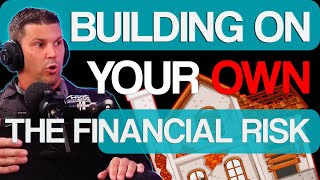
Norm Wales argues that owner-builders typically underestimate hidden costs like missing components and trade coordination, making DIY builds equal or more expensive than hiring a professional. He recommends owner-builds only for highly skilled tradespeople with strong supplier networks and time to spare.
Chapters
The cost that it cost them is generally more money than what it would be for us to construct it from the beginning. Just because you build with your hands and you can build certain stuff. When it comes down to the caliber of building like a home on that scale, there's so many more moving parts. It's all the little things behind the scenes that people aren't aware of and what they don't know, they don't know. You've got to have a team around you to be able to perform the tasks there, because building a home isn't a one man band. Hey guys, welcome to the Builder's Edge. I'm Norm Wales from Norm Wales Constructions. Now, for me, the whole purpose of this podcast here is to bring a little bit more awareness around the construction industry. I've been feeling for many, many years that there's not enough helpful information out there to support you guys to make the right choice. Now, we are a smaller family independent building company and we're not here to build everybody's home. But we would definitely love to be able to work with you to facilitate your dream home. But if we don't build your new home, we want you to be able to make the right decision in choosing the right builder for you. So hopefully the information that I'm able to provide through this podcast can be informative and helpful that you can now create your dream home. So hope you enjoy it and thanks for watching.
Okay, Norm, so we're talking about the hidden costs of building your own home. You've mentioned in the past that you've had people coming to you asking for advice, looking to build their own home. I guess from your opinion, having built many homes in Bundaberg, what would you say some of the kind of downsides or even hidden costs are to building your own home?
Yeah, look, we have come across many people thinking that it's more economical for them to go down that path and build their own home. But you know, that's where they start going into the phases of like kit homes and these half prefabricated, sort of, I guess, modular home styles there. And they don't understand that there's still so many more ingredients that need to be actually connected and bolted onto what they think they're already getting. And when they start adding all that together, the cost that it costs them is generally more money than what would be for us to construct it from the beginning. So, you know, I've come across people there, unfortunately, you know, in the past that have actually come to us for help because they've been, you know, say halfway through their home and it's just got out of control for them, you know, and the problems that we've come in and seen, like nothing's plumb, nothing's straight, you know, things don't align and you're trying to sort of make things right there for them, but the problem's already been there. Yeah. And it just becomes a very expensive exercise.
I mean, what are some of the upsides? Because obviously, you know, they see an opportunity in building their own home. Obviously, I would assume that the incentive would be that it's going to cost us less to build our own home.
Look, generally I believe that is the, the mindset that they're going to be able to do it a lot more affordable and, you know, save themselves money. Look, there are some really skilled people out there that are very handy and can, you know, craft some wonderful things, but just because you're good with your hands and you can build certain stuff. When it comes down to the caliber of building like a home on that scale, there's so many more moving parts, but it's just not being a good skilled trades person. You've got to also have good management skills and business skills there to be able to working with suppliers and contractors and time frames and weather and it's, it's like baking a cake. You know, you've got a, there's a process, you know, and if you don't have a good process, you know, it's not going to be a good cake.
Yeah. So what would. I mean, you know, you just mentioned the, the building process. Then you said there's a lot of moving parts. I mean, what would some of the moving parts be that perhaps homeowners, homeowners don't consider when going in to build a home. Like, what are some of those parts of the process? They go, oh, crap. We actually, you know, didn't see that coming or didn't realize the importance of that. For example, you know, soil classification or even access to the home. How different types of access to the home can affect.
Yeah, look, relevant topics there, like a lot of people aren't aware of. If you got limited access to the site there, that's going to start restricting trades. You know, it could be machinery deliveries. So then that's going to compound on the time and, and then push the project out further. It's going to incur more cost, you know, through each trade net as well. But it's, you know, it's managing those trades and understanding all the little things that I Guess you don't do normally that actually make the completed job a perfect home at the end of the day. As I said, there's thousands and thousands of little ingredients that go into building a home. And if you don't know every little element about that and you miss one or two little things or overlook that, or don't supervise that correctly because you thought that trade that I've engaged is going to complete that task, that's not the case. So, yeah, unfortunately, you know, out of all the years I've been in the industry, I've never come across someone that's actually gone down the path of constructing their own home and actually done a successful job of that without a few horror stories and problems, or constructed it to the budget that they believed that they first thought they would have. You know, and that's not to say that there's not good people out there that are very, you know, skilled and don't have the ability to go down that path. But I, I've never met one that said they do it again anyway.
Yeah, that, that's, that's really, that's really interesting. I mean, when these guys are getting to the point where they're thinking about building their own home, what stage of the building process are they at? Are they, are they literally at like square one? They've got an existing home, they want to acquire a site, you know, right down from ground up, or they sort of halfway through it, when they consult you, where do they sort of look?
We've come across people all the way through different processes in the building side of things there. Like it can be early on, before they've started, it can be halfway through, you know, it could be nearing completion, that they have realized they haven't done the right steps and they need us to come in to fix things up there so they can get the compliance there. But a lot of times people always think this at the beginning of the process, you know, when the numbers aren't quite balancing out there for themselves there. But going down that premodular sort of kit style home and thinking that they can construct it themselves more economically, you know, it's very eluding. And the fact is that it's not just the cost of the kit, it's the whole build that they have to look at there. And if they don't do this day in, day out, they're not going to be aware of all the actual costs associated with that there. And once they've committed themselves to that, it's almost too late for them to go back you know, but another thing is often say to people there that, you know, if these modular homes and kit homes of sales were an economical option, there'll be builders like myself, other builder companies out there actually offer that there as a, you know, a bit of an entry package, you know, option to customers if it was more affordable. But the sheer point is it's not. If you actually compare things and break it down equally in Apple to Apples, they're literally very similar, if not more expensive. And the kits that you actually get, they don't include everything, you know, so it's all the little things behind the scenes that people aren't aware of and what they don't know, they don't know.
I mean, so who, who would this be the right fit for? I mean, who are the right people? Who you go, you know what, it's actually, it actually makes sense that you guys should actually build your own home.
Look, 100 like there are options that they're for people like if you are a highly skilled trades person and you've had some knowledge of the building industry and you've got thick skin and plenty of patience and plenty of spare time, look, it could be a perfect opportunity. And look, there's no doubt if you can put labor into your home, that's going to be labor you're going to save. You're not going to be paying a trades person. But doesn't mean that the time you put into either side of that task is that going to be done to the level of what a trade would do for you. That that's got that niched skill set that does this day in and day out. So it comes down to the, the level of quality that you're wanting in your home at the end of the day, but also how far your skill sets can actually take you. And it's not just about your skill sets. You've got to have a team around you to be able to perform the task there. Because building a home isn't a one man band.
Yeah, I mean, just thinking of it, you know, what type of homes are these guys thinking of building? I mean, do, do people literally have the idea where they look at one of your homes and they go, oh yeah, we'll knock out one of those?
No, not generally. They, they are generally a little bit more simplified. But look, that's no disrespect of what they're trying to create there. But I guess it's just a limitation of their skill sets. You know, you might get some people thinking about building shipping container homes and things like that there. But as I said, I've never met anyone that's gone down that path that's actually done it more economically than what a builder could have done it from the beginning.
So what would you be, what would be your advice to them, to somebody who is considering building their own home? Is it to get a builder in, consult nice and early and then with a, with a builder decide or discern whether it is a good option or not?
Yeah, look, it's, it's not going to hurt to communicate with a couple of builders there, you know, try and find a builder of your choice that you do have a good connection, a relationship with. But if you still feel that you've got the skill sets and the knowledge, most importantly to be able to construct your own home like that, that can be an option there for them. But you know, it's really important that they've got a quite a vast array of trades and supplies and those relationships I've, you know, just mentioned there because having all of them together is part of that ingredient of building the perfect home.
Do you think that some people may not know this? The access to trades and, and materials and supplies at a cheaper rate? Is there any difference going through a builder or can just the general public get the same sort of rates as a builder would?
Yeah, look, generally speaking, no. Look, if you're just going to be a once off, you know, sort of build for your own home there, look, you're not going to sort of get the relationships and the discounts and have that flexibility with trades and suppliers there that a builder would have. You may think you're getting a better deal, that's honest. But it's pretty well guaranteed. You're not going to get the deals, you know, doing a once off project than working with someone that's going to be doing it for 20 or 30 years and building multiple homes a year.
Yeah. So is there really any upside? Like what? Where is the upside in this?
No, look, it's, there are upsides to it there. There's no doubt about that. As I said, there are some really handy skilled people out there and I said if they've got indefinite time and, and they're not trying to construct the home, you know, in a shorter period. And I, I guess it could also come down to a bit of self satisfaction that they may wish to, you know, build their own home and you know, all this can be done, but I said you have to have thick skin, you know, and you've got to be able to manage the Whole process there, because you can start out laying generally your life savings building your home. And it may not be, you know, to the caliber that you're expecting. If you go down that path and look, you only have to drive around and you can still see homeowners that have constructed their home, you know, pre covered, you know, and this is years and years ago that they're still not finished, you know, and it does start looking a little bit tacky and not as presentable in that neighborhood. And quite often it's not because they're wanting to home to look like that. They've run out of money.
Yeah.
They've ran out of money, ran out of resources. It's become that overwhelming and now a burden for them, you know, and it's just a big regret. But they're stuck with the decision they've made. You know, like, you make your bed, you're laying it, you know, So I just don't think people fully understand the extent of what actually happens in behind the scenes to construct a new home.
Yeah. So unless you're highly skilled, you've got a lot of patience, you understand the building process, and you've got thick skin. If you're going to build your own home, consult a builder first.
Look, I definitely think you should always consult a builder first and really weigh those options up.
Yeah.
You know, it is generally the biggest investment most people would ever make in their life.
Yeah. Love it. Well, on that note, Norm, I'm going to pass us over to our get, you know, your Norm jar. So I'll get you to pull out a question out of that where we get to know a little bit more about Norm by asking some different questions here. Okay, I like this. So, Norm, what's a question you think everyone should ask themselves at some point in their lives?
This is a good question that I think it'd be more to do with, like, reflecting upon what you're trying to leave behind, you know, So I think the. The question would be is, have I done, I guess, enough in life there to leave like, I guess like a footprint.
Yeah.
So, you know, have you maximized your time? You know, like, wow, we all got the same time. It's how you use that time. So, yeah, I think, you know, have you really maximize the time you've. You've spent here and what sort of footprint have you left?
Love that. Absolutely. Absolutely love that. Or as I was, Norm, very practical advice there. And until the next one. Thank you.
Pleasure. Thanks.
Cheers.
More from Norm
Professional Builders Secrets Episode 104: Adopting A Learning Mindset With Norm Wales