Why Building A Budget Home is WRONG for You
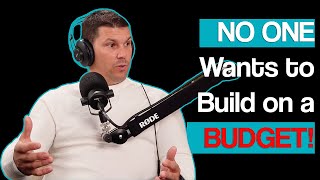
Norm Wales explains why chasing the lowest price on a home build backfires: hidden poor specs, faster wear and tear, resale trouble, and surprise costs when inclusions aren't in the contract. Clear communication, detailed specs, and a reputable builder protect you.
Questions this video answers
September 14, 2024
Wolverine
Chapters
No one wants to build a budget home. The unfortunate thing with going cheap in the beginning, it's years down the line, you can start seeing the home perish away.
So people want more for less.
Quite often that's where the big billboards and the flashing lights and sometimes TV commercials can lure people into the misconception that things are achievable. By being open, having those conversations sometimes achieve the result you're wanting for less money.
Norm, how can focus solely on low pricing affect the overall quality and the durability of a home?
Yeah, look, it's something that we do see a lot there. A lot of people being so purely focused earlier on in the building process is price. Now obviously we've all got our perimeters we have to work within and a budget, we're trying to achieve our desired result within, you know, certain, you know, criteria there. But I find being purely focused just on the price especially so early on in the building process with, you know, at times very little knowledge of purely how to understand or compare things equally or, or you know, fully understanding what you're actually getting, you know, for that price, you know, can be a very big disadvantage.
And I guess with the cost of building going up, cost of living going up and perhaps people's budgets not going up, that's staying where they're, where they're at. I guess there's the gap's growing bigger. So people want more for less and obviously then you guys are sort of stuck there in the middle trying to meet your clients needs. But then you're at the same time you're sort of, you can't do it because then you're sort of shooting yourselves in the foot as well.
Yeah, that's right. It's important you know your numbers. Like, you know, you got a cost per job per day and you know, different designs and different sorts of construction methods that are going to cost, you know, different, you know as well. But you know, most importantly, I guess it's a matter of managing those expectations and you know, all communicating on that clear vision to where things need to go. You know, if you're not communicating and you know, all parties involved, openly communicating and being upfront and honest. If you're holding cards too close to yourself and not showing those cards, you know, your builder is not going to be able to help you as much as they possibly can by being open and having those conversations. You'll be really surprised what a good builder can actually do to assist you with those, you know, concerns and to keep those budgetary restraints. You know, within order or potentially still sometimes achieve the result you're wanting for less money.
Hmm. Can you explain how unexpected cost and overruns often arise in these sort of budget home construction projects?
Yeah, look, look, I guess we all sign up for what we think's too good to be true. You know, they've signed that dotted line, it's been a fantastic price that they think they're getting something and ends up, you know, once they're committed to their contracts, they then find that they haven't had certain specifications done or what they thought was included hasn't been included because it wasn't documented you correctly in the actual contracts or the proposals. And then they find themselves reaching into their pocket, you know, finding more money to, you know, purchase, you know, potentially that stone bench top as an example.
So how do you find having that conversation, you know, managing the client's expectations, like, how do you manage that process?
Look, the way we manage our, you know, building processes is very black and white, very clear and very transparent, you know, and if it's not clear, you know, as I say, we all have our own builders, jargon and lingo that we talk. And if something doesn't make sense, ask the question again to say, could you please explain a little bit further? You know, you know, what does that mean? You know, so if you've got that open communication and that great rapport with your builder, nothing has to be a problem. And that's why I don't believe, you know, we have those issues there. Like, it's really easy to sort of, you know, listen to what they're wanting. We can allow for what they want. You can give options on other ideas in that sort of area as well. And at the end of the day, they can then ascertain all that information and go, yes, I want to proceed with this, or no, let's just get run with that there.
I mean, do you feel that people generally actually want to build a budget home, or do you feel like they're just trapped with their options?
Oh, look, 100%, no one wants to build a budget home. You know, but we only have the perimeters. You know, I, you know, so much money in the bank that we can sort of, you know, work with there. And quite often that's where the big billboards and the flashing lights and, you know, sometimes TV commercials can lure people into the misconception that things are achievable. But then they start realizing the quality that they're actually getting in their build or the lack of quality. And, you know, that the certain trades and supplies that they may have engaged then may not be as good as others. And they're potentially now getting this second tiered home that isn't really what they expected. So, you know, it's really important, I guess. Yes, you have to work within your perimeters of cost, but it's really important also that you don't want to be compromising on the actual overall quality of what you could be getting if you dig a little bit deeper and you know, talk to the right builder.
So on the tail end of that, how can homeowners balance like their desire for a good living space, but also balancing their like budget expectations as well?
That's why you know, to take the best approach with getting the best value for your money without compromising on the overall quality and what you're getting, it's to take the right process to begin with. You know, you really should be doing a very detailed, thorough building, preliminary agreement. And along that journey there you should be able to start working out and debugging any of those little areas that could potentially be a bit of a pitfall or you know, know might arise that, you know, can start changing costings there. So if you, if you take the right process to begin with, you're going to, you know, eliminate most of those concerns and problems and be able to foresee that there before it becomes a major concern.
Let's talk about the, the resale value of the house. Like building this budget home in the early stages, they may win, but how does the long term effects play out?
Yeah, the unfortunate thing with going cheap in the beginning there, it's years down the line, sometimes not many years whatsoever that you can start seeing the home, you know, perish away, have that wear and tear, you know, products that they've put into that Pacific home there may not really being suitable for that environment and they're not really standing up. So then it comes down to you may want to upgrade and move on. You know, your family's expanded as an example and you want to sell your home. But you know, if they've gone through and painted the house and it was quite thin and hasn't been done properly or prepped correctly for you to sell it, you need to repaint your home as an example. Whereas if you built with the quality builder to begin with, that says you follow the right processes and the paint's still as good as it was the day before you moved in, you're not going to have that expense, you know, and it's a compound effect of a lot of things like that there, that can be quite a costly mistake there.
Are you finding that like, do you ever get surprised at some people like everything you share just. And some people would still be like, yeah, I'd still want that.
Yeah. Look, it's unfortunately that's just the mentality of, you know, what, what some people are wanting there. But you know, I think once they've lived through that, they're quite often not going to go to it again.
So what would your, your sort of final thoughts be? If there's any sort of strategies helping families and homeowners manage their, their budget expectations with trying to also achieve their, the home of their dreams. What are some ways that they can take the right steps towards getting that outcome?
Look, the best approach there for people there is to actually start doing the groundwork early, spend the time in your plans and specifications there, work with a reputable builder that can help guide you and keep things within your budgetary restraints there. And you know, they'll be able to come up with great ideas to still make it a win win thing for yourself without compromising on the important aspects of things. Now if you've developed that relationship and you're going down that path, it's, it's real easy to start then narrowing down areas that you can be a bit more creative with and a bit smarter with there. And if you've got plans and specifications put in place there, you know, and you're dealing with a custom home builder, they can quote that up there and give you alternative options. Whereas you'll more than likely find you take those plans into a project builder that more than likely not interested in that though because you know, they're not competitive with comparing things equally themselves.
Well, that's a lot of value. That's jam packed. Before we wrap up, I will just ask you one more question.
Okay.
And we're going to get that from our get to know your norm jar. Let's see if you can pick out a winner, mate. All right, let's have a look. If you could be a superhero, what superpower would you would you possess and why?
Oh, it's going back to being a young one this one, I guess. But I'd have to be, I'd say Wolverine.
Yeah. Why Wolverine?
I used to like the aspect that he had, the immortality aspect with his skeleton and the, the self healing. So give you a bit more longevity in life and I guess the, the extra time you could spend here. It'd be quite interesting what you get to see and experience with how wonderful and rapidly this world evolves.
There you go. I love that. Well, as always, Norm, thank you.
Pleasure. Thanks, mate.
Until next time.
More from Norm
Professional Builders Secrets Episode 104: Adopting A Learning Mindset With Norm Wales