Automatic Negative Thoughts (ANTs): How to Break the Habit - Wisdom4Humanity with Patrick Mosher
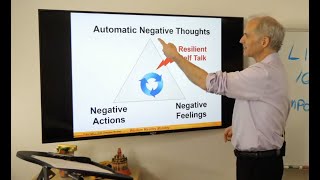
In this talk, Patrick Mosher recounts a conversation with a neurologist‑psychologist who introduced the concept of Automatic Negative Thoughts (ANTs). Using a vivid bee‑on‑the‑hand analogy, he explains how an automatic negative thought triggers a negative feeling, which then leads to a negative action, creating a self‑reinforcing cycle. Mosher describes how reframing the bee—curiously considering what the bee wants—breaks the automatic negative thought, preventing the cascade into negative feelings and actions. He ties this insight to his own 30‑year career as a change‑management consultant, where he repeatedly “jumped from fire to fire” with clients, developing a resilient self‑talk superpower that lets him bounce back and retain his identity. The segment sets up a discussion of practical strategies for cultivating resilient self‑talk to interrupt the ANT cycle.
Chapters
More from Patrick

Frozen by Indecision: The iPad Dilemma #psychologytips #indecision #wisdom4humanity #patrickmosher

Stop Beating Yourself Up for Bad Habits! #psychologytips #lifelessons #psychology #patrickmosher

Hilarious Dance Rehearsal Mishap - iPad Hunt Gone Wild! #lifelessons #wisdom #patrickmosher #purpose

Unexpected Bollywood Dance Rehearsal - My Reaction! #lifelessons #purpose #wisdom4humanity #legacy

I Accidentally Left My iPad… and Walked Into a Dance Rehearsal I Was Never Supposed to See #wisdom

Unlock Your Telepathic Capability: Tap Into Larger Energy #patrickmosher #wisdom4humanity #presence

Overcoming Fear and Uncertainty - Finding Your Ground #psychology #purpose #lifelessons #purpose

Unlock Your Intuition: Embrace Serendipity & Telepathy! #telepathy #telepathiccommunication #purpose

Unlock Your Unique Energy: The Ripple Effect Explained! #telepathy #telepathicconnection #purpose

How Telepathy Works: Tapping Into Energy Bigger Than Yourself with Patrick Mosher (Wisdom4Humanity)

Telepathy: Unlocking Mind to Mind Communication Explained #telepathy #telepathiccommunication #love