Become a Storycrafting Pro: My 3 Part Formula for Engaging Stories -Wisdom4Humanity w/Patrick Mosher
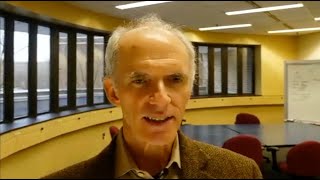
In this monologue, the speaker outlines a practical three‑part formula for crafting engaging stories—struggle, search, and solution—drawing on a Harvard Business Review article that frames storytelling as a driver of bold change. He explains how the "hook" (the struggle) places the hero in peril, how the "search" stage involves a journey with vivid, sensory details that pull the audience into the narrative, and how the "solution" resolves the conflict. He illustrates these concepts with examples from Netflix series, Dan Brown’s Da Vinci Code, and sales pitches, emphasizing the use of cliffhangers at the end of a story to leave listeners wanting more. The speaker stresses that the audience becomes the hero in the story, so effective storytelling enhances public speaking and selling by creating immersion, emotional investment, and a desire for further engagement.
Chapters
More from Patrick

Frozen by Indecision: The iPad Dilemma #psychologytips #indecision #wisdom4humanity #patrickmosher

Stop Beating Yourself Up for Bad Habits! #psychologytips #lifelessons #psychology #patrickmosher

Hilarious Dance Rehearsal Mishap - iPad Hunt Gone Wild! #lifelessons #wisdom #patrickmosher #purpose

Unexpected Bollywood Dance Rehearsal - My Reaction! #lifelessons #purpose #wisdom4humanity #legacy

I Accidentally Left My iPad… and Walked Into a Dance Rehearsal I Was Never Supposed to See #wisdom

Unlock Your Telepathic Capability: Tap Into Larger Energy #patrickmosher #wisdom4humanity #presence

Overcoming Fear and Uncertainty - Finding Your Ground #psychology #purpose #lifelessons #purpose

Unlock Your Intuition: Embrace Serendipity & Telepathy! #telepathy #telepathiccommunication #purpose

Unlock Your Unique Energy: The Ripple Effect Explained! #telepathy #telepathicconnection #purpose

How Telepathy Works: Tapping Into Energy Bigger Than Yourself with Patrick Mosher (Wisdom4Humanity)

Telepathy: Unlocking Mind to Mind Communication Explained #telepathy #telepathiccommunication #love