Build Your Personal Brand: Stand Out & Succeed #createamovement #branding101 #leadership #purpose
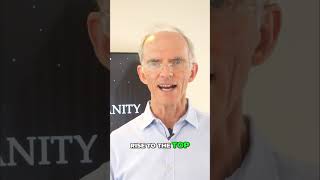
In this segment, the speaker critiques the common corporate mistake of defining personal brand by job title, industry, or generic traits like "working hard". He argues that a true personal brand must be intrinsic to the individual and uniquely distinguishable from peers. By contrasting a vague self‑description with a concrete, action‑oriented statement—"I'm your go‑to guy if you want to try something new"—he demonstrates how a distinct brand conveys specific value and positions the individual for opportunities. The talk emphasizes that personal brand travels with you across projects and roles, and that crafting a memorable, differentiated brand statement is essential for career advancement in corporate America.
Chapters
More from Patrick

Frozen by Indecision: The iPad Dilemma #psychologytips #indecision #wisdom4humanity #patrickmosher

Stop Beating Yourself Up for Bad Habits! #psychologytips #lifelessons #psychology #patrickmosher

Hilarious Dance Rehearsal Mishap - iPad Hunt Gone Wild! #lifelessons #wisdom #patrickmosher #purpose

Unexpected Bollywood Dance Rehearsal - My Reaction! #lifelessons #purpose #wisdom4humanity #legacy

I Accidentally Left My iPad… and Walked Into a Dance Rehearsal I Was Never Supposed to See #wisdom

Unlock Your Telepathic Capability: Tap Into Larger Energy #patrickmosher #wisdom4humanity #presence

Overcoming Fear and Uncertainty - Finding Your Ground #psychology #purpose #lifelessons #purpose

Unlock Your Intuition: Embrace Serendipity & Telepathy! #telepathy #telepathiccommunication #purpose

Unlock Your Unique Energy: The Ripple Effect Explained! #telepathy #telepathicconnection #purpose

How Telepathy Works: Tapping Into Energy Bigger Than Yourself with Patrick Mosher (Wisdom4Humanity)

Telepathy: Unlocking Mind to Mind Communication Explained #telepathy #telepathiccommunication #love