Find Your Path: How to Make Your Vision a Reality - Wisdom4Humanity with Patrick Mosher
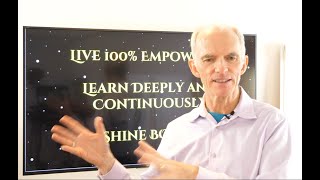
In this coaching session, Patrick Mosher guides participants through a journaling exercise asking them to write down how they are currently living into their vision. He reframes the common corporate notion of "vision" by sharing the Lakota Indigenous concept of a vision quest, where vision is sought through present, sacred experience rather than distant future projections. Mosher emphasizes that true visions manifest as present‑day reminders—small catalysts that signal alignment with a larger purpose. He then leads a reflective activity where participants craft a newspaper headline for the year 2022, sharing his own headline: "mortality necessity simplifies yeses and nos," which captures his theme of embracing life’s urgency. Mosher illustrates how this mindset guided his quick decision to accept a semester at Purdue, noting his wife's supportive role. Throughout, he blends instructional prompts, cultural insight, and personal anecdotes to encourage participants to recognize and act on present signs of their larger vision.
Chapters
More from Patrick

Frozen by Indecision: The iPad Dilemma #psychologytips #indecision #wisdom4humanity #patrickmosher

Stop Beating Yourself Up for Bad Habits! #psychologytips #lifelessons #psychology #patrickmosher

Hilarious Dance Rehearsal Mishap - iPad Hunt Gone Wild! #lifelessons #wisdom #patrickmosher #purpose

Unexpected Bollywood Dance Rehearsal - My Reaction! #lifelessons #purpose #wisdom4humanity #legacy

I Accidentally Left My iPad… and Walked Into a Dance Rehearsal I Was Never Supposed to See #wisdom

Unlock Your Telepathic Capability: Tap Into Larger Energy #patrickmosher #wisdom4humanity #presence

Overcoming Fear and Uncertainty - Finding Your Ground #psychology #purpose #lifelessons #purpose

Unlock Your Intuition: Embrace Serendipity & Telepathy! #telepathy #telepathiccommunication #purpose

Unlock Your Unique Energy: The Ripple Effect Explained! #telepathy #telepathicconnection #purpose

How Telepathy Works: Tapping Into Energy Bigger Than Yourself with Patrick Mosher (Wisdom4Humanity)

Telepathy: Unlocking Mind to Mind Communication Explained #telepathy #telepathiccommunication #love