Stages of Transition - Significant Impact Monthly with Patrick Mosher - Wisdom 4 Humanity
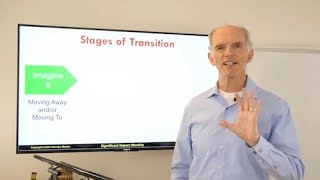
In this talk, Patrick Mosher shares the personal process he went through when leaving Accenture, framing it as a three‑stage transition that mirrors the broader "Great Resignation". The first stage is the trigger – a project failure that prompts the thought of leaving and the imagination of exiting on a high note. The second stage involves laying groundwork in the background: taking entrepreneurship classes, becoming a certified high‑performance coach, and preparing for the next chapter without yet announcing the departure. The third stage is the formal resignation, giving notice and making the decision concrete. After resigning, Mosher describes the "next chapter" and introduces the concept of "re‑signing" – signing a new contract with oneself, community, humanity, and future generations, aligning with his Wisdom for Humanity initiative. He emphasizes that helping others navigate these stages is a community responsibility.
Chapters
More from Patrick

Frozen by Indecision: The iPad Dilemma #psychologytips #indecision #wisdom4humanity #patrickmosher

Stop Beating Yourself Up for Bad Habits! #psychologytips #lifelessons #psychology #patrickmosher

Hilarious Dance Rehearsal Mishap - iPad Hunt Gone Wild! #lifelessons #wisdom #patrickmosher #purpose

Unexpected Bollywood Dance Rehearsal - My Reaction! #lifelessons #purpose #wisdom4humanity #legacy

I Accidentally Left My iPad… and Walked Into a Dance Rehearsal I Was Never Supposed to See #wisdom

Unlock Your Telepathic Capability: Tap Into Larger Energy #patrickmosher #wisdom4humanity #presence

Overcoming Fear and Uncertainty - Finding Your Ground #psychology #purpose #lifelessons #purpose

Unlock Your Intuition: Embrace Serendipity & Telepathy! #telepathy #telepathiccommunication #purpose

Unlock Your Unique Energy: The Ripple Effect Explained! #telepathy #telepathicconnection #purpose

How Telepathy Works: Tapping Into Energy Bigger Than Yourself with Patrick Mosher (Wisdom4Humanity)

Telepathy: Unlocking Mind to Mind Communication Explained #telepathy #telepathiccommunication #love