The 4 Superpowers of Mesmerizing Storytellers (You Need These!) #storytelling #storybuilding #wisdom
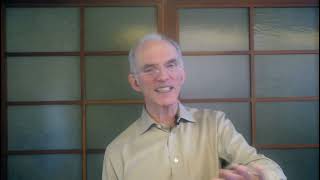
In this instructional segment, the speaker breaks down the essential qualities that turn an ordinary narrator into a mesmerizing storyteller. He identifies five core "superpowers": (1) Emotional vulnerability – allowing the audience to feel the storyteller’s brokenness and triumphs; (2) Sensorial reliving – fully immersing oneself in the story each time it’s told, as an actor would, so the audience experiences the event anew (the recurring "car‑crash" anecdote illustrates this). (3) Entertaining delivery – injecting energy, humor, and even unexpected performance tricks (e.g., tap‑shoes) to keep listeners awake and engaged; he notes that effective teaching is largely entertainment. (4) Unconventional wisdom – embedding surprising insights that make listeners say “oh, right!”; (5) Authenticity – staying true to one’s voice and experience. The speaker weaves personal teaching anecdotes and acting references to demonstrate how these elements work in practice, urging storytellers to consciously cultivate each trait.
Chapters
More from Patrick

Frozen by Indecision: The iPad Dilemma #psychologytips #indecision #wisdom4humanity #patrickmosher

Stop Beating Yourself Up for Bad Habits! #psychologytips #lifelessons #psychology #patrickmosher

Hilarious Dance Rehearsal Mishap - iPad Hunt Gone Wild! #lifelessons #wisdom #patrickmosher #purpose

Unexpected Bollywood Dance Rehearsal - My Reaction! #lifelessons #purpose #wisdom4humanity #legacy

I Accidentally Left My iPad… and Walked Into a Dance Rehearsal I Was Never Supposed to See #wisdom

Unlock Your Telepathic Capability: Tap Into Larger Energy #patrickmosher #wisdom4humanity #presence

Overcoming Fear and Uncertainty - Finding Your Ground #psychology #purpose #lifelessons #purpose

Unlock Your Intuition: Embrace Serendipity & Telepathy! #telepathy #telepathiccommunication #purpose

Unlock Your Unique Energy: The Ripple Effect Explained! #telepathy #telepathicconnection #purpose

How Telepathy Works: Tapping Into Energy Bigger Than Yourself with Patrick Mosher (Wisdom4Humanity)

Telepathy: Unlocking Mind to Mind Communication Explained #telepathy #telepathiccommunication #love