The KEY to Creating & Sustaining Significant Impact - Wisdom4Humanity with Patrick Mosher
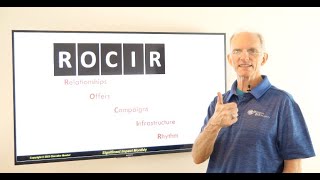
In this monologue, the speaker outlines a disciplined, project‑first approach to all professional activities. He insists on never beginning any work without first drafting a concise, one‑page project description. When a client requests a service—such as a workshop—the speaker creates a project description for the offer itself (defining scope, format, delivery mode, etc.) and simultaneously sets up a separate project for the sales or campaign effort needed to sell that offer. This dual‑project structure ensures clear boundaries between value‑delivery work and revenue‑generation activities. He references his experience at Accenture, where business‑development projects were budgeted and tracked, illustrating how corporate practices reinforce this methodology. The speaker also treats recurring, non‑revenue activities—like mentoring or his "2200 list" of weekly conversations—as formal projects with their own descriptions and rhythms. Overall, he argues that making every element of a business project‑oriented creates defined beginnings and ends, improves budgeting, and aligns work with measurable outcomes.
Chapters
More from Patrick

Frozen by Indecision: The iPad Dilemma #psychologytips #indecision #wisdom4humanity #patrickmosher

Stop Beating Yourself Up for Bad Habits! #psychologytips #lifelessons #psychology #patrickmosher

Hilarious Dance Rehearsal Mishap - iPad Hunt Gone Wild! #lifelessons #wisdom #patrickmosher #purpose

Unexpected Bollywood Dance Rehearsal - My Reaction! #lifelessons #purpose #wisdom4humanity #legacy

I Accidentally Left My iPad… and Walked Into a Dance Rehearsal I Was Never Supposed to See #wisdom

Unlock Your Telepathic Capability: Tap Into Larger Energy #patrickmosher #wisdom4humanity #presence

Overcoming Fear and Uncertainty - Finding Your Ground #psychology #purpose #lifelessons #purpose

Unlock Your Intuition: Embrace Serendipity & Telepathy! #telepathy #telepathiccommunication #purpose

Unlock Your Unique Energy: The Ripple Effect Explained! #telepathy #telepathicconnection #purpose

How Telepathy Works: Tapping Into Energy Bigger Than Yourself with Patrick Mosher (Wisdom4Humanity)

Telepathy: Unlocking Mind to Mind Communication Explained #telepathy #telepathiccommunication #love