The Secret Power of Physical Assets: Tony Robbins’ Trick Revealed! #createamovement #legacy #purpose
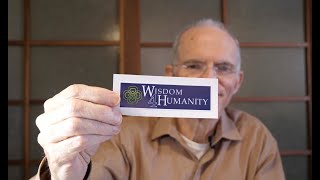
In this talk, the speaker explains how tangible, high‑quality physical assets—such as durable decals, pins, t‑shirts, and a printable PDF guide—can serve as powerful reminders and free advertising for a movement or brand. Using his own "Wisdom for Humanity" project as a case study, he describes how his daughter’s Michigan‑based print shop produces custom decals, how a chief of staff transformed five of his blog posts into a "Beginner's Guide for Building a Better World for Future Generations" PDF, and how these items are distributed at conferences. He references Tony Robbins’ cassette‑pack strategy (learned from Brendan Burchard) to illustrate how physical items keep a message constantly in a person’s environment, and warns against producing cheap "kitsch" that gets discarded. The overall message is that well‑designed, useful physical assets embed a movement’s identity into everyday life, prompting continual engagement.
Chapters
More from Patrick

Frozen by Indecision: The iPad Dilemma #psychologytips #indecision #wisdom4humanity #patrickmosher

Stop Beating Yourself Up for Bad Habits! #psychologytips #lifelessons #psychology #patrickmosher

Hilarious Dance Rehearsal Mishap - iPad Hunt Gone Wild! #lifelessons #wisdom #patrickmosher #purpose

Unexpected Bollywood Dance Rehearsal - My Reaction! #lifelessons #purpose #wisdom4humanity #legacy

I Accidentally Left My iPad… and Walked Into a Dance Rehearsal I Was Never Supposed to See #wisdom

Unlock Your Telepathic Capability: Tap Into Larger Energy #patrickmosher #wisdom4humanity #presence

Overcoming Fear and Uncertainty - Finding Your Ground #psychology #purpose #lifelessons #purpose

Unlock Your Intuition: Embrace Serendipity & Telepathy! #telepathy #telepathiccommunication #purpose

Unlock Your Unique Energy: The Ripple Effect Explained! #telepathy #telepathicconnection #purpose

How Telepathy Works: Tapping Into Energy Bigger Than Yourself with Patrick Mosher (Wisdom4Humanity)

Telepathy: Unlocking Mind to Mind Communication Explained #telepathy #telepathiccommunication #love