The Automated Sales Pipeline For B2B Services
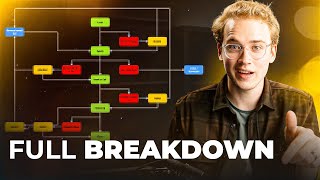
Peter Vander Wall maps where B2B service leads drop off (application, booking, showing up, closing) and builds automated sequences to catch them at each stage. A "Lead Safety Net" of named email and text flows keeps prospects moving through the pipeline instead of disappearing.
Chapters
In this video I'm going to be showing you how I automated my entire sales process of selling expensive stuff to strangers on the Internet. So hopefully by the end of this video, you're going to see how you could potentially automate this entire system for yourself. And not just automate it, but also do a good job automating it, because that's really important. You have to understand the entire process, top to bottom and each component, how to do it manually before you could ever possibly automate it. Right. Because if you automate it without understanding the right way to do it, you're just going to automate a shitty sales process you already have. And that's not what we want. So let's dive in. I got my, my Miro board here and we're just gonna go through this. So first thing I wanna show you is just kind of the ideal scenario, the ideal flow. When I have leads come in. So when I have a lead come in for my business, by the way, this applies to a lot of the businesses we're working with too. But this lead comes in whether it's from a VSL funnel or a lead magnet or whatever. The first step to get them to working with us is to get them to apply. So they're signaling intent here. And the reason this is an application instead of going straight to book a call is because I actually want to filter out people who aren't a good fit for my process. Right. I've got an application survey with some questions and basically like some logic behind it that either routes them to a call if they're a good prospect, or routes them to a low ticket product or just kind of tells them to kick rocks if they're not a good prospect. But assuming they are a good prospect, they'll go to book a call, they'll book a call with me. The next step would be for them to actually show up on the call, which is harder than you might think for some people. And then the final step here would be to close as a client. So this is the ideal scenario and in a perfect world, every single lead would go through this entire process. But we don't live in a perfect world. And so this is what usually happens. There's a few drop off points here that you probably have experienced yourself. So first thing could be that they become a lead, meaning they opt into some kind of form. You've got, maybe they request a lead magnet, maybe they, they watch your video, sales letter, whatever you've got their contact info, but they don't apply to work with you. Okay, so instead of applying, they just straight up don't apply. And most people, this is the end of the road for these leads. You just kind of, you know, if they don't apply, they don't apply. Like what can you do about it? Well, I'll show you what you can do about it in a minute. But the next, the next drop off point you'll experience here is they may apply and then not book a call. So they apply but don't book. They apply saying yes, I want to work with you. But then when it takes them to book a call and they don't book a call, which might seem crazy, but actually a solid percentage of people are going to do this. So that's our next drop off point. Now after this, let's say they do book a call and this is a huge drop off point by the way. But your show up rate for a lot of businesses, especially if they're getting leads from cold traffic, something like ads, your show up rate could be really abysmal. You could be Getting less than 50% of people actually showing up to your sales calls. So this is your next drop off point. They book a call but then they don't show up at the time and date and location, you know, in the zoom room or you know, pick up your call when you, when you dial them. Now the final drop off point here is your close rate. So they're going to show up to the call and then they simply don't close. Whether that's your fault or your sales reps fault for, you know, not not getting the job done or whether that's just, they're just not ready to buy from you. So most businesses, each of these four drop off points, they kind of just like let people fall off the bandwagon and they don't really do anything to follow up. Maybe for the people who show up to the call, but they don't close, you might have some kind of sales process where you like email them every couple of days for a few weeks. Just saying, hey, just following up on our call from the other day, you know, wanted to see if you're ready to buy from us. Obviously that's not a good way to follow up and we'll kind of walk through that. But this is what happens for most businesses. Leads either buy AKA they go through this entire process perfectly, jumping through all your hoops or they die, AKA they end up in one of these drop off points and don't get retargeted or brought back in. There's no safety net to catch the people who are dropping off. And so this is the process that we've built out. We call it our lead safety net. And this is how we make sure that the people who fall off at these drop off points can get back into your sales process. So I'm going to go through them one at a time. So let's, let's say someone becomes a lead and they don't apply. And so what we've created here is what we call a new lead book, a call sequence. Okay, so using this sequence, this is an email sequence with a couple of texts in there if you are grabbing phone numbers. But I know a lot of people don't grab phone numbers from leads. I don't actually grab phone numbers from a lot of, from my leads most of the time. So totally okay if you're not grabbing their phone. But at the very least it's an email sequence and basically this one just walks them through your entire customer journey. Okay, so let's say you're running a VSL funnel, you've got a video sales letter, which by the way, if you don't know anything about that, I got another video on that, you can learn how that works. But let's say you're running a video sales letter funnel, getting people to this free training that's ultimately a sales letter, selling them on your service. Right. So you've got these leads coming in, they're watching the video, but then they don't apply. Now the great thing with this new lead book, a call sequence is we're going to have a really tight sequence of emails, usually like seven to 10 of them, that we're gonna send them once a day for the next seven and 10 days. Right. And it's gonna walk them through your entire customer journey. Basically everything they would need to know and everything they would need to be convinced of in order to be ready to buy from you. So this is gonna include things like value content where you're actually teaching and kind of showing your expertise. It's gonna include authority content where we're kind of elevating you as an expert in the space. Think like if you've been on a podcast that people in your space know or if you've been may invited to speak at an event or a mastermind people would know of, or maybe you just have a relationship with somebody who's kind of a big name in the space. And by the way, this doesn't have to be like a legit celebrity. It could just be somebody who's Kind of industry famous or niche famous in whatever industry you're working in. So the new lead book, a call sequence is going to basically walk people through your entire sales process or your entire customer journey so that they're convinced of all the things they need to be convinced of in order to buy from you. And so if somebody is a good lead in the first place and they don't apply, then they're going to apply, hopefully through this new lead book a call sequence. Now, the alternative, if they don't apply from this, the alternative is that maybe they're just not a good lead, they're not a good prospect. Maybe they're just completely not in a place where they're ready to buy and that's totally fine. And so they just end up on your general email list. And so they're getting emails from you, you know, three, four times a week for the next six months maybe until they're ready to buy from you. But there's no point at which we're just telling people to completely kick rocks unless they're just not a good lead to begin with. Now your next drop off point is they apply, but they don't book a call. I will say this is probably your smallest drop off point out of all of these, but it's still super important because you're getting people who are signaling intent, right? Because they're filling out this application form, but they ultimately aren't booking a call with you. And so a lot of times I like to think that these people are, you know, they get distracted, right? Maybe I'm going through your funnel. I'm interested in hiring you for your accounting service or your legal service. Right. I'm going through your funnel and you know, I apply and I'm trying to select a time to book a call and my wife's in the other room and she calls my name and, you know, I have to go up and help her open a jar of pickles or something. Right. This is honestly more common than you might think. Maybe a text notification goes off. Like there's a million things that could distract people while they're on their phone trying to pick a time to book with you. And so we want a sequence that's going to retarget these people and go, hey, you know, I saw you were, you applied to work with us, but you didn't, you didn't select a time to meet with our team. We really want to make sure that you're able to get a spot on our calendar. You know, we book up very, very Quickly. So here's a link you can follow to go ahead and book a time that works great for you. Okay, so if they don't book a call, this is what we're sending them. We call this. The qualified application didn't book a call sequence. And this is a sequence of three or four emails and a few text messages because now we do have their phone number from the application form they filled out. And so we're going to retarget them this way. We might even manually call them. And ultimately if they don't book a time from this, then that means that they probably decided after they applied somehow or from the application form that they're not really interested in working with you. And so that's where we send them back to your general email list to just get nurtured and nurtured and nurtured. Build that sense of know like and trust so that eventually they do feel like they're ready to work with you or that they do want to work with you. So that's drop off point number two, they don't book a call. Now let's say they book a call and they don't actually show up. For a lot of you, maybe this isn't even a problem yet because you're getting most of your leads from really warm sources like word of mouth or referrals from, from referral partners, stuff like that. A lot of times your show up rate is going to be really good. 80% plus when they're coming from. You know, my friend Bob told me works with you and he told me that you guys would be great for helping me with xyz. Right? If that's the case, then your show up rate isn't probably an issue for you. But as soon as you scale beyond that, like very small warm pool of clients that's available to you, whether you get onto social media, whether you get into paid ads, whether you just get into a new referral partner who their audience isn't as warmed up, then your show rate's going to become a real problem. Industry standard show rate for paid ads, for example, is like 50%. That's like abysmal. So we don't want that. Right. So we've got some things in our process that are going to help more of these people who book a call actually show up the first time. But let's say we've done that, you know, we've got our call confirmations and our call reminders and everything like that dialed in. What do we do with those people who just don't show up anyway. So in this scenario, what we do is we send them a no show rebooking sequence. And so this is again, calls, texts and emails. It's a combination of the three. And so this is going to basically be like, hey, you know, miss you on our call today, miss you on our meeting today. Hope everything's all right. If you want to rebook, here's a link. Okay. That's the first message. You're assuming the best of them. You're assuming they just forgot about it or something came up on their schedule which is, you know, totally happens. Right. And then as time goes on over the next two to three to four messages you send, you're just kind of instilling a sense of urgency, like, hey, want to get you on the calendar. Really quickly our calendar fills up and I want to make sure we get it back on track to have our conversation about XYZ problem that you're facing. So ultimately, if they don't rebook from this, they just end up where back on your general email list like everybody else. And this is beautiful. This is a beautiful thing because this is just our catch all safety net for everybody who falls off. Because ultimately like the reason they're falling off is probably because they don't have the sense yet that they have to work with you. They don't have the sense that my problem will immediately get solved by working with Peter. They don't have the sense that Peter's an awesome guy who I really enjoy working with. They don't have the sense that, you know, Peter has done this before for other people who are just like me. Right. And so that's where we can build that sense of know, like and trust over the course of even the next year. Right. Uh, the sales cycle could be super long, but we're gonna get there eventually. We're not letting any lead die. So we go back to here, they don't show up, we send them this no show rebooking sequence and, and ultimately if they don't rebook from here, they end up back on our general email list. Now our final drop off point here that we've identified is if they close or don't close. Now this one's a little bit more nuanced because now you've had a face to face conversation with them on your sales call. They showed up to the sales call, you had a conversation and they didn't close. And there's one of two things that could happen here. Number one is your sales skills just aren't up to par. And so they didn't close because your sales skills aren't great. Right. You didn't handle their objections. Right. You didn't build good rapport, like whatever it is. Right. And we all have those days. Like, it's not a diss on you. But this is really important because the other potential issue is that they're literally just like not interested in what you're offering. And so we have to be able to treat people differently whether they have one problem or the other. And you have to have the humility to admit, no, my sales skills just weren't up to par on this one. Or no, my sales skills are up to par. Like, I did the best job I possibly could. This prospect just isn't somebody who is ready to buy from us. So let's say they, they don't close on the sales call and it was just kind of a matter of like, you didn't handle their objections well. Like you got kind of the I need to think about it objection. Right, We've all heard that one. So they don't close because they need to think about it. So what we're gonna do is we've got this no close follow up sequence that we're gonna do. And in this, by the way, this is not no close fu. This is no close follow up, quick note. And this is more of a manual sequence than it is because we've had a conversation with them. But there is a set process for how we're gonna follow up. There's set kind of scripts that we're gonna be using and kind of templates that we're gonna be using, filling in with their specific situation. So it's obviously customized to them and kind of customized to the conversation you've had with them thus far. Okay, this is really, really important that you customize it here because if it's completely automated, just copy paste for every single person, they're gonna notice that's gonna give them a bad feeling around your brand. They're not gonna like that. But we may be able to, through this follow up, still get them to close. So for those prospects who they show up on the sales call, they don't close. We follow up with them and they still don't close from that. Also for the prospects who show up and they realize like, oh, I'm not really ready to invest into what you're doing. It's not a good fit for me at this time. You know, whatever it is, they're legitimately not going to close. Even if you follow up with Them, right? Then we're going to send them to our 60 day follow up. And this is again not 60 day fu, 60 day follow up. And the way this works is we're gonna stop sending them emails at all for the next 60 days. They're not gonna hear from us, not gonna hear from us once. And the reason for this is because when we do follow up with them, we want them to notice it. We don't want it to be like, oh, they're seeing emails from us three to four times a week. And so like, you know, there's a small chance they notice these. We want them to for sure notice. Oh, I haven't gotten emails from Peter in a while. I wonder why he's sending me messages now. And they actually open it. And the idea behind this 60 day follow up sequence is basically, hey, no, we talked a few months ago about help XYZ problem. Just wanted to make sure you found some kind of solution so you're actually taken care of. If not, hey, let's catch up, let's hop on another call and see if we're good fit to work together at this point. Okay, we already spent 30, 45 minutes, maybe an hour on a call with this person. Why would we just like let that time go to waste? Right? Let's hop on another call, let's check back in with them. If they found another solution, great, no problem. If they didn't find another solution, they're probably still looking. And you have a really powerful objection handle now of hey, like you were dealing with this problem 60 days ago, you didn't do anything and look, you're still dealing with this problem today. Are you going to be in the same position 60 days from now again? I hope not. And you know, that's a really powerful way to be able to get them to close. Now if they still don't book in and they still don't close from this 60 day follow up, guess where they end back up our general email list. Right? And so this email list is just all the time, three to four times a week into infinity, sending people to apply to work with us and hopefully get them on our sales calendar. So guys, this is how I automated my entire sales process A to B with you know, a few simple email automations, a few simple text automations and kind of some phone scripts. Hopefully this was super valuable for you. If you liked it, please drop a subscription down below. It really does help. And if you want to see more content, check out the video linked in the description right below this.
More from Peter








How This Bookkeeper Scaled From $30k/mo → $92k/mo in 2025 [LIVE WORKSHOP RECORDING]

