Speed of Sound sensor DVS
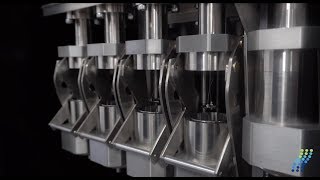
Surface Measurement Systems built a speed-of-sound sensor that detects temperature shifts smaller than 0.001 degrees and can distinguish CO2 from N2. A person standing nearby once changed the readings just from body heat, showing how sensitive it is.
Questions this video answers
February 6, 2019.
Prof. Sorption.
It can see changes in temperature in the speed of sound of less than a thousandth of a degree.
More from Prof.

Webinar: Advances in Measuring Gas and Vapor Permeation Through Membranes and Barrier Polymers

Webinar: Determining Solubility Parameters of Bacterial Cellouse Through Energy of Adsorption

Online Webinar: Recent Technological Advances in Adsorption Based Direct Air Capture

Online Webinar: Surface Area of Pharmaceutical Ingredients at Real World Conditions by IGC



Hybrid Workshop: Measuring Material Vapour Pressure Properties Using Advanced Sorption Technique

PCL Hybrid Workshop: Recent Advances in the Characterisation of Pharmaceutical Powders


Using Advanced Techniques to Test the Performance of Recycled Bathroom Tissue | A video summary
