What is the difference between Inverse Gas Chromatography (iGC) and Analytical Gas Chromatography?
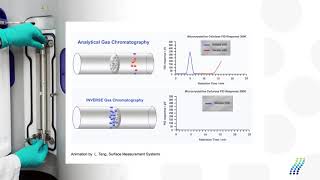
Inverse gas chromatography flips the setup: the sample becomes the stationary phase while probe molecules travel through it. By measuring how different probes stick at various temperatures and flow rates, iGC reveals surface properties like energy and polarity without destroying the material.
Questions this video answers
August 16, 2019
Nitrogen or helium
Methane
Retention time
Chapters
More from Prof.

Webinar: Advances in Measuring Gas and Vapor Permeation Through Membranes and Barrier Polymers

Webinar: Determining Solubility Parameters of Bacterial Cellouse Through Energy of Adsorption

Online Webinar: Recent Technological Advances in Adsorption Based Direct Air Capture

Online Webinar: Surface Area of Pharmaceutical Ingredients at Real World Conditions by IGC



Hybrid Workshop: Measuring Material Vapour Pressure Properties Using Advanced Sorption Technique

PCL Hybrid Workshop: Recent Advances in the Characterisation of Pharmaceutical Powders


Using Advanced Techniques to Test the Performance of Recycled Bathroom Tissue | A video summary
