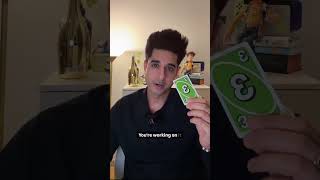
In this coaching video, Rahul Wadhwa—who has conducted over 1,500 interviews—explains why the common “I’m a perfectionist” response to the interview question “What’s your biggest weakness?” is ineffective and often a sign of dishonesty. He describes the instinctive human reaction to hide weaknesses when threatened and how interviewers use the weakness question to assess a candidate’s self‑awareness, honesty, and willingness to seek help. Wadhwa outlines a three‑part framework for a genuine answer: (1) identify a real weakness, (2) describe a concrete consequence of that weakness, and (3) explain the steps you are taking to improve. He provides a personal example of struggling to give honest feedback and how he is actively working on it, emphasizing that authenticity, not perfection, is what interviewers value. The video’s core message is to avoid rehearsed, Googled scripts and instead present an authentic, improvement‑focused narrative.
Chapters
What's your biggest weakness? The first thought in your head is, they are going to reject me. So you panic. You think, if I tell them a real weakness, they won't hire me. I'm a perfectionist. I work too hard. I'm Rahul Wadhwa, 1,500+ interviews later. Let me tell you the psychology. Humans naturally hide things when threatened. It's instinct. Someone asks you about your weakness, your brain immediately goes, danger, hide. And then some genius online guru told you, turn your weakness into a strength. But that's not answering, that's hiding. Here is what you need to understand. Everyone has weaknesses. Me, you, the person interviewing you. And there's nothing shameful about admitting you have one too. But here's the thing. If you get the job, they are going to find out what your weakness is eventually. Either you're honest about them now, or they discover them 3 months later in when you're already working together, and maybe you'll get fired for that. Which do you think is worse? Here's what I'm actually testing. I'm not trying to reject you. I'm simply testing, are you self-aware? Are you honest? A weakness now, how will you handle feedback when you're actually working here? If you can't say I'm not good at this, how will you ask for help when you need it? This is what's happening in your head versus mine. If I say a real weakness, they won't hire me. If they say a fake weakness, then I can't trust them. You think honesty is disqualifying you? I think dishonesty already has. When you say I'm a perfectionist, I know you Googled that. Now I'm wondering What are you actually hiding? And moreover, what else are you hiding? Not because you have a weakness, because you're not being honest about it. A good answer shows 3 things: you know what you're not good at, you'll be honest enough to admit it, you're working on it. I don't need perfect, I need honest. I'm too detail-oriented, I spend too much time making sure everything is perfect. That's a lie disguised as humility. Who are you kidding? I'm not good at giving feedback when people ask. Someone asks what I think, I say it's great even when it's not. They don't improve, I get frustrated. Working on it now. I force myself to give one real thing they could change. Last week I had to tell a teammate their work was not great. I am getting better at being honest instead of being just nice. See the difference? One is polished, fake. Other is not, uncomfortable. That's what I'm looking for. So next time, next time, don't think they're trying to reject me. Think they're trying to see if I'm being honest. Don't reach for that perfectionist script. Think about something you're actually not good at. Tell me what it is, what happened because of it, what you're doing about it. Be honest, you're still working on it. That won't disqualify you. Lying will. What's your biggest weakness? The first thought in your head is, they are going to reject me. So you panic. You think, if I tell them a real weakness, they won't hire me. I'm a perfectionist. I work too hard. I'm Rahul Wadhwa, 1,500+ interviews later. Let me tell you psychology. Humans naturally hide things when threatened. It's instinct. Someone asks you about your weakness, your brain immediately goes, danger, hide. And then some genius online guru told you, turn your weakness into a strength. But that's not answering, that's hiding. Here is what you need to understand: everyone has weaknesses— me, you, the person interviewing you— and there's nothing shameful about