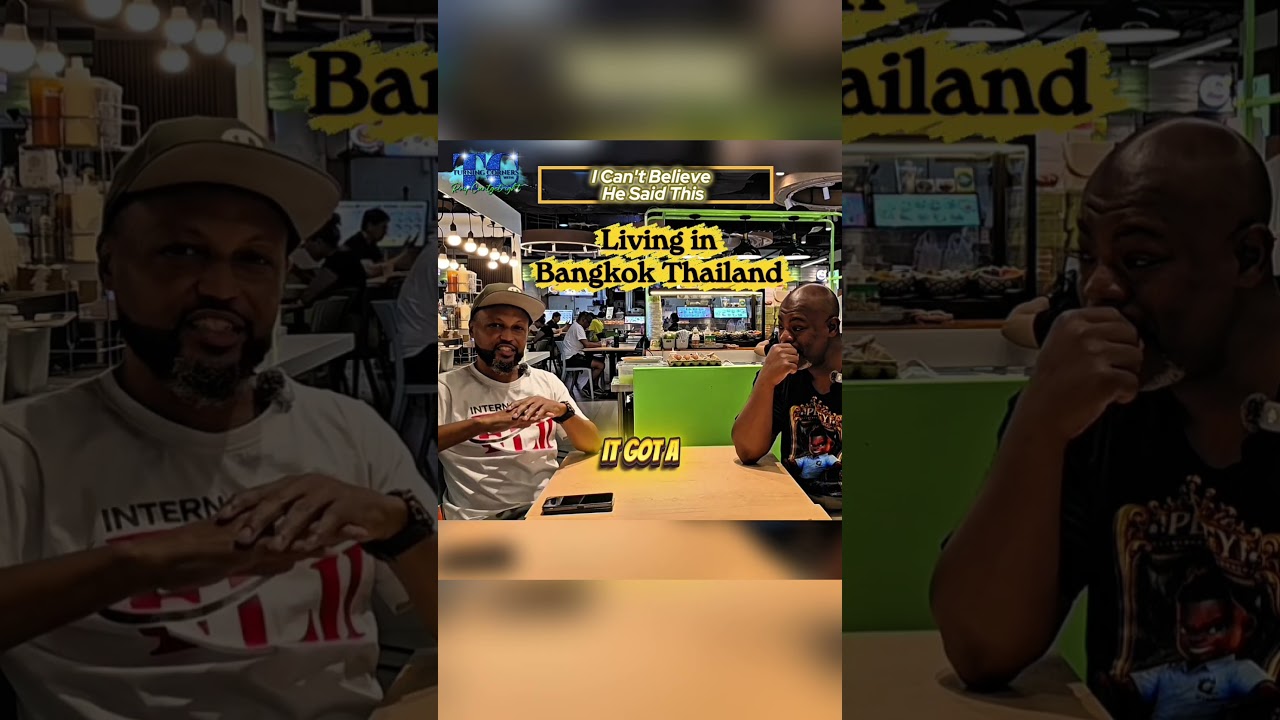
In this candid, diarized interview, Ray Sorrell talks with rapper Lil Sin about his journey from Boston’s East‑Coast scene to San Antonio’s Southern hip‑hop world. Lil Sin recounts how a demo tape recorded with a Boston‑based DJ led to a deal with Boulevard Records in April 1995, just weeks after turning 21. He explains the personal tragedy behind his debut album Frustrated by Death—nine family members lost to cancer—and how Tupac’s influence shaped its lyrical tone. The conversation moves through his sophomore effort Who Got Your Back, detailing the pivotal collaboration with Texas legends UG K (Bun B and Pimp C), the role of producer Sean Wee, and the shift from local to regional/international exposure. Lil Sin reflects on his coping mechanisms, emphasizing that he never used hard drugs, using music as therapy. Financial pressures, label recoupment, and the high cost of touring are discussed, leading to a turning point when Scarface produced a beat for him in 1998, after which Lil Sin quit the industry, briefly worked at Subway, and even signed a sandwich wrapper. Throughout, Ray interjects with humor and probing questions about fear, competition, and artistic integrity, painting a vivid portrait of an artist navigating grief, ambition, and the business of hip‑hop.
Chapters
Life is too short, bitch.
Now turn that corner, corner, corner. Real player, real player, dream chaser. I wasn't Lil Sin yet. I'm S.A. Fool.
S.A. Fool, that's your name?
Yeah, that was my name in Boston. Boston, I'm S.A. Fool. I'm San Antonio Fool.
Okay, okay, okay.
So he told me I wasn't ready, so I hooked back up with my, uh, kinfolk. Uh, well, he was my best friend for years, Dietrich Daniels. He had a cousin named Johan who was a DJ and had a studio. So he's the first person I hook up with to do another demo tape. Okay, this ain't good enough for PKO. What I can't— I'm coming down with Boston music, so I'm sounding like an East Coast dude.
Yeah, I didn't think about that.
Yeah, yeah. So I'm sounding East Coast. I got my East Coast friends on here, you know what I mean?
We—
wait a minute, man, we ain't feeling that. Yeah, we different. It's good music, but we different. I'm thinking What we care about in Boston is the quality, the mixing, the mastering, how professional it is, not what we're saying and how the beat is made. You know what I mean?
Right.
Down South, man, we wanna hear that bass and make us move.
You know what I mean?
So that wasn't going down. So I hooked up with Yo-Han to make a whole new demo, but now I got Down South beats. Now I could talk about what I know, San Antonio. So I started getting on those beats. Boom, got my demo made. And then the first person I went to was Boulevard Records. Buck and my homeboy— shout out to Buck, George Sullivan. Uh, I was over Pee Wee's house, William Barnes, playing my demo of the stuff I was making, jamming to it. And he came over and heard it. And when he heard it, he was like, man, man, my uncle got a record label, Boulevard Records, man. You let me get that tape and take it to him. Can I let him hear it? I'm like, you know me, yeah, go on, take the tape, man. I'm trying to get my deal, you know what I mean? And he took the tape to his uncle, uh, Boulevard Records Trey, and, uh, rest is history, bro.
That's crazy.
You know how long I was here from Boston? I moved back from Boston. I remember these days. March 2nd, 1995. You know when I signed my deal? April 3rd, 1995.
No shit.
I was here one month before I got my deal. That's how determined I was. Because if it wasn't there, you know who called me? Who just called me? Big Chief from Rap-A-Lot Records. That's where I was going next if Bear didn't sign me.
And at this time, you, you're not even 21?
No, I just turned freshly 21, February 21st, 1995. March 3rd, signed my deal. I'm freshly 21. I'm not even 2 weeks 21. Yeah, man.
So let's talk about the album real fast for those who don't know. Frustrated by Death, man. Um, it's a classic. Classic. It is a— it is. And even now, if you go back and listen to it, you was on some different stuff.
Yeah.
Now, now I gotta ask, because I always wanted to ask you this, and I said, I said, when I, if I get him here, I gotta ask him. Did that have any Tupac influence on it?
Heavily Tupac influence.
Okay.
Heavily.
Okay, okay, okay, okay. I want— I've been wanting to ask that for years, but I was like—
3 of those songs on there, I thought I was Tupac. 38 Reasons, You better not tell me I wasn't Tupac. You better not tell me, Ray, I wasn't Tupac on 38 Reasons.
Yeah, yeah, yeah, yeah.
I'm Tupac, man. I studied him. That's my favorite artist in the world, man. Ever since— that's the first person who wanted me to— I wanted to rap because of him. That, that's my idol, man.
Yo, yo, yo, first of all, Frustrated by Death. I'm a lyricist. I'm one who listens to the, to the lyric. What does that mean? I'm frustrated by death.
It was a personal phrase for me, uh, at the time. My dad, my grandma, my uncle, oh, my grandpa, my cousins. I got 9 deaths when I wrote that album. All of them cancer. So I'm just frustrated, man, by death. And the reason I should have said just frustrated by cancer, bro, that would have been the best title I can come up with for Frustrated by Death. Because at that time I was so frustrated and tired of losing family members behind this damn curse, cancer. And guess who, who all died? All the musicians. My dad, the guitar player Rodney, Ralph, my grandma, all the musicians gone from that same disease. None of them got killed tragically, none of that. All of it's one disease— cancer. That's where Frustrated by Death come from. I'm tired of this shit. Yeah, that's frustrating about that. Mm-hmm. Yeah, that part. And if y'all see me get a little emotional, it's just some normal shit. Yeah, yeah, yeah.
It's crazy because again, again, we're talking about—
we cool too, babe.
No, hey, we can, you know, I get it, I get it. I'm not in your shoes, but the love that we have for people, because, you know, they see rapper, they just see, you know, the gangsterism and tough, tough, tough, tough.
I ain't never been that nigga. No, it's, it's, um I ain't never been that nigga.
So the thing about life, I get it, turning corners.
Yeah.
Frustrated.
Shit.
It seems like at the midst of all or some of your darkest moments, was coming success.
Yeah.
So it's on one end, I'm excited about the success on the outside.
Yeah.
But the other side of it is I'm hurting.
Yeah.
Because I'm writing some great songs, but they're based off of pain that I'm going through.
That I'm going through, bro. Uh, if I can explain it, that was really my therapy, my help, now that I look back at it, you know what I mean?
Yeah.
Uh, in the beginning, it— I sent my old own self through a depression. When I sit back, listen to the album, ah, I'm listening to my story, and it's like, golly, this, this hurts. I'm really going through this. And I'm writing about this, all this pain, all this, you know what I mean? So at the time we're in the garage, going back to the garage on Dory Block, I'm drowning in that depression because I'm listening to myself, everything that happened, you know what I mean? And it's like, how do I get out of this? I can't get out of this. It's like I wrote my own story to drown in my own misery, if that makes sense. I get it, you know what I mean?
Listen, as a comedian, I get it.
Yeah.
Because that stage helps me heal. The barbershop— I got, man, I got degrees. Why don't you ever— nigga, the barbershop, I can vent, I can talk. You know, you came to the shop.
Yeah, man.
You know what I'm saying? So, so, but as an artist, there's something about Being able to express that pain. Some people who don't have it, they run to drugs.
Yeah.
Run to alcohol.
Yeah.
Different, you know, coping mechanisms.
Yeah.
You were able to not only write but inspire in the midst of your pain.
It's crazy you say that because in my whole career I've never ever been on heavy drugs. I think that was one of the reasons, because I was able to release my pain through my writing and my music. You know, most of us entertainers get on hard drugs, bro. I would barely drink alcohol before a show. Get that shit away from me. I want to be totally focused. I pot head, you know, and smoke weed all day, but as far as any cocaine, never tried it. No weird-ass drugs, popping pills. I don't even take Tylenol, so fuck your X pills and all that shit, you know what I mean? So I was never, as an entertainer, on anything hard. I was always in my right mind, and I think it was because through the writing and the music that I was letting the stuff out of me.
So you get over Frustrated by Death? Yeah, yeah, not get over, but you, you've accomplished That you came back, Dream Chaser, your focus.
Yeah.
You took what you learned, you adapted coming back to Texas, you you you adjusted, and then your next album, Who Got Your Back?
Woo! Boy, that's a big step. That's like going from local to mainstream. One hundred. Life is like.
Da da da da dum dum dum dum dum.
I remember a lot, but life was going way faster than Frustrated by Death years.
I, I, I can't imagine because on this album, the song that hands down is the runaway is Free.
Yeah.
I Want to Be Free.
Yeah.
Featuring— watch this— featuring— not you featuring on their stuff. I, I gotta make sure I said it.
Yeah.
Not you featuring on their stuff. UGK, i.e., Bun B.
Yeah.
Pimp C.
Shout out Bun. Rest in peace, Bun.
Uh, how did that come about? And let's just talk, man, because me and you off camera, we've had some great conversations.
Oh, definitely.
About those times in the living room and You know, you up there in Houston, you doing all your things. You are now away from family.
Yeah, yeah.
You're away from your woman.
Yeah.
Your kids.
Yeah.
You are now, you know what I'm saying, you're a dream chaser.
Most definitely.
You are, you are, you are away from life as you know, but not knowing for us, you've already experienced that in Boston.
Yeah.
Now you're dealing with H-Town.
Yeah.
A city full of, you know, very talented people, very talented artists. How did you come in contact with UGK?
Uh, first of all, it started— I wanted to do a song. I mentioned it to Sugar Bear Boulevard Records when he asked me who did I wanted to work with. That, that was the first group came out of my mouth, UGK. So when we finally go to Houston, uh, Mean Green. We already had a connection with Mean Green from the first album, Frustrated by Death. So who can help us put this second album together? The best person to help us put this together is Mean Green. He's the key to the city, because 979 The Box was just piping hot, the radio station. Uh, so we hooked up with Mean Green. Uh, Mean Green invited me, and I'm— I don't care about dragging this story out. At first I was going to try to skip some stuff.
No, I want to hear this.
Come on. Once we got to Houston, me and Sugar Bear, uh, in front of Jamaica Jamaica Club, we met up with Mean Green. We had set up the meeting and we didn't go to no buildings or office. He used to always be in the box truck in front of the club, so he invited us there. So he's like, hey man, yeah, okay, come inside there. Boom. So I get, you know, Mean Green sitting in the front, Bear get in the front, I'm in the back, and it's another dude back there. I don't know who he is at the time, you know what I mean? So he's like, hey, CM, man, who you wanna work with, man? I said, man, I wanna work with UGK. So right on the phone, we had them little PrimeCo cell phones.
Ah, you crazy.
You know what I'm saying? Crazy.
Yes sir, yes sir, yes sir.
So man, he called Pimp right on the spot. Say, man, uh, I got an artist out of San Antonio that want to work with you, man. This boy named Lil Sin. So as soon as he said my name, I could hear through the phone, Pimp said, oh, the Dead Homie song? Yeah, the boy do the Dead Homie song. Yeah, I mess with him.
What's up?
You know what I mean? He's like, yeah, he want to work with you guys. So boom, he was like, man, well give his manager my number. Wop wop wop. And from right there we hooked up. It had to be a day or two later, man. I'm meeting Pim C in the studio over at Port Boulevard and we start working on Free. So that's how I met UGK, through Mean Green, man. And with Bell, man. Bell fulfilling my dreams. Whatever I mentioned and pointed at, Boulevard Records went and made it happen.
And I know maybe, maybe, maybe you don't see it, how amazing this story is. Boston, coming to San Antonio, dealing with a whole bunch of, you know, trauma.
Yeah.
Pain.
Pain.
In the midst of that, not giving up. Now you are working with no doubt Texas legends. Yeah, no, no, no doubt. Anybody— hip-hop legends. I, I, I'm, I'm apologizing for even saying Texas legends. Hip-hop legends, you know, Pimp C, you know, UGK, so many other people that we're going to talk about.
Yeah, Ray, I dream—
When I ask this, don't get upset, okay? Is that fear? Is there intimidation? Is that like, damn, I'm in the room with Bun? I'm in a room with Pimp? I'm in a room with all these producers? Are there— is that intimidating? Is that fear? Or is that, shit, nigga, I'm about to go get it?
I'm about to go get it. That attitude I had coming from Boston was so competitive.
Competitive.
Okay. Yes, uh, hip-hop is a sport to us on the East Coast, you know what I mean? I see you do something, I'm trying to come with a different style, be better. It's not just to where it is today, to where competition, anything said on the mic leads to death, shooting, or all that. We knew it was strictly on wax. So when I, I dreamed of working with UGK, I knew Pimp was a great beat maker, but I— to me, Bun was a lyricist. So it was cool. I wanted to work with Pimp's production.
That's crazy. I never even knew Pimp did, you know, was—
Yeah, he's a beat maker. He's— he makes the beats and everything. All the— he produced 4 tracks on my Who Got Your Back album. He made those beats, the hooks, and all that stuff. But when I looked at Bun, I looked at someone from the South who's lyrical. So there was no fear when it came to Bun. I'm finna get on this track and show I go just as hard as you. Even though I respect him, he's somebody I want to work with. Yeah, but in that 21 years old, I'm not— boy, it's no way you finna outshine me on my track. I'm finna come get you. So that's the relationship lyrically between Bun.
Yeah, yeah, respect, respect.
Yeah, I salute Bun. Still to this day, we still talk, you know. Bun just texted me the other day. I shoot some messages here and there to Bun. We still message each other here, back and forth. But that day when I created Free I'm only 16, boy, feeling grown. One more, 'cause moms is tripping. Nah, you ain't finna outthink me on my track. Outrap me on my track, Bun. So now when I met Bun, it was no fear. It's let's go. And I could tell that was his, uh, persona too, 'cause he picked up his pen like, I ain't finna let this— who are you? 'Cause I'm San Antonio. Listen, don't nobody know me.
Yeah, yeah.
Don't nobody know me. But how am I sitting in the room with UGK? They think I'm gonna go ahead and let them make my track. Uh-uh, bud, you better come with it. I'm something different. So that was my attitude back then.
No, no, no, no, I, I love that because, you know, the thing about it, people, people— I, I'm not a rapper. I mean, I do, you know, AI songs and shit like that, you know. I do my shit. Uh, but as far as when I get on stage If I'm cutting hair, you're not gonna outdo me. I'm, I'm about to let you know, okay? How funny you are, I got some shit. If I gotta pull out them old jokes and, and something I know this room ain't heard, I'm gonna bust your ass, you know what I'm saying? I'm gonna do whatever I gotta do to— the competition with, uh, Dream Chasers is, is personal.
Yeah.
I can't sleep if I know you got me.
Mmm. That's how I feel about music.
I can't, I can't sleep if I feel like, like that motherfucker tore my ass up on my shit.
Yeah.
So, so Erykah Badu said something one time. She's— I, I— what was it? Called Tyrone, and she was like, all right, y'all be nice because I'm sensitive. I'm— we say I'm an artist. And I'm sensitive about my shit. So did Pimp C— is he the one that made the beat for I Wanna Be Free?
Uh, really, that song was produced by 3 of us. The drum track was produced by one of Pimp C's friends. I just got off the phone with him last night. His name is Sean Wee.
Okay.
Sean Wee made a lot of drum tracks to Pimp C's music. That was Pimp C's secret weapon. Wow. So when we made Free, the first thing that was created was the drum track, and that was all Sean Wee.
Okay, that's something else.
Just the drums, just the drums. Okay, nothing else in it, just the beat. That's all Sean Wee. Pimp C ain't got nothing to do with that. So Pimp C comes to me How you want this beat to sound? Here go me. Dum dum dum dum dum dum dum dum dum dum dum on top of Sean Wee's beat. So Pimp C grab the keyboard and play what I'm humming. Dum dum dum dum dum dum. Okay, all right, Sin. What else you want to hear?
Damn.
Yeah, Pimp. I want them beat them bells. Ding ding ding. You can hear some little Christmas bells real if you listening to the beat. That's my dumbass. Put them Christmas bells up underneath, man. They sound good. Okay. So we all 3 produced that beat. Pimp C played what I was humming to him, but the drum track was created by Sean Wee. Shout out to Sean Wee, man. I just hollered at my boy the other day before the Bun B concert. But that's how Free was created. I'm, I'm producer on there, Pimp C's producer, and Sean Wee did the drums. That's all—
that's, that's old school. There ain't no— that's old school, you know, because now People, it's different.
Yeah, we used to like to sit in the room, man. Uh, Pimp C never done the whole track by himself, you know. We would sit in a room after he do a skeleton of the beat, or he'll call a bass player to come, guitar player to come. Funky Fingers played on a lot of my music. Sleepy Brown on the song Good Pussy that Pimp C produced, that's Sleepy Brown playing the bass. I recorded that at Sleepy Brown's house. This is the people I was around, who he was taking me around. I was on my way, man.
No, no, no, no, no, no, no, no, no. The, the energy in that room, the energy of being around your peers. Yeah, you know what I'm saying? You're in a room full of lions. Everybody in there is eating. How was that experience I mean, we understand the Boston, we understand, um, we understand come back to San Antonio, getting the Boulevard Records, all that. But at this time, you're a dream chaser, but you still got a family at home, right?
Right.
You're a dream chaser, your money ain't hitting the way you want it to. You're a dream chaser, you see what's happening But you have real life happening too. How is that? Because I recall some of them days.
Yes, you do. Uh, very difficult to be a good artist because, you know, uh, the record label didn't ask for the family I was creating. You know what I mean? Now this is the way I think today, but back then I'm creating a family that I think the record label need to take care of because my talent is good enough. At this time, I don't know books. I don't know what Boulevard Records has spent on my albums. I don't know what return that Boulevard Records has gotten, you know what I mean? And at that time, I could be truthful now, Boulevard has spent way more money than they made off of Lil Miss Sin during this second album. We're going to get you, GK. I'm working with Beto. This is the man who played Mind Playing Tricks on Me. This is the man who do the beats for Scarface. I'm getting beats from these people. Aunt Banks, who works from Too Short. These beats ain't cheap. This traveling, hotel fees. I, I stayed in a hotel for 2 years. I didn't know what a house was. This ain't cheap. Them rental cars ain't cheap. That gas ain't cheap. My outfits ain't cheap. Back then I'm wearing jewelry. This ain't cheap.
So, so, okay, let's keep going, keep going.
So they're spending— it's a budget being spent on you. There's overhead being spent on you that has to be recouped. And me as an artist going 99 miles an hour, I don't know what's being recouped at the time.
Yeah.
But then I had a good enough manager, man, to sit down and show me what the hell was going on. And there were way more money spent than we made at that time, bro.
Hmm.
So yeah, Lil' Sin had a big name, But my record sales wasn't like that yet. I'm a local artist that turned regional. Now it's time to go international. So, man, how do you go international? You better be able to press up a million copies to go international.
Yeah.
That ain't cheap.
Yeah.
I'm used to pressing up 10,000 at a time with Frustrated by Death, sell out of them. We did that 4 or 5 times and we selling records. We sold 50,000 in San Antonio by itself. We selling records as a local artist. We are doing good.
But now it's a whole different—
It's a different ball game. You move to Houston, now you're regional. And my regional, by putting UGK on the record, went to international so quick when I blinked my eyes. I didn't know what the hell was happening when we did that song, UGK and me with Free, and he put that thing on 979 The Box. Say, man, I had a mental breakdown. I was touring with UGK so much, I left the tour. Shit was going so fast, Ray. I wasn't ready for this. I'm used to San Antonio local artists. Look, seeing, hey, I'm in HEB signing autographs. I enjoyed that moment, Ray. But when I got up there and did that song with UGK, this shit feel like a job now. Now I gotta chase this shit. It started getting unreal, brother. I didn't want to be an artist no more.
Wow.
I quit, Ray. I quit. You know, the day I quit, and I knew I was gonna quit, that day Scarface did a beat for me that nobody never knows. It's called Danger. When I'm rapping fast on Who Got Your Back, Scarface made that beat. When that man sat in my session and told me he was the coldest thing I ever heard, I was God, dream fulfilled, brother. I don't have to set another fucking record. My idol told me I was cold. I'm done, bro. I knew I was done then. That was 1998 when I walked out of that studio. I'm done, bro. What else is there to accomplish besides getting some money? What— look, what any artist have told that Scarface has told that can sit here on this camera and tell you the same thing. I hope Scarface Hear me, because he knows what he told me. I sat in his session with him and Bito One. My manager can tell you the same thing, because when I left that room and got in that car, you know what my manager Sugar Bear asked me? What the fuck did Face just tell you? What'd he talk about with you? I said, nigga, you're in the same room with me. I heard the same thing you heard. So I left out the room, you know, I get emotional, man. My idol told me I'm cold. I go in the corner and go cry somewhere. This nigga say, man, he just off $250,000 a year for you. A part of me wanted to go back door and say, Face, I take that money. But a part of me said, nah, man, these niggas have been treating me for 3 years because I was on Boulevard for 3 years. These been my brothers. They care about me. I'm finna get washed up through the wringer over here. And I didn't take the deal. He'll tell you that. Face offered it. I didn't take it. I came back home, said fuck everything, left the house in Houston, everything, came home, start working at Subway. Sandwiches, making sandwiches. Can you sign that wrapper for me? I look up, oh, you Lil Sin, right? Embarrassed like a motherfucker. I signed it though.
Life is too short, bitch.
Now turn that corner, corner, corner, corner. Real player, real player, dream chaser.
More from Ray

Grown folks only #rnbmusic #raycantgetright #oldschool #grownfolks #viralreelschallenge