FARMING WITH NO FROST FREE MONTHS! (avdem gardsgrønt with Sofia Maria Bang Elm)
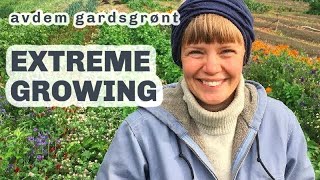
A filmed farm visit and interview (Sep 2018) where Richard Perkins visits Sofia Maria Bang Elm at Avdem in Norway (≈62°N, ~600 m asl). Sofia describes establishing a 2,500 m² vegetable garden in a very short growing season with frost nearly every month, her crop choices (salad greens, brassicas, beets, carrots, onions), low-input tools and investments (BCS, wheel-hoe, bed roller), soil-building strategies (green manures, compost), sales channels (weekly boxes, restaurants, farm shop) and the local cheesery and mountain-dairy traditions that anchor the farm business.
Chapters
Good morning. Well, it's six o' clock in the morning and I've just woken up in this beautiful rooftop tent somewhere up this mountain about seven hours north in Norway. I drove last night up from the farm. Look at these wonderful wiggly windy roads. But today I'm super excited. We're off to go and see Sophia who single handedly in a two month growing season is smashing it in her veg garden. I'm super excited to go see her today. So I finally made it. Hi Sophia.
Hi.
So great to be here. I met Sophia at market garden training in a few weeks ago and I got really inspired to come and see her epic work up here. We're at 62 degrees north and there aren't exactly many other veg growers around here. In fact, I don't think there's any. And so thanks so much for showing us around. Just for context, we are six and a half hours drive north from our farm. I drove up last night and I thought this was a couple of months without frost. But you're saying you get frost every single month here?
Yeah, both this year and the last year. Of course nothing is certain but we have had frost. But it's not like hard frost but.
Just like light frost. You can see even the zucchinis in the background and nasturtium right under us. It's got frost damage already. And you'd be planning to shut the garden down come October?
Yeah, that's the plan, yeah.
I've never been to a market garden with such a short growing season. So maybe you can just give us a bit of the background like what this farm is and what your project is here.
Yes, the village here is called Lescha and We are located 600 meters above sea level. So it's.
There's still snow up on the mountains.
Yeah, still. And still it came not very long ago.
Yeah.
And I think there live maybe 2,000 people in a very big area here and everyone are farmers, grass farmers with the cows or sheep.
It strikes me that this is. This is a tree and pasture landscape right there is that's all that people could have survived.
Yeah. And some people grow a little bit potatoes for themselves. But also there's a risk to this because sometimes they freeze and then. Yeah, so yeah, people aren't really doing anything else. The grass and we can stay here.
So this is your partner's family's farm and it's quite a famous cheese making farm. We'll go up and have a look in the shop and look at some of the incredible Cheeses and they've got a well established business selling down to Oslo to chefs and restaurants. So what made you come along and start up growing vegetables in a place where no one grows vegetables?
I met my partner at the ag school in the west coast of Norway. I'm actually from Denmark, but went to ag school in Norway because found it more interesting. The approach is more like to small farms and more diversity here in Norway. Yes. And then I met my partner and he was like very certain that he should home and take over his farm. If we're going to take over this farm, I think we'll be the ninth generation here. So it's like a very strong traditions up here. And I was quite skeptical in the beginning, but especially when he told me that you couldn't grow apples here. I was like, from Denmark, we have apples like weeds everywhere. It was like, how can you live a place where there's no apples? But I came here and sometimes and yeah, I like the place.
And it's like, it's so, so beautiful. I've just been driving up the valleys with crystal clear mountain streams full of trout and what's it gray that you have? Beautiful fishing territory and just crystal clear water. Like it's pristine here, isn't it?
And also coming from Denmark, it feels like everything is cleaner here. The air is cleaner. Yeah. The water as you mentioned, everything is just like so clean and so unspoiled somehow. Yeah. If you look from above, you see it's such a small part of this environment that's actually touched by humans. Otherwise it's just like mountain landscapes. So I feel it's a very clear and healthy environment for vegetables as well.
But it's such a short season. Right. You're. You're going to be under snow in a month's time.
Yeah, probably.
That's insane. And when would you start planning out? Like when's your main push of getting things in the ground?
I think it's in the. If it's a good year, it's like in the beginning of June, we planned maybe in half. I think the old people say that when you're halfway through June that you're. You can always be. Yeah, yeah. So after, after finish ag school, we moved up here in May last year. And for me the main reason to come here is of course I was very interested in growing vegetables. But also I just like moving out here very far from my family and my friends in the middle of nowhere. I really needed a project of my own. Like something that also could help establish me on this farm and make me have like some kind of. Yeah feeling home feeling or like. Yeah. Attachment to the place. So yeah, I just started out. My father in law gave me this piece of land that's like the only, only piece on the farm that's actually where it could be possible to grow vegetables. And I just found all the different varieties of vegetables and maybe I had, I think I had four types of broccoli just to test out. I didn't know anything what could actually what was possible here. So I just needed to test out everything. I had 30 different vegetables last year and that's just. Yeah what works and what doesn't work. So this is actually this year is the first like real production where I yeah have a little bit of background knowledge what's actually working up here and, and what people want to buy. Of course the garden is almost 2,500 square meters and I run it mainly by my own. If I really really need help then maybe I can get my partner to come and help me but he's, he's very busy on other parts of the farm and every. Everyone here is very busy with their own things. So I'm actually yeah, I just have myself to count on. Yes I am. I sell the vegetables this year I sell the vegetables in boxes like weekly boxes to local people and local does also include an hour drive from here. So because people, yeah people live very far from each other here and yeah maybe there's not really enough people in this exact area. So I've expanded a bit and then also to get in touch with restaurants and things like this. I need to go one hour this way. But yeah, the first year when I came I didn't know anything about sales or anything and just phoned around to some vegetables and yeah people were very positive immediately. And then I've been very lucky to go under like the, the logo of this farm to call myself a avdom which is like the Cheeseries has worked 10 years to get this. Yeah this very. This name well known like for quality and small, small product cheese. So I have 30 customers that buy this weekly box and it's three months that's certain that they get the. And then this is the first year so we'll see. Maybe I'm able to deliver in October and if I buy a caterpillar tunnel from you maybe I'll even be able to next year to offer vegetables in June. This year I started from July. So I think maybe half, at least half of the vegetables that I produce goes in these boxes and Then I go. So yeah, a lot goes also to restaurants out in Andalsnes. And then I sell quite a lot during the busy season. We have a lot of tourists driving through the valley. So I sell quite a bit up in the small farm shop we have up here. I'm in the special situation that it's not my farm and I don't actually have anything to pay off. So I'm very lucky this way. So for me it's going very well, like I think. And yeah, I started like without nothing. I had no savings or anything. So working on the west coast, waiting for my boyfriend to finish act school, he was like two years after me. I just save. And every month when I've got my money, I just buy equipment. So this is like everything is from scratch. And yeah, I haven't taken up any loans or anything. So. Yeah, so the feeling of being able to. Yeah, to see the big business growing and it's always your own money that comes into it and goes out. And I use all the monies to buy new equipment and it's. Yeah, it's a good feeling. And I'm not like, I'm not going in minus or what you call it. But yeah, I can live during the winter that is very long here. If I want to, I can work. Otherwise I can just don't spend so many monies, but I can. Yeah, I can live for it. And this spring, when I was planning the season, my goal was to increase the sales like maybe one third more than last year. And I. I think that it's going to. I'm going to succeed in that way. And I think like we're building a packing station up here and to get. If I'm. If I'm able to get even more efficient than the. Then I think also. Yeah. And learning more about what people actually want to buy. So I don't have so much waste then I think I can. Yeah. Expand the economy even more in the. Yeah.
Awesome. What strikes me is this is like Brassica heaven. You're saying it never rains here, really? Yeah, never really low.
Yeah, it's actually not so moist. But yeah, the Brassica are really thriving. And. And also we have a. I think because of. With this high altitude we have a very low pressure of both diseases and pests.
Yeah, well, they don't even get too mundane to lay eggs.
That's true. And also this valley is quite windy, so also the carrot fly and things like this we don't have to cover.
So you're going, what are the different crops that you're focused on. Like what's your sort of main staples, would you say?
Yeah, I promised myself last season that I should. Yeah, I should have fewer crops this year. And then when you sit there and you buy your seeds and suddenly you just have a load. So, yeah, I think maybe I went from 30 to 25 this year because also because of the vegetable boxes. I really want to people to taste new things and show that what diversity you can actually grow here. And then also it's super important for me to have many different sorts because if something gets destroyed because of the frost or something, then I have many legs to. To stand on. Yeah, this AC greens is actually my main crop here. There was maybe one fourth of all that that I earn is from this crop. So I try to seed it very often to always be able to supply. And this, this is. I mix this. I mix these three misuna and these curly ones to like a baby salad leaves.
You don't get any flea beetles?
No, not really. But I have had some slug problem this year. But yeah, it's not so bad. But no flea beetles? No.
Amazing.
Yeah, yeah. So restaurants really like it and also I've been. Yeah, I haven't been telling people something else, but they think that this special taste of Asian green is maybe because we have this in this high altitude, that it's just salad that tastes extremely strong. And I haven't told anyone anything else.
So.
Yeah, that's good for me. And it's very easy to grow. Of course it blossoms, but I just try to seed it continuously. So this is like. Yeah, this is what I really do want to do the all also more of next year because I haven't been able at all to supply the need of the restaurants.
So you got some ducks here?
Yes, I've got some ducks a few years ago now, a few weeks ago actually, because of the slug problem.
It's not the Spanish slug we have. It's like a small slug.
Yeah, it's a very small stock, but they make huge problem savings. Destroyed all my cauliflowers this year. And you see all the holes are because of slugs. And they also really like to eat on the top so it gets really nasty. I don't really know how effective these ducks are now. They've been used to me like feeding them slugs from other parts of the field because.
Yeah, they come look, they think you've got some slugs for them. Yeah, they're beautiful ducks.
Yeah. And they really. Yeah, it's Moscow. They really, really like slots But I just hope they are able to find them on their own. And yeah, maybe when I take everything down, I also have got like 20 chickens. I might want them to come and eat some eggs and something.
So do you find they damage the actual crops?
They do a little bit of damage, but they not, not so much that I wouldn't have them here. But yeah, I wouldn't, I wouldn't have them in the Mizuna for example, and I wouldn't have duck there neither. So I take them here. You see all here is. He was like summer cabbage and the. And then I seeded the clover under like green manure. So it comes up. So this is just like finished, finished, finished beds and they can go around here and they don't do so much damage to the, to the cabbage. Cauliflower is. Yeah, it's really something that I haven't succeeded with this year and I'm very disappointed because last year I just had the perfect cauliflowers. But maybe it's because it's been very warm here this summer as well.
A bit of a drought.
Yeah, both that and also much warmer than it's meant to be, maybe in a much longer summer.
And you got some awesome looking Beats over here.
Yeah, the Beats really, really like the climate here as well. They really, they get huge. But yeah, I think my, my main work is to get people to buy beets. When I'm at the market, it's like all I'm doing for, for five, six hours is just like telling people what it is and how they can use them. So I think I'm doing a big work there because people are not, yeah, they're not at all used to beets. And it's, it's very clear that they buy what they're used to. They buy the salad, they buy carrots and they buy turnips, like these things, old traditional things from, from Norway. And they need like inspiring, inspired inspiration to. Yeah, to have to use different things. So that's also one reason why in this weekly vegetable box I also put a, like a letter, like write a little bit about how it's going in the garden. We had any frost yet and different things and then what's in the box and then tips and tricks how to use the different things. And it also, it takes some time for me to do this every week. But yeah, I like it. And people really, I think that's the main reason that they, yeah, they get the vegetable used and they get inspired.
And they send me pictures like, look.
What I cooked for Dinner. And it's so nice.
You tell them. It's very cute. You tell them month to month, if you've had frost that month.
Yeah, it's getting colder now.
And what's your soil like? What are you farming on?
This is old cow pasture, so it was quite compact. And a small part of this, I think it's actually the upper part was used for, like, potatoes for many, many, many years. And it's very clear to see, like, it's. Yeah, it's almost just the soil up here.
So you're putting back a lot of compost. You can see in the background.
That's what I want to do.
And you're also working with green manures.
My partner took, like, soil fertility course with some German guys that are very much into this to get the life back. It's the soil you need, like, you need the roots. So we've been inspired by this and tested out some green manures. So we just. We actually don't really till them. We just leave them to die over the winter. And then you can just, like, rake. There's almost nothing left after nine months of winter. And, yeah, from last year, I think it's a huge difference in the soil already because of these permanent bits in the. Yeah, we've been broad forking and the soil is loose. And this spring, when I just saw a massive amount of earthworm. Earthworms, Is that the name? I was just so happy because then you really feel you're doing something right. When I came here, I was like, oh, what is the soil? And I knew nothing about. And I couldn't really see any animals, any life. And so it really feels like I'm doing something right for the soil, even though I'm producing a lot of vegetables. So it's nice.
That's bizarre about this place is. Look, there's still strawberries ripening on the bushes. And yet half the things dying from frost already. So, second season and, like, what were your main considerations? You got giving this bit of land, so you had to work with that. And then what's been your process since then? Like, what have you thought about the place?
Yeah, the main consideration in the beginning was what can actually grow here. And I must say, like, it's. I was very happy. Surprised that actually almost anything can grow here. Of course, there are some things that doesn't work. And the. For example, the first year I tried them beans. Like green beans?
Like low bush beans?
Yeah, exactly. And I got some beans. So if you want it in your garden, you can probably do it. If you cover them when the frost comes. But there's a lot of things you might not grow if you want, you want a big harvest just because of.
The low light and short season because.
Of the frost because it damage. It damages the leaves and the. Yeah. Squash, beans, a lot of. Yeah. These summer plants can't handle it at all. And then you've got all the other beets and cabbage and onions that they maybe it just tastes, tastes better when it has had a little bit of froth.
Yeah. What. So what was your main like you've chosen to go with beds up and down the slope is it's quite wet here in the spring I imagine when snow melts.
Yeah. This. On this particular spot we always have snow lying quite long so we were thinking that the water could run it away.
Yeah. And that seems to work well, no.
Yeah, I think so. We had a lot of garlic in last. Yeah. Last September I think and it was so nice. See like when the snow melted they come up and you still like see the snow and the sprouts and. Yeah. It's very, very big life force.
Beautiful solaria. It's not woody. I better.
No, no, I think it's nice. And really one thing coming from Denmark up here also my mother was just visiting and she said the same that everything is sweeter, much, much sweeter and tastes much fresher. And I guess that's because of the cold as well. And in Denmark I, I really didn't like cabbage at all because it's like. Yeah, it's so woody and it hasn't really got so much taste. But here it's just like a favorite vegetable because it's like so sweet and juicy in there. So that's also something that really inspires me that I think the quality of the vegetable vegetables gets so, so nice up here. The flowers is very important like for the joy of being in the garden with all the colors. And then in the shop they use a lot of small flower bouquets like to make it cozy and nice. And my mother in law really adores flowers. So I just planted a lot of flowers and most of them are edible too. So I also put them in the box and people think that's very interesting.
What is that one with the purple flower?
I don't know the name in English but it's.
Is it edible?
Yeah. At least it's not poison. But it doesn't taste good. But it's, you know. Is it called Salville? It's like in the same family. It's called in Norway, it's called something with salville. When they eat of this celery, it gets like this brown bit. But I have a lady in Oslo that makes a lot of juice, so I'm going to sell everything to her. For example, this one just got all eaten in here.
It's really annoying, but they look beautiful.
Yeah. And they are really, they're so sweet. Then I have some more. One thing I really underestimated is how many carrots people actually eat. I think i3 doubled from last year. And still. Yeah, all these empty beds there are from carrots. And so I have some more here, but they're still quite baby. So I haven't planned good enough. Yeah. To get this over overlap. So they're still like quite small, but they're very good. And I also sell them in this size, just more expensive. But next year I'm going to have even more carrots. Like carrots. And then this misuna salad and the spring onions is really what I really want to focus on. And then some beets as well. This will be the main focus. And then I might have smaller parts of the other vegetables for the boxes and things like this. But if you want to make more money, you also like need to focus on these crops that can get a.
Good profit and that will go mainly to chefs and. Yeah. So focusing in on chef customers. Customers and then still providing a bit of diversity for your boxes.
Yeah, exactly. And then. Yeah, I think it's nice. And then the chefs, it's a little bit unstable because you never really know what they want to order. But to have to combine it with the boxes where, you know, you get so and so much money in every month. It's a, it's perfect setup. And then I really appreciate this contact with the, with the, with the buyers really to get to talk to them and get feedback on the products and what they eat and what they don't really eat. And I really enjoy it.
So you've got green manures that you don't actually till back in necessarily. You just let them die back and they kind of get assimilated over the winter. But maybe you could tell us about the compost. Like what's your strategy with that?
The thought about that this year, it's the first, first year I'm trying it because we have all the manure from the cows goes into this tank and it's like wet manure and I don't want it in the garden. So I've been using this eco chicken pellets, chicken manure, pellets that's like the main manure in the garden. But then I've been so lucky to be able to buy a lot of compost. So the thought now is like to put a layer maybe like this on the top and then all the beds that has not green manure, then cover them up for several reasons. Both like to protect the soil during the winter if we have a lot of heavy rains and things like this. But also the compost is so black and our soil is very. Almost white here. It's like gray almost. So maybe will warm up quicker as well in the summer. And we really need this in this short season. So I hope it works. The. That's. That's the plan with the compost.
You have very limited access to compost here too. Also. It's a problem all over Scandinavia. Do you know what this is made of? It looks like it's got woody material in.
It's like from a Lillehammer garden. Garden garden. Stuff from people's garden.
Some mixed clippings, grass clippings, tree clippings.
Yeah. And it can be everything. It's like I'm not. So I would really love if we could be able to make our own compost or like collaborate with somebody that did or something. So you really knew what went into this because there's also a lot of small plastic bits. And we found the. Yeah. Stuff in this. This pile of compost. But taking it out by hands, you have a. You have the chance like to see and sort and take things out you don't want into your soil. But it would be like the dream to have a. Yeah.
To have someone making professional compost on an industrial scale in Norway.
Yes.
And Sweden and Denmark.
Exactly. I invested in this BCS mainly to have the rotary plow for putting up the beds. We put them all up last year and the. Then we've actually been. This spring we've been driving the rotary plow again, like to get them a bit higher. But that was a bit of a mistake because. Yeah. When they are too high the. The soil falls down and suddenly you don't have these 75 centimeters anymore. You maybe only have 60. And the onions are falling off the bed. So we've been trying to put some wood chips on, but we don't have enough. I only wanted from him that was kind of.
To fill up the pathways.
Yeah.
And also like to stabilize the whole lot.
Yeah. And to be able not to weed in the pathways. But we need a lot more. But I was a bit. Yeah. I. I only want it from. From beach or from. I didn't want it from pine trees because I was concerned about the ph in the soil so. And we don't have so many trees here that are not pine trees. So every now and then when they cut something down they give it to me and I drive out with it in my wheelbarrow. Yeah. So that was one thing. The other tool I have to this PCs is the flail mower that I use to like for for example when I finish the broccoli or the cauliflower I just mow it down and yeah it's a really nice. Instead of pulling up whole plants that take so long to be decomposed. So I'm very happy with this. But then I also bought this rotary harrow it's called. But this is just too steep and it's so heavy for me. I'm just a small girl and I yeah just several times when I've been driving it's just like getting stocked and then having to get somebody to help me get the tractor off. Yeah. So it's really annoying. So I'm not gonna use that I think.
What's your sort of long term plan with the beds and like very minimal tillage and compost up applications as you.
Need them and yeah for now we only I use this to flail mo and then maybe if we're going to make more beds or thinking about making them longer and make them the middle path wider like to get a better. Yeah more space to turn and for the wheelbarrow and things like this. So then we'll use this. But otherwise yeah it was a big investment there and like to get started so fast. We came in May and we produced vegetables in the same season. It was really important to not. Not that we shouldn't make the beds for hand so but I don't know how I'm going to use it in the future. It's a. It's much more difficult to use it here I think than if you have a totally flat area. So that's all.
I mean you can always sell it down the line if you decide you don't need to it.
Yeah. And then we have a small tool to take up potatoes. We have a. Maybe a potato field that's the same size as this but it's like normal tractor tillage thing. But for me to being able to sell early potatoes to just be able to take them up with this machine and not getting involved with the big machines and getting somebody to help me is very nice. And then we have a Little wagon. So I hope maybe if I figure it out and if it's been. If it can pull it up the hill, then maybe I'll. Maybe I can spread the compass with this wagon.
Yeah. Somehow That'll be awesome.
Yeah.
I love that little bed roller. Tell us about that.
Yes. This. This is from Denmark. It's. Yeah. I was. I think I was just lucky. I. It was the only one. So I can't even tell a company that makes them or anything.
It's like a secondhand deal you got online.
Yeah.
That's epic. And it looks 75 centimeters, right?
It's not really, unfortunately. So I was really thinking when I visit your place, I wanted to get this bedroller where you also have these rubber straps so you can. You can make. You can make lines because you can.
Buy just the rubber straps off Johnny's.
Okay. You can. Okay. Yeah.
Yeah. But these look like decent risers.
Yes, these are just. Actually I just found these old farms here. Used them before they got these big sprays just like having 20 of them out on each field. So they lie around here in the.
I saw that driving up this. Like all the farms have big irrigation coils and you were saying there's very little rain. But are they using that even for pasture?
They were in the old days. So that's. That's quite crazy.
So.
But that means that I've just. I found what I could found here on the farm and I needed some more and I just called my neighbor and she was like, Yeah, I have 30s down here, so it's very easy. But it's a huge work to water because I. I can water like with one at a time and I. Maybe in the season I have 10 here.
Because of your pressure.
Yeah, the pressure might be okay, but yeah, it's just a system I've got now.
With the one with the hoses, you mean? Right.
Yeah.
So you might need to invest a bit in different.
I think I will. I can't tell you so much about this because I got it in very late in the season, so I haven't used it anyway yet.
This is a teratech wheel hoe.
Yeah, it's a teratech wheel hoe with a bio discs that also like a hill hill a bit at the same time as they're weeding. But yeah, I've been on this course with Sean Martin and he recommended this for carrots and green onions and a.
Lot of stuff also he uses it for like bed prep now with a. With the kind of oscillating Hoe heads. So they do min till bed prep with one of these and then using the rake on top. And that's it.
Exactly.
It's versatile too.
And I had the horse before the horse wheel hoe, but it was too heavy for me and it was like it was not really made for a small person. I feel much more comfortable with this one and it's much lighter and yeah, I really struggled with the hors and also changing the tools. And this is. This has so many easy solutions, so I'm really looking forward to use it. But of course you really need to get your planting straight. So that's also one one of the reasons why I wanted this bed roller you were having.
So, yeah, it's a good.
Be able to.
I think it's worth it just for that.
Yeah.
And you're using simple cedar for pinpoint. See it? Do you like that one?
Yeah. I haven't been disappointed. I think it's a. You don't have so many opportunities in.
There, but it's quite cheap, like compared to the six row that we recommend. But it's like you're finding it's accurate enough.
Yeah, I think it's okay. Yeah. I bought this last season and after some months cutting the salad with the. With the scissor, I was like, it was gorgeous, this one, to get this in there.
So give us some stats then, because it's. We've talked about this on videos in the past, but like, what sort of time saving do you reckon per bed you would get with a tool like this?
I couldn't even. I couldn't say, but huge. I mean, maybe 10 double as fast as I can do with the system.
20 times. Yeah, maybe 10 doubles. Basically all the tools you're using is very simple, very straightforward. And there's one more basically to show us. What's this one?
Yes, this is a Terratec Flextine Weeder. It's very heavy, actually. Maybe a little bit too heavy for me, but. But it's very nice. I've just used it a few times now and I'm very happy about it. And for all the mizuna and spinach and things that I'm using that you. You just can't hand weed and you can't use the. Use the hose because they are. Yeah, they're so dense. So this one is perfect. I really. I really like it. And it has the right width.
It's kind of using the weight of the tool to. To minimize the amount you need to physically pull, I guess. Right.
And it's and then when these meets the bigger plants, they just move away so they don't damage. Maybe do a little bit of damage, but not, not very much.
So a good investment as you're scaling up your salad greens.
Yeah, exactly. And then it's not so super, super expensive either.
So this is where you do all your wash. Yeah.
And this is because I'm too small.
So it's pretty. And you just got old crates from the, from the farm. You're kind of just setting up with what you got.
Right. Yeah. And one of the reasons it's so simple as well is also because we are building a house here, like that's going to. To be a pack station and have coolers and everything. So I didn't want to do anything big and yeah, I'm just.
Anything permanent.
Yeah. And I'm just getting the money gradually, so I can't. And in the beginning as well. I couldn't just invest in everything at once. I just like whenever I got money, I just buy something new.
Yeah, yeah, yeah. And so what would you say that you like, what have you invested so far? It's money wise, not time wise.
It's hard to say, but I think it was maybe the first year, maybe 100,000 kroner or something like that.
Well, it's more than €10,000, I guess like €11,000 as it's Norwegian crowns. Yeah, but that's a lot. A lot of money went into the bcs, right?
Yes.
Which is a very long term investment.
Yeah. The BCS was like actually first, second season first. I had like a very old grillo. It's like a small tiller. No, it's actually almost as strong as this, but it was like 15 years old. And I just bought it like for. To make the bets so we could run it like for one season and then it broke and then. So it's just this season actually I bought the BCS and all the tools and that itself is like 100,000. So apart from this, also the first year, maybe 100,000 and then again this year.
So 100,000 first year and second year. I mean it's very low cost data.
Yeah.
And that's also a lot of it.
Yeah. And the, the money is. Is from the business and from. Yeah, there's nothing.
You haven't taken any loans or anything.
But I have had like from the. When I moved here from the commune.
Right.
They gave me like 40,000 Norwegian crowner, like for a. Or I applied this funding and I got that. But it's a lot of work with that as well because you have to document everything. And actually before I could get the money, I had to. Yeah, document everything, sure. Blah, blah, blah. So yeah, I'm actually more into doing it myself so I don't have to do so much paperwork.
I want to hear about your new packing shed. Sounds awesome. So this is like going up for what it is a multifunctional wash pack store station.
And it's actually the main thing is like to get Avrum gas in one place because now my tools and everything is all over the farm and like to. Yeah, and like. Yeah, to get everything in one place. So in here we're going to have a cooler and we're going to have a washing station and we're going storage for everything.
This will be a game changer wonder.
Yeah, it'll be huge game changer.
So it's very common to have these grass turf roofs here. And you see looking at this vantage point of the packing station, it's going to have these massive roof timbers to be able to structurally support not only the weight of a living roof, but also the extreme snow load they get here. We're going to go and see the cheese making facility which is what this farm is famous for. I'm super excited to try some cheese. Okay.
So this is what you can see now. It's Sunday so nobody's working here now, but it's in here. It happens. So the milk comes directly from the stable. We transport it with tractors so we don't have to pump it because we had to be very careful with the quality. We're making unpasteurized products and that's. We're one of the few that like got into that in the beginning because it was illegal for a long time. So we need to be very careful with the quality and also with the food that we feed the cows. And they get a lot of hay here because it's so dry. We have. It's possible to make a lot of hay and we make very nice cheese. And you're gonna see them when we come up to the shop. It's not so much to see here right now, but this is where it happens.
This is a model of the shop up on the highway.
Then this is the model of the shop. And so in this winter they're going to build like a viewing deck. Yeah. And it's going to be now it's a shop. It's a very old building. So we have no water, we have no toilet up there. And that's a big problem when you want to serve food.
It's actually a whole new part of the shop. In the shape of a cheese.
Yeah, exactly. So we're going to have a nice kitchen and a lot of people drive us past here. So we are going to have a lot of nice food. And that's also going to have a huge impact on my production because then I can be able to. To sell a lot to the kitchen here.
That's awesome.
So that's the new project and that's very nice. So we're going to have a windows here like and the view over the valley. So that's it. But it's a huge investment. But we. We have. My partner's sister is all engaged in this shop. So she's. She's very happy about this. So just wanted to show this. It's a big kettle because the cheesery and all our houses here on the farm is heated by wood chips from the local forests. And since we have so much forest here and it's actually only good if something gets cut so we can have more open lands. It's really nice.
So this is a big automated like. So you have a big barn full of wood chip. That's like all get into here.
Unfortunately not yet. But we have a underground. We have a big. Maybe for one week. If we fill it up for one week. But he need to cut wood chips and he has a big cut of my father in law.
So he pulls like. Like something like this is pulling the wood chip up into the burner and.
Then huge like this.
So that's doing the whole dairy and all your domestic.
Yes.
Yeah. That's awesome.
All the hot water in there. So that's nice. Okay. This is Abdomspuh. It's very close to the main road. So when you're going to the west coast you pass the shop. It's a very old building and it has been continually shop here since 1878. And now I'm not quite sure but some years ago my partner's sister took over this building and she like changed. Yeah, changed the shop from being like a typical grocery shop to like a local shop. The main purpose is to have a place to sell our own products that we make on the farm. We make several both like local traditional products but also very nice cow cheeses and butter and sour cream and lots of stuff. So this is what we sell mostly in this shop. Otherwise Anna that runs the shop has lots of contact with the small growers was here in Norway. So we represent the things small, delicate, delicates and delicates from all over Norway. And a lot of people come by here during the summer. And I'm also very lucky to get to sell my vegetables here. So that's a place where people can buy them. So two of our famous products that we make down at the farm is the Fjeld running. It's called the. The Mountain Queen. And it's like a toast to the old women that worked on the mountains making cheese in the old days.
So can you tell us a little about that? It was a fjord farming system where in the summer the women would leave home and go and live up in the mountains for months. And the men would do arable farming at the bottom.
It's not so way back. It's actually cigarette. Which mice partner's father. Her. His aunt was actually the last woman working at our mountain farm making cheese the whole summer just lived up the mountains. There were a few women from the area here that had their cows up there. So they worked together and that was like a tradition. And the men were down here harvesting the grass and they're doing all the farm work. So this is actually a toast to these women. It's a very nice cheese. It's stored around four months. We have two varieties. One is eight months or more, and this is four months or more. It's unpasteurized, which is still a little bit rare here in Norway. It's very nice, and it sells to restaurants in there. It's very good. Another special product we have is hulderust. Hulder is like a fairy tale creature that's from the mountain that has this tail. A very beautiful woman that has this tail. It's a brown cheese. So these are connected very close because from the way when you. You make the cheese, you cook this. It's a very big tradition here in Norway. You cook this. And this is actually milk sugar, and it's spiced a little bit with some aquavit, like some alcohol and kvan, which is herb from the mountain. Yeah.
Amazing.
Yeah. And you are going to taste this on the waffle today. It's very sweet, very nice. So this guk is a very special product that people come and ask specifically for that because not many people make it. But it's like this huld roast that I told about before. It's like melted whey when if you don't cook it completely, it's soft still. So this is the soft version without any. Any herbs or anything added. It's just like pure. And then you have this where you put like the coagulated Cheese inside the whey. And then you get this very weird rubber texture. And especially older people loved it because they've known it from their childhood. Then we have like a feta tube, like salt cheese. Then we have pulto, which is also a very ancient cheese. It's the proteins, almost only the proteins. I don't know so much about how they make it, but yeah, many people also want this. It's also like people drop this. Yeah.
How do you use that?
We eat a lot of flatbre, which is like a very Nicky brand. Yeah. So we would eat it with this and like this salty meat and things like this. Some people eat it on the bread or.
And what about. Because this is like in Sweden we have mirschmur. It's like you can spread it on bread or Kennekki bread. It's a flat baked crisp bread. But what about gu? How would you use that?
I'm asking. I think they.
You've never even tried it, have you?
No, I really. I don't really like it, but I think they make slices and put it on the bread or something. I think so.
Awesome. And then you also have yogurt.
Yes. And also have a very nice yogurt.
Is that non pasteurized?
That is pasteurized because of the consistency.
You have to heat it to make neobi.
You don't really have to, but if you want a good date in the shelf life, you want to pasteurize it. And if you don't pasteurize yogurt, you get this very weird.
Stringy.
Yeah, both that and it's not. It doesn't get really thick as well. So that is. I think that might be that. And then of course this, which is cooked for hours, is our like only pasteurized products.
Well, I've got a long trip ahead to drive down to the south of Norway today. But these are like local made sausages, cured and dried in the village with salt. This is reindeer with beef and different reindeer salami. So I'm stocking up on these, ready for my long trip. This is great marching or driving food. Now look at this.
So this is a waffle with the vanilla ice cream and cloudberry jam. And then dried cornflour.
Yeah.
And then it's. We rasp this hulra ost this brown cheese.
Wow.
Put it over. So this is very good for desserts and it's very sweet and nice.
I have never eaten anything like that. It looks awesome. Some sheep coming down off the mountain here. We're right up on the top of the fjell. Wow. It's a bit of a moonscape up here. It's very exposed. We're right up on the top of the ridge, looking down right over the valleys you see behind me. But I'm heading up the trail to the buildings that would have been the accommodations for the women running the dairy during the summer months. So here we are up at the top, right on the peaks of the hill, these beautiful old buildings. And you can even see snow on the mountains in the background. And this would have been the holdings where the women would have traditionally come and done all the dairy work and lived up here all summer. And there's no one out. This is used as summer lodgings for holiday, if anything now. But these are very old buildings in very nice repair. And this is what life would have looked like for most of the people living in this area for half the year. Basically coming up here and there's holding pens for animals and they would have been free roaming up onto the ranges right in the background. And I was particularly interested to come up here because this is a major part of the landscape in this Fjell region all over Norway. It would have been very important part of family life. You can see there's some holdings here for sheep under the house. And as you heard Sophia say, it's not even so old. It was just a generation ago that people were still living like this. And these buildings are incredible, really suited to the landscape with the traditional vernaculars of timber from the surrounding woods and stone and living roofs. And I must say this is in quite good repair. I mean, they're probably using it as summer holiday homes. But just look at this. What a beautiful view out across the valley. And nice to know there's still animals using this landscape. I expect many of these kind of sites have fallen into disrepair as people go to mechanized farming and robotic dairies, etc. One of the interesting things about the farm and the dairy business is it's still done in an old fashioned way, relatively, and it's a lot of labor. They're not using robotics like most modern dairy farmers would, but it's what gives them the quality of the cheese that allows them to collect a premium. Because with the constant milking of robots in modern dairy, the quality is not the same. This technique of taking all the milk at once, whilst it's quite labour intensive, it does allow them to basically collect all the milk and separate all the cream and make much better quality cheese. So they actually stopped purchasing in milk from other farms for their products because the quality was going down with the advent of robots now, it's probably a little bit windy on the microphone, but just thought it's interesting to bring the camera up here, just get a sense of the different habitat. You see how stunted the trees are. There's a wonderful old birch tree here. It's almost like a bonsai. Very shallow soils, a lot of bare rock. But I can just get a real sense coming up here of how the tinkling of the bells on the cows would have been sweetly echoing through the trees. And daily work of milking and making cheese. And here's some old fire spots. People took shelter. It could have been an old shelter, I guess, but very different landscape up here. And yeah, I'm just gonna sit up here a while and take in the view. I think, wow, it's breathtaking up here. And it's really amazing to think like what people are doing and putting their hard graft into and investments and lives into at such young ages. Sofia is 26 now. Her partner is a couple of years younger. And we didn't get to ask her about the hours she puts in. But she works extremely hard and I wanted her to talk a bit about that because I always like to reiterate to people like, yeah, this stuff is doable, but it takes massive workload in the beginning when you're setting up. And I'm just super impressed with what she's been able to do on her own in an extremely challenging climate. I've come up with here just to really get a sense of what the landscape was like and what it must have been like for the women to come up here in the past and do the dairy up here and then imagining it in the winter, like a month from now, this will be totally covered in snow. And it could even come before that. Just hearing that there's frost every single month this year really puts it into context for some of you, like the sort of climatic issues that we get here. There are some possible too long winter rest and the pest and disease cycles are obviously mitigated greatly by the cold weather. But I was really impressed and really beautiful landscape we've been going through. I've never seen such crystal clear rivers and it's just incredibly beautiful. I'd like to just ask you folks that are viewing this. I know that people are viewing from all over the world and please, if you want to give some feedback and comments to Sofia, then write them in the comments below. I'm sure she'll be checking in and reading them. And it's just really heartwarming. To hear support and gratitude and any constructive comments for someone starting out on this road as well. So please do leave your comments below and I read through them too. So happy to get your comments and feedback. Thanks so much for sharing us around Sveer.
Thank you.
Yeah I hope you folks found that inspiring. Like what I love about this just to see. It's amazing what Sveer's been able to do on her own in such a dramatically crazy climate. Like this is the harshest climate veg growing I've ever seen and with such a low budget and I just for me that is super inspiring and I hope for you it's the same like you can, you know you can do this stuff and so yeah I'm really grateful for you sharing your thoughts and reflections and showing us around us. Awesome.
Thank you.
You can follow more of what Sphere's doing on Instagram and Facebook. That's all in the links below. Hope you enjoyed the video and we'll see you in the next one.
Thanks.
More from Richard


A review of short and intensive season on a mixed farm and restaurant/event space in Sweden






Alskade Kyckling Exploring complexities of poultry production in Sweden and what we stand for


